Mirrorless Cameras
Electronics / Camera & Photo / Digital Cameras / Mirrorless Cameras
77 review articles in this category branch, ordered by product demand and buyer signal strength.
Electronics / Camera & Photo / Digital Cameras / Mirrorless Cameras
Electronics / Camera & Photo / Digital Cameras / Point & Shoot Digital Cameras
Electronics / Camera & Photo / Digital Cameras / Instant Cameras
Electronics / Camera & Photo / Digital Cameras / DSLR Cameras
![Canon DSLR Camera [EOS 90D] with Built-in Wi-Fi, Bluetooth, DIGIC 8 Image Processor, 4K Video, Dual Pixel CMOS AF, and 3.0 Inch Vari-Angle Touch LCD Screen](/product-images/019eeb7b-a06c-7030-a39e-55affab3b2c5-0-45d0c88c472b.webp)
The Canon EOS 90D is a feature-rich APS-C DSLR body with a 32.5MP sensor, 4K video, Dual Pixel CMOS AF, and strong shooting performance for action, wildlife, and everyday DSLR needs. It also includes built-in Wi‑Fi and Bluetooth for easy phone workflows, plus a vari-angle 3-inch touchscreen for flexible shooting.
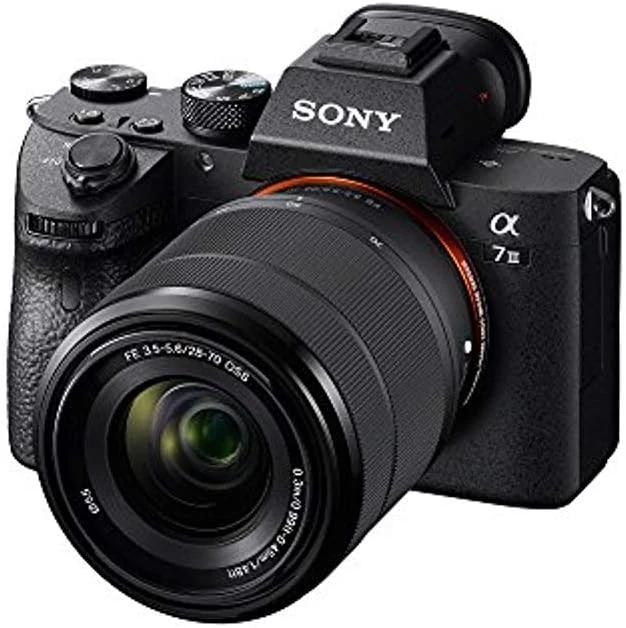
Sony’s a7 III is a full-frame mirrorless body aimed at photographers who want strong autofocus, impressive low-light capability, and fast shooting in a relatively compact package. With the included 28-70mm lens, it’s a practical starter kit, but serious low-light or background blur lovers may want to budget for faster lenses.
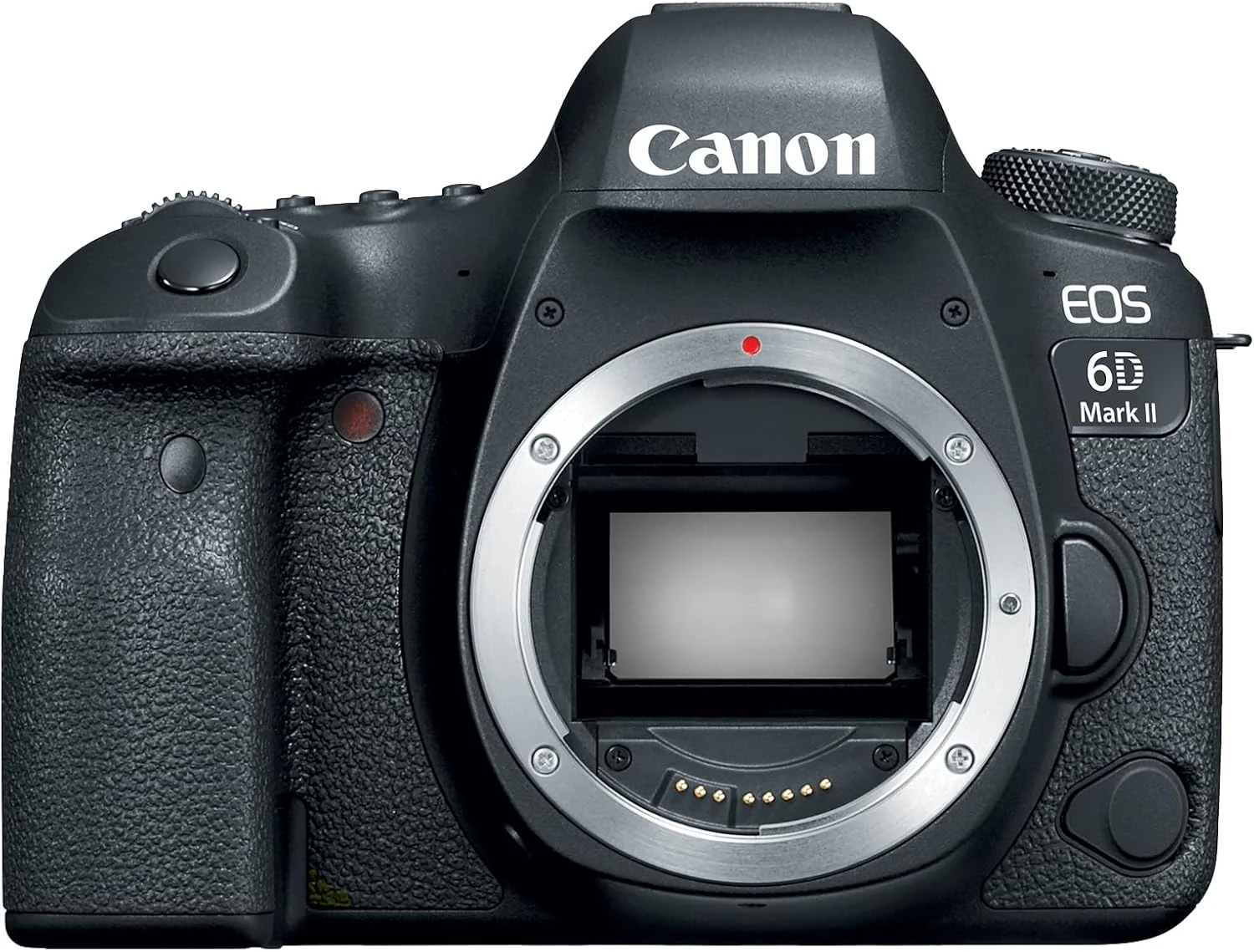
The Canon EOS 6D Mark II pairs a 26.2MP full-frame CMOS sensor with Canon’s DIGIC 7 processing, built-in Wi-Fi/NFC/Bluetooth, and a vari-angle touchscreen for flexible shooting. It’s a strong full-frame step up for Canon EF lens owners, with autofocus and full-HD Dual Pixel support that suits everything from travel and wildlife to occasional astrophotography, as long as you understand it is not a fast-action pro body.
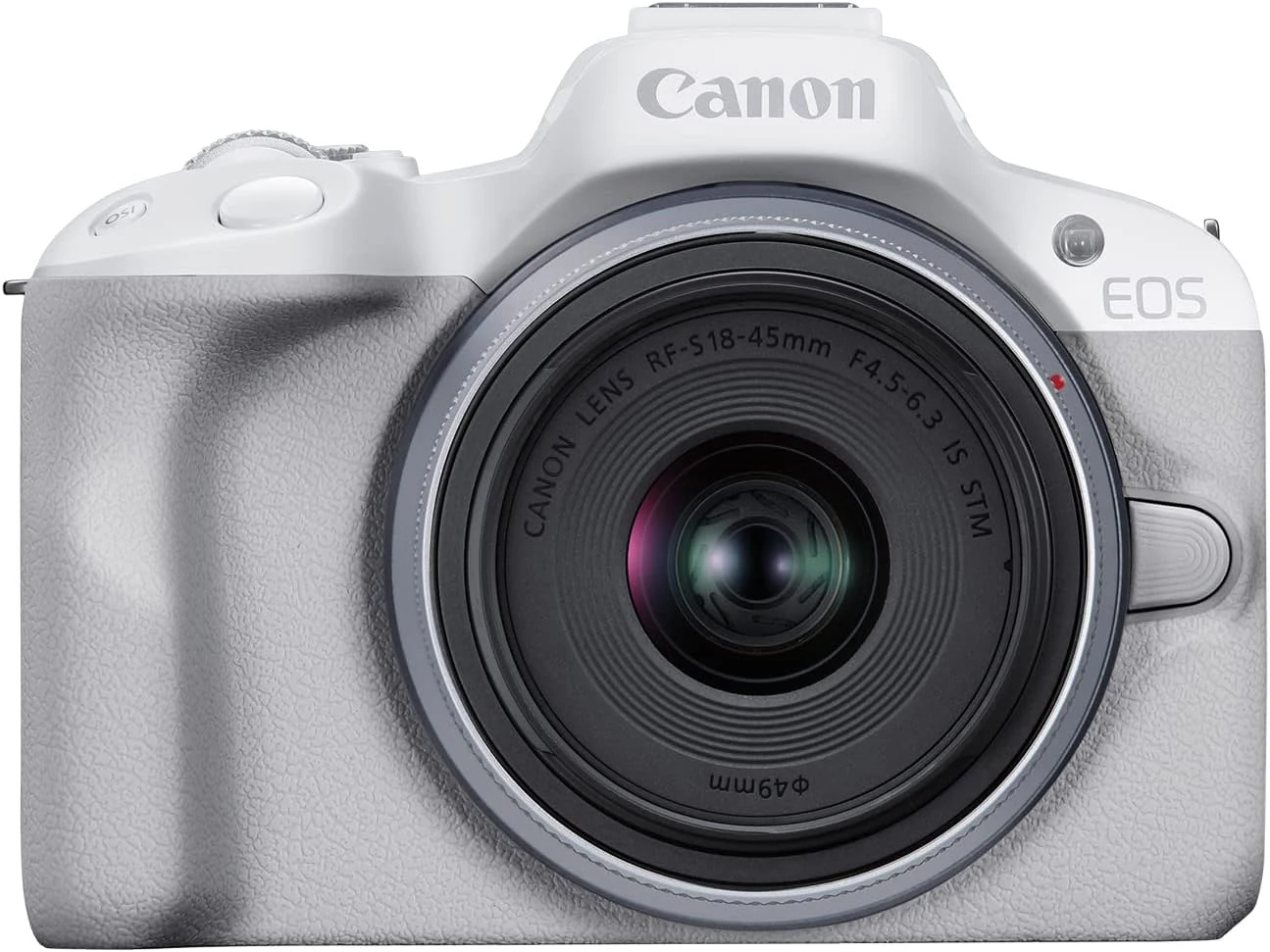
The Canon EOS R50 is a compact APS-C mirrorless camera kit aimed at beginners, vloggers, and content creators who want strong 4K video with reliable subject autofocus. With a 24.2MP APS-C sensor, Dual Pixel CMOS AF II, vari-angle touchscreen, and solid wireless connectivity, it is a convenient “grab-and-go” option, but its small body may feel less comfortable for users who want a deeper grip.
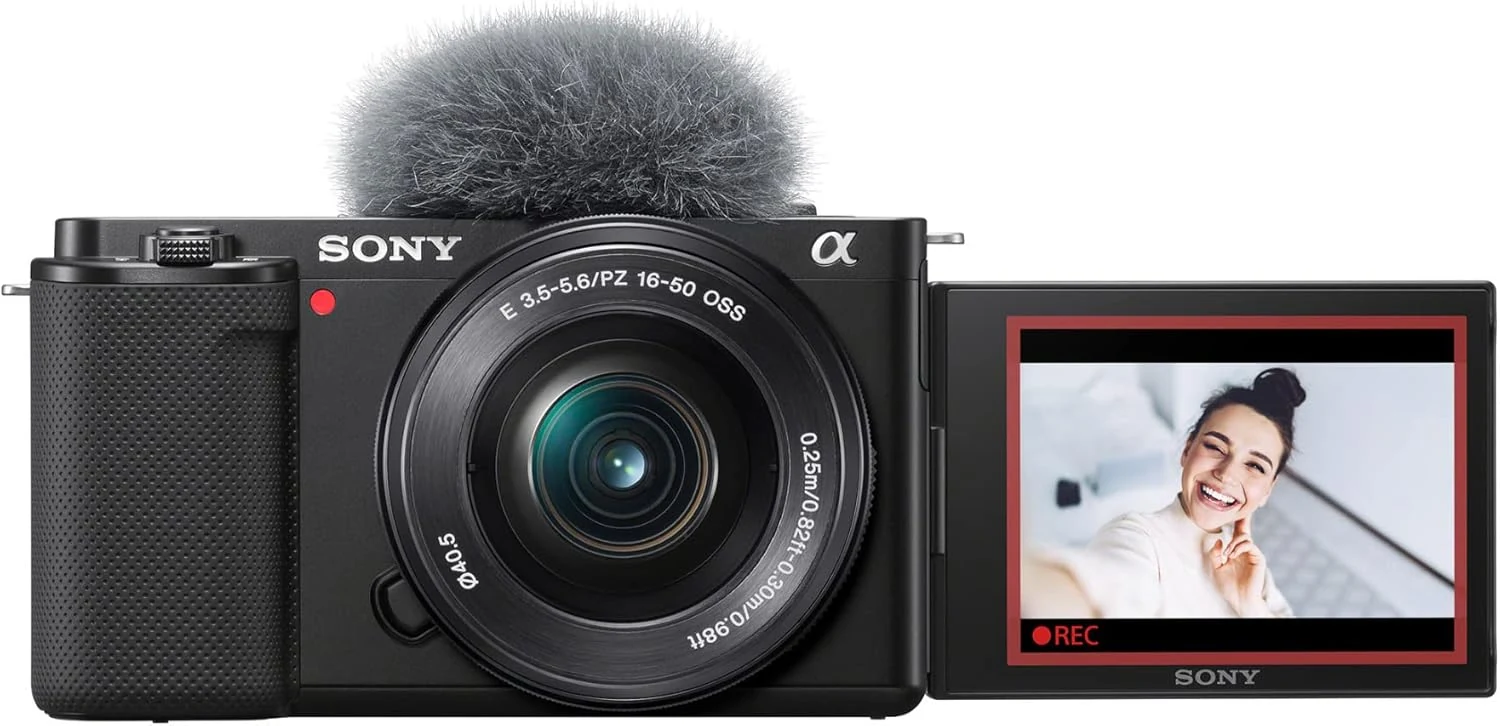
The Sony Alpha ZV-E10 is an APS-C E-mount mirrorless camera built for vlogging and content creation, with a flip-out vari-angle screen, strong autofocus, and 4K video oversampled from 6K. It’s an approachable option for beginners who want room to grow with interchangeable lenses, plus convenient webcam-style streaming via a single USB connection. The main tradeoff is that you are choosing a kit built around learning and portability, not a body with every premium feature you might find in higher-priced models.
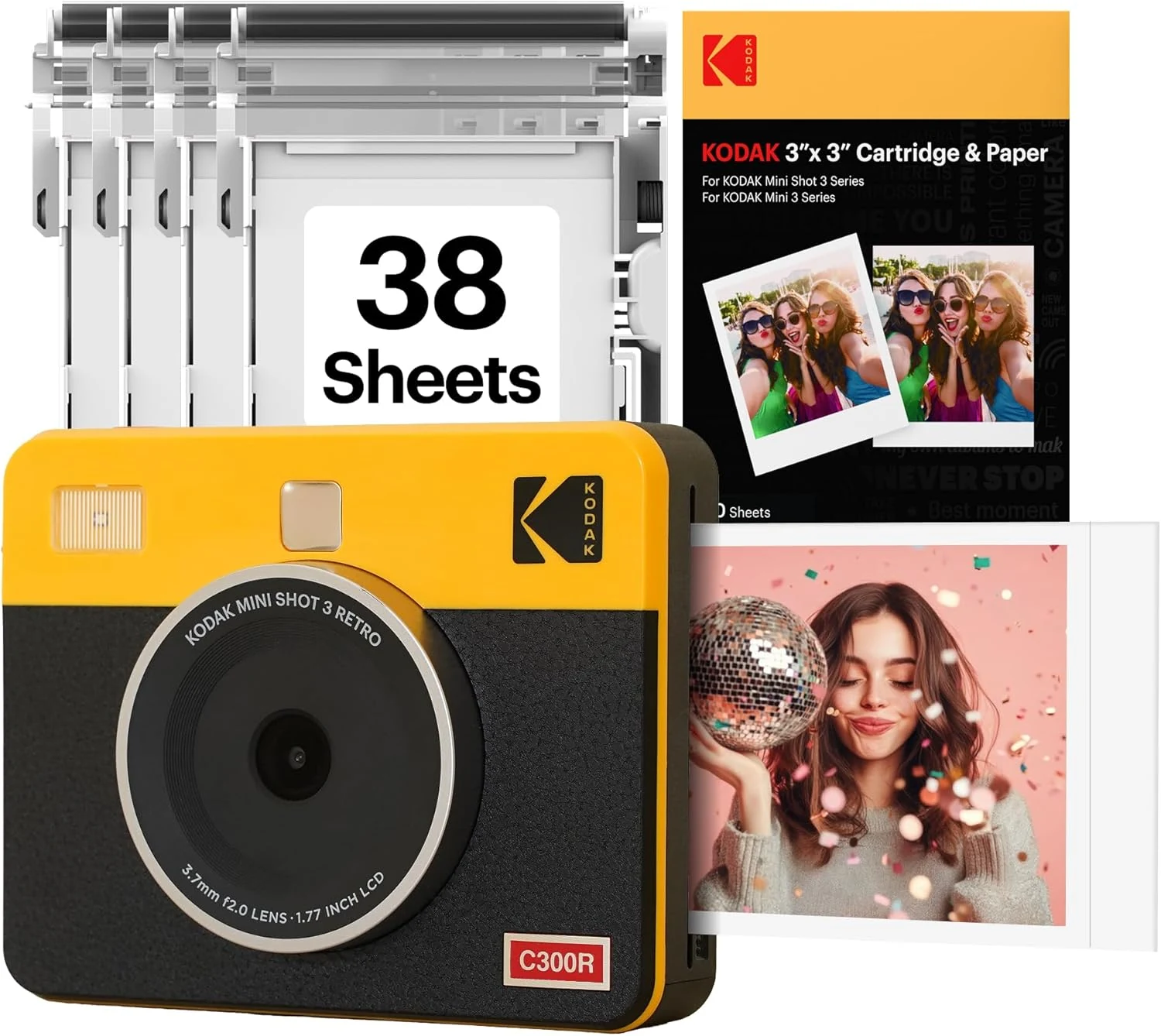
The KODAK Mini Shot 3 Retro is a compact 2-in-1 instant camera and portable printer that makes square 3x3” dye-sublimation prints, including direct smartphone printing via a Bluetooth app. It is a fun, beginner-friendly option for kids, parties, and memory projects, with the main tradeoff being mixed reports about app/software smoothness and occasional print or cartridge consistency over time.
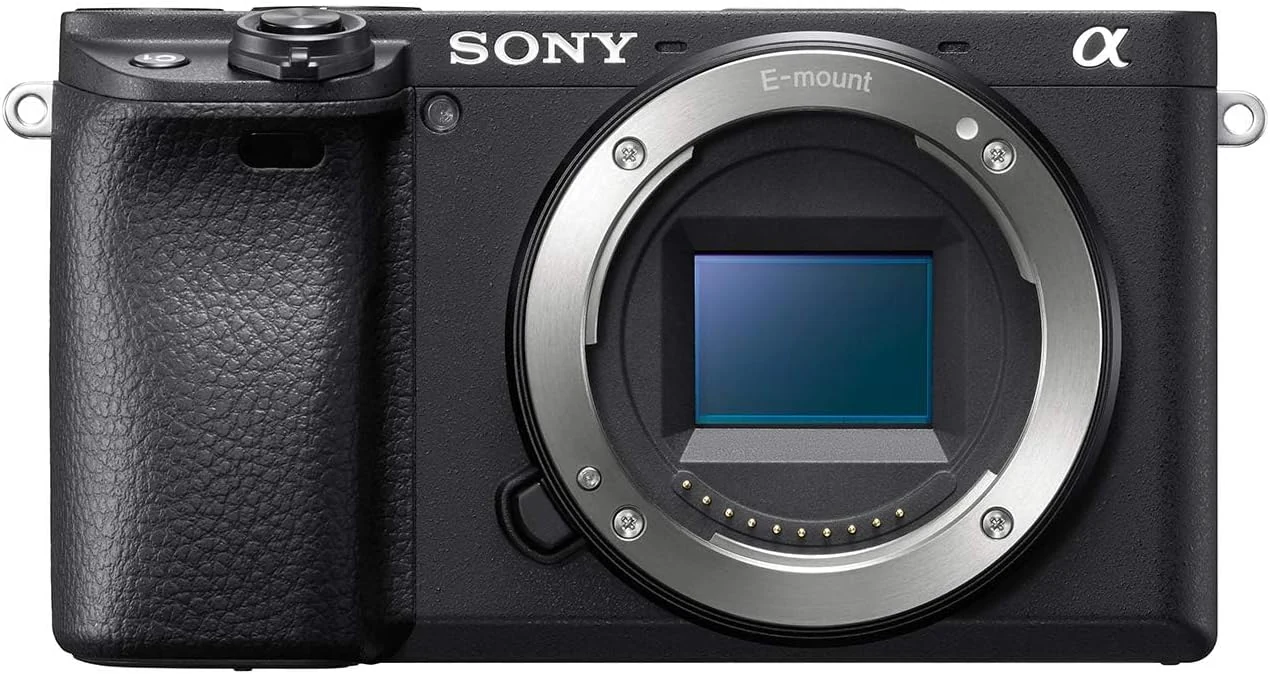
The Sony a6400 is a compact APS-C mirrorless body known for fast real-time autofocus and strong overall image quality for stills and travel-friendly video. It is a good fit for buyers who want serious performance without a bulky camera, but it is not ideal for beginners who want a fully simple experience, and video users should be aware of rolling-shutter behavior in 4K.
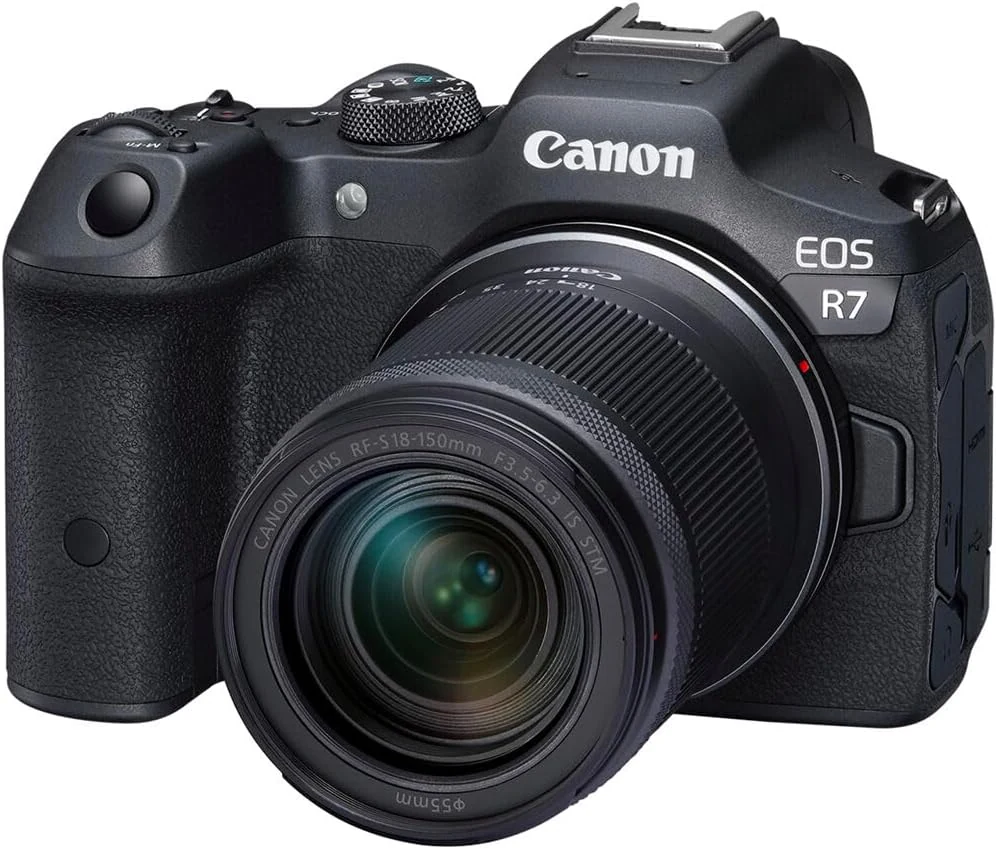
The Canon EOS R7 RF-S18-150mm STM kit pairs a 32.5 MP APS-C sensor with Dual Pixel CMOS AF, subject detection, and 4K 60p video for creators who want one versatile setup. It also brings in-body (sensor-shift) stabilization and fast burst shooting, with the main caveat being that some buyers note low-light performance can be a struggle.
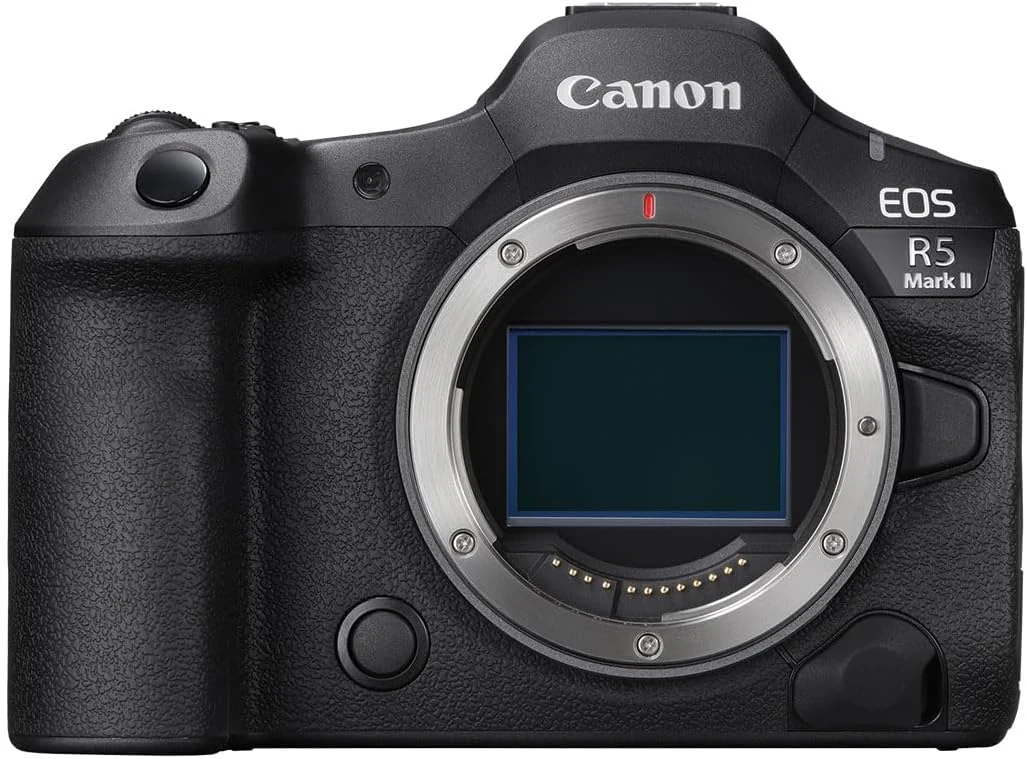
The Canon EOS R5 Mark II Body is a full-frame 45MP stacked CMOS mirrorless camera built for fast action, improved autofocus, and serious hybrid shooting. Buyers highlight the jump in electronic shutter speed (up to 30 fps), Eye Control/updated AF performance, and improved video heat management, though review sentiment is mixed on how much the newer body differs from the original R5.
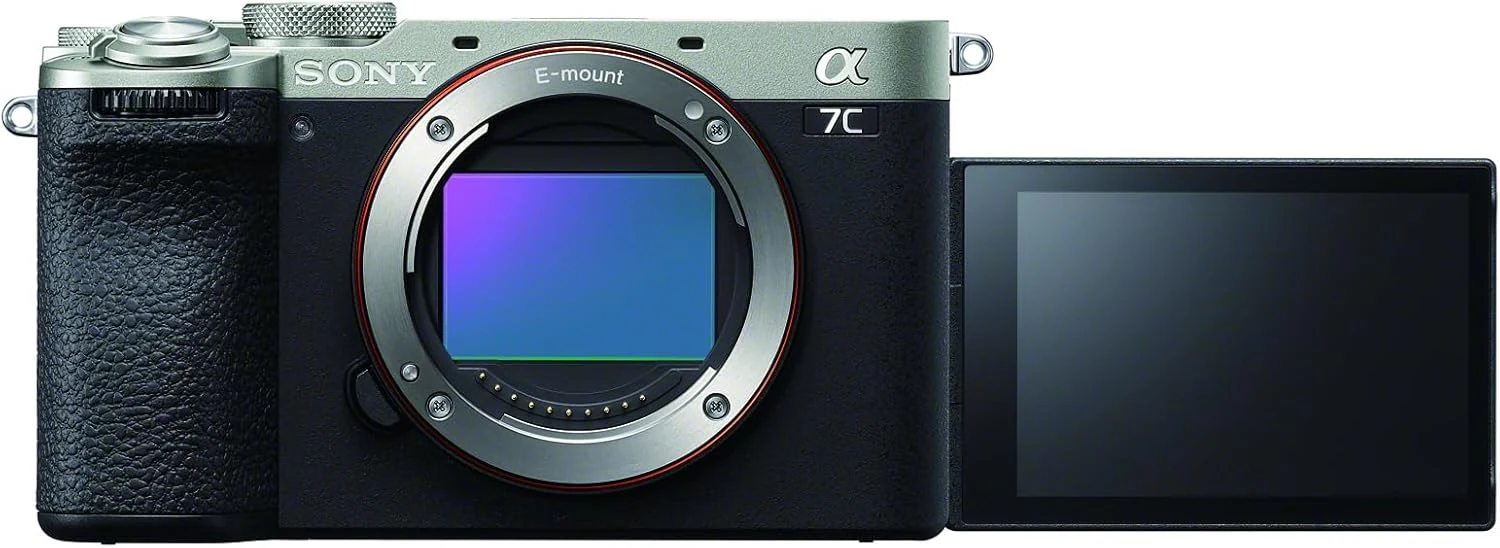
The Sony Alpha 7C II brings a 33MP full-frame sensor into a notably compact mirrorless body, aiming at creators who want strong photo quality without carrying a large camera. It also stands out for hybrid use, with advanced subject recognition features and 4K 10-bit 4:2:2 video up to 60p/50p, though the compact design can mean the body runs warm during longer video sessions.
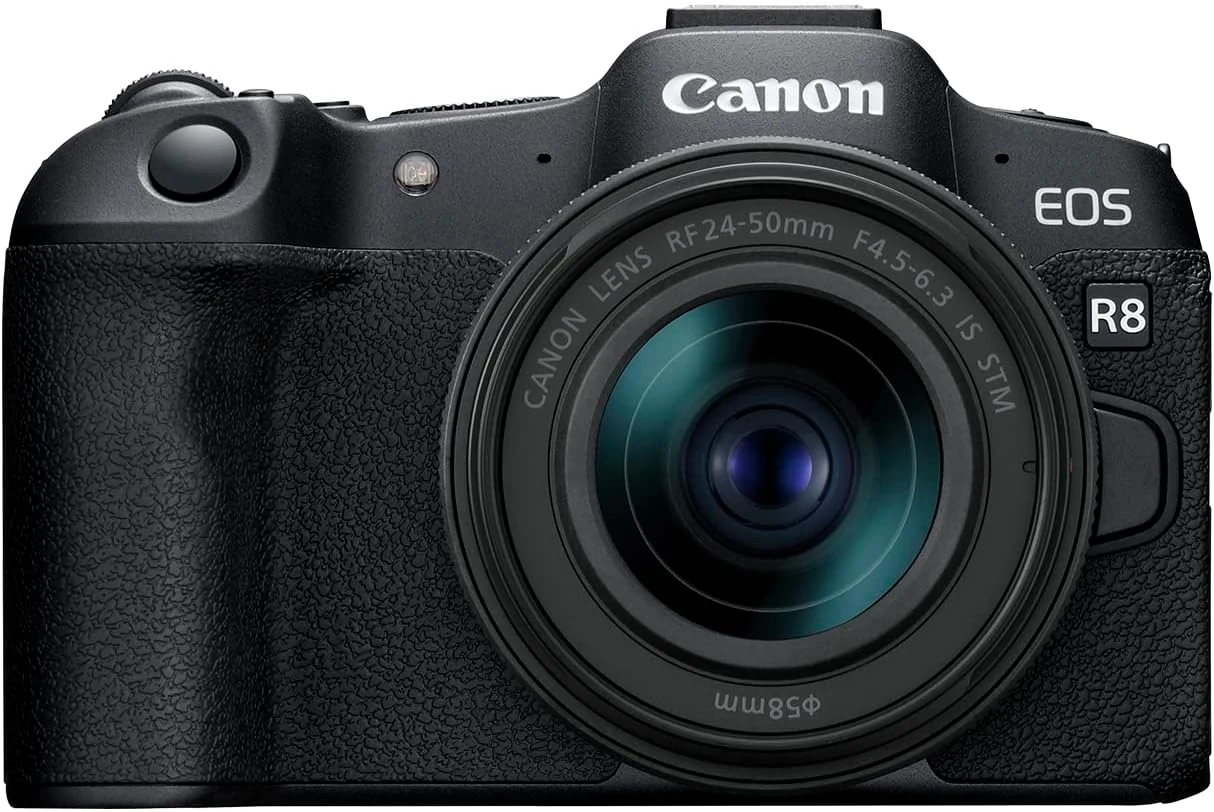
Canon’s EOS R8 brings a lightweight full-frame body into a kit with a compact RF 24-50mm zoom, pairing an OLED EVF and vari-angle touchscreen with Dual Pixel CMOS AF II. It’s a strong option for travelers, enthusiasts, and shooters who want a straightforward full-frame upgrade, with the main tradeoffs being battery expectations and some limitations of the bundled zoom lens (including not being designed for heavy weather use).
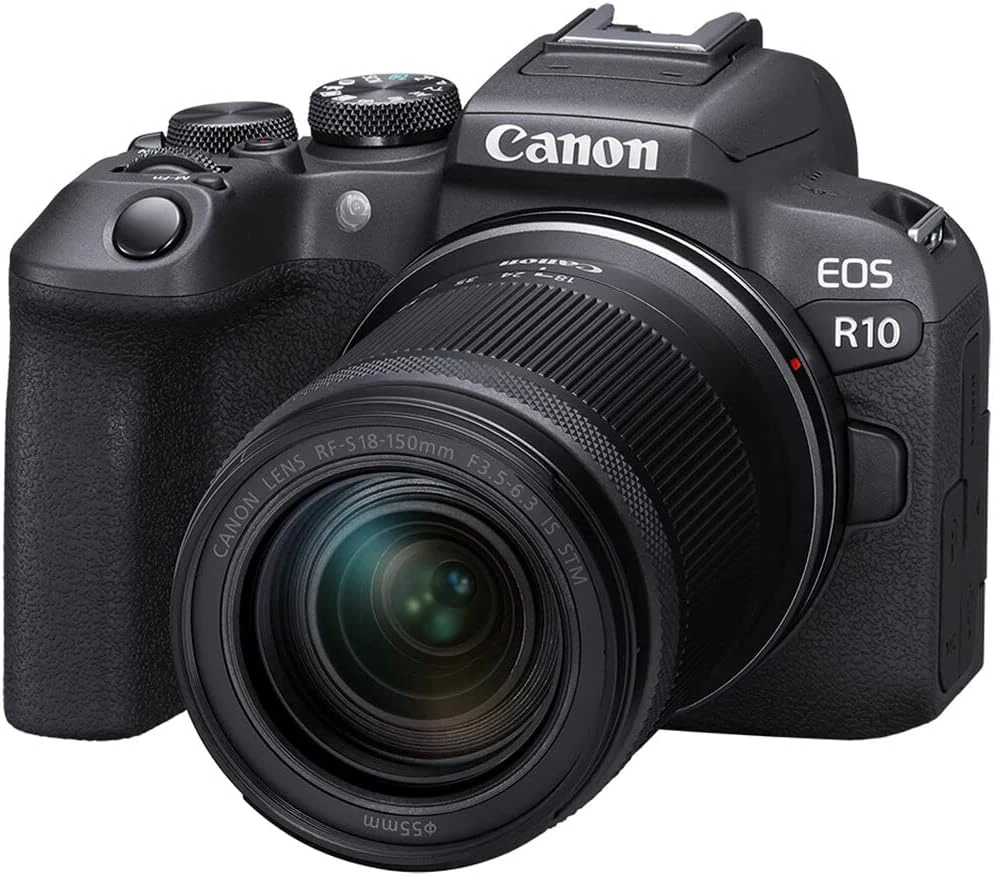
The Canon EOS R10 with the RF-S 18-150mm STM lens kit is a compact APS-C mirrorless option for content creators who want fast autofocus, high-speed shooting, and capable 4K video. Buyers like its easy handling and tracking features, but battery life is a common practical consideration (bring spares).
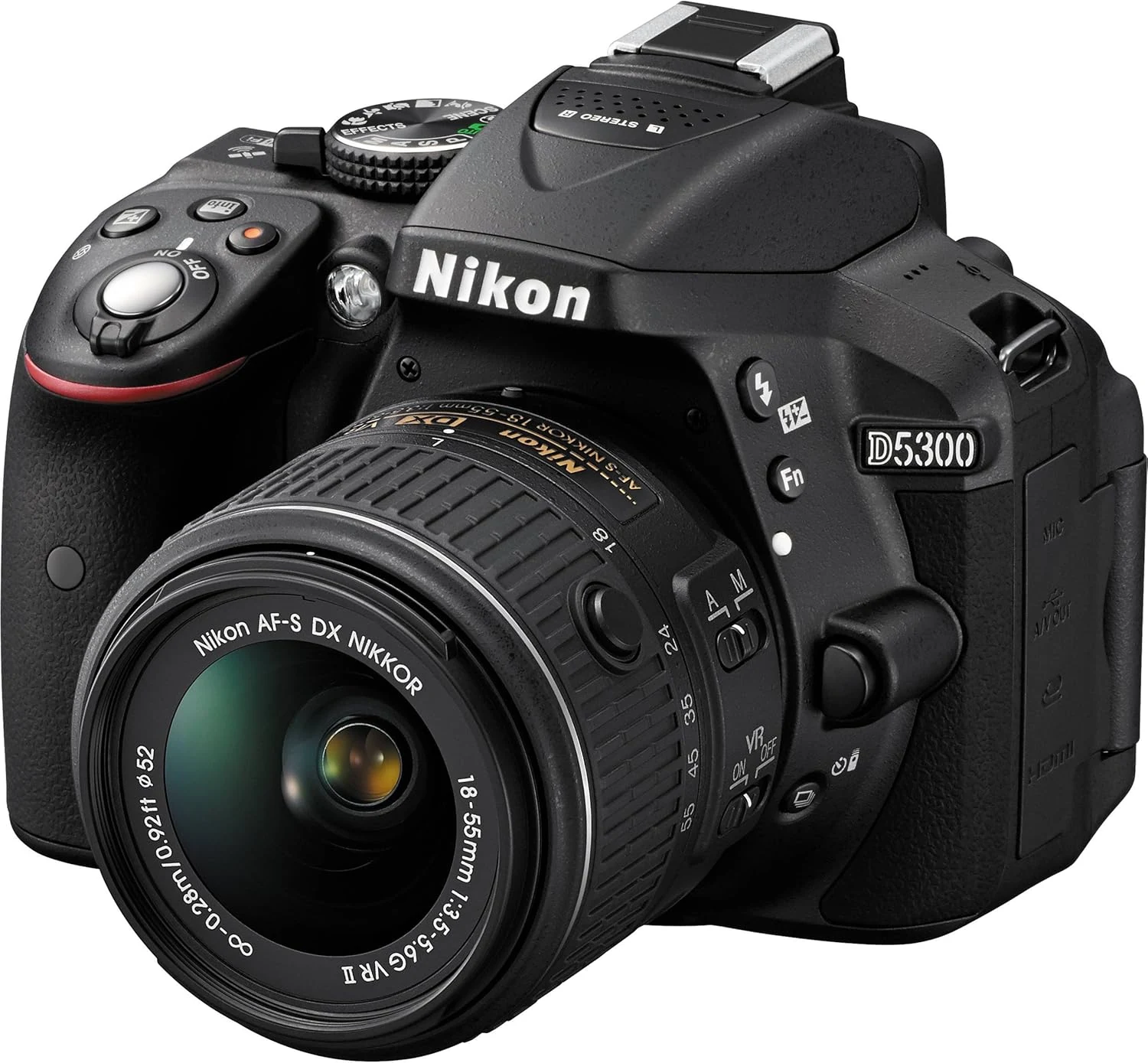
The Nikon D5300 is a compact APS-C DSLR that pairs a 24.2 MP sensor with a 39-point autofocus system, built-in Wi‑Fi, and a 3.2-inch vari-angle touchscreen-style LCD for easier shooting from awkward angles. It can be a strong step-up for beginners and enthusiast upgraders, with the main caveat being DX-format limitations compared with full-frame systems and a learning curve for video focusing.
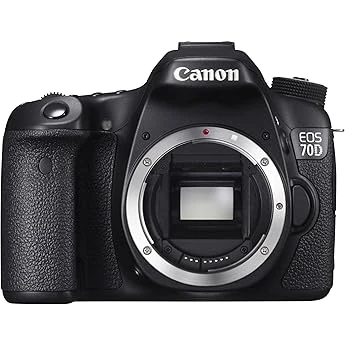
The Canon EOS 70D (body only) is a mid-size APS-C DSLR built for fast autofocus and flexible shooting angles, with a touch-enabled, articulating 3-inch screen and strong performance for stills and full HD video. It’s best for photographers who want an upgrade from an entry-level DSLR and plan to pair the body with compatible Canon EF/EF-S lenses.
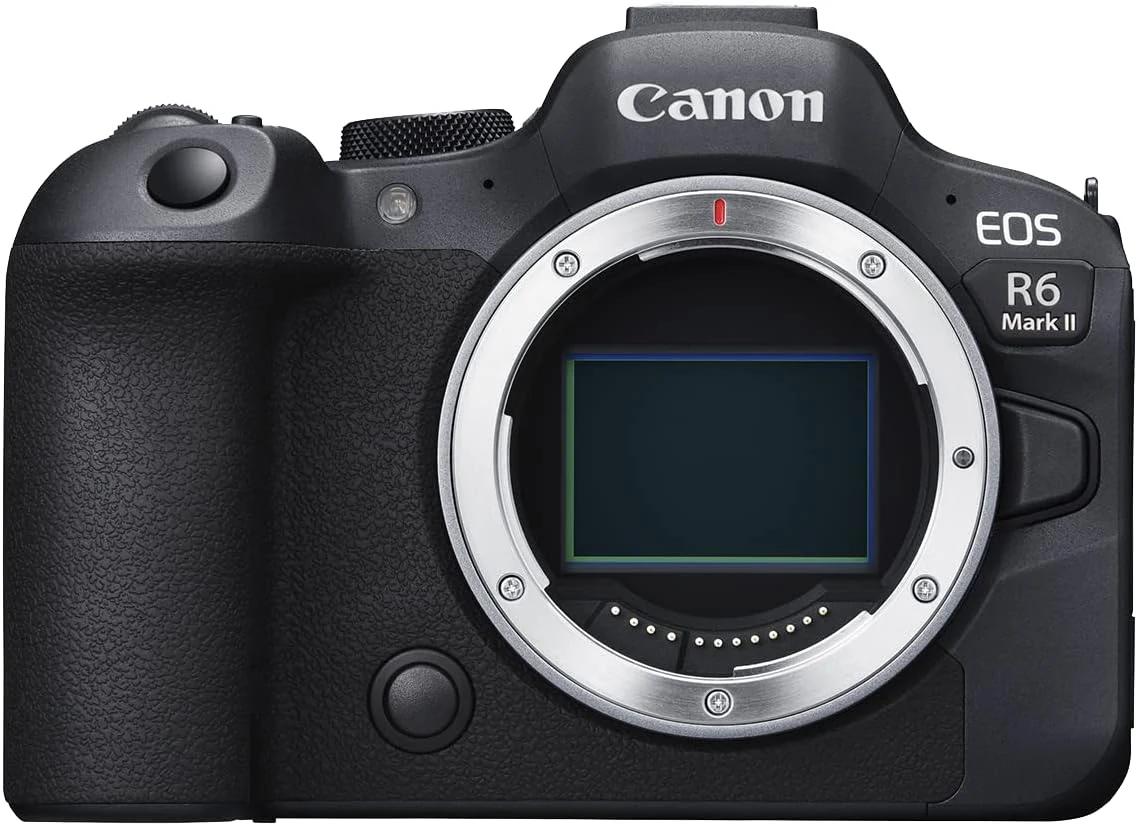
The Canon EOS R6 Mark II is a full-frame, hybrid mirrorless camera built for both high-quality stills and 4K/8K-style versatility (video resolution listed as 4320p). Key strengths include a 24.2MP full-frame sensor, advanced Dual Pixel CMOS AF II with subject detection, and fast burst shooting up to 12 fps (mechanical) or 40 fps (electronic/silent). Buyer-review evidence highlights strong image quality, “workhorse” usability, and solid battery performance, with limited buyer-review detail about specific weaknesses.
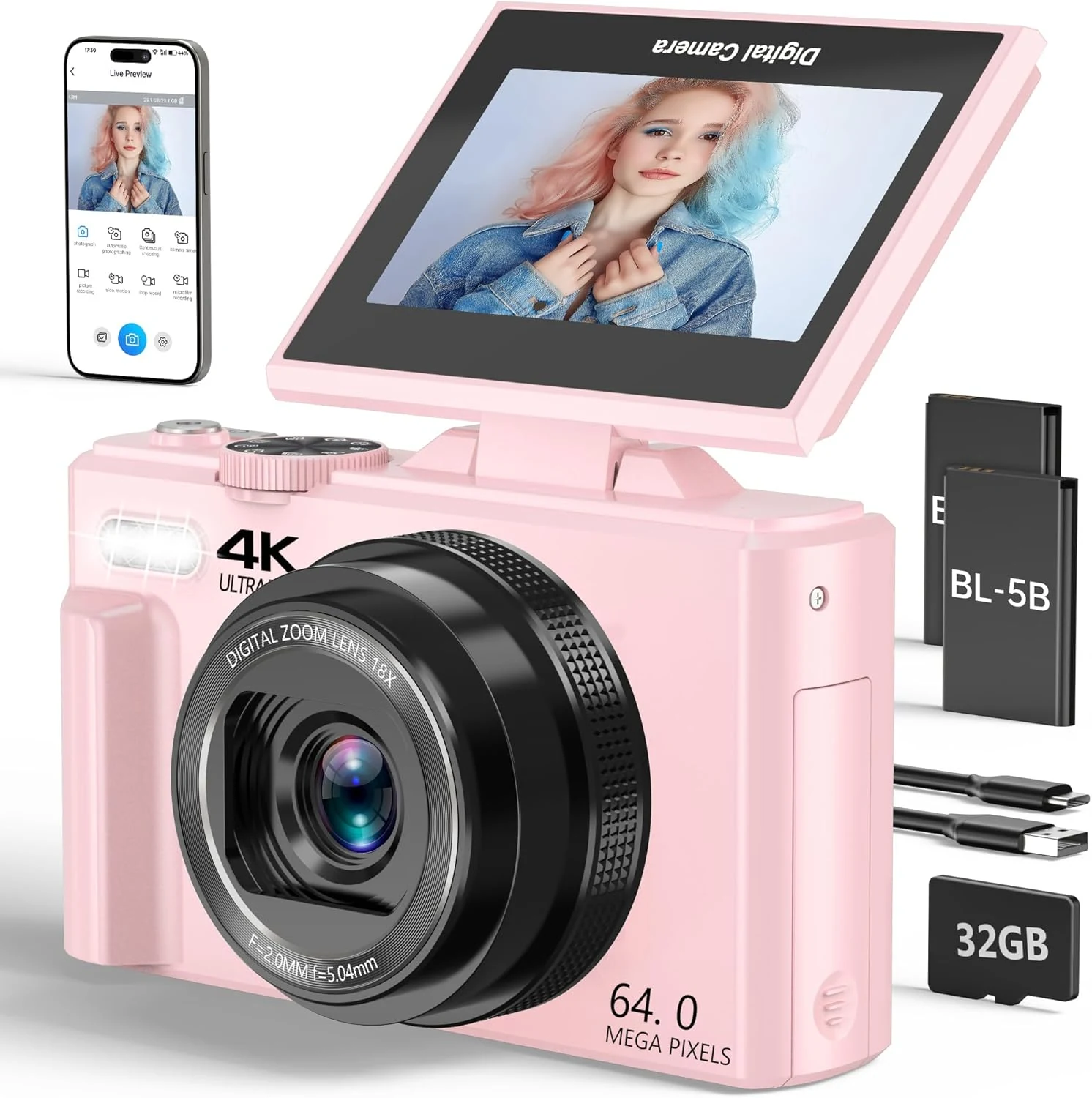
A compact, beginner-friendly point-and-shoot that targets casual 4K video, easy sharing, and vlogging setups. It includes a 3-inch 180° flip screen, built-in fill flash, Wi‑Fi transfer, and an included accessory bundle, but performance is most convincing in good lighting and its “4K” experience is more “good enough for sharing” than pro-level.
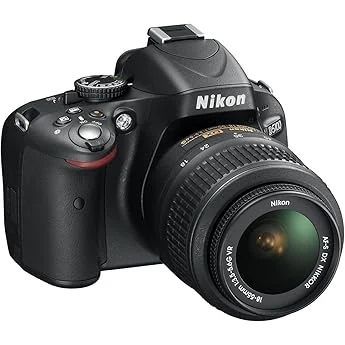
The Nikon D5100 DSLR kit pairs a 16.2MP APS-C CMOS sensor with an 18-55mm VR (optical) lens and a 3-inch Vari-angle LCD. It is a straightforward entry point for learning DSLR controls, with features aimed at capturing stills and full HD 1080p video. The main buying caveat is that refurbished units may arrive with missing essentials like a battery or memory card.
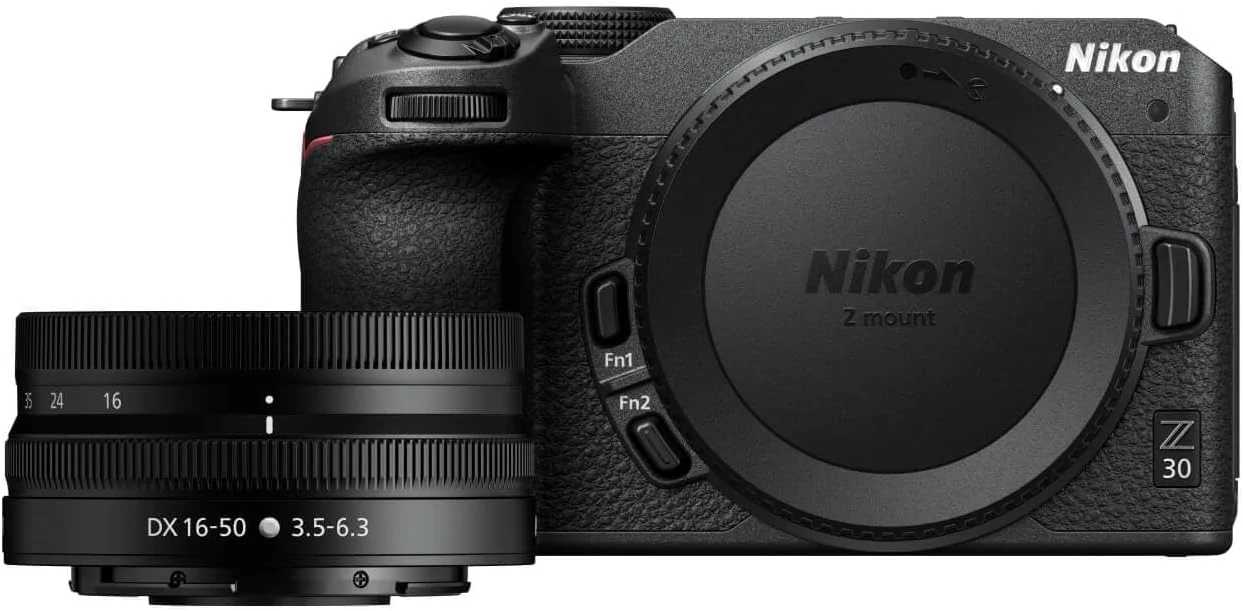
The Nikon Z 30 is a compact APS-C mirrorless kit built for creators who want crisp 4K, reliable autofocus with eye detection, and easy vlogging features like a flip-out touchscreen and remote smartphone control. It’s especially appealing if you value portability and handheld shooting, but the lack of a built-in viewfinder may be a dealbreaker for some photographers.
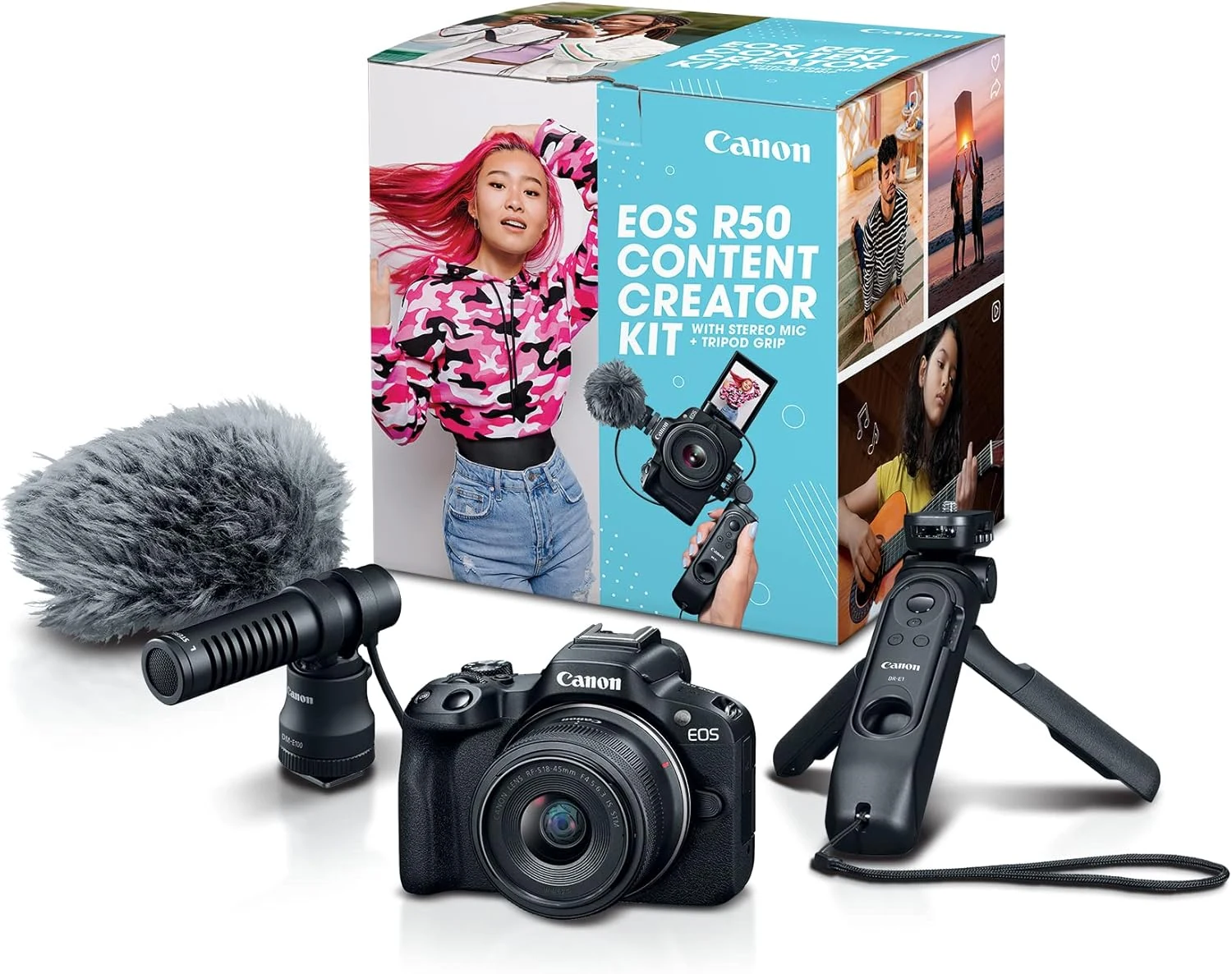
The Canon EOS R50 Content Creator Kit is a compact APS-C mirrorless camera built for vlogging and beginner-friendly content creation. With Dual Pixel CMOS AF II, 6K-oversampled 4K video options, and a bundled mic plus tripod grip and remote, it helps you start shooting and recording audio right away, with the main tradeoff being that transferring longer clips to a phone can be easier with shorter takes.
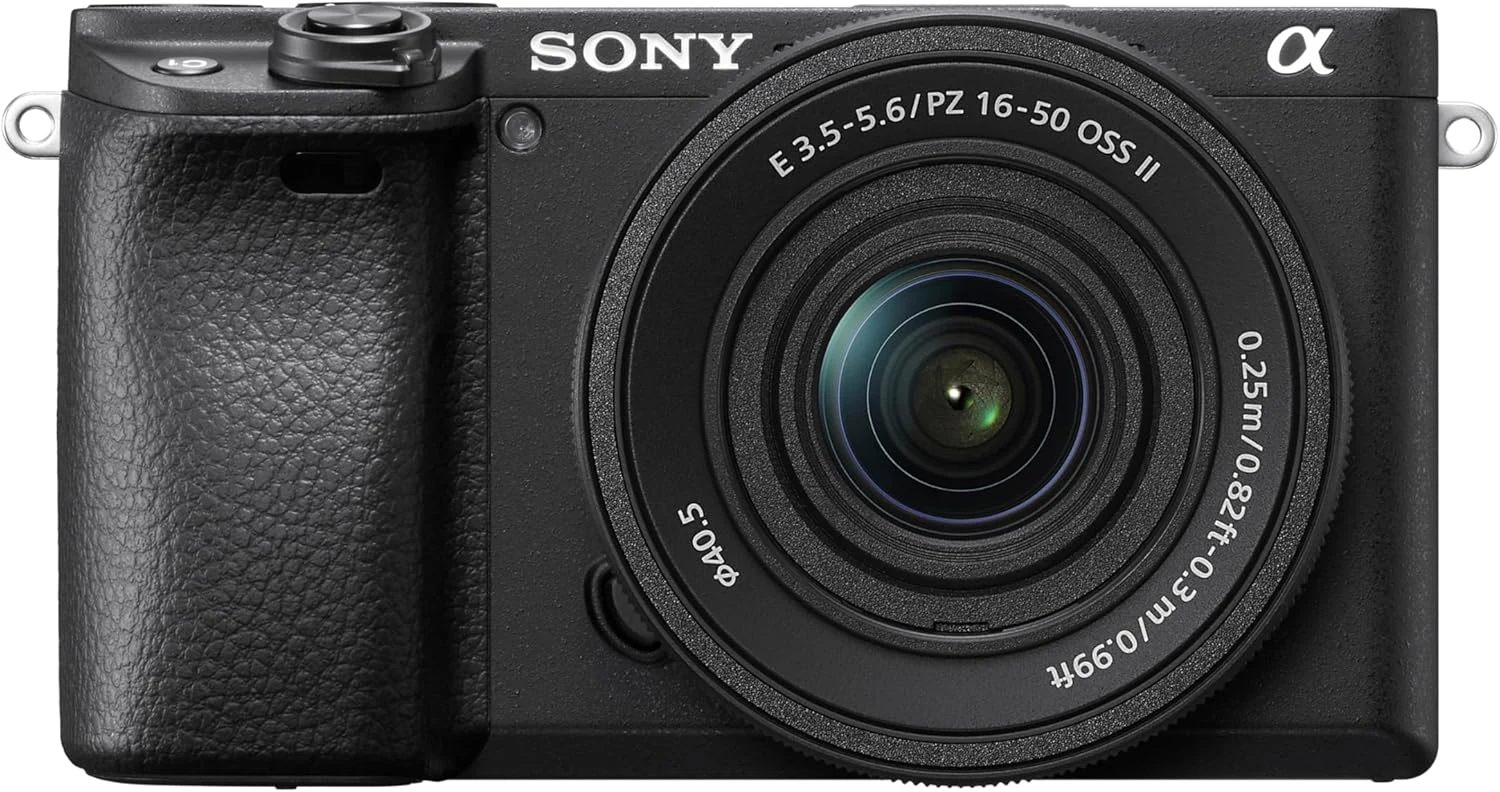
Sony’s Alpha a6400 is a compact APS-C mirrorless camera built for fast autofocus and strong photo and 4K video performance, paired here with the E PZ 16-50mm OSS II zoom. It’s feature-rich and travel-friendly, with one common buying caveat: battery life can be tighter for longer video sessions unless you plan for extra batteries.
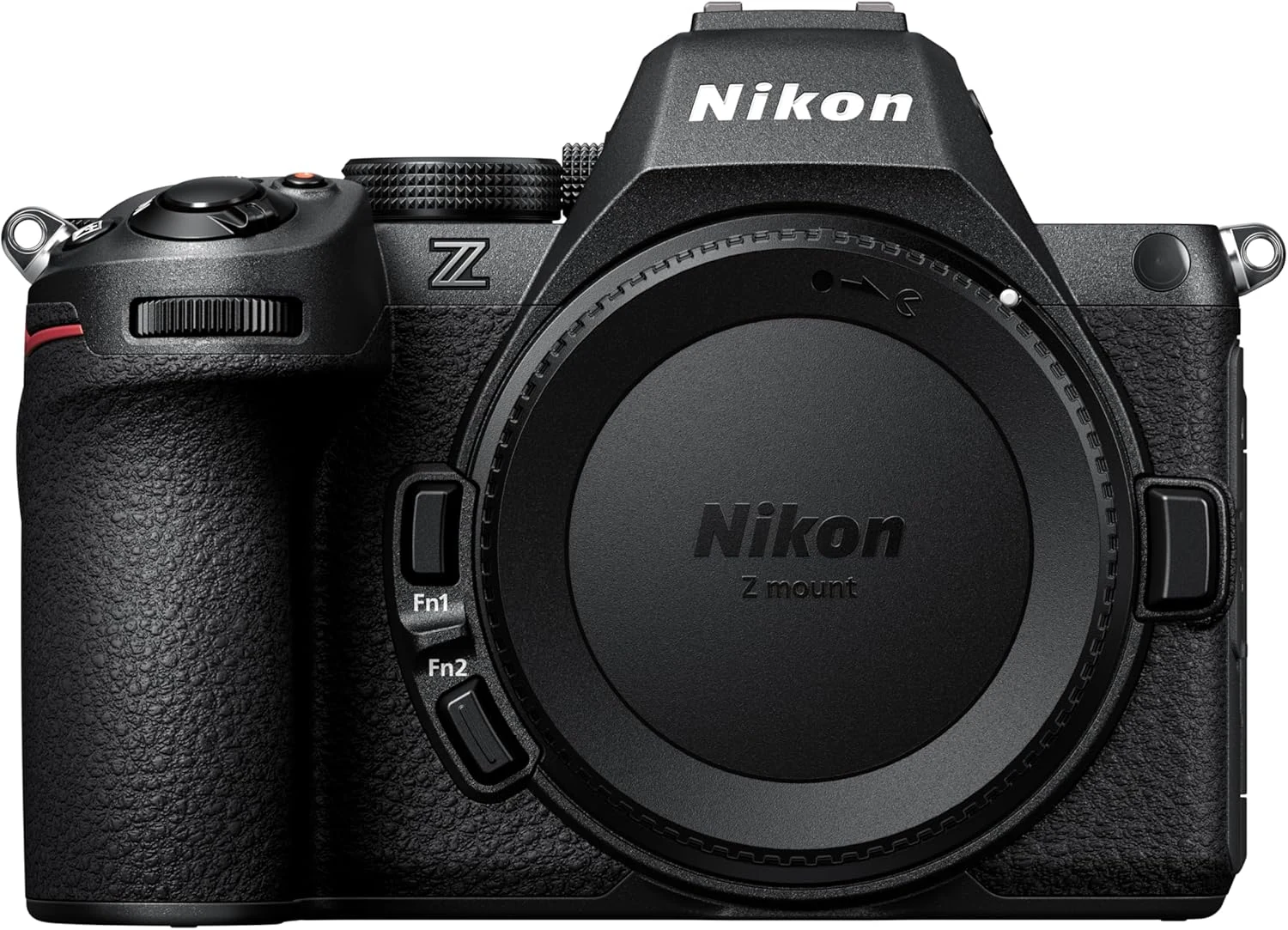
The Nikon Z5 II is a full-frame mirrorless body built for photographers who want stronger low-light performance, faster autofocus, and a bright electronic viewfinder, while still having meaningful video tools. It also gets a performance-focused push with up to 30fps stills and modern connectivity features for quick sharing and remote control. The tradeoff to consider is buyer-fit for video professionals, since the enthusiast-first positioning shows up in the review language.
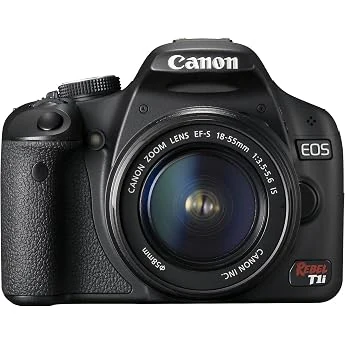
The Canon EOS Rebel T1i is an entry-level APS-C DSLR kit built around a 15.1 MP CMOS sensor, optical image stabilization, and a 3-inch Clear View LCD with Live View. It’s a solid pick for first-time DSLR users who want easy controls, Full HD video (1080 via HDMI output), and a starter zoom lens, with one big caveat: SD/SDHC cards are required and your results will depend on pairing it with the right lens and memory card.
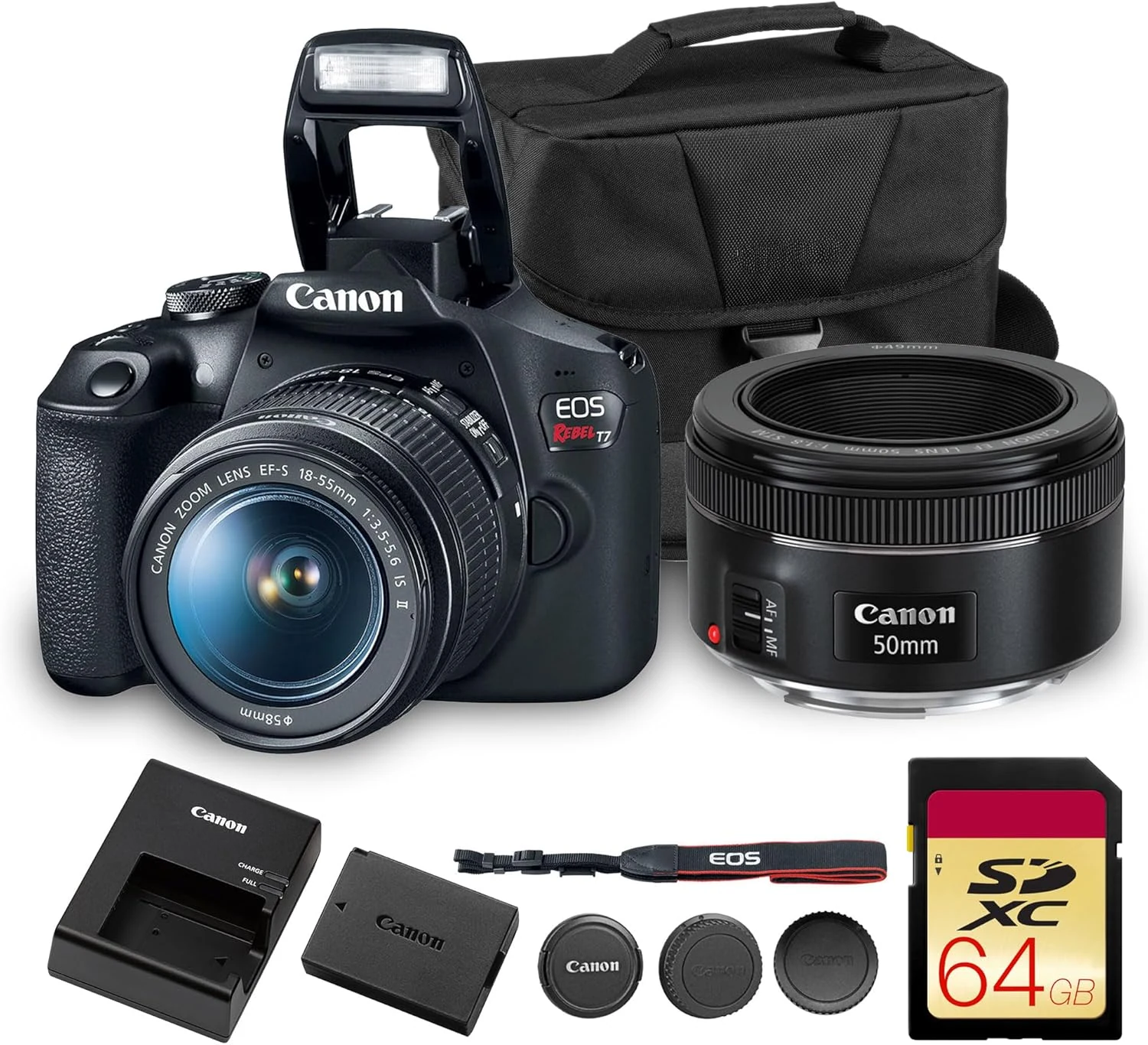
The Canon EOS Rebel T7 DSLR Camera Kit is a beginner-friendly entry point into APS-C photography, bundled with an EF-S 18-55mm zoom plus a bright Canon 50mm f/1.8 STM prime. Buyers highlight easy learning, strong image quality, and convenient Wi‑Fi app connectivity for sharing. The main caveat is that it is not built for advanced features or heavy, pro-level workflows.
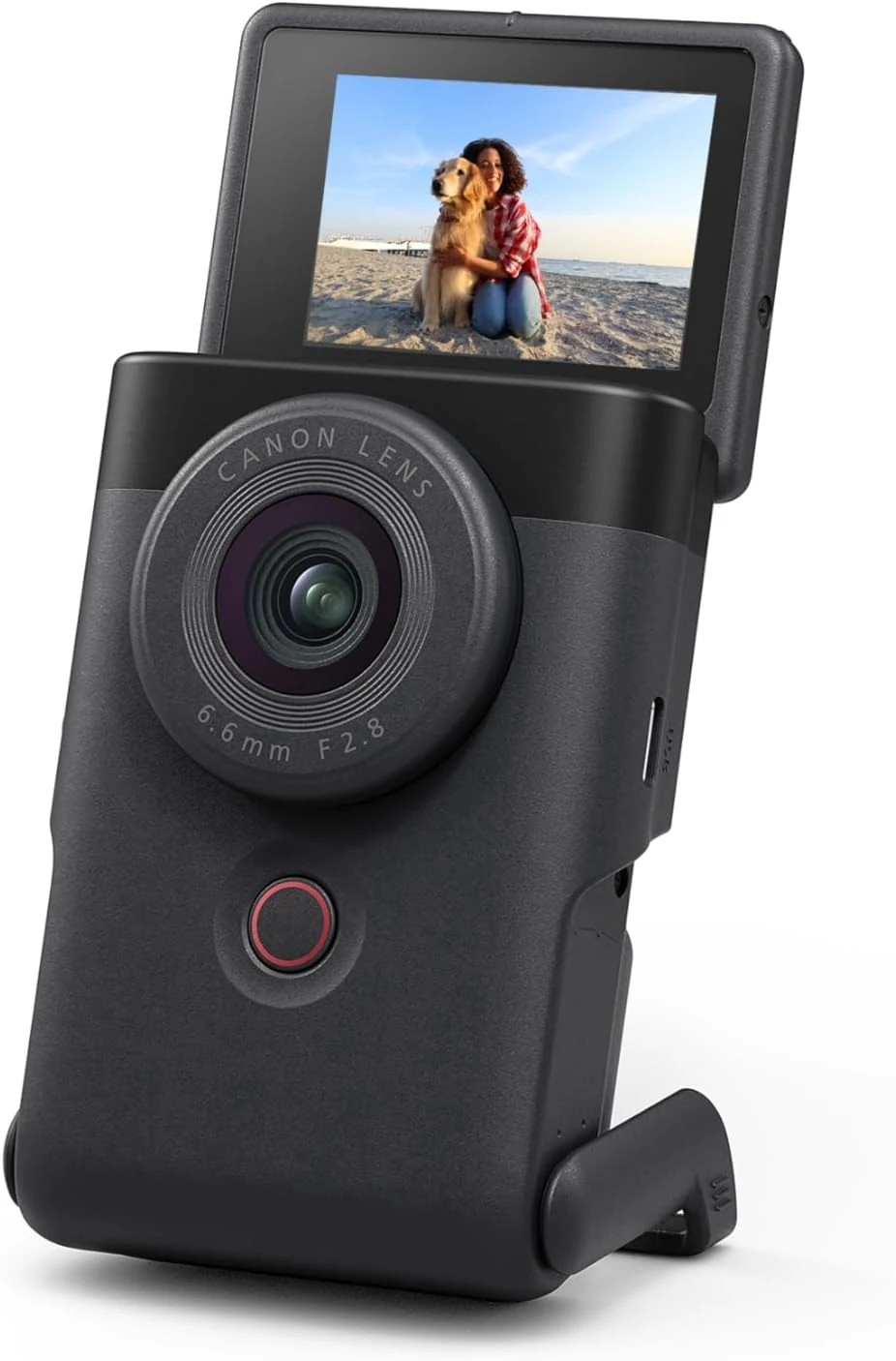
Canon’s PowerShot V10 is a pocket-friendly vlogging camera built around a 1-inch (15.2MP) back-illuminated CMOS sensor, a fixed 19mm wide-angle lens (35mm equivalent), and simple creator-first controls. It records 8-bit 4K up to 30 fps (Full HD up to 60 fps), includes stereo mics plus an external mic input, and adds built-in stabilization with multiple modes (firmware 1.2.0+). The main tradeoff to consider is that it is designed for vlogging, not for optical zoom control, and the battery life appears to be mixed in real-world use.
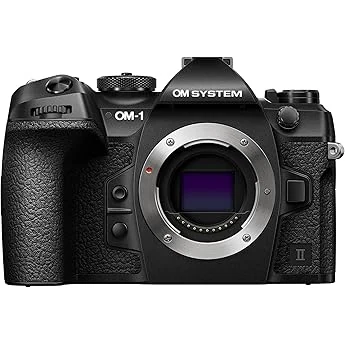
The OM-D E-M1 Mark II body is a rugged Micro Four Thirds camera designed for people who care about responsive focusing, fast continuous shooting, and in-body stabilization. It is especially appealing for wildlife, action, and macro users who want a compact kit, but buyers should be aware that it can have some flash and low-light focusing quirks with specific accessories.
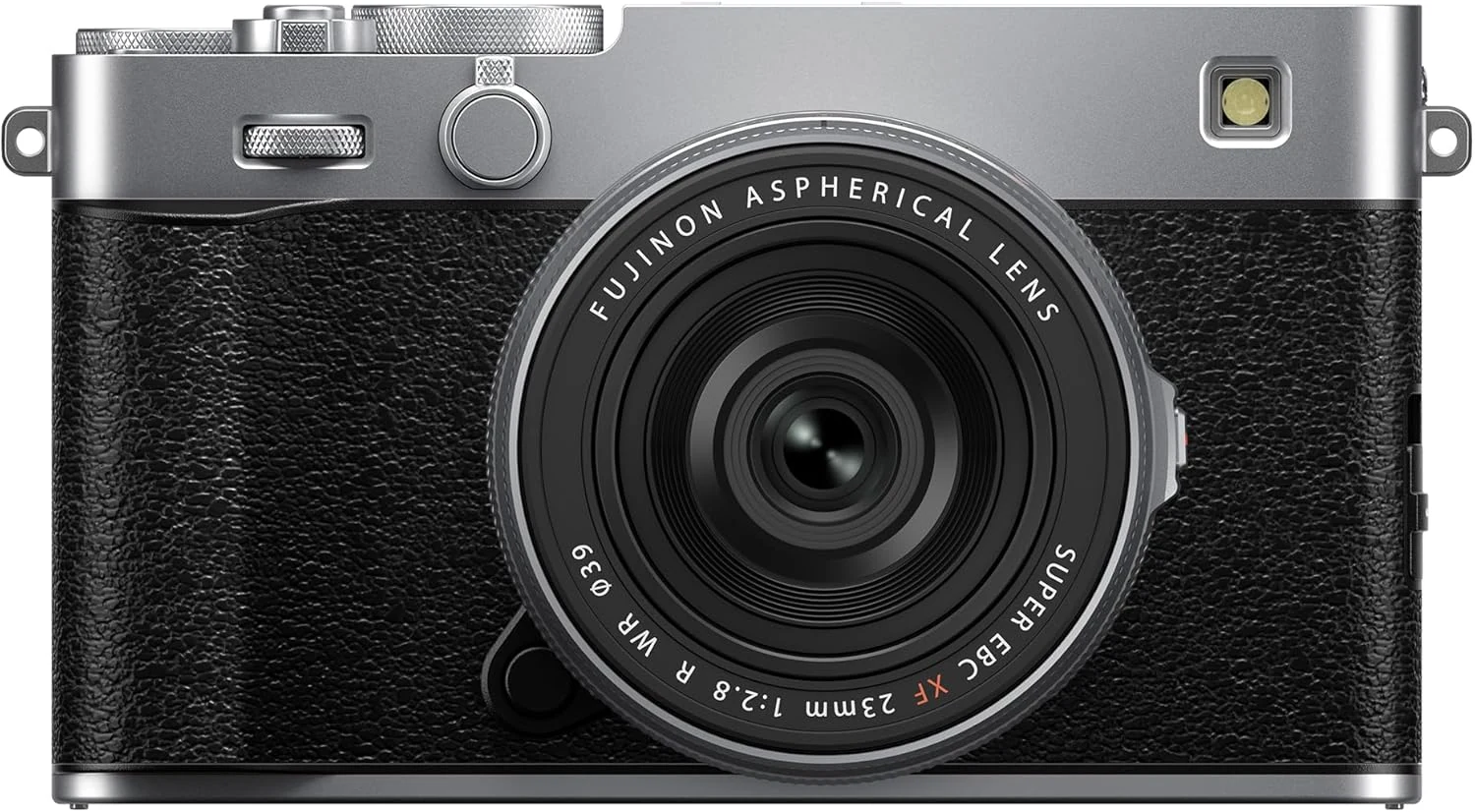
The FUJIFILM X-E5 mirrorless camera kit pairs a compact X- E5 body with the XF23mmF2.8 R WR pancake lens, giving you an everyday rangefinder-style experience plus interchangeable-lens flexibility. Buyers like the 40.2MP X-Trans sensor, in-body image stabilization, and quick access to Film Simulation controls, but most note a key tradeoff: the body is not weather sealed like some higher-tier X-series models.
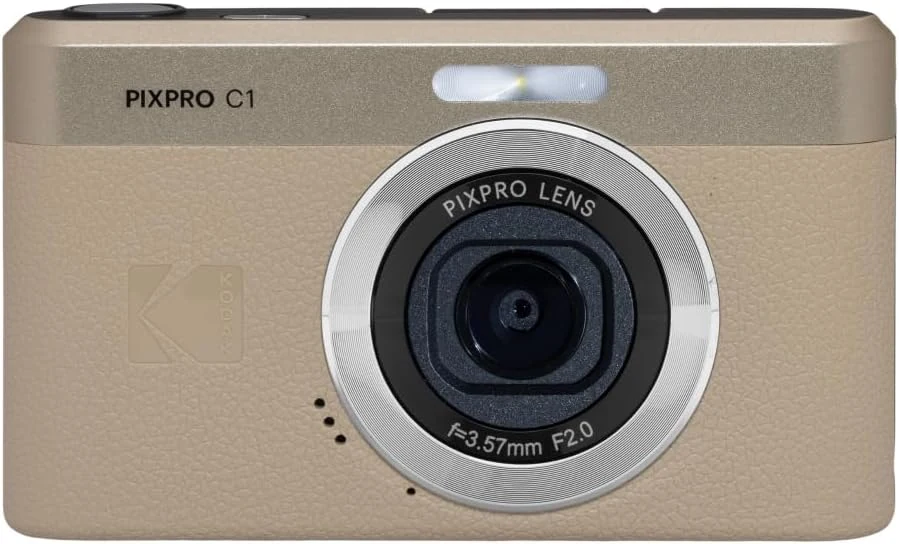
The Kodak PIXPRO C1 is a lightweight, beginner-friendly point-and-shoot built for casual everyday photos, selfies, and simple 1080p video. With a 180-degree flip 2.8-inch screen, 4x optical zoom, and a 13MP CMOS sensor, it’s a solid “phone alternative” for daytime shooting, but it is less forgiving in low light and can get softer when zooming.
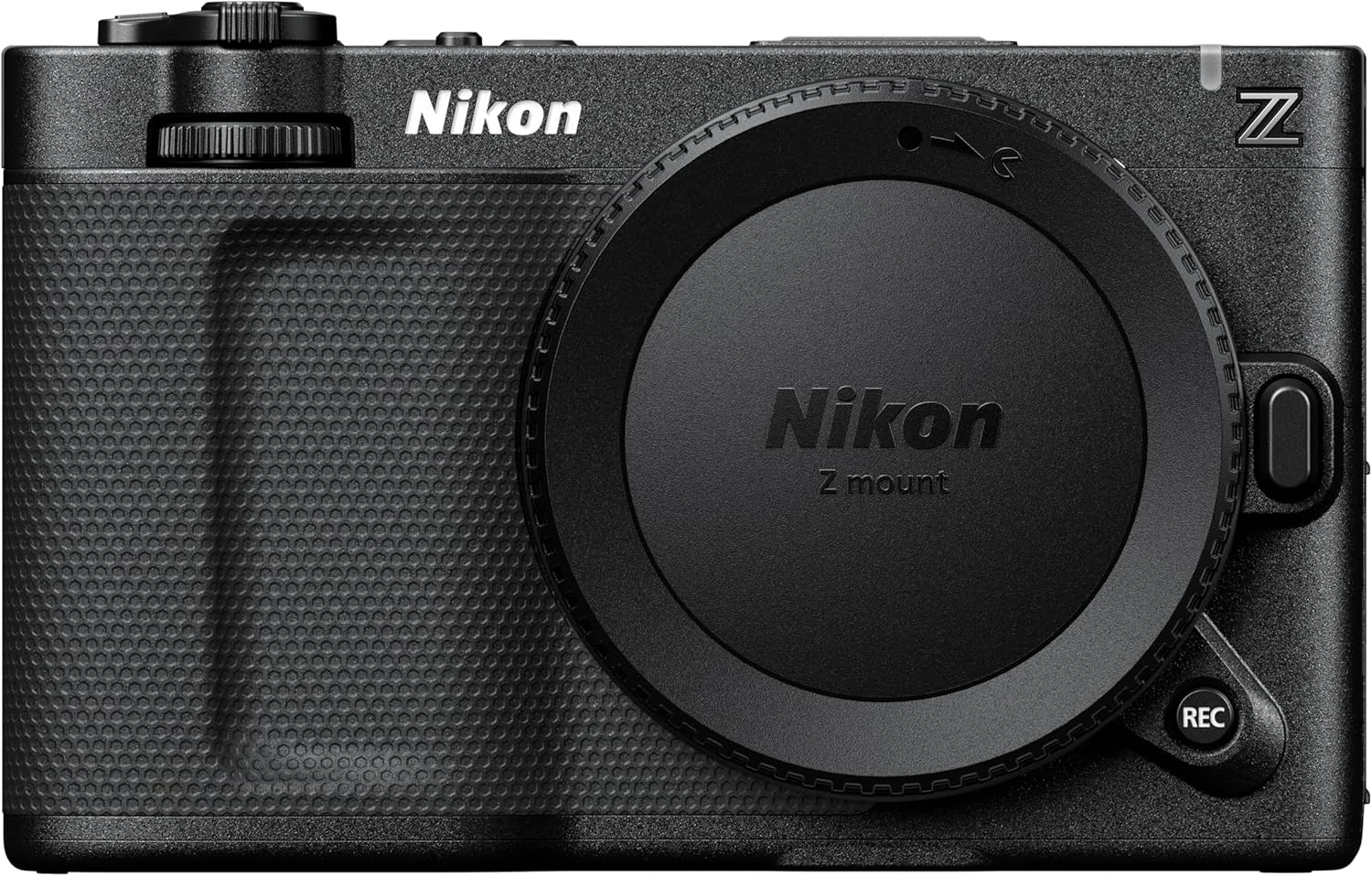
The Nikon RED Z Cinema (ZR) is a compact full-frame 6K cinema-style camera co-developed by Nikon and RED, built around REDCODE RAW (R3D NE) and RED color science. It pairs that workflow with a built-in 4-inch DCI-P3 swiveling touchscreen and industry-leading 32-bit float audio, but high-end 6K RAW file sizes and tight post-edit compatibility expectations are key buyer considerations.
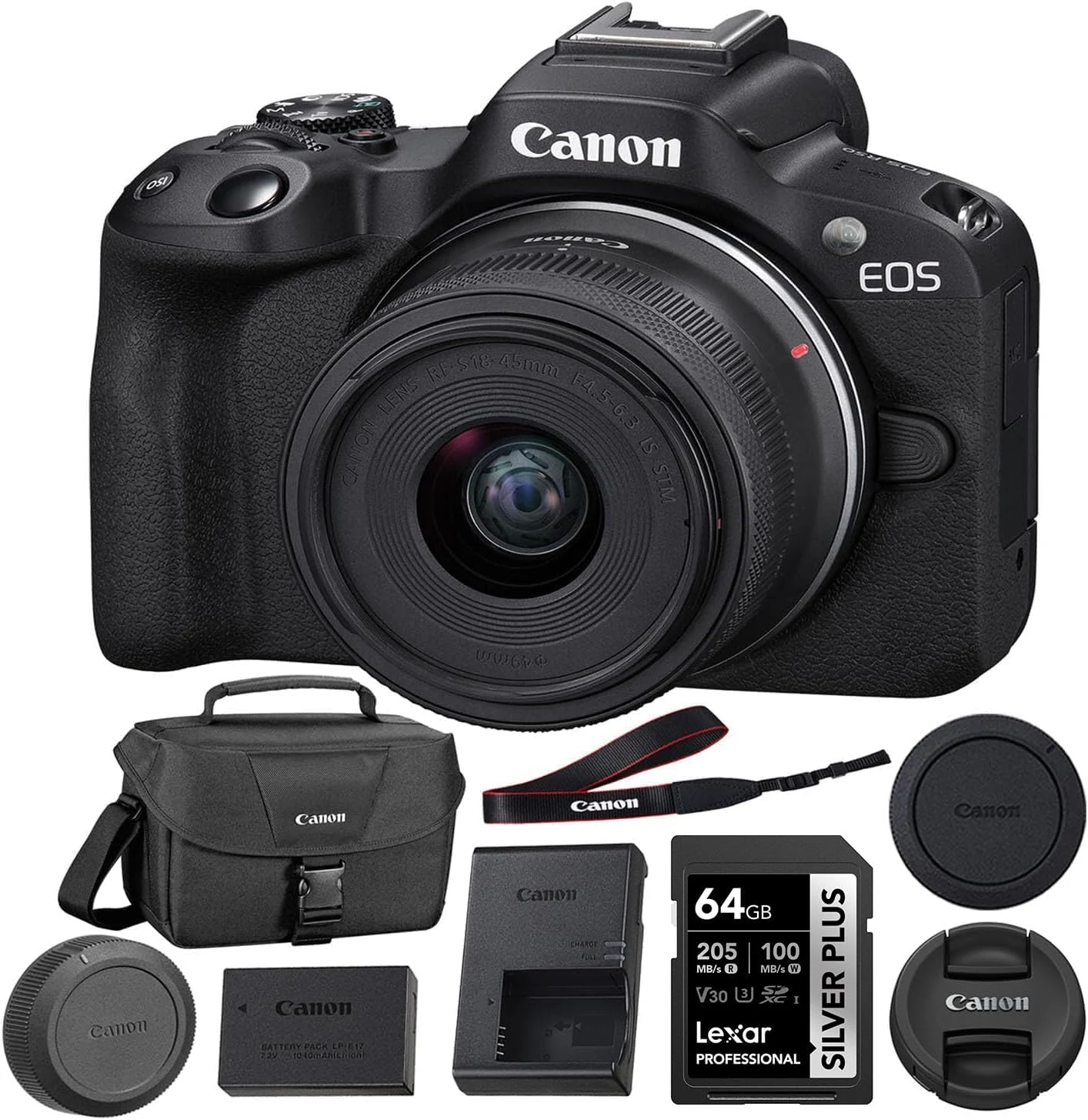
A beginner-friendly Canon EOS R50 kit built around a 24.2MP APS-C sensor, Dual Pixel CMOS AF II, and UHD 4K 30p video, plus an 18-45mm RF-S lens and an included 64GB card and shoulder bag. It’s a strong pick for quick smartphone-style shooting that can grow into more manual control, with the main caveat being the kit lens’s slower max aperture at the long end for low-light portraits.
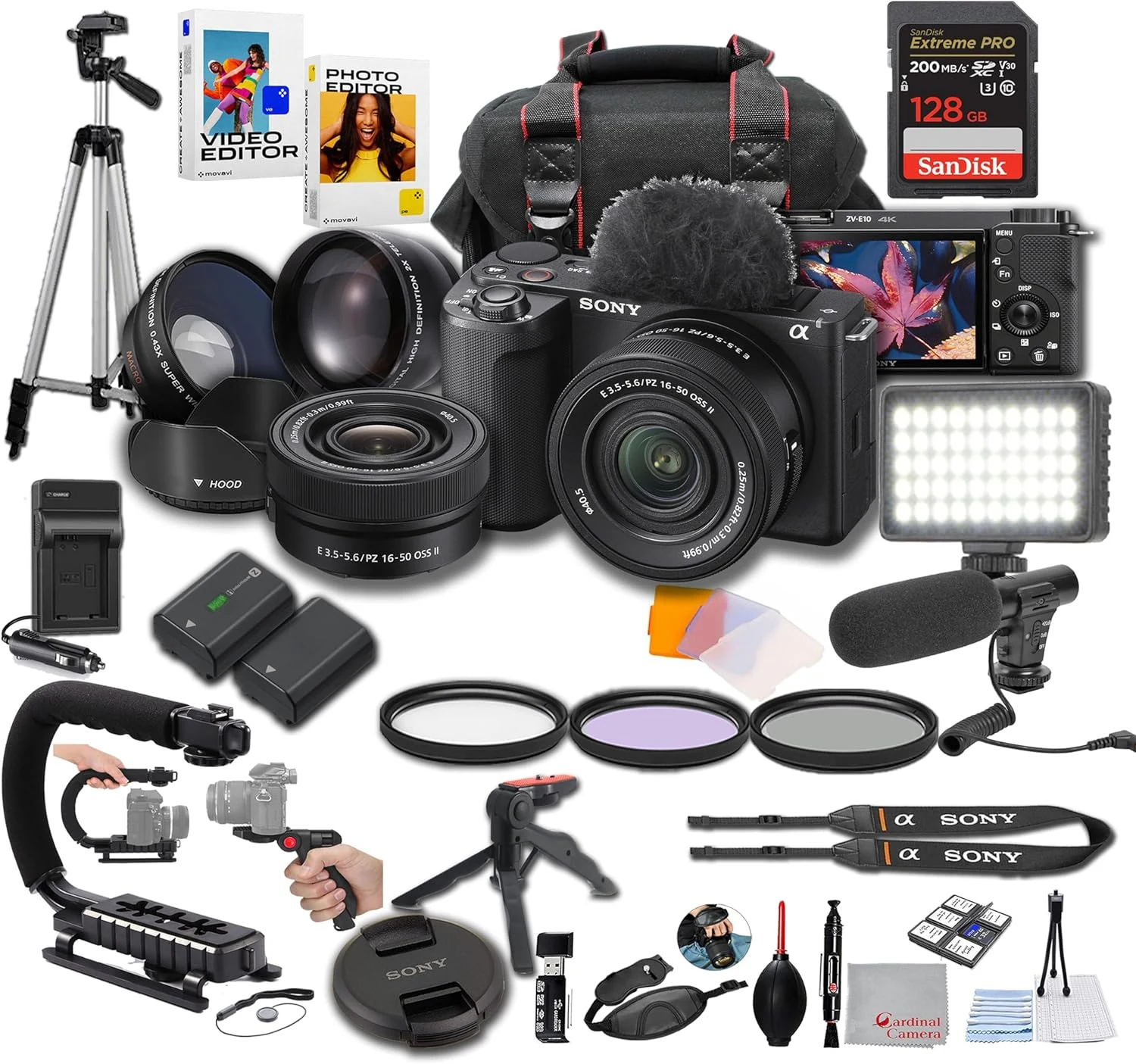
The Sony ZV-E10 II is a compact APS-C mirrorless camera built for vlogging and content creation, with a vari-angle screen, built-in microphone, and real-time Eye AF and tracking. This “pro video bundle” adds a 16-50mm lens plus a long list of accessories, but buyer experiences suggest the camera is the star, while some bundle items may be low-quality or low-priority depending on your needs.
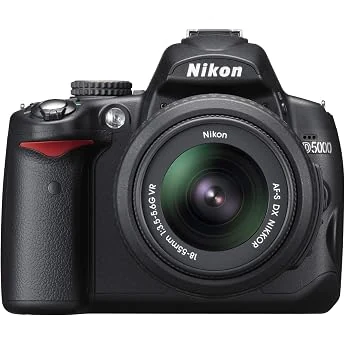
The Nikon D5000 is a beginner-friendly DX-format DSLR bundled with a stabilized 18-55mm zoom and a 2.7-inch vari-angle LCD for easier framing from different angles. It’s a solid option if you want a straightforward way to learn photography, especially for stills and simple 720p video, but you should plan on using compatible AF-S lenses for reliable autofocus.
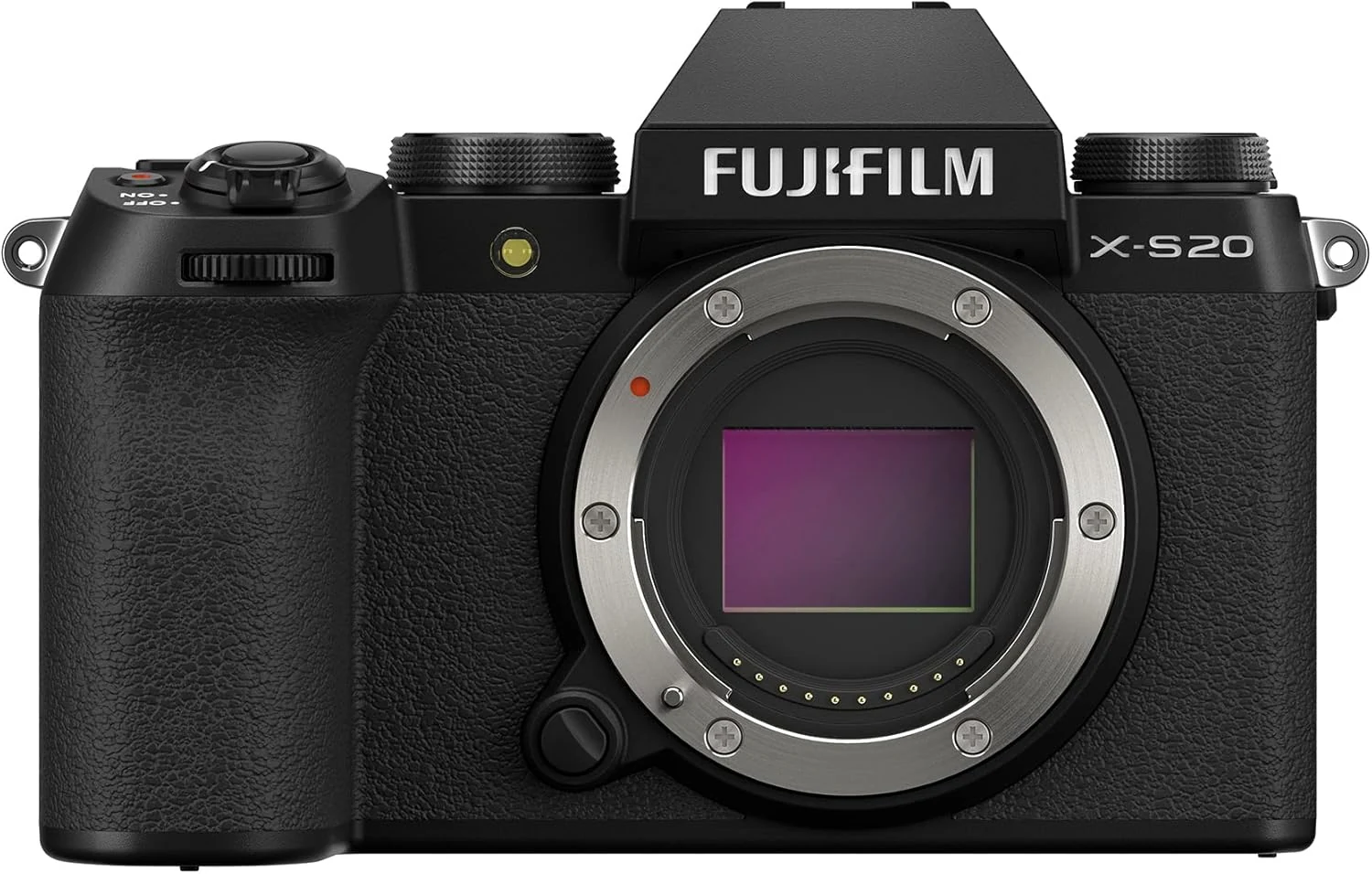
The Fujifilm X-S20 is a compact APS-H mirrorless body built for travel, vlogging, and everyday content. It combines a 26.1MP sensor, Fujifilm’s X-Processor 5, improved autofocus subject detection, and up to 7 stops of in-body stabilization, plus strong battery life for long shooting days. The main things to verify for your use case are thermals during extended video and whether you can live with the single-card-slot design.
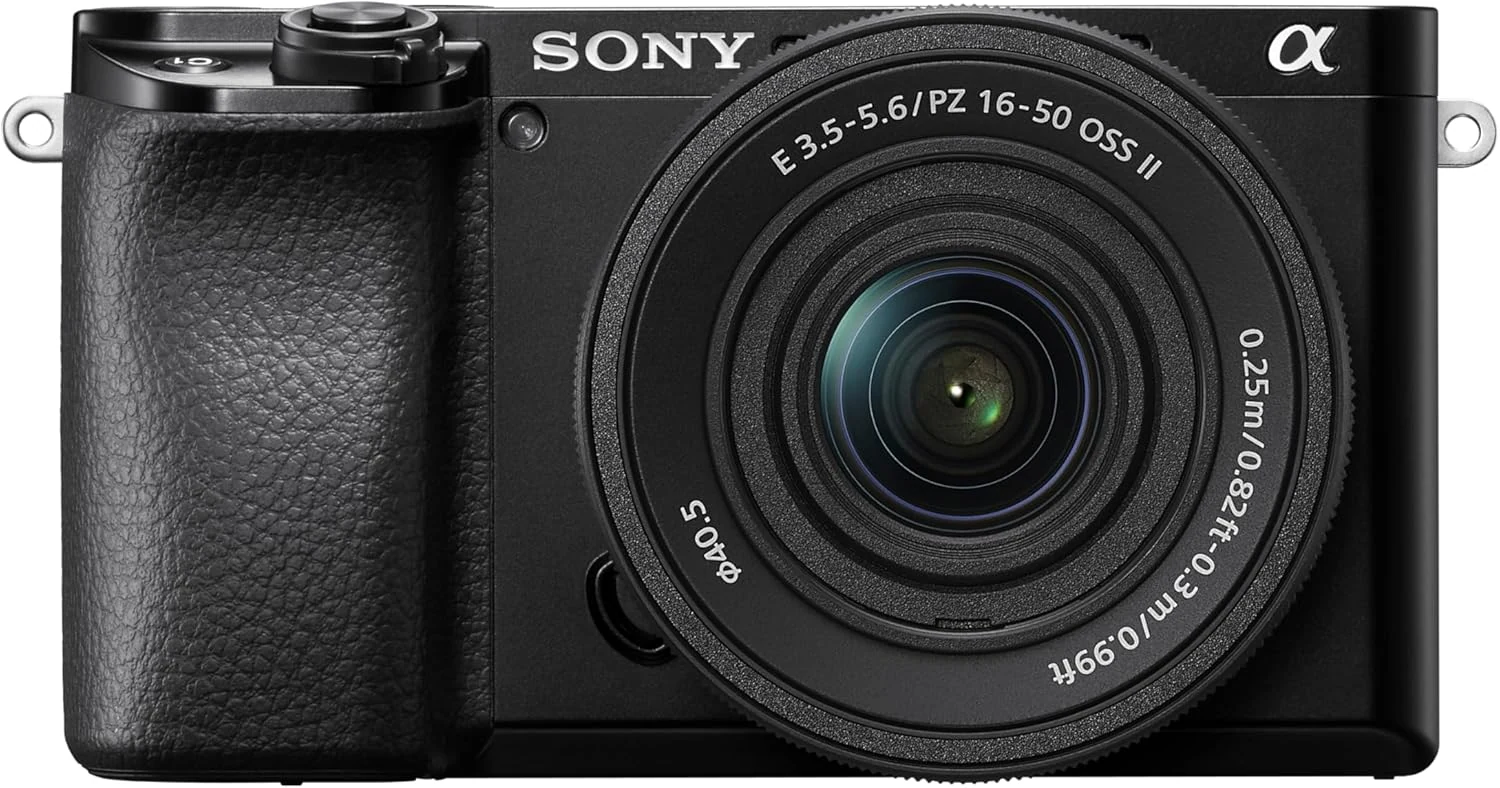
Sony’s Alpha 6100 with the E PZ 16-50mm kit lens is a compact APS-C mirrorless camera built for everyday travel shooting, strong autofocus, and straightforward 4K video. It’s a strong fit if you want light portability, reliable subject tracking, and an easy-to-use menu system, with the main tradeoff being that the kit lens limits low-light reach compared with faster lenses.
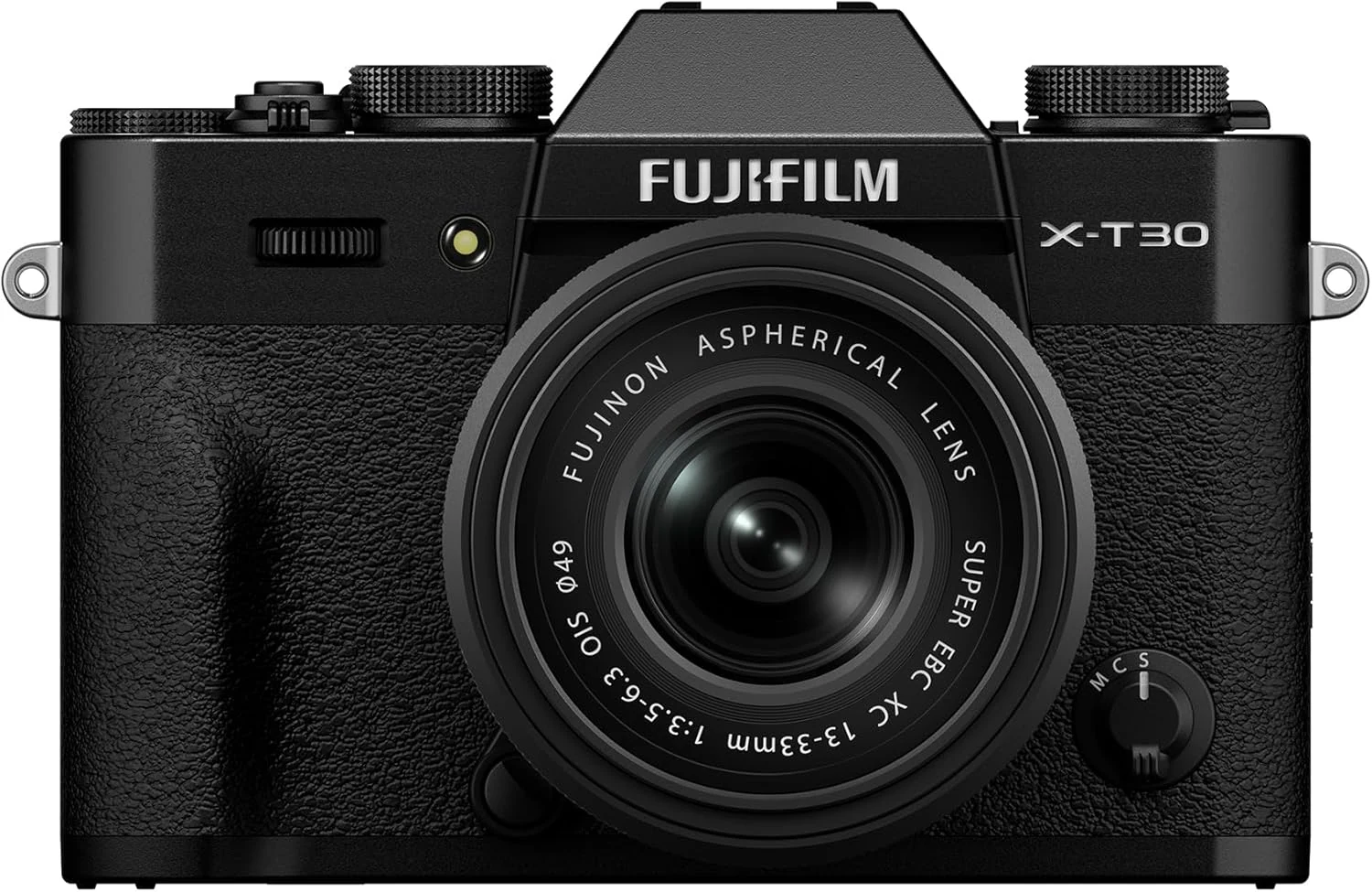
The FUJIFILM X-T30 III (with the XC 13-33mm OIS kit lens) is a compact APS-H mirrorless camera aimed at photographers who want great color straight out of the camera, quick autofocus, and easy handling. It is a strong fit for travel and family/street shooting, but buyers should expect a learning curve and plan for extra power since the kit has been noted as not including a charger.
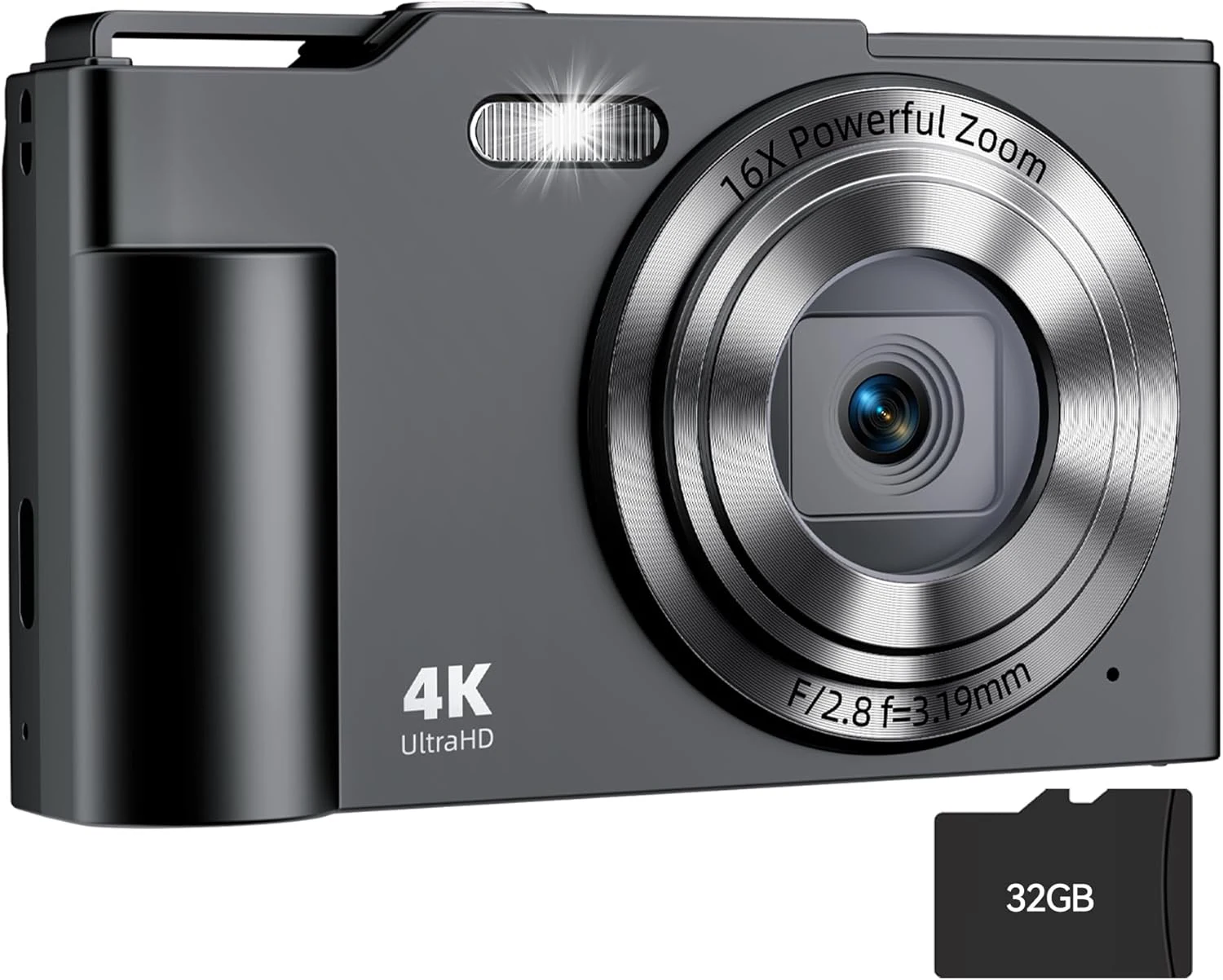
A small, kid-friendly point-and-shoot with 48MP stills, FHD video, and a 2.4-inch screen. It’s designed for quick, automatic shooting and includes creative filters plus useful extras like time-lapse, slow motion, and motion/face detection, with digital stabilization and mostly automatic control. Best for beginners who want a lightweight “real camera” experience, but autofocus can be slower for some scenes.
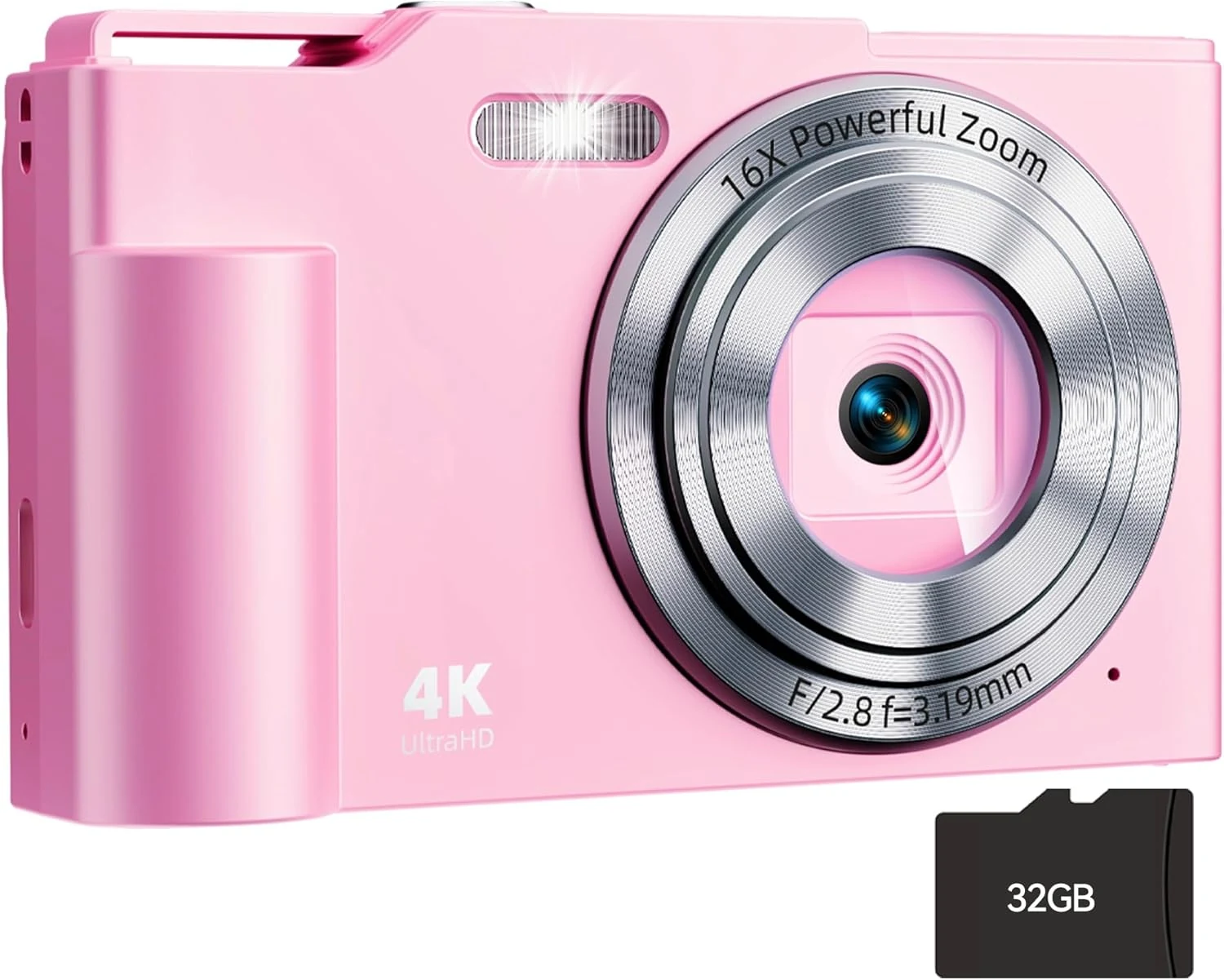
A small, easy-to-use point-and-shoot made for beginners, especially kids and teens. It supports FHD 4K video, 48MP stills, digital zoom, and multiple creative effects, with a compact 2.4-inch screen and a 32GB card included.
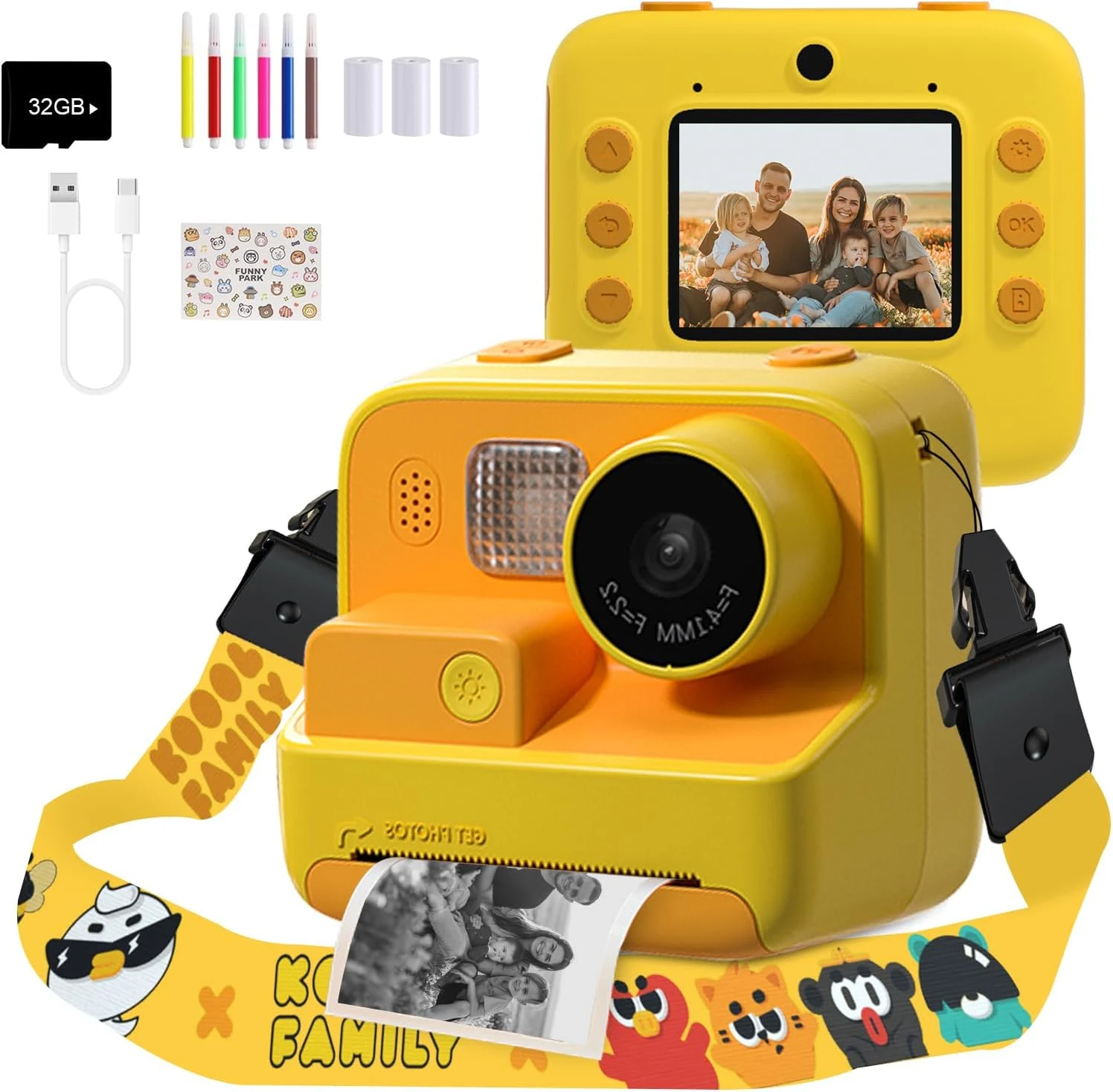
The Mafiti kids instant print camera is built around a simple idea kids can use right away: press a key to take a photo and print it immediately with thermal printing (no ink). It also includes front and rear dual lenses for selfies, 1080P video, a 2-inch IPS screen, and a 32GB TF card for storing images and videos, plus fun add-ons like frames and pens.
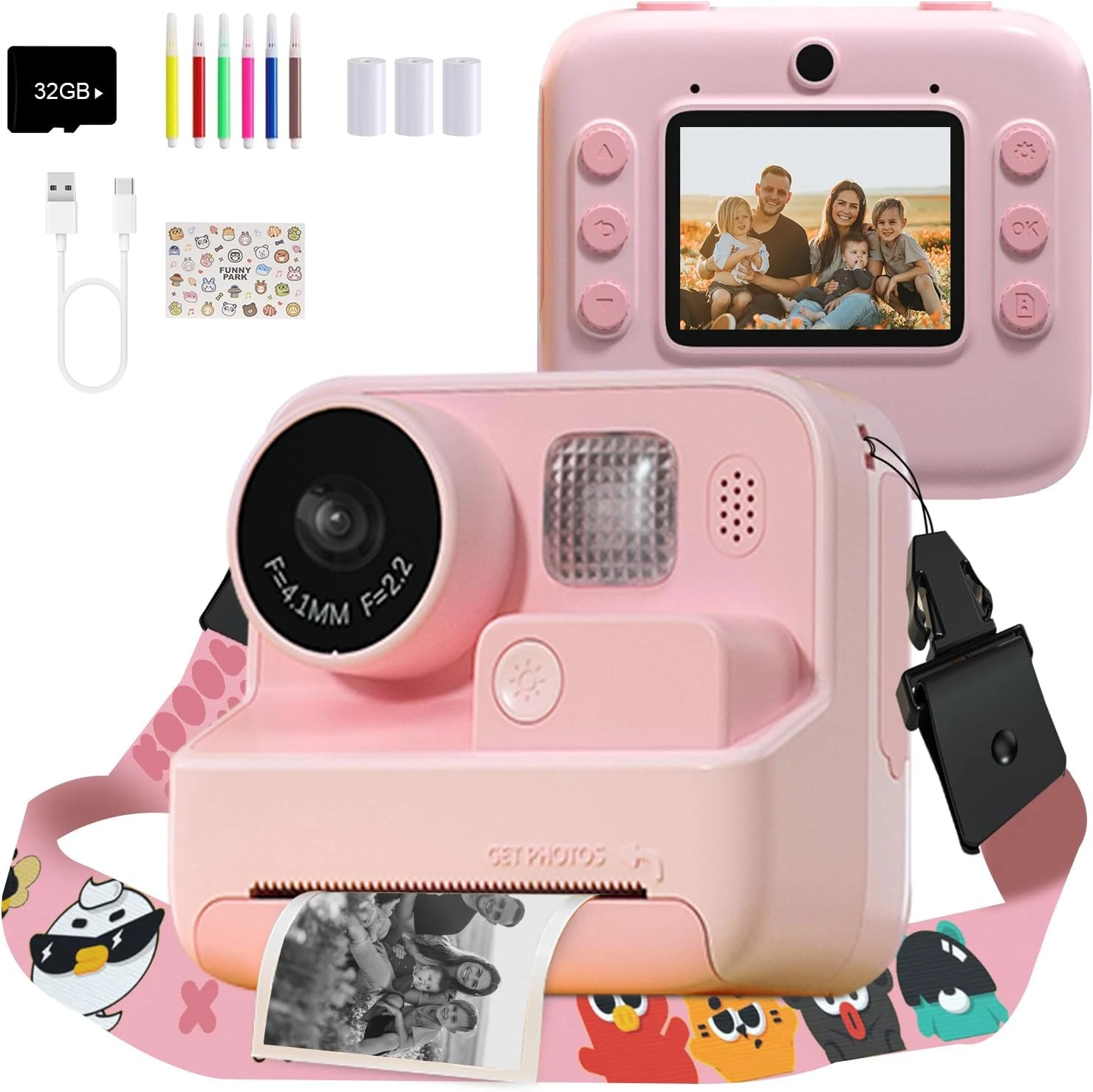
The Mafiti Kids Camera Instant Print turns photos into physical prints using thermal printing, so kids can snap shots, add filters, and print on demand without dealing with ink cartridges. It’s designed for ages 3 to 12 with a 2-inch IPS screen, dual lens selfie support, and a rechargeable 800mAh battery, but you’ll want to budget for paper refills since print counts depend on the included rolls.
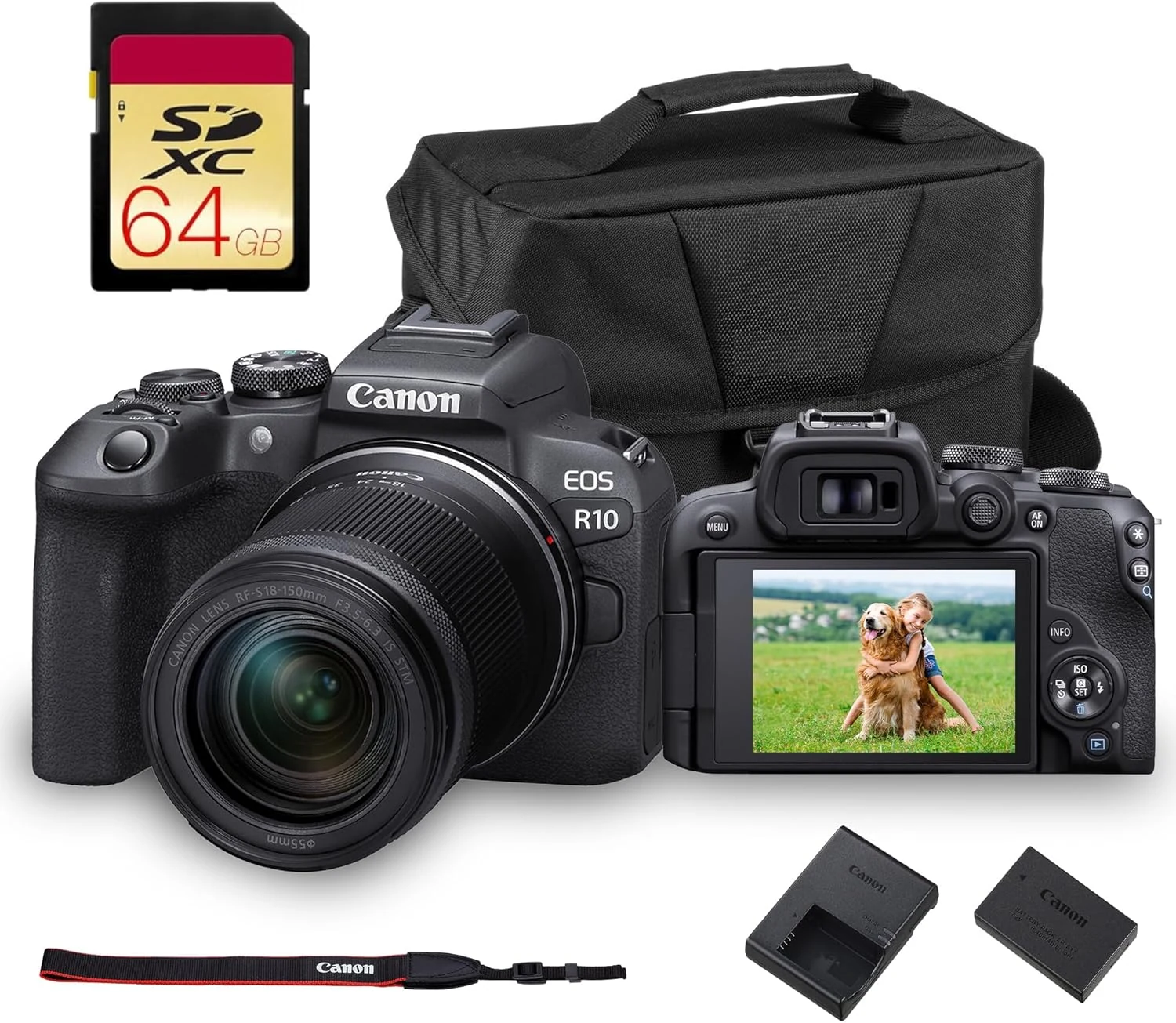
The Canon EOS R10 is a compact APS-C mirrorless camera built for both photos and 4K video, pairing a 24.2MP sensor with Dual Pixel AF II subject detection. With an included RF-S 18-150mm all-in-one lens, it is a strong travel and everyday option, especially if you value fast burst shooting and easy connectivity. The main tradeoff is that you are buying into the Canon RF-S lens ecosystem and a single-lens “do-everything” range, not a specialist telephoto or ultra-wide setup.
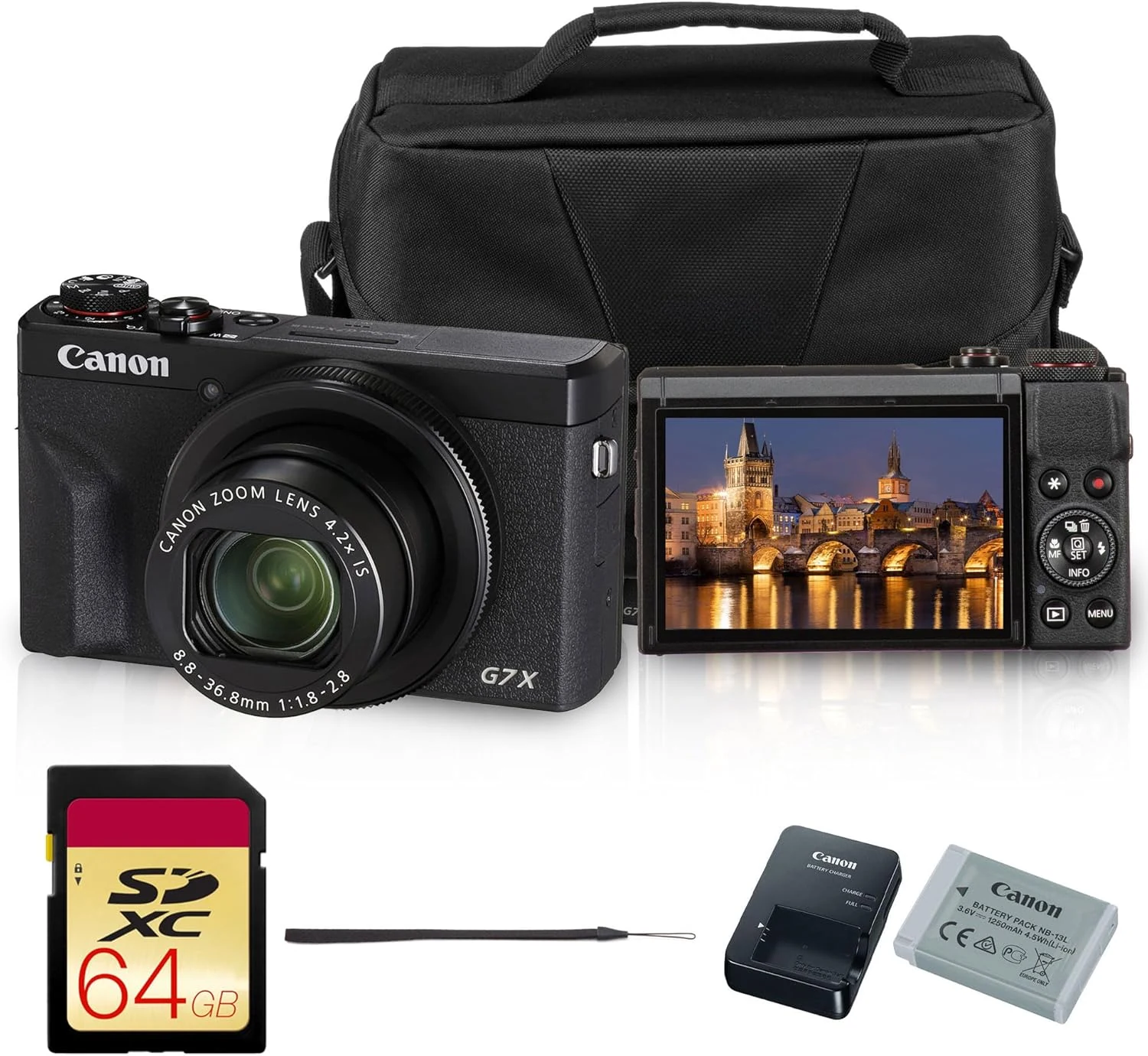
The Canon PowerShot G7 X Mark III bundle is a compact, creator-friendly point-and-shoot with a 1-inch 20.1MP sensor, 4K UHD video, a flip-up touchscreen, and built-in Wi‑Fi and Bluetooth for fast sharing. It’s a strong fit for travel and vlogging, especially if you want a small camera with an external mic input, but the bundle’s value depends on whether you need dedicated camera controls beyond a smartphone.
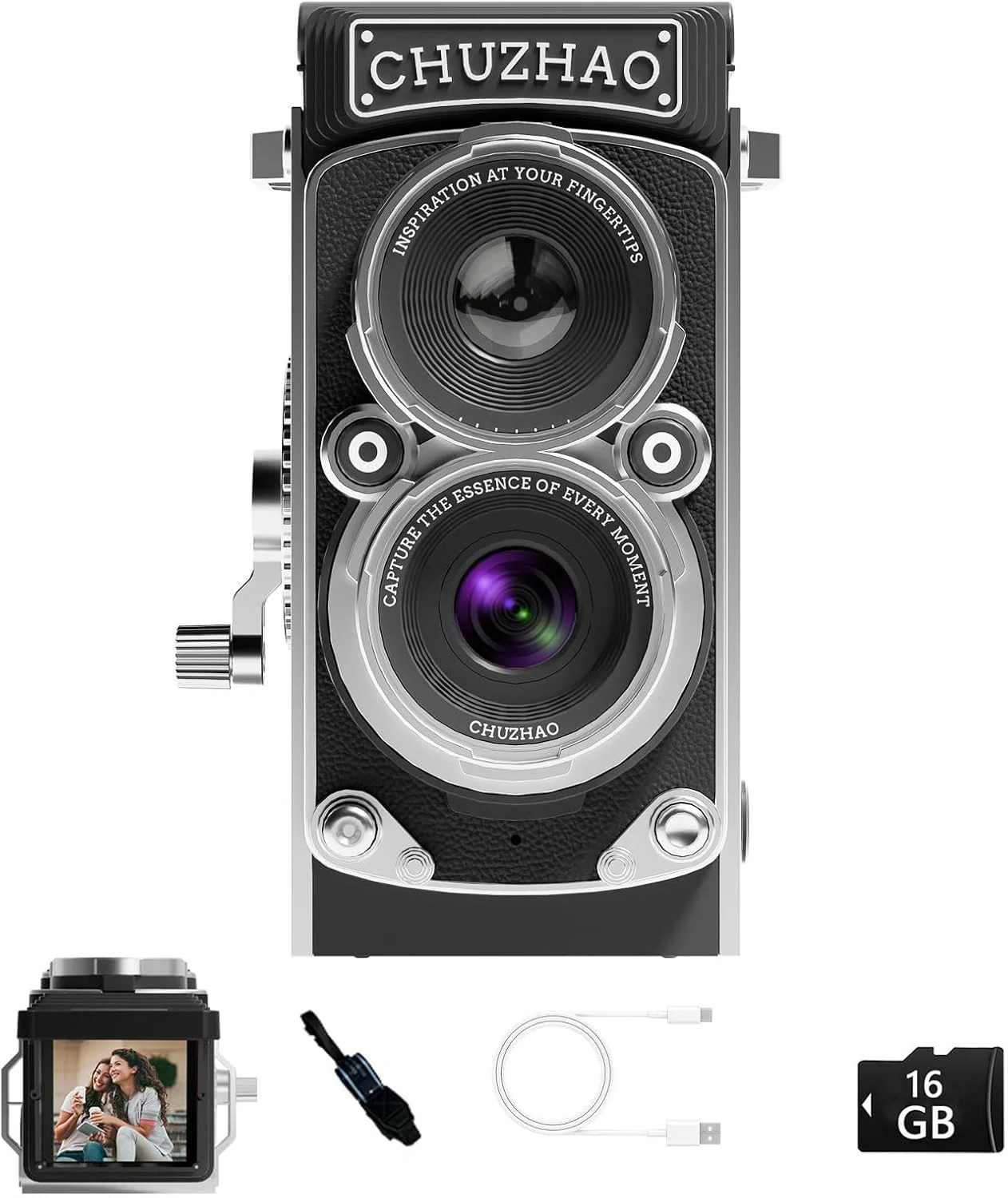
The CHUZHAO Vintage Mini Digital Camera is a pocket-friendly, retro-style point-and-shoot built for fun, square-format lo-fi vibes, and easy autofocus for everyday snapshots and short 1080p video. It is best for beginners and gifting, especially if you want a nostalgic camera you can carry everywhere, but it does not aim to replace a phone or a serious camera in low light or for zooming.
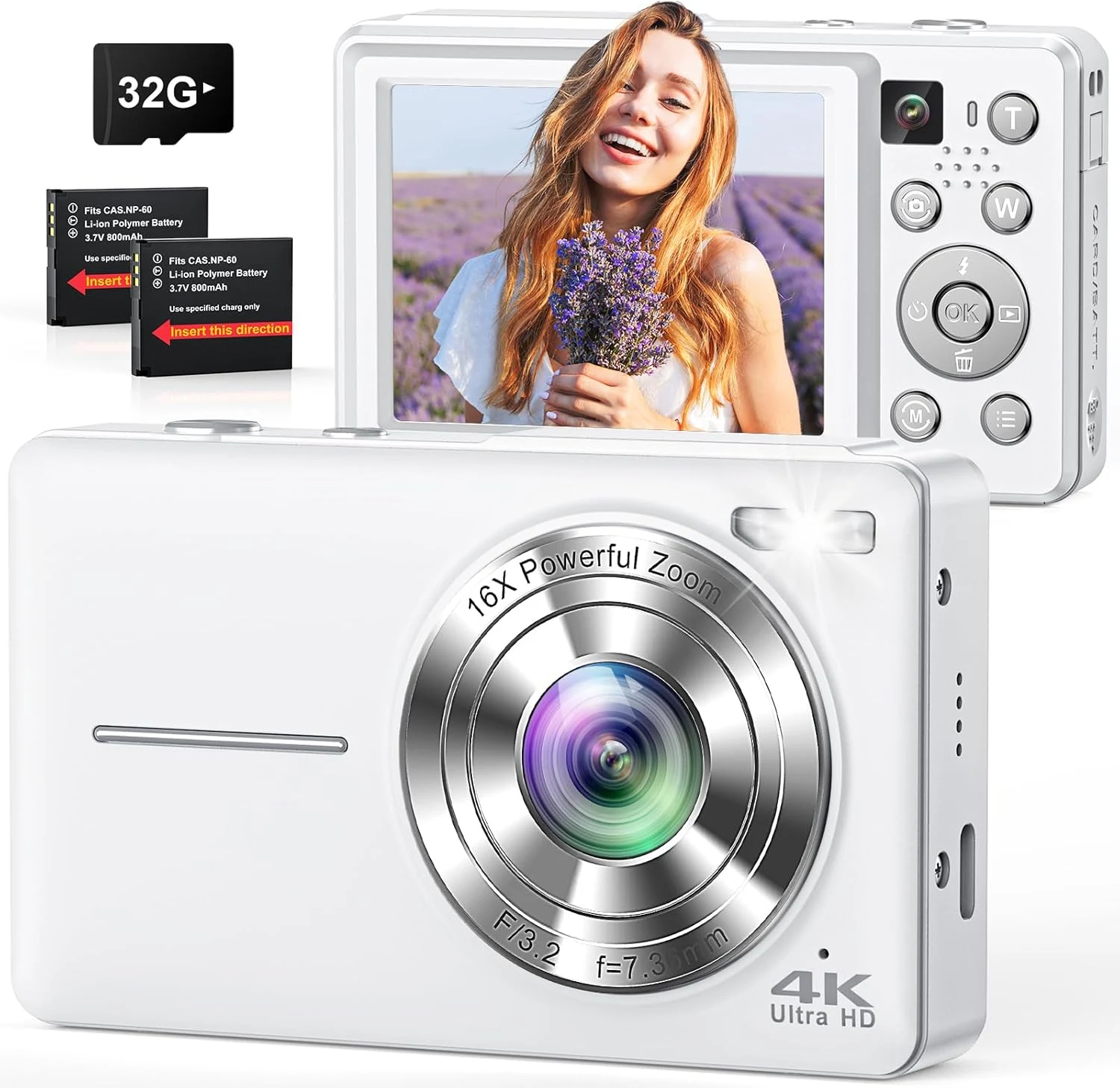
A compact point-and-shoot built for easy 4K video, 64MP photos, and simple vlogging with front and rear cameras. It’s lightweight, beginner-friendly, and often praised for value, but image quality is described as “good but not great,” so it’s best for casual creators and learning rather than demanding camera work.
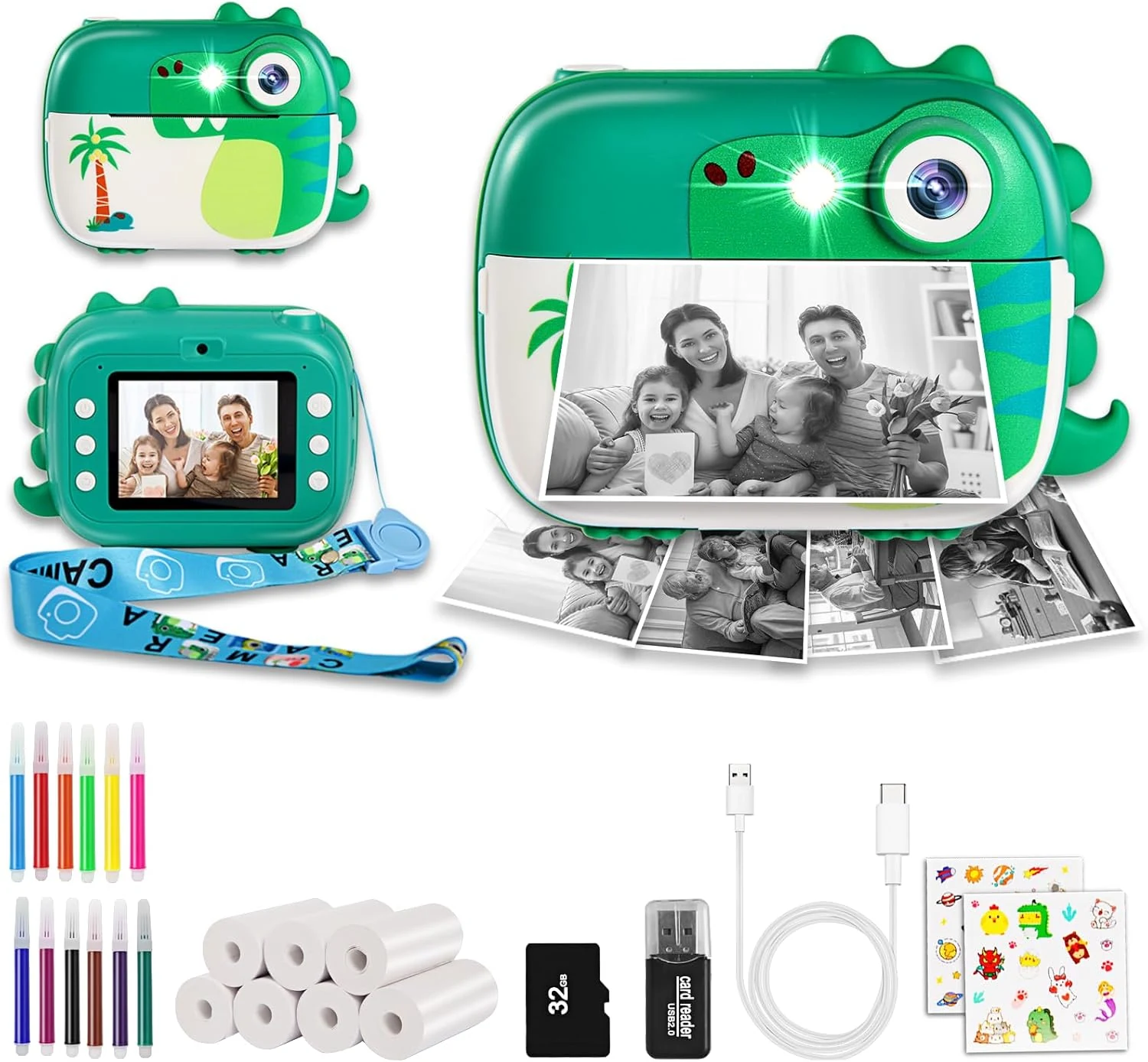
A kid-friendly instant print camera that combines 1080P video, a 2.4-inch eye-protecting screen, and quick photo printing. It’s designed for ages 3–12 and comes bundled with 7 rolls of thermal paper, pens, and stickers, with a built-in rechargeable battery and a microSD-style card option for storing media.
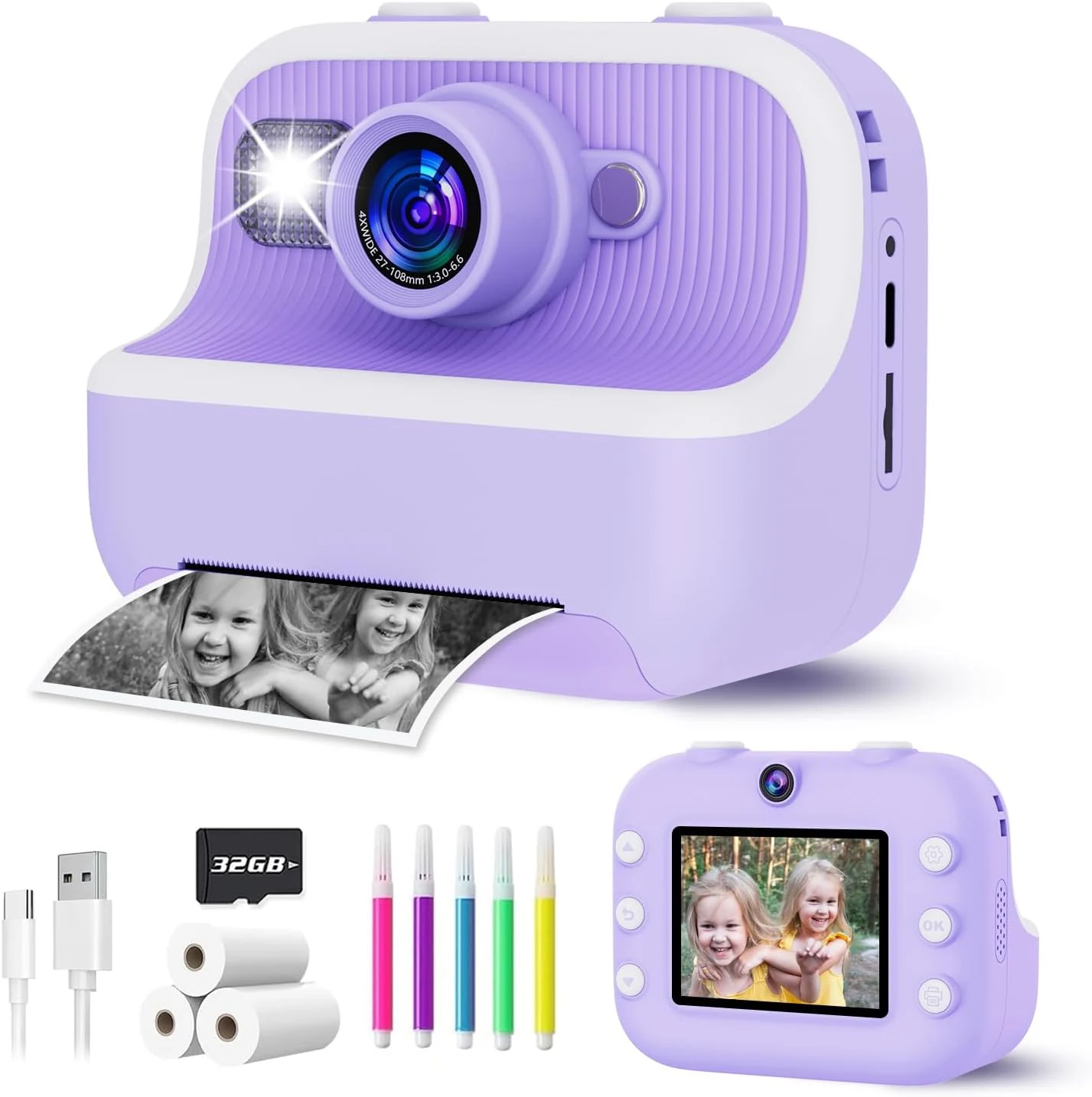
An easy kids’ instant print camera that captures photos and prints them right away in black and white. It includes dual cameras for selfies, a 2.4-inch screen, 1080P video, and thermal paper plus markers for decorating, with a focus on fun and hands-on creativity for ages roughly 3 to 12.
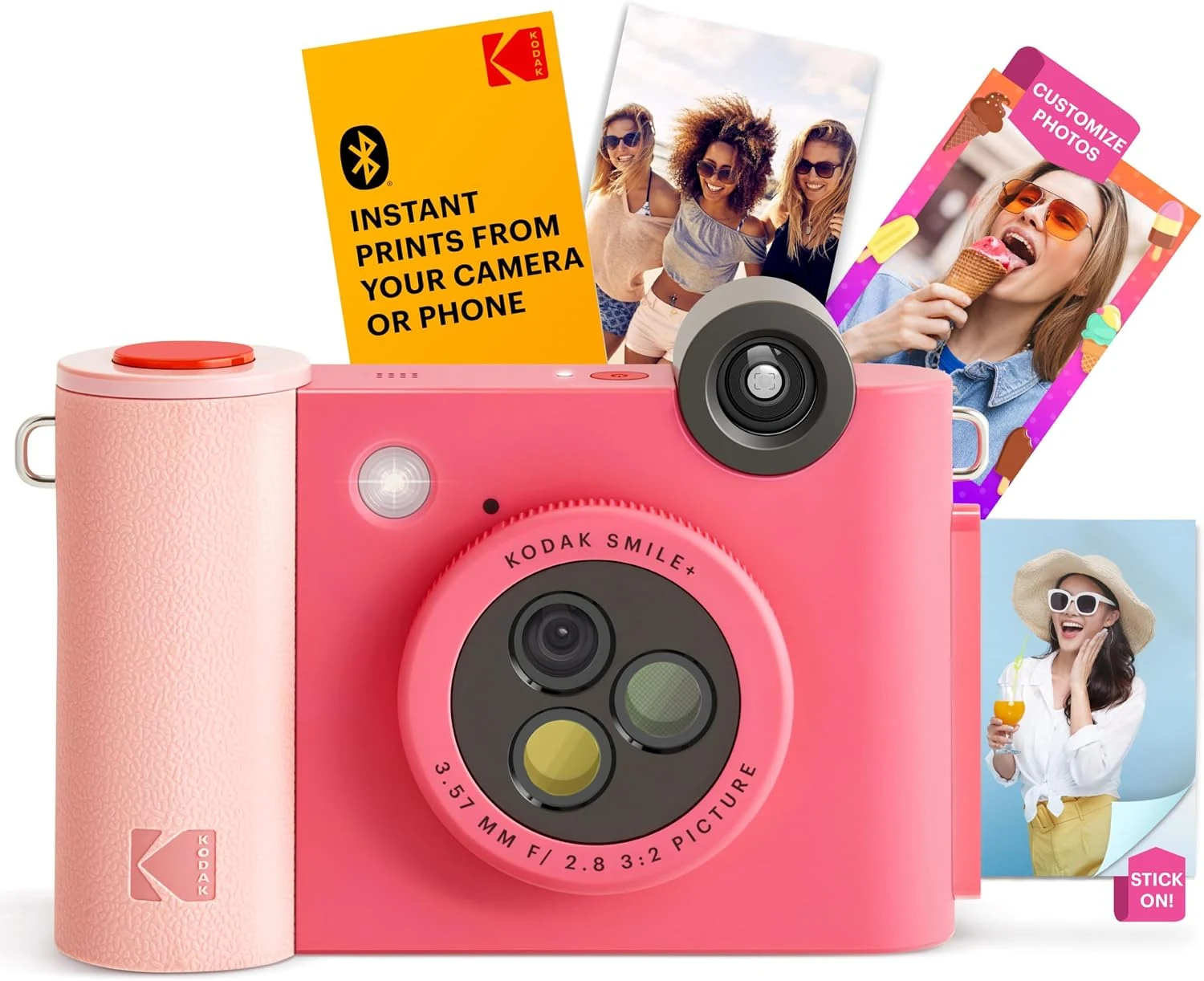
The Kodak Smile+ pairs a compact instant-style camera with a wireless Bluetooth print workflow using Zink 2x3 sticky-back paper. It’s designed for easy, fun photo printing with built-in effect filters, but it may be less forgiving in low light and is housed in a very lightweight, plastic-focused body.
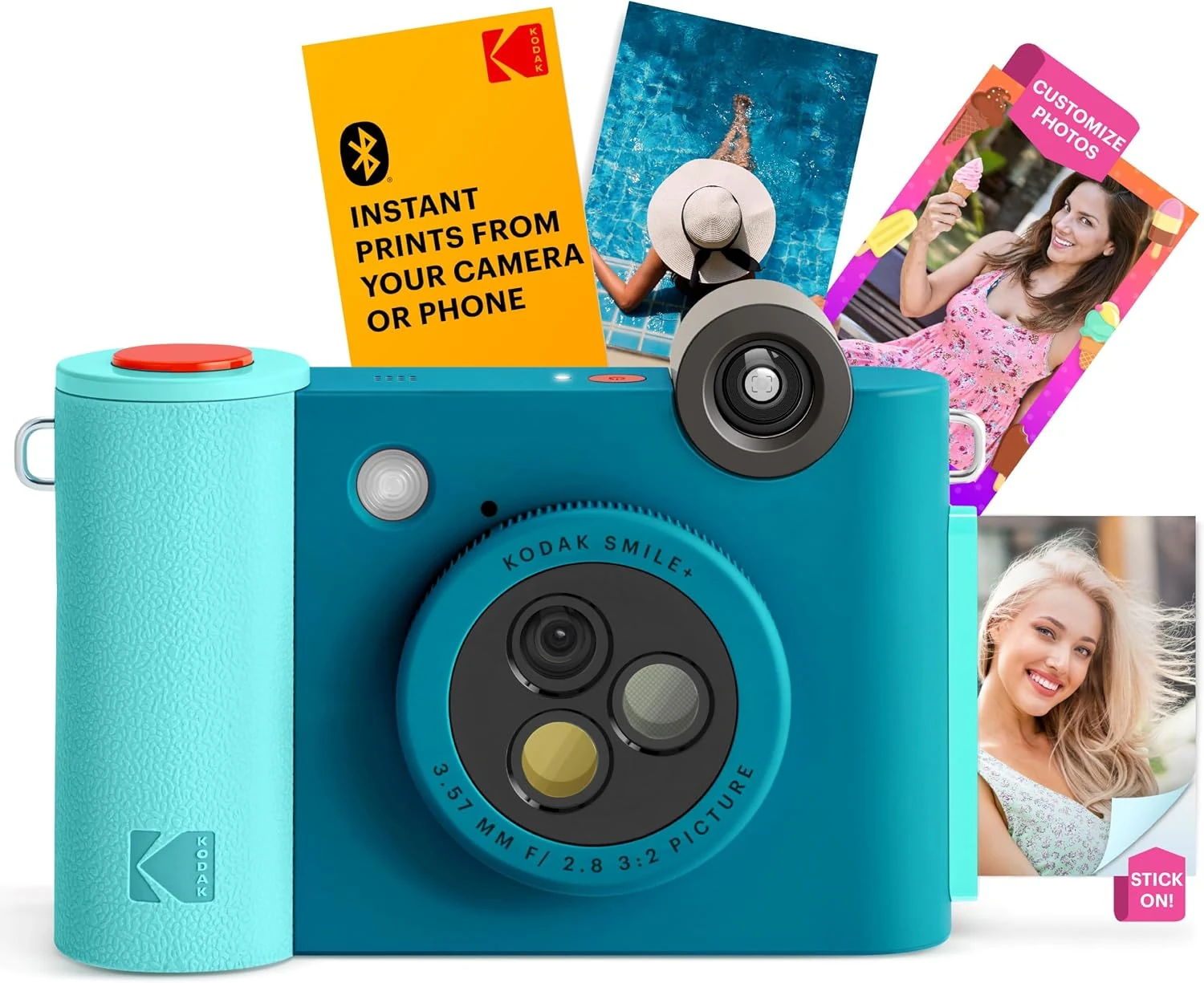
The Kodak Smile+ combines a compact 10MP instant camera with a wireless Bluetooth printer that outputs colorful, ink-free 2 x 3-inch Zink sticky-back photos. It’s designed for easy sharing and playful effects, but it’s a lighter, plastic-bodied camera that tends to need good lighting for sharper results.
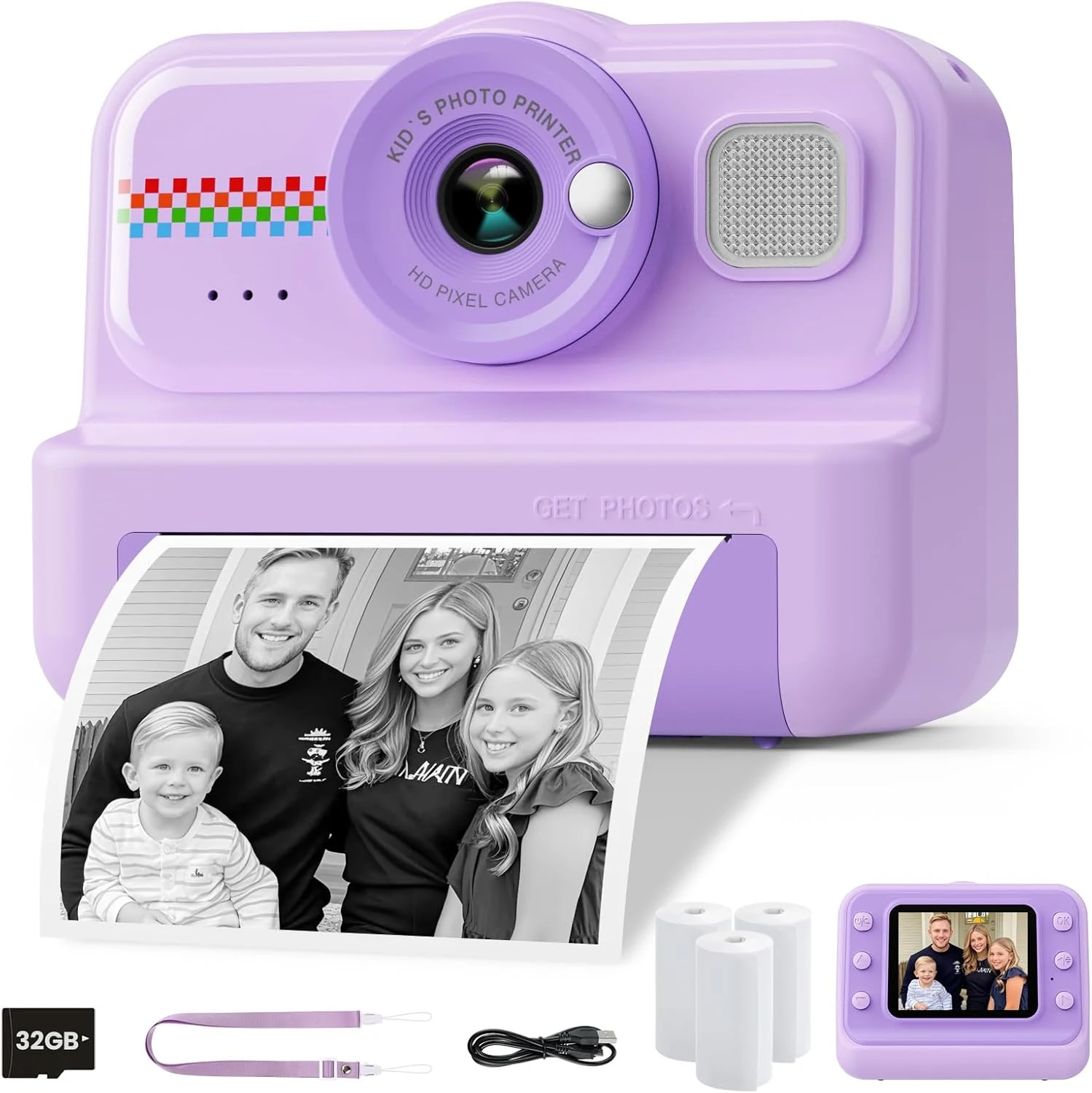
The HiMont Kids Camera Instant Print is a kid-friendly instant print camera that captures 1080P video, uses a built-in thermal-style printer for immediate photos, and includes a 32GB memory card plus 3 rolls of printing paper. It is best for children who want take-and-print fun and for parents who prioritize creative play over sharp, adult-level photo detail.
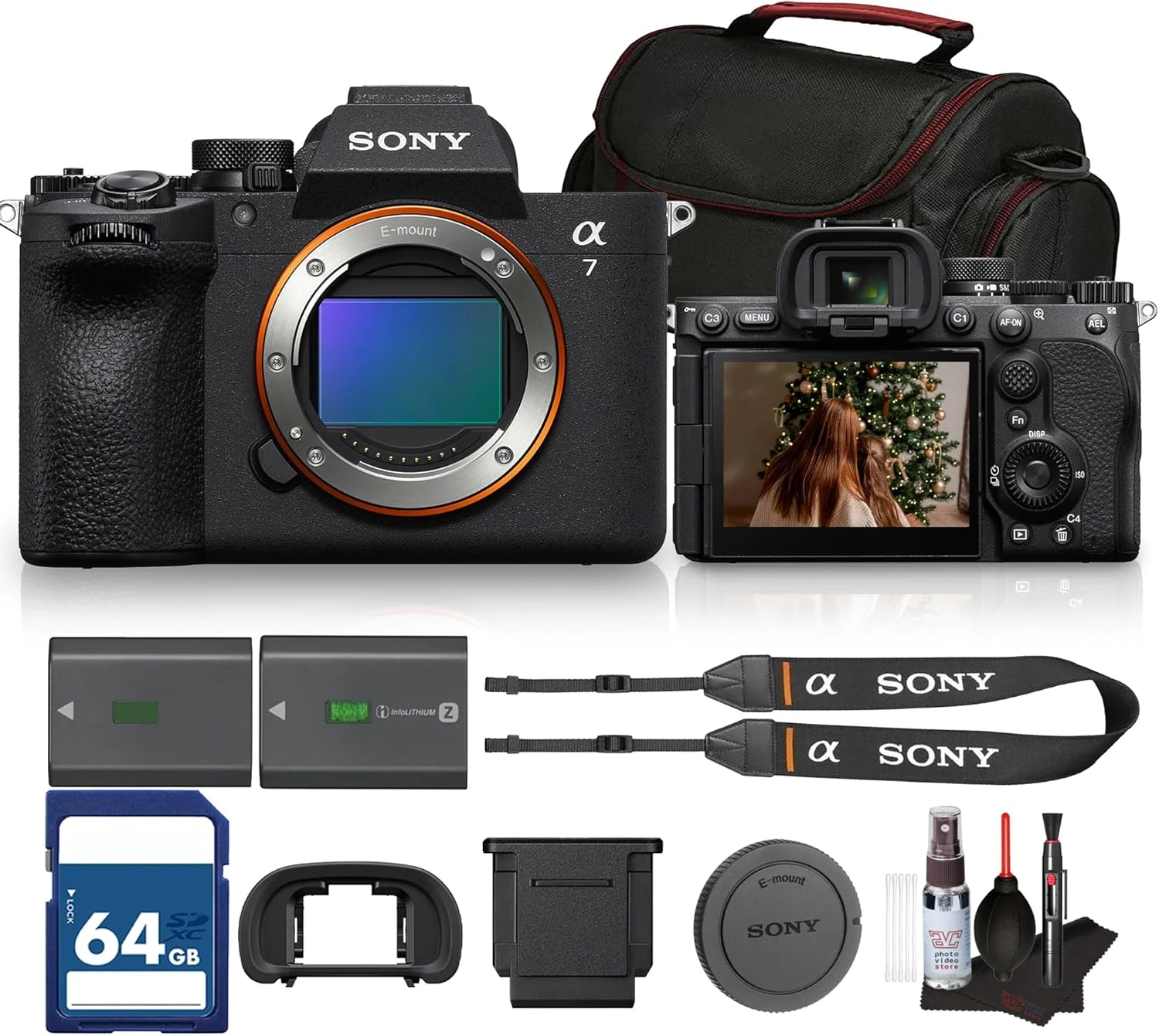
The Sony a7 V is a full-frame E-mount mirrorless camera built for creators who want one body that can handle fast action photography and advanced video. Its 33MP partially stacked sensor, AI-driven subject recognition, 30 fps electronic shooting, and oversampled 4K up to 60p make it a compelling hybrid option. The main tradeoff to consider is software/RAW compatibility for some Apple workflows, plus you may want to confirm the exact card and file workflow you plan to use.