Canon EOS R6 Mark II Body
The Canon EOS R6 Mark II body is a full-frame mirrorless camera for buyers who want a single body for stills and video without moving into Canon’s higher-priced flagship tier. The supplied specs point to fast burst shooting, subject detection for a wide range of subjects, in-body stabilization, and Canon RF mount compatibility. The key question is whether those strengths justify the listed $1,999 body-only price for your workflow and lens setup.
Pros
- Fast subject detection covers people, animals, cars, motorcycles, horses, trains, and aircraft.
- In-body stabilization and a vari-angle touchscreen suit handheld shooting and flexible framing.
- 6K-oversampled 4K and high-frame-rate Full-HD make it a capable hybrid body.
- RF mount support can help if you already own Canon lenses or use adapted EF glass.
Cons
- Body-only pricing means lenses and possibly an adapter can add to the total cost.
- At $1,999, it is a serious buy if you only need casual stills or basic video.
- The specifications suggests strong battery life, but long-day shooting still calls for spares.
What this model is
This is the Canon EOS R6 Mark II body only, model 5666C002, in Canon’s full-frame mirrorless EOS R line. It is a 24.2-megapixel camera with a Canon RF mount, so it is aimed at buyers who want the body first and will either use existing lenses or build out a new system around it.
Who it fits best
The clearest fit is for people shooting events, action, portraits, wildlife, or mixed photo/video work. The supplied specs emphasize fast continuous shooting and broad subject detection, which are useful when subjects move quickly or unpredictably. It also makes sense for someone already invested in Canon RF lenses or adapted EF glass, because the body-only format keeps the purchase focused on the camera itself rather than a kit lens you may not need.
Where the trade-offs start
The main drawback of the body-only setup is total system cost. If you do not already have compatible lenses, the real expense rises quickly once you add optics and, if needed, an adapter. That matters here because the camera’s value depends less on the body alone than on how easily it slots into your current kit.
Photo and video strengths
On paper, this is a hybrid camera rather than a video-first model. It can record 6K-oversampled uncropped 4K up to 60 fps and Full-HD up to 180 fps, with up to 6 hours of continuous Full-HD recording.
What the reviews can and can’t tell you
The review sample is positive, but it is still just a sample. The comments consistently praise autofocus, ergonomics, low-light use, and battery life, and several buyers frame the camera as a strong upgrade from entry-level bodies. One reviewer notes using adapted Canon lenses, which supports the idea that the RF ecosystem is important to the value story. Even so, these are individual experiences, not proof of overall reliability, failure rates, or a universal consensus.
How it compares with the alternatives
The Sony Alpha 7 IV is the closest same-price alternative at $1,998. Its listed 33MP sensor and stronger video-oriented specs may appeal if you want higher resolution or prefer Sony’s feature set. The Sony a7 III is cheaper at $1,698 and includes a 28-70mm lens, which may suit buyers who want a full starter package rather than a body-only purchase. The Canon R50 is much less expensive at $799 and uses an APS-C sensor, so it is a different class of camera for shoppers prioritizing cost over full-frame handling and higher-end body features.
The buying decision
Choose the R6 Mark II if you want a full-frame Canon body for demanding stills and hybrid use, and you already have compatible lenses or plan to buy into the RF system. Skip it if you want the lowest entry cost or a kit lens included.
Product details and Amazon customer ratings as of .
Available variants
Set
- w/ Stop Motion
- Body Only
- 24-105 STM Kit
Recommended next
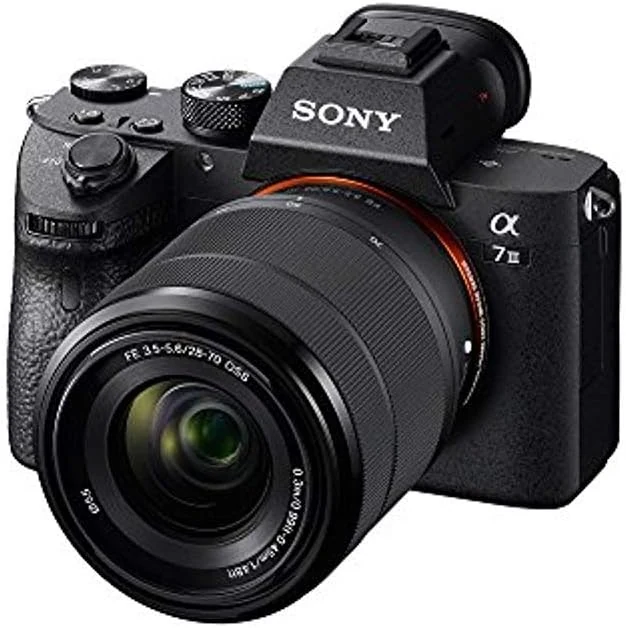
Sony a7 III with 28-70mm Kit Lens
A full-frame Sony starter kit with strong autofocus specs and a basic zoom lens; a sensible pick for stills buyers who may want to upgrade the lens later.
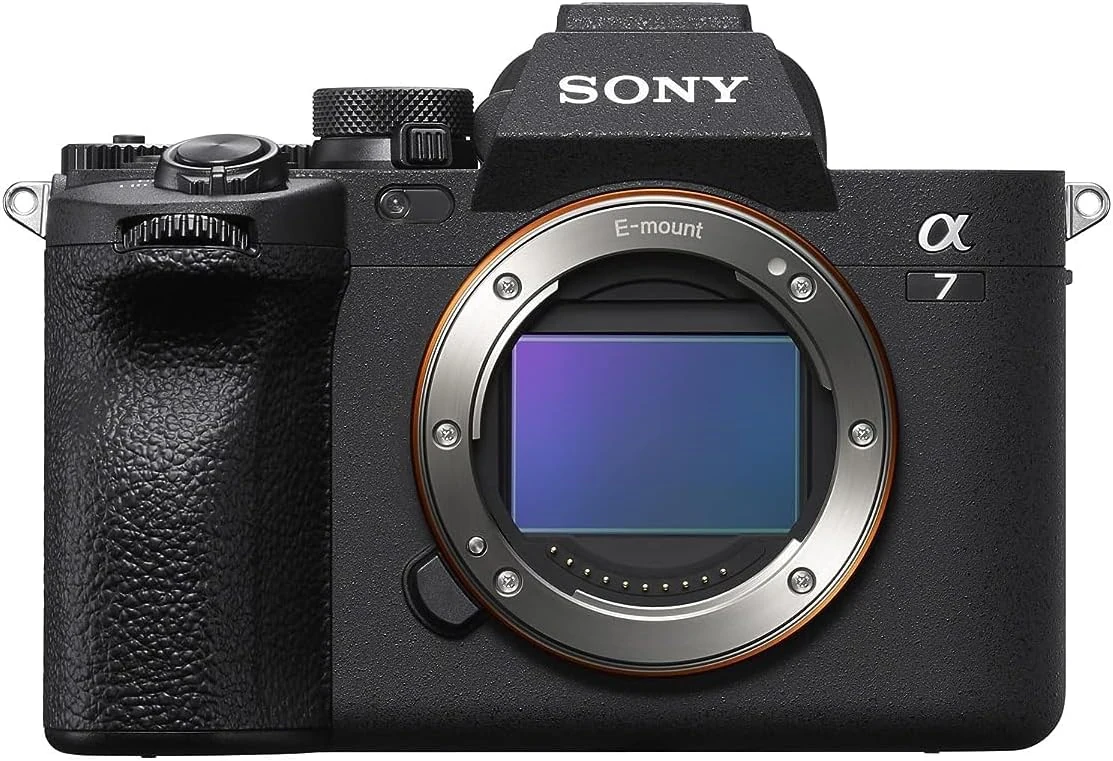
Sony Alpha 7 IV full-frame mirrorless camera
A full-frame hybrid body with 33MP stills and up to 4K 60p video. It suits creators who want one Sony E-mount camera for photo and movie work, but it is not the cheapest or smallest option.
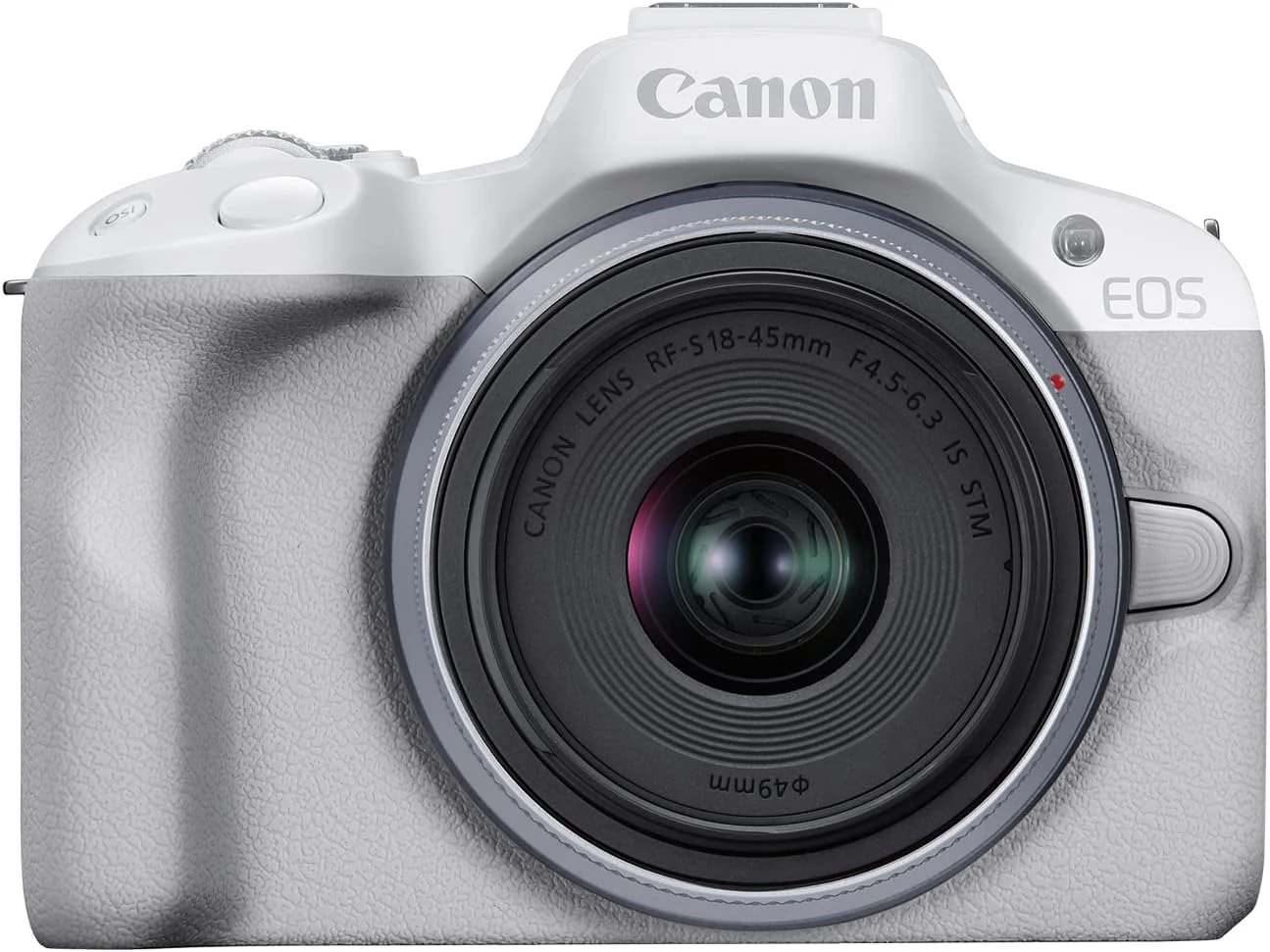
Canon EOS R50 White RF-S18-45mm Kit
A compact APS-C mirrorless kit for first-time buyers and casual creators, with helpful autofocus and 4K video, but a small body and starter lens that may not suit everyone.
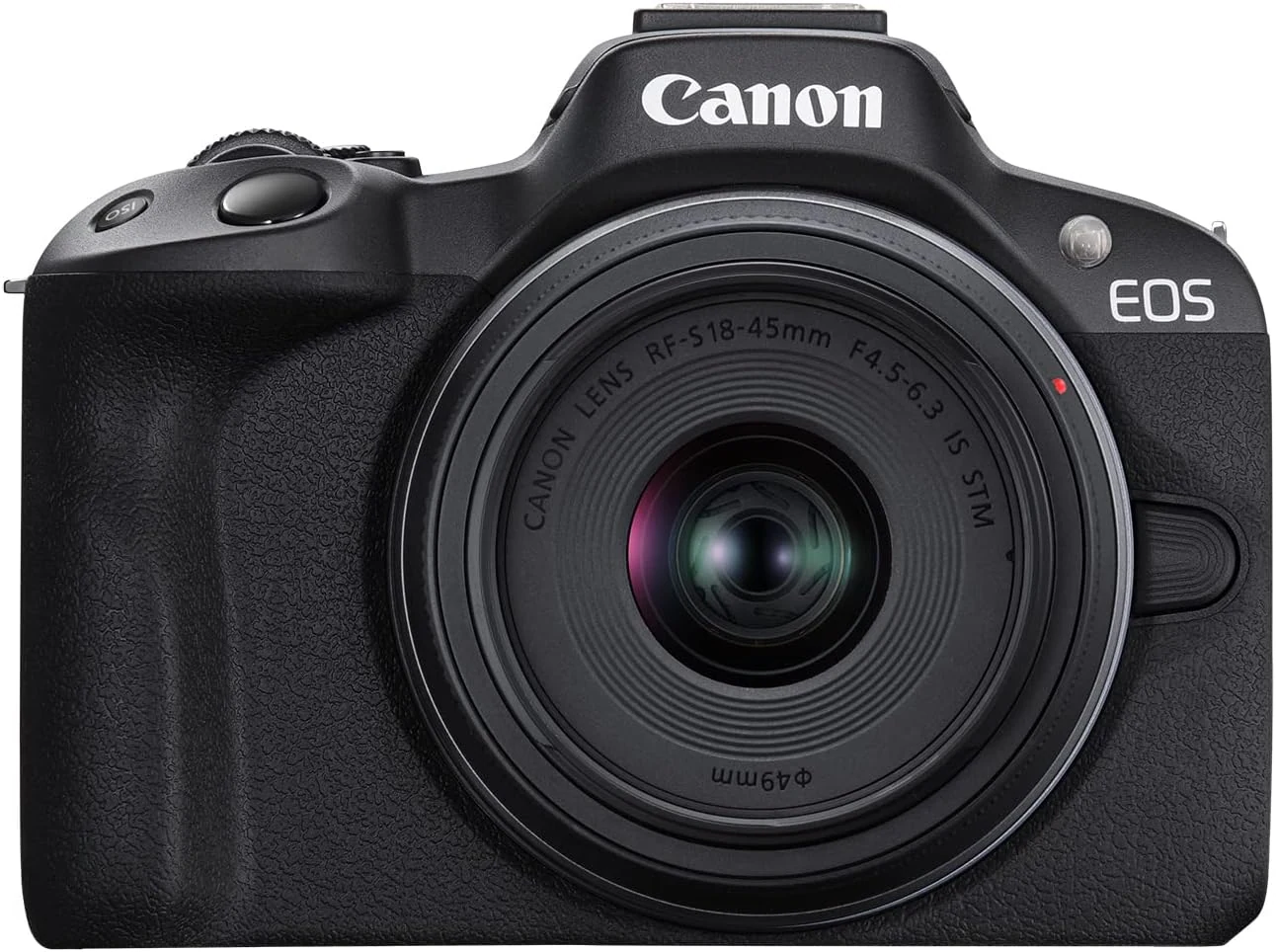
Canon EOS R50 RF-S18-45mm Kit
A beginner-friendly APS-C mirrorless kit with strong autofocus, 4K video, and a compact body; the bundled lens and small grip are the main trade-offs.