Sony Alpha 7 IV full-frame mirrorless camera
The Sony Alpha 7 IV is positioned as a full-frame hybrid body for shoppers who want both high-resolution stills and serious video features in one camera. The supplied specs point to a 33MP sensor, BIONZ XR processing, 5-axis sensor-shift stabilization, and video up to 4K 60p 10-bit 4:2:2. That makes it a practical option for advanced enthusiasts and creators who want a single Sony E-mount body for mixed photo and movie use.
Pros
- 33MP full-frame sensor gives more still-image resolution than 24MP rivals.
- Up to 4K 60p 10-bit 4:2:2 video broadens its appeal to hybrid shooters.
- Sensor-shift stabilization may help handheld shooting.
- Sony E mount keeps it in a large lens ecosystem.
Cons
- Not the smallest body; size may matter if portability is key.
- Body-only pricing is still a significant full-frame investment.
- Some nearby alternatives are cheaper or tuned for different priorities.
Who it suits
The Alpha 7 IV makes the most sense if you want one body that can cover both stills and video without leaning too far toward either side. The 33MP sensor is a useful middle ground: enough resolution for detailed photos and cropping, but not so high that files become unnecessarily heavy for everyday work.
It also fits creators who want modern video features in a stills-capable body. Features include 4K 60p recording, 10-bit 4:2:2, 7K oversampling for 4K 30p, and an S-Cinetone profile. Those are meaningful on-paper strengths for content creation, interviews, events, and similar hybrid use cases.
Main trade-offs
The biggest trade-off is that this is still a full-frame mirrorless body, so it is not the lightest or cheapest route into Sony’s system. One review excerpt describes the body as noticeably thicker than an original A7, which is consistent with the idea that newer hybrid bodies tend to prioritize handling and features over compactness.
Review snippets are broadly positive about autofocus, stabilization, and battery life, but those comments are individual opinions rather than test results. They are worth noting, but not treating as proof.
Specs worth paying attention to
These are the kinds of details that affect compatibility and handling more than headline marketing language does.
The model number shown is ILCE7M4/BQ, which is useful if you are comparing bundles or regional listings.
How it compares with nearby alternatives
Compared with the Canon EOS R6 Mark II at a very similar supplied recorded price, the Sony offers higher still resolution at 33MP versus 24.2MP. Canon’s listed strengths lean more toward burst shooting and broader subject-detection claims, so the better choice depends on whether you value still detail or action-oriented features more.
Compared with the Sony a7 III bundle, the A7 IV is the newer body and the more capable hybrid choice on the supplied specs.
Compared with the Canon EOS R50, this is a different class of camera. The R50 is much cheaper and APS-C, so it suits lighter budgets and simpler needs. The A7 IV is the choice if you specifically want full-frame and are prepared for the higher cost that comes with it.
Price and buying check
That suggests a substantial discount, but it is still only a recorded price, not live market data. It is worth checking whether you are comparing body-only pricing against kits, since that changes the value equation.
Before buying, confirm that you actually need a full-frame Sony E-mount body and that your lenses, cards, and storage can support the workflow it implies. If you already own Sony E-mount glass or want a capable all-rounder for both stills and video, it is a sensible candidate. If compact size or lower cost matters more, it is not the obvious pick.
The buying decision
Choose the Sony Alpha 7 IV if you want a serious full-frame Sony E-mount hybrid body with 33MP stills and strong video specs. Skip it if you want the lowest-cost or smallest mirrorless option, or if you are not sure full-frame is necessary.
Product details and Amazon customer ratings as of .
Available variants
Style
- w/ 2025 28-70mm lens
- Body Only
- w/ 2026 28-70mm lens
Recommended next
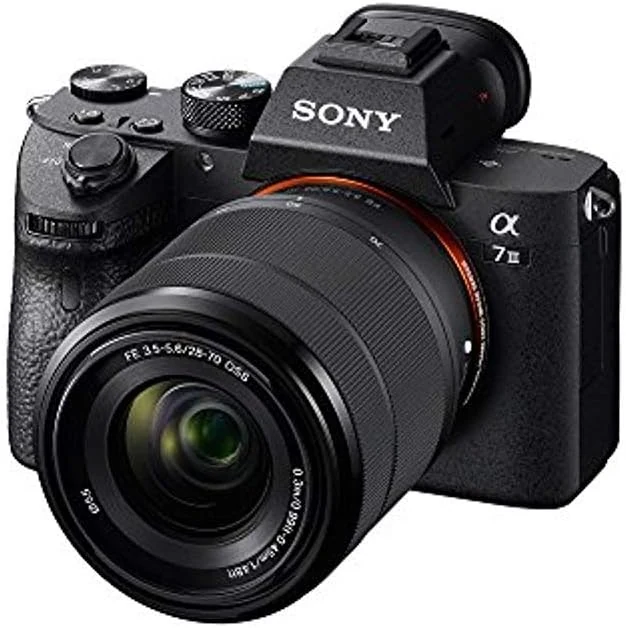
Sony a7 III with 28-70mm Kit Lens
A full-frame Sony starter kit with strong autofocus specs and a basic zoom lens; a sensible pick for stills buyers who may want to upgrade the lens later.
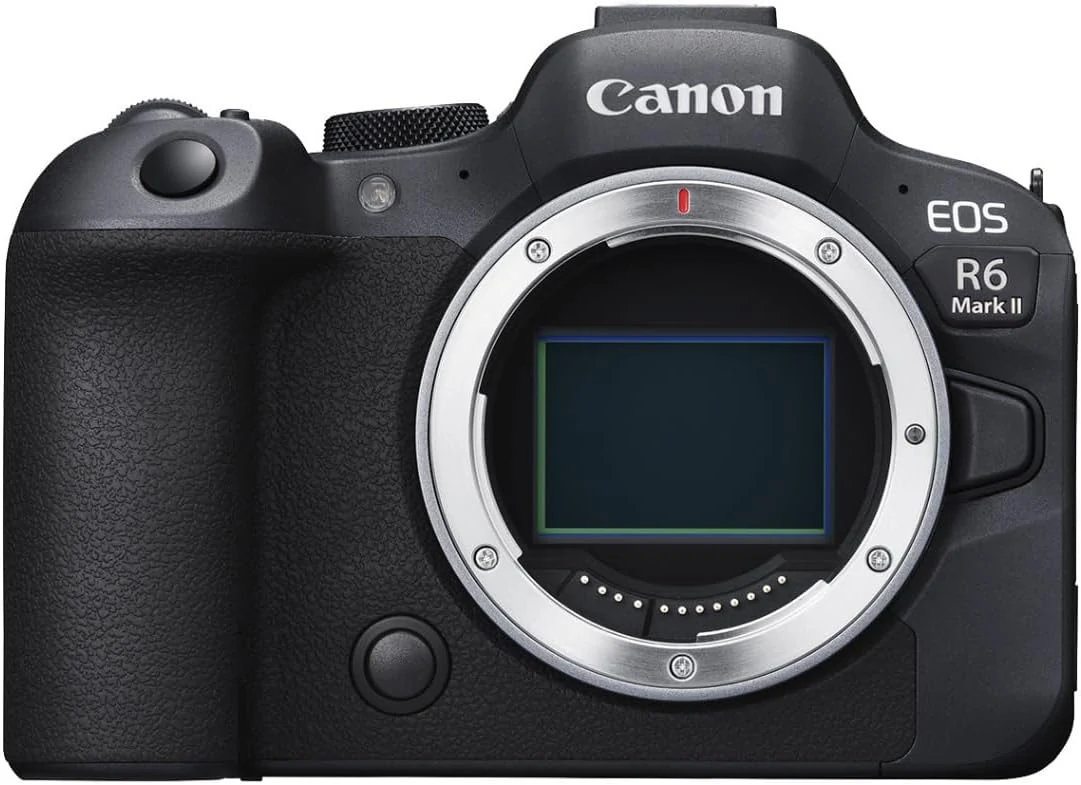
Canon EOS R6 Mark II Body
A full-frame Canon body with fast autofocus, strong subject detection, IBIS, and hybrid photo/video features, but body-only pricing means lens and battery costs can add up.
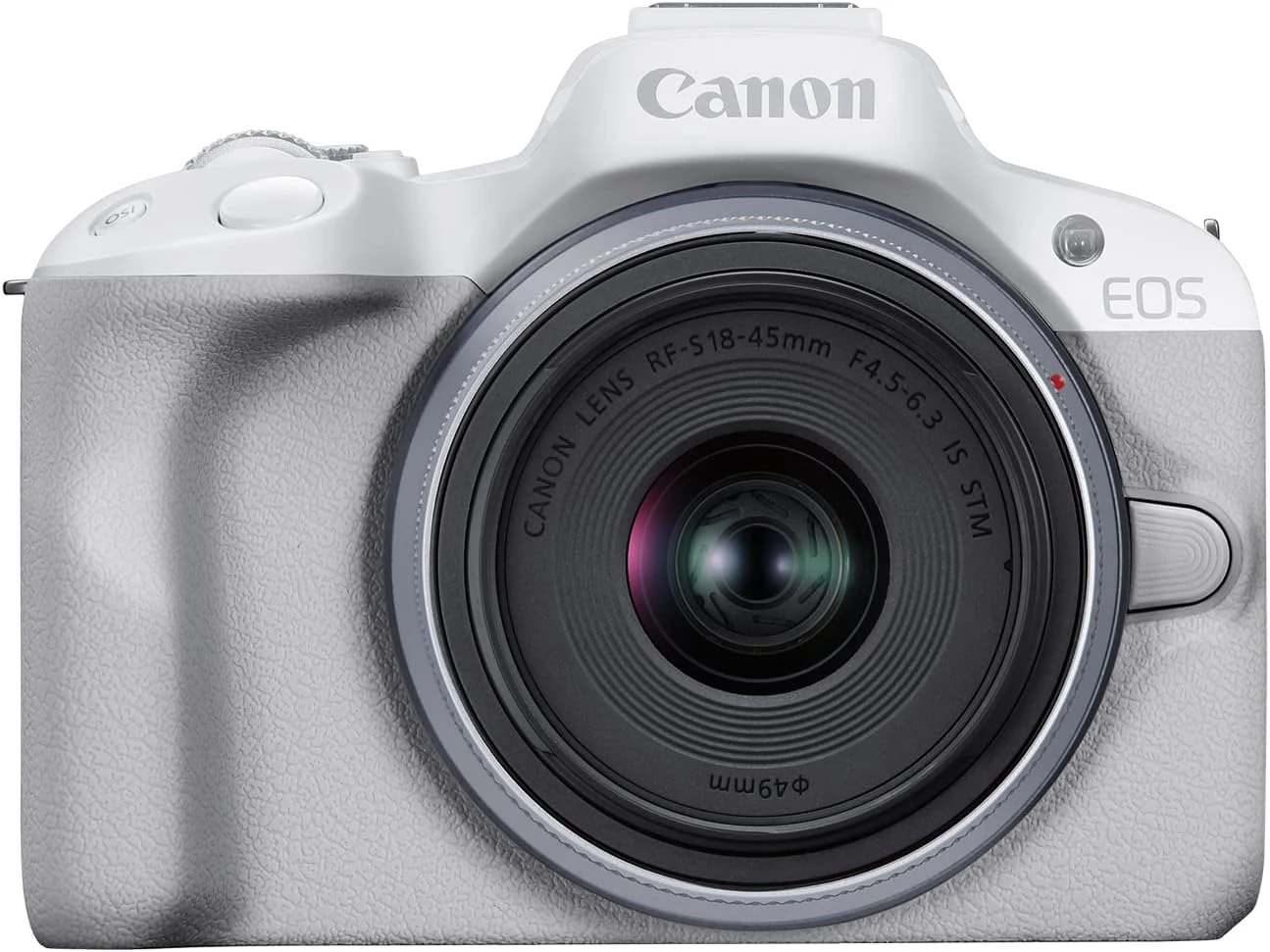
Canon EOS R50 White RF-S18-45mm Kit
A compact APS-C mirrorless kit for first-time buyers and casual creators, with helpful autofocus and 4K video, but a small body and starter lens that may not suit everyone.
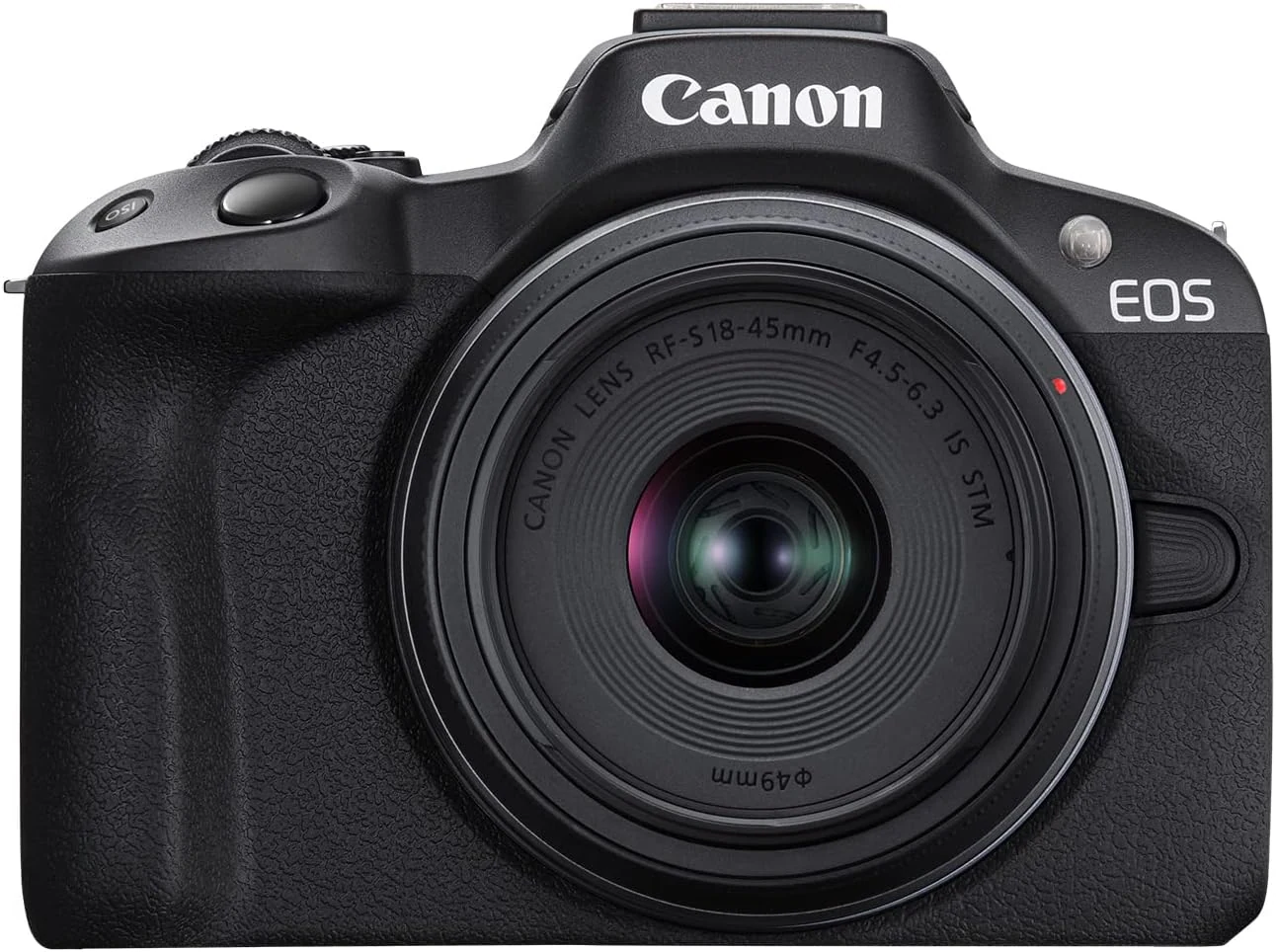
Canon EOS R50 RF-S18-45mm Kit
A beginner-friendly APS-C mirrorless kit with strong autofocus, 4K video, and a compact body; the bundled lens and small grip are the main trade-offs.