Canon EOS 5D Mark IV body only
The Canon EOS 5D Mark IV body only is a full-frame Canon EF-mount DSLR for buyers who prefer an optical-viewfinder camera with a mature control layout and a broad stills-focused feature set. It also makes clear that this is a body-only DSLR, so lens compatibility and the fixed rear screen are important considerations.
Pros
- 30.4MP full-frame sensor gives solid resolution for general stills work.
- Dual Pixel CMOS AF and touchscreen control help in live view and video use.
- Built-in Wi‑Fi and GPS add practical convenience.
- EF-mount body suits buyers already invested in Canon lenses.
Cons
- Fixed rear screen may be a deal-breaker if you want tilt or vari-angle framing.
- Body-only purchase means lens cost is extra.
- This is a DSLR, so it will not suit everyone moving to mirrorless workflows.
Who this camera fits
This body makes the most sense for Canon shooters who already own EF lenses or want to stay within that lens ecosystem. It is a body-only EF-mount DSLR, so the value is strongest when you can reuse existing glass rather than start from scratch.
It also appears aimed at photographers who prioritize stills and a familiar DSLR handling style.
What the specs support
The supported specification set is straightforward: a 30.4MP full-frame CMOS sensor, DIGIC 6+ processing, up to 7 fps continuous shooting, 4K Motion JPEG at 30 or 24 fps, and Dual Pixel CMOS AF for live view and video. The camera includes Wi‑Fi and GPS.
Taken together, those specs describe a camera that is built around balanced stills performance rather than a headline-grabbing hybrid design. That makes sense for buyers who want a capable Canon DSLR with a broad feature set and do not need the newest mirrorless conveniences.
Where the compromises are
The clearest limitation is the fixed rear LCD. If that feature is important, this body is likely not the best fit.
The other trade-off is simply that this is a DSLR body in a market many buyers now approach through mirrorless options. That does not make it obsolete, but it does mean you are choosing a more traditional form factor with the associated size and handling priorities.
How the alternatives change the decision
It is a sensible comparison point only if you are open to switching systems and lenses.
Canon’s EOS 90D and EOS 6D Mark II point in different directions. The 90D is the APS-C alternative, with a vari-angle screen and faster advertised burst rate, so it may suit buyers who want a more flexible screen and do not need full frame. The 6D Mark II is the lower-priced full-frame Canon option here and also has a vari-angle touch screen, so it is the closer choice if screen flexibility matters more than the 5D line’s positioning.
What the reviews can and cannot tell you
They suggest satisfaction with autofocus, touchscreen handling, GPS, and overall usability, while also surfacing the fixed-screen complaint. That is useful context, but not proof of reliability or broad consensus.
For that reason, the safest reading is that this is a well-liked Canon DSLR body for users already comfortable with the system, not a universally superior camera.
Price and buying checks
The more important buying question is whether you already own compatible Canon EF lenses and whether the fixed screen is acceptable for your shooting style.
If you mainly shoot stills and want a familiar Canon DSLR with full-frame output, this body remains a coherent choice. If you need an articulated screen, a smaller kit, or a more video-centric setup, the alternatives may fit better.
The buying decision
Buy the Canon EOS 5D Mark IV body only if you want a full-frame Canon EF DSLR for serious stills work and can live with a fixed rear screen. If articulated-screen convenience matters more, the Canon 6D Mark II or EOS 90D are easier to justify.
Product details and Amazon customer ratings as of .
Available variants
Style
- 24-70mm
- w/ EF 24-105mm
- Body Only
Set
- Base
- w/ EF 24-105mm
- Body
Recommended next
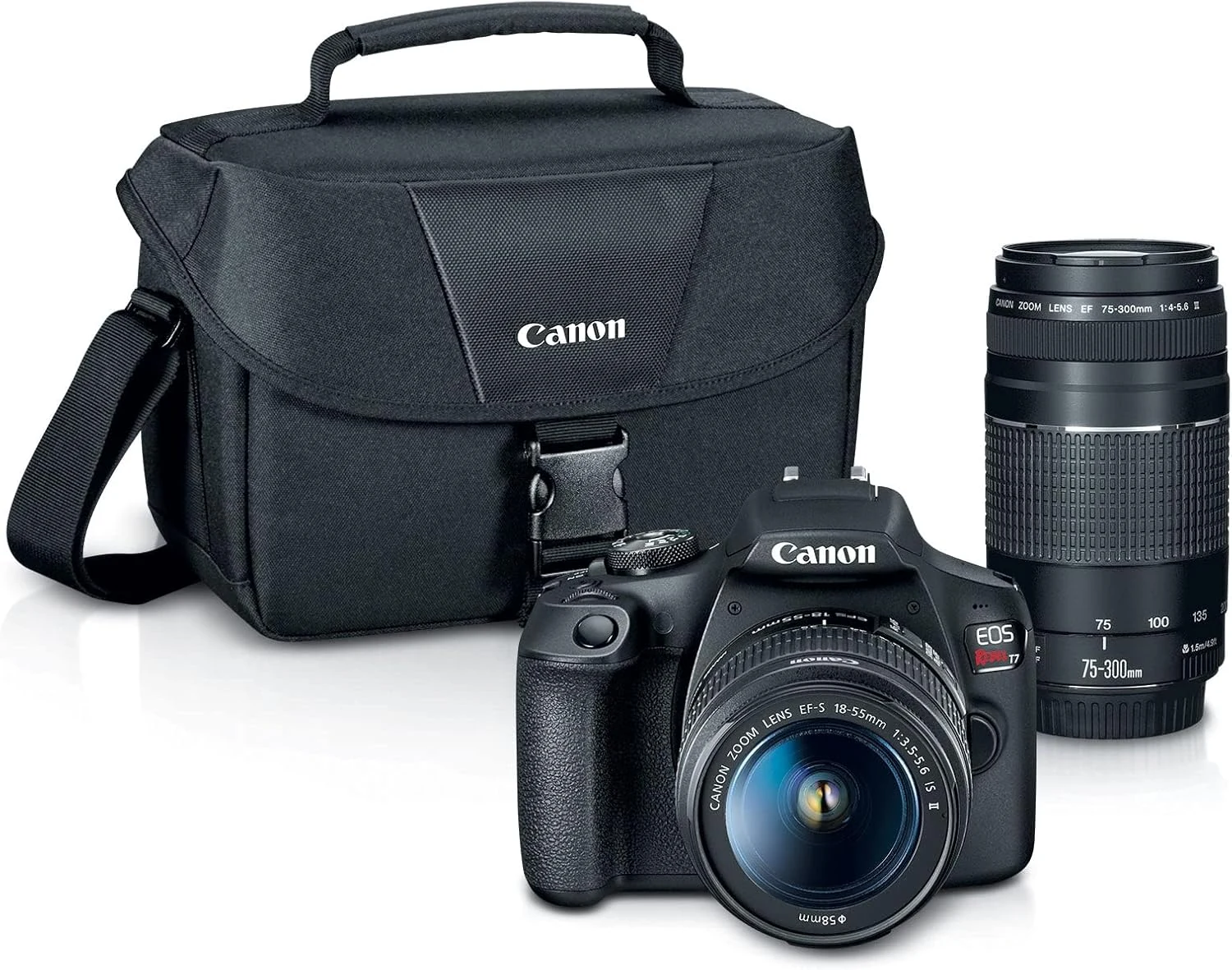
Canon EOS Rebel T7 Double-Zoom Lens Kit
A traditional beginner DSLR kit with 18-55mm and 75-300mm lenses. Its value is learning interchangeable-lens photography, not modern video or rapid action tracking.
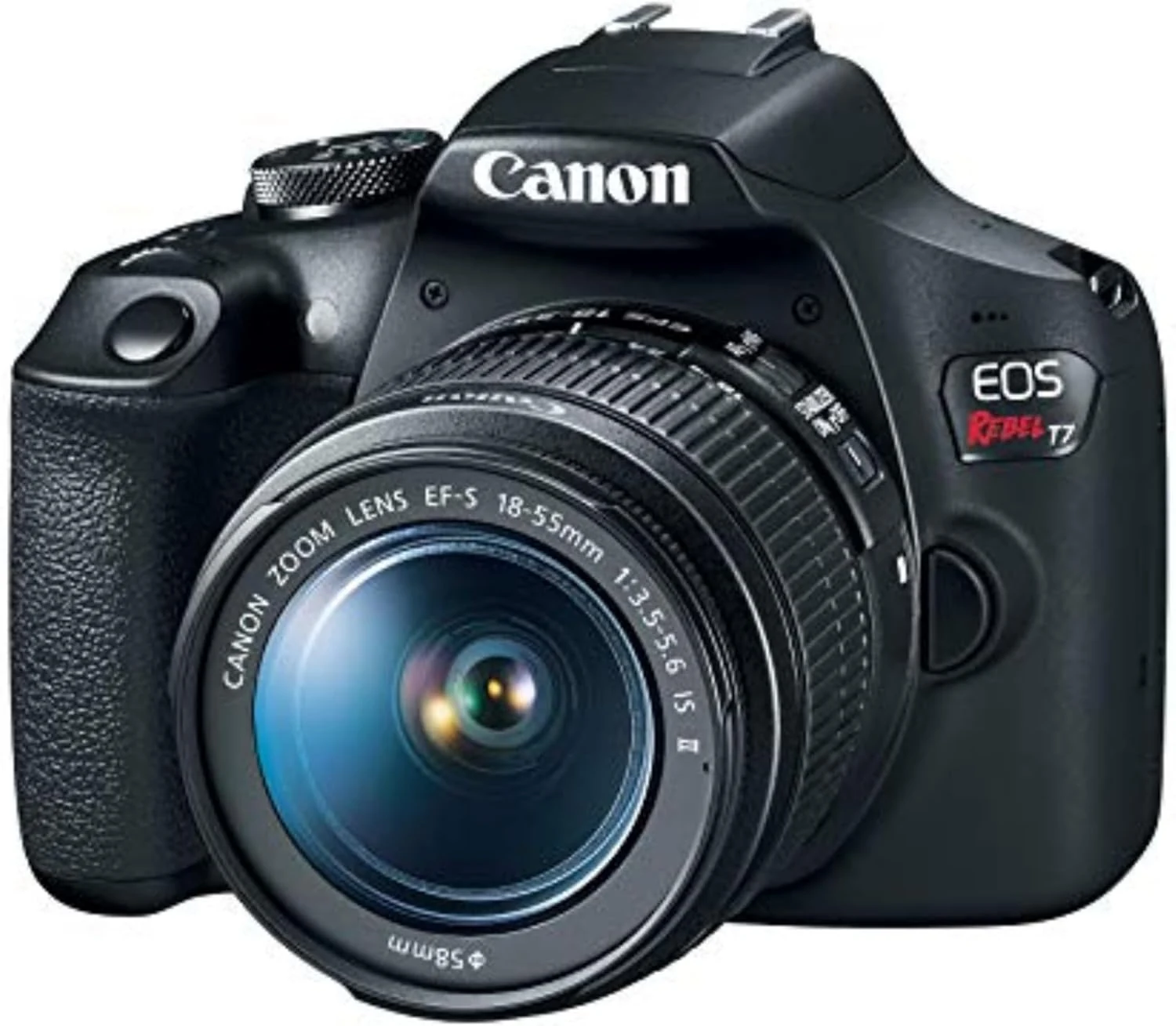
Canon EOS Rebel T7 18-55mm Kit
An affordable beginner DSLR kit with an APS-C sensor, Wi‑Fi/NFC, and a bundled 18-55mm lens. Best for learning stills; less compelling for modern video or fast-action use.
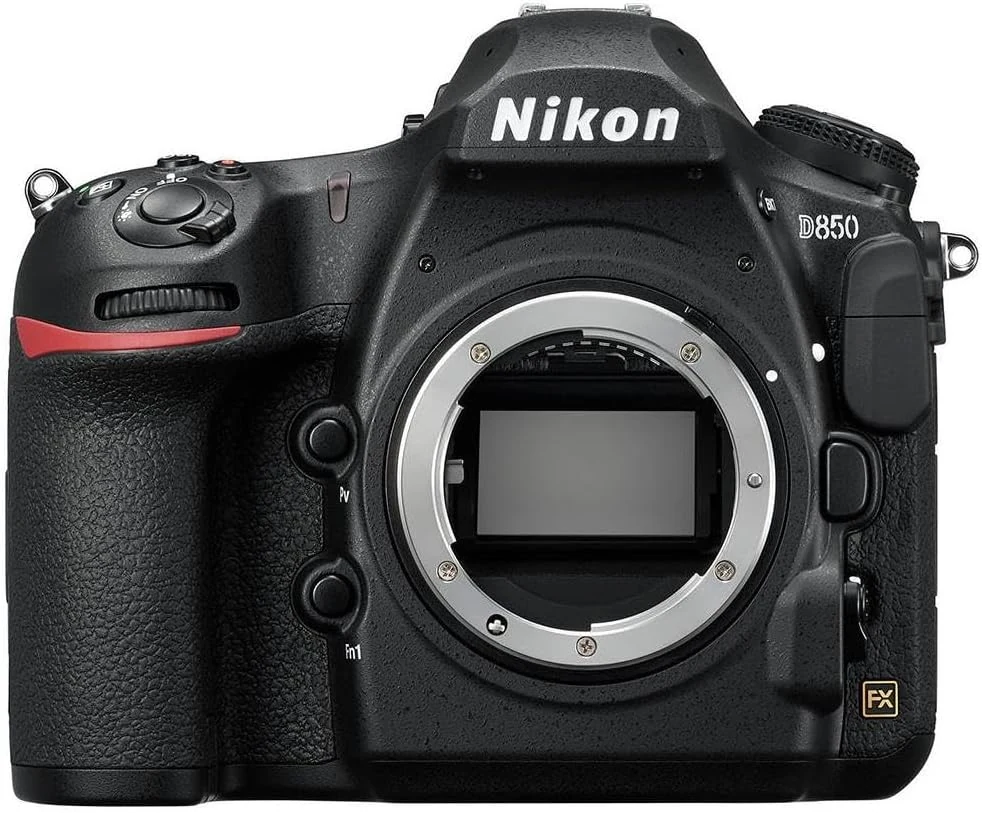
Nikon D850 FX-Format DSLR Body
A high-resolution full-frame Nikon DSLR for detail-first stills shooters; strong for cropping and AF, but large, unstabilized, and not video-first.
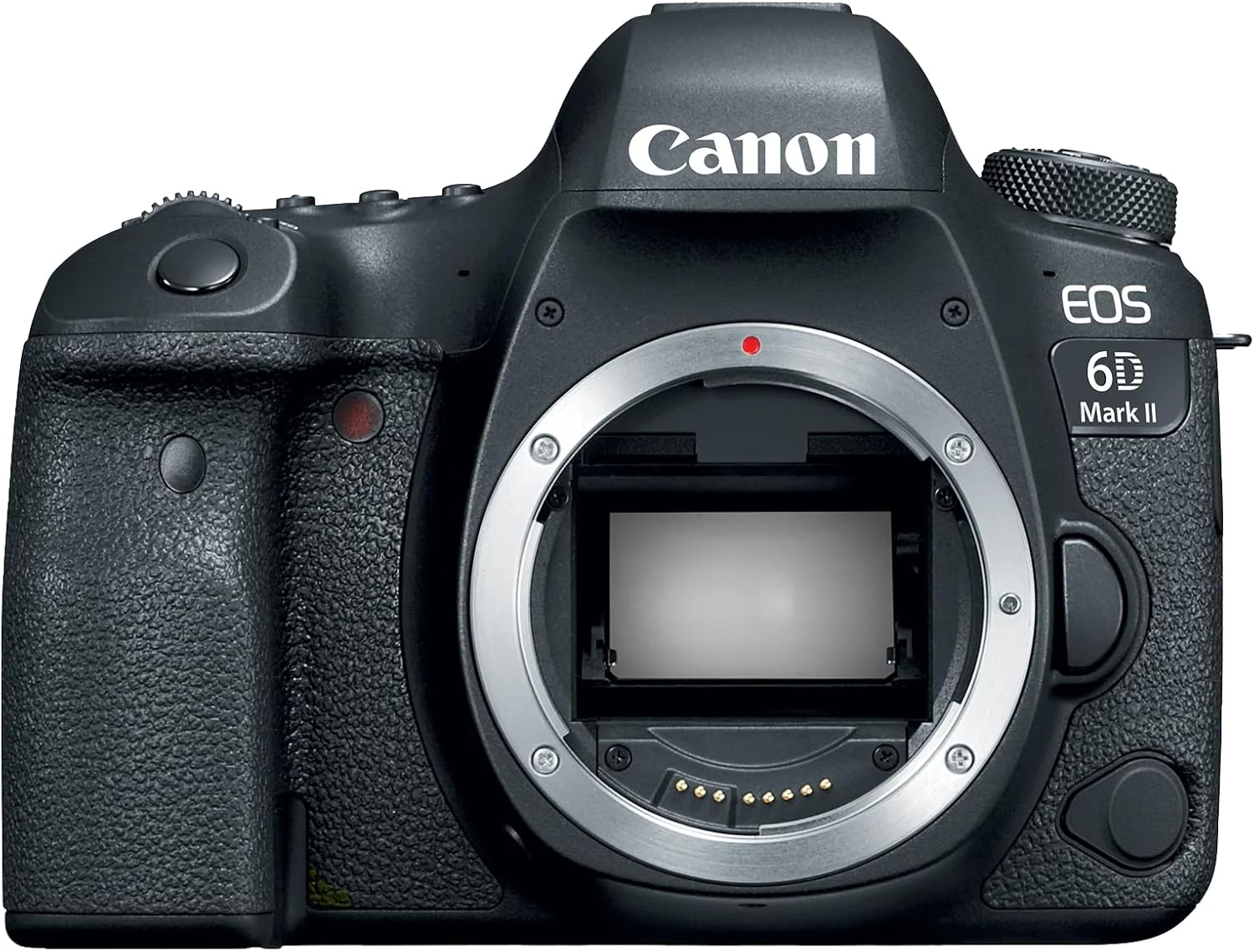
Canon EOS 6D Mark II body
A full-frame Canon DSLR body for EF lens owners who want approachable stills shooting, with useful live-view features and clear trade-offs for video and AF coverage.