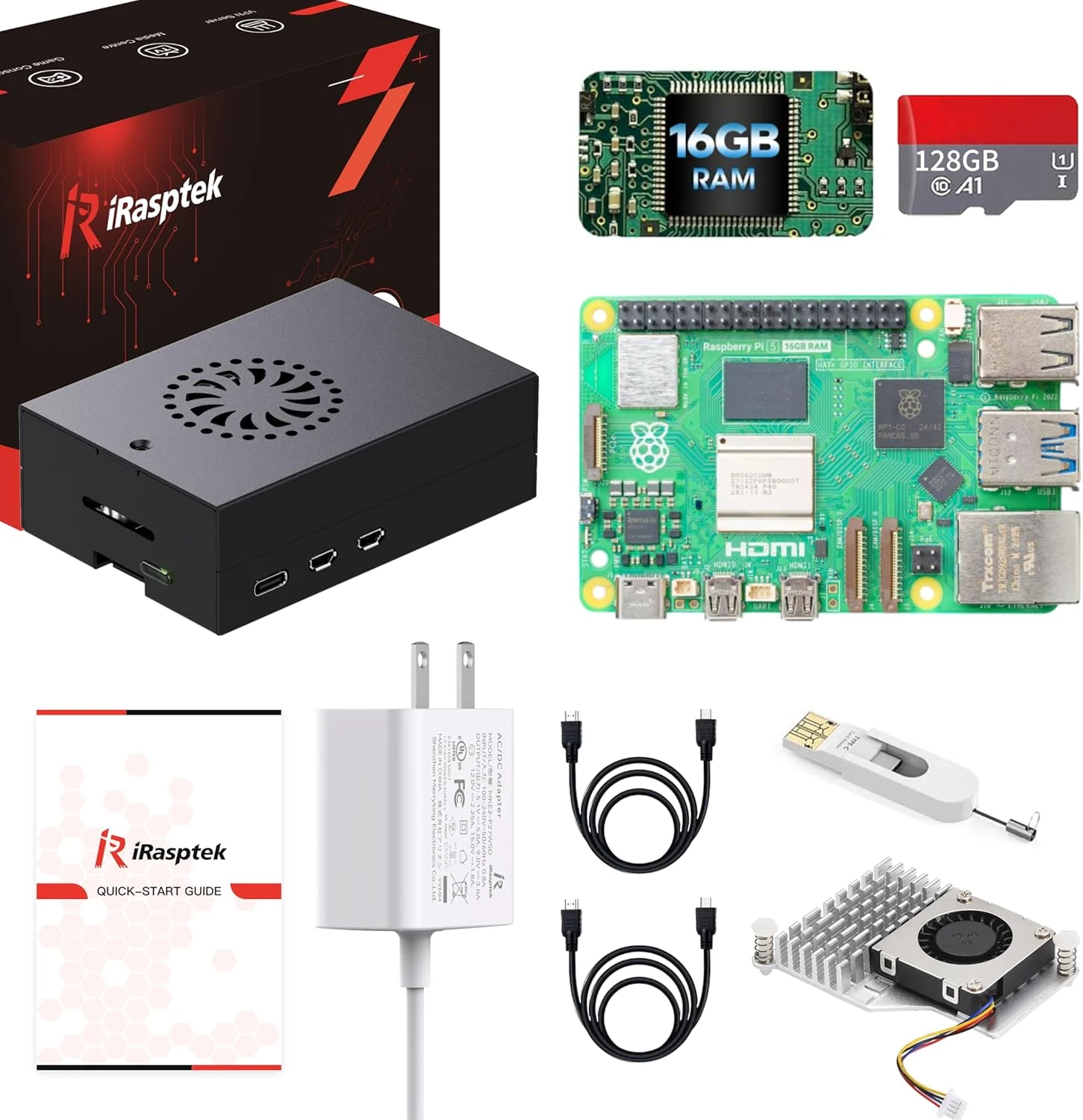
Desktop Barebones $360
★★★★★ 4.8/5 49 ratings The iRasptek Raspberry Pi 5 16GB starter kit is built for fast, low-friction setup, with an aluminum case, an active PWM fan, a 27W USB-C power supply, and a pre-installed Pi OS setup. It’s a strong pick for light desktop use, learning, media playback, and project tinkering, but buyers who want NVMe via a larger M.2 HAT+ style setup may find the included case limits.
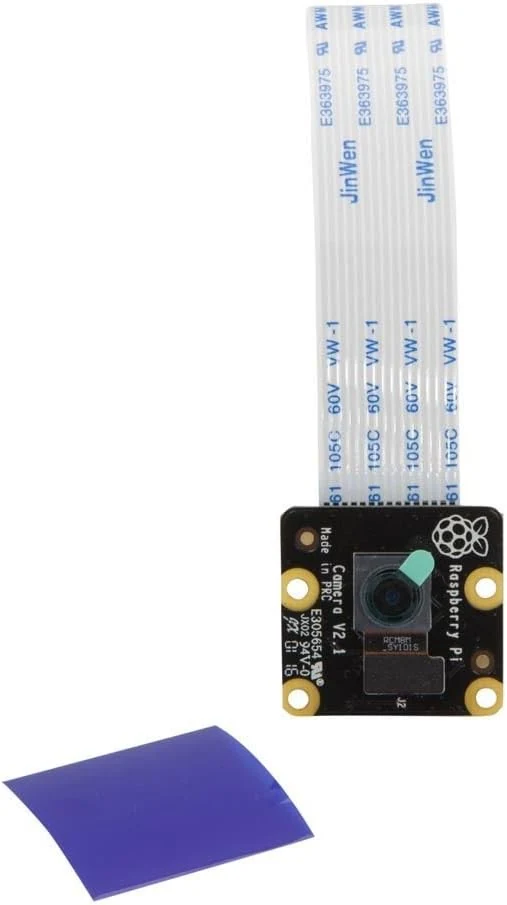
Desktop Barebones $29.95
★★★★★ 4.5/5 487 ratings The Raspberry Pi NoIR Camera Module V2 pairs an 8MP Sony IMX219 sensor with a fixed-focus lens for sharp infrared-ready imaging. It supports common Pi camera video modes (including 1080p30) and is widely used for low-light and night projects like monitoring, security-style setups, and webcam uses.
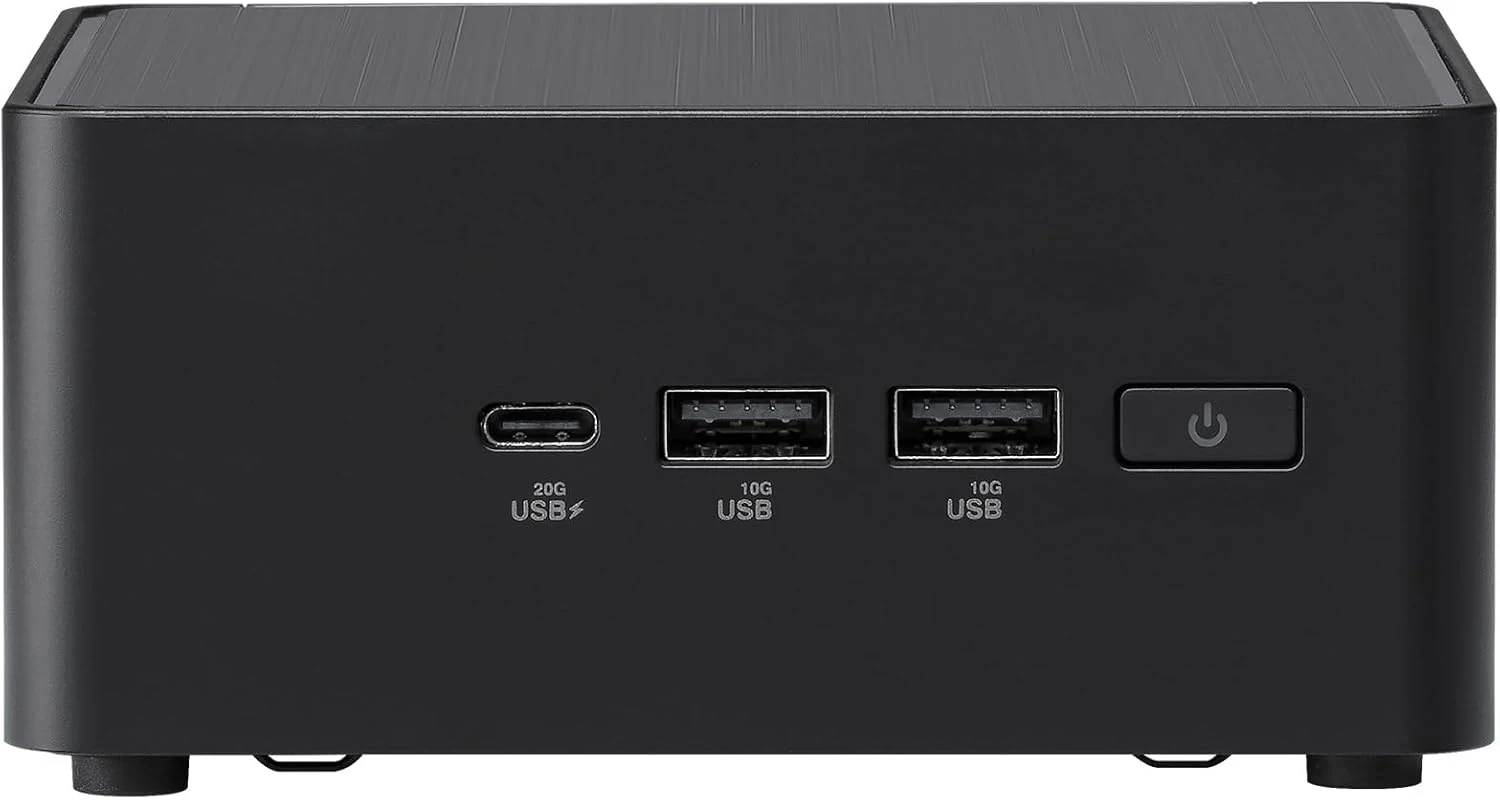
Desktop Barebones $627
★★★★★ 3.8/5 17 ratings The ASUS NUC 14 Pro Tall is a compact desktop barebone built around the Intel Core Ultra 7 155H, aiming at quiet, efficient everyday performance (and light server use) with Thunderbolt 4 and Wi‑Fi 6E. It’s a strong fit if you want to add your own RAM and storage, but buyer experience hinges on setup know-how and the limited onboard configuration options some users report.
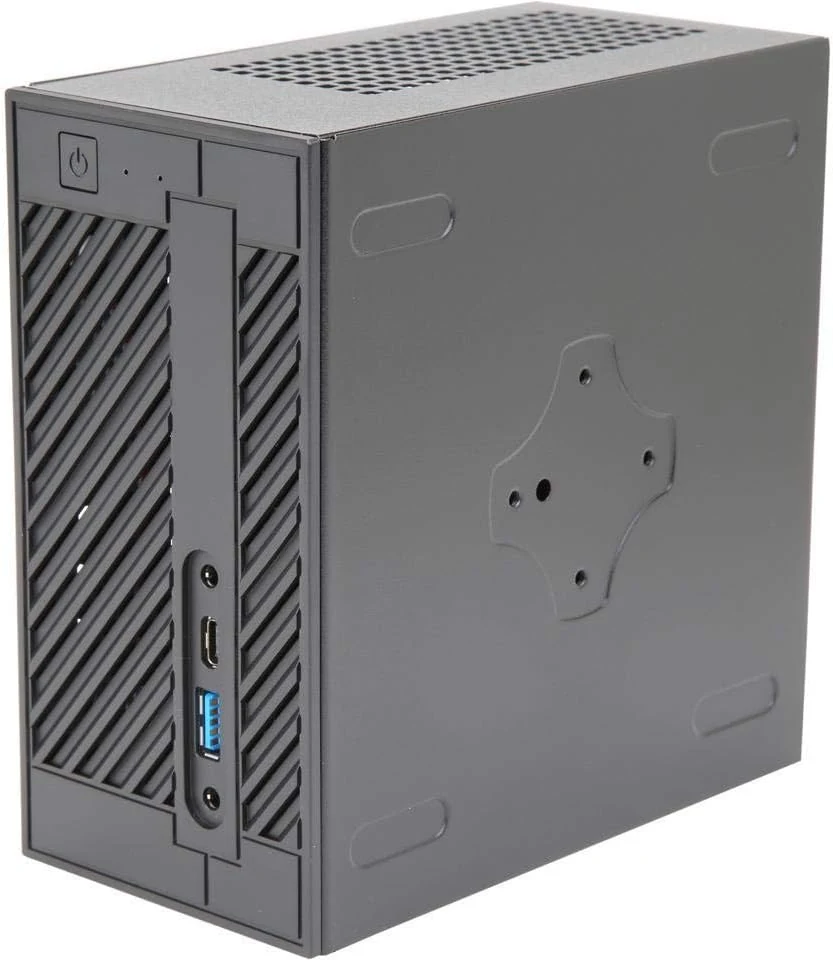
Desktop Barebones $99.99
★★★★★ 4.4/5 99 ratings ASRock’s DeskMini 310W is a compact Intel 8th-gen barebones system built around low-power performance, flexible storage (2.5-inch drives plus an Ultra M.2 slot), and triple display outputs (DP, HDMI, VGA). It’s a strong fit for a quiet home office or small workstation, but it is not designed for power-gpu builds, and Intel 8th-gen CPUs can be a sourcing challenge.
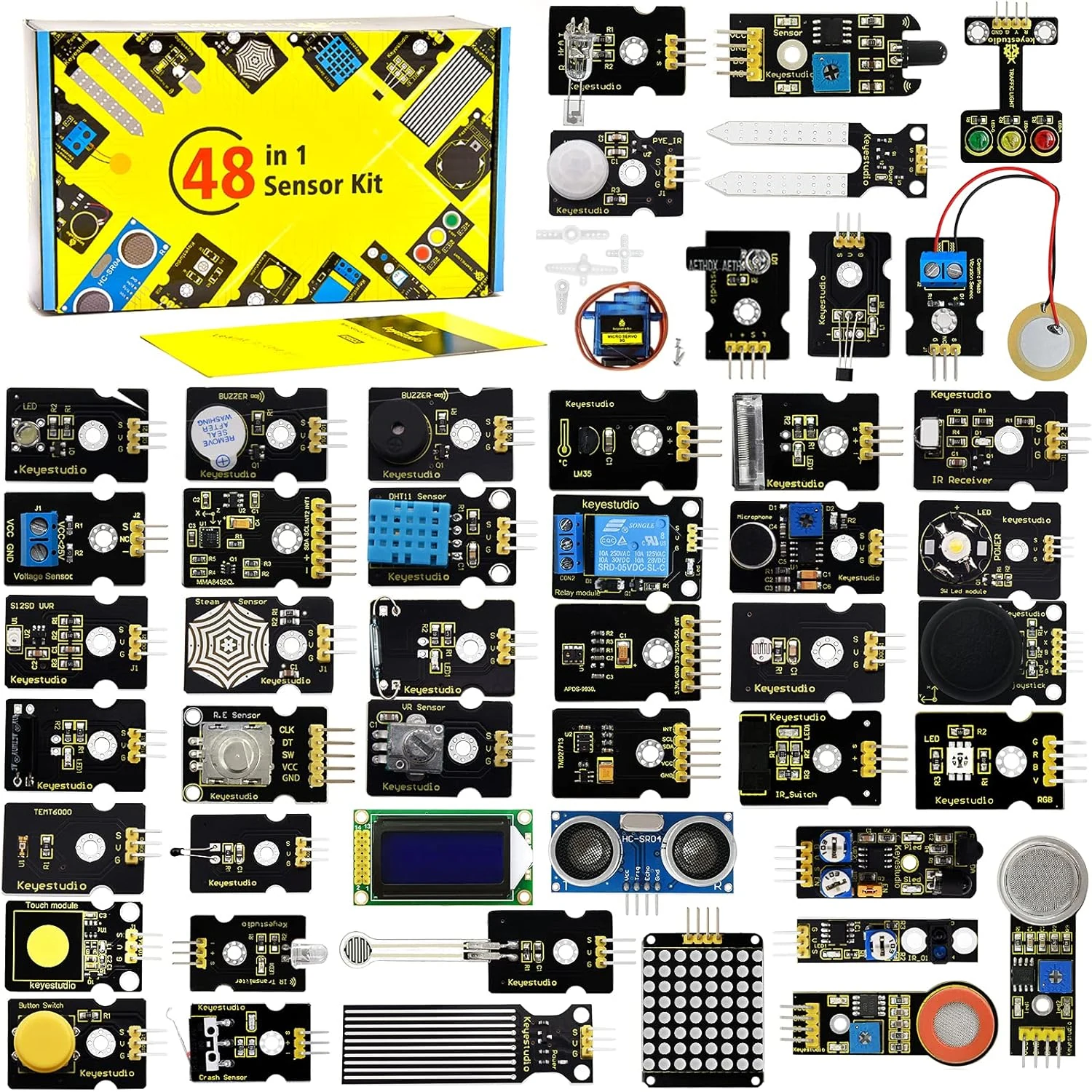
Desktop Barebones $49.99
★★★★★ 4.5/5 159 ratings The KEYESTUDIO 48 Sensors Modules Starter Kit is a mixed set of Arduino-focused sensor and driver modules (plus components like an LCD, servo, and relay) designed to help beginners practice wiring and example code. It works best if you already have an Arduino-compatible board and you are comfortable using online tutorials for setup and programming.
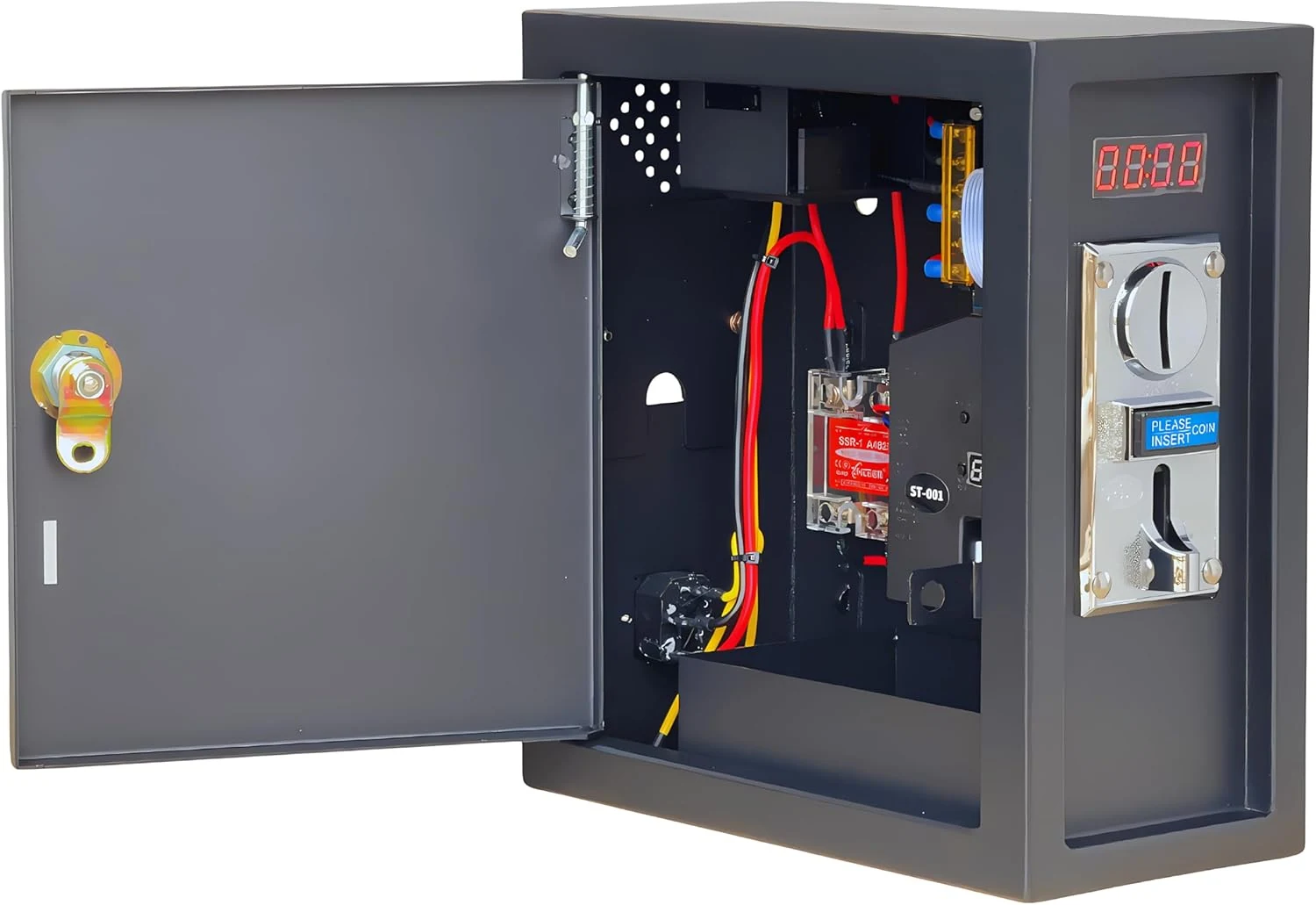
Desktop Barebones $180
★★★★★ 3.7/5 41 ratings The Sintron ST-002 is a coin-operated timer control power box designed for commercial, time-based equipment like washers, arcade machines, and massage chairs. It supports up to 110V/120V 16A and uses an 8-channel multi-coin acceptor with an LED countdown display, but buyers should plan for setup, programming, and potential reliability variability seen in limited reviews.
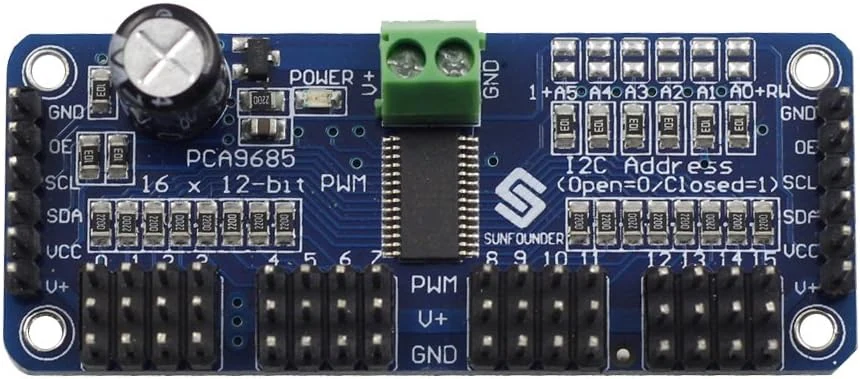
Desktop Barebones $12.99
★★★★★ 4.5/5 416 ratings The SunFounder PCA9685 16-channel 12-bit PWM servo driver adds 16 I2C-controlled PWM outputs, so you can run more servos or PWM-driven electronics without tying up your microcontroller. It’s designed to be “free running” once configured, with 5V logic compatibility, but you still need to plan power properly, especially for larger servo loads.
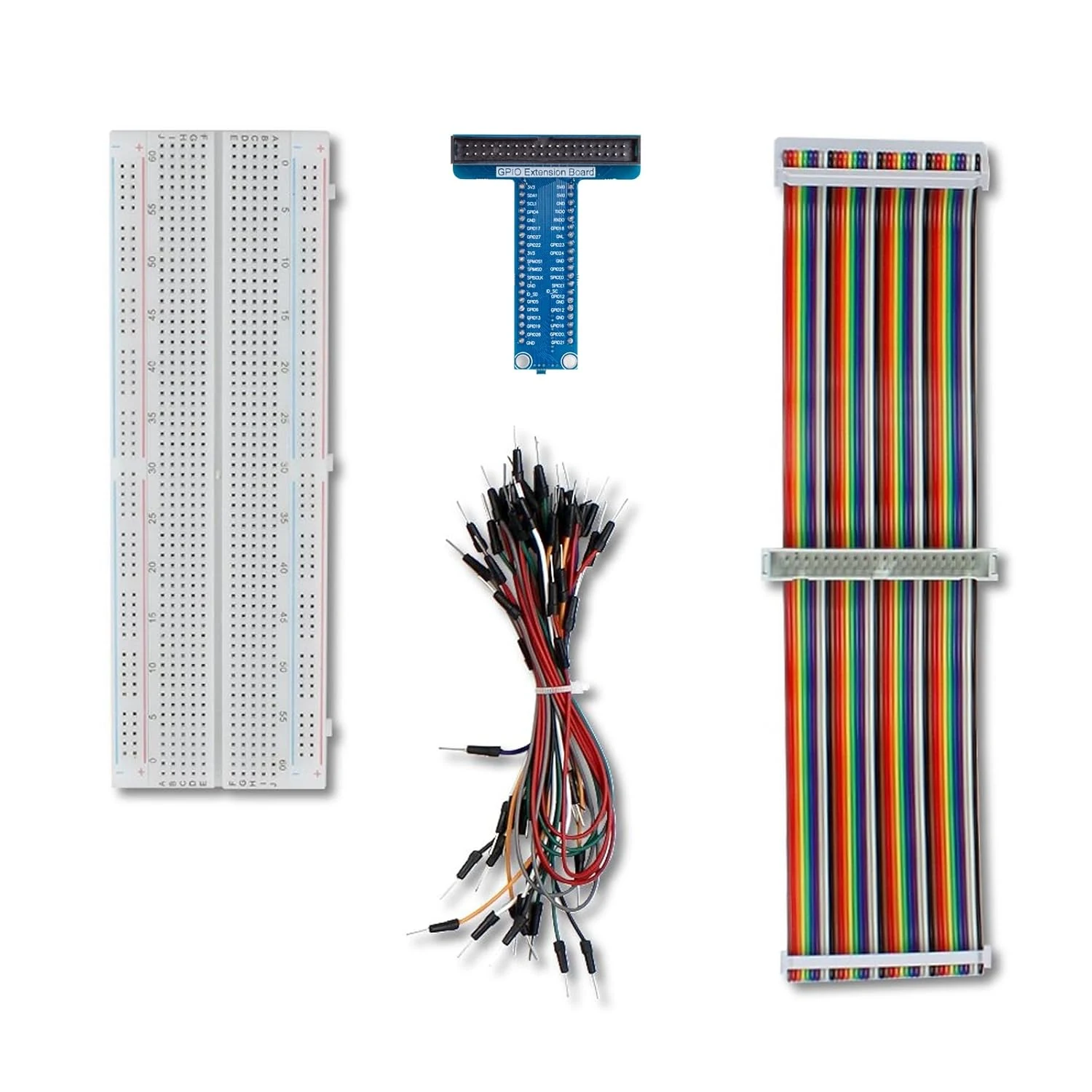
Desktop Barebones $9.99
★★★★★ 4.4/5 371 ratings The UCTRONICS GPIO Breakout Kit is a compact way to bring GPIO out to a solderless breadboard using a T-type expansion board plus a 40-pin rainbow ribbon cable and jumper wires. It is a convenient starter kit for learning and prototyping, with the main caveat being double-checking orientation since some boards can end up with reversed rails if you mount it the “wrong way” on the breadboard.
Desktop Barebones $23.99
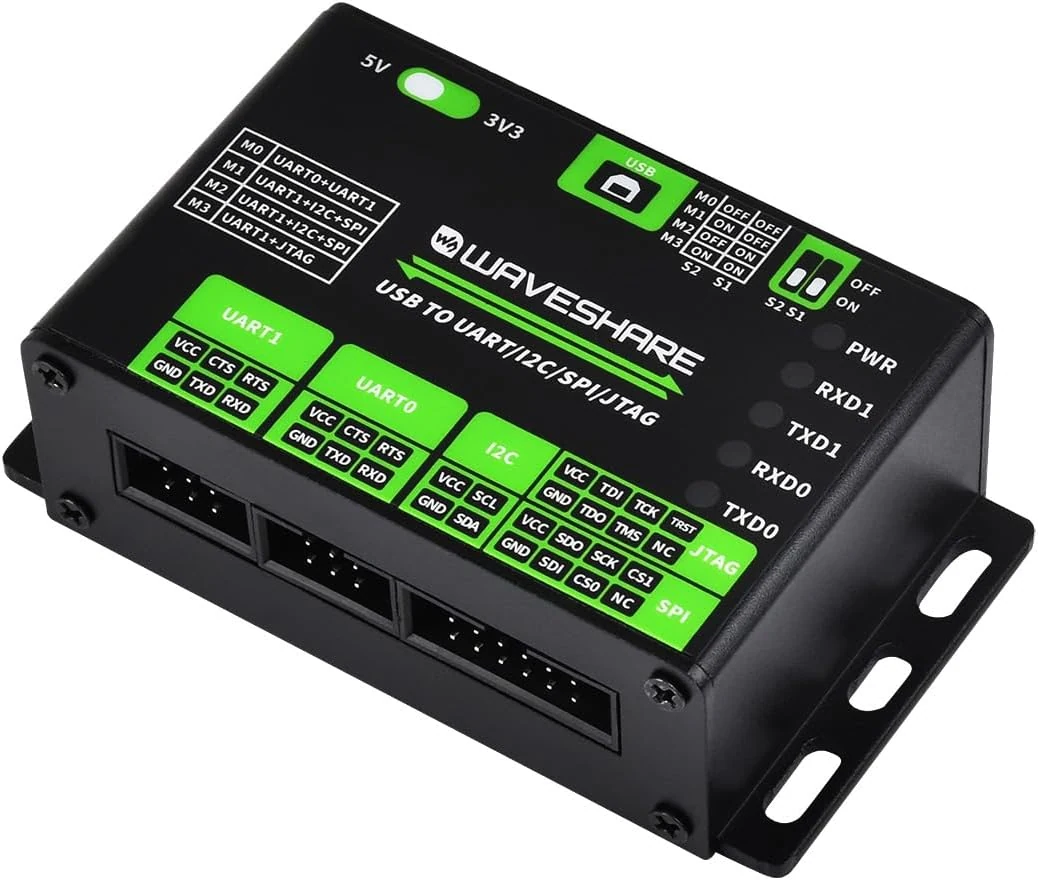
★★★★★ 4.5/5 94 ratings The waveshare USB to UART/I2C/SPI/JTAG Converter is a compact debug adapter for firmware bring-up, EEPROM work, and hardware recovery tasks. It supports multi-protocol use cases (2-channel UART, or UART plus I2C plus SPI, or UART plus JTAG), includes 3.3V/5V level switching, and adds protection and status visibility. The main caveat is that Linux support is not “only Raspberry Pi” in practice, but JTAG reliability depends on your specific chip and tools, so plan to validate your setup.
Desktop Barebones $14.90
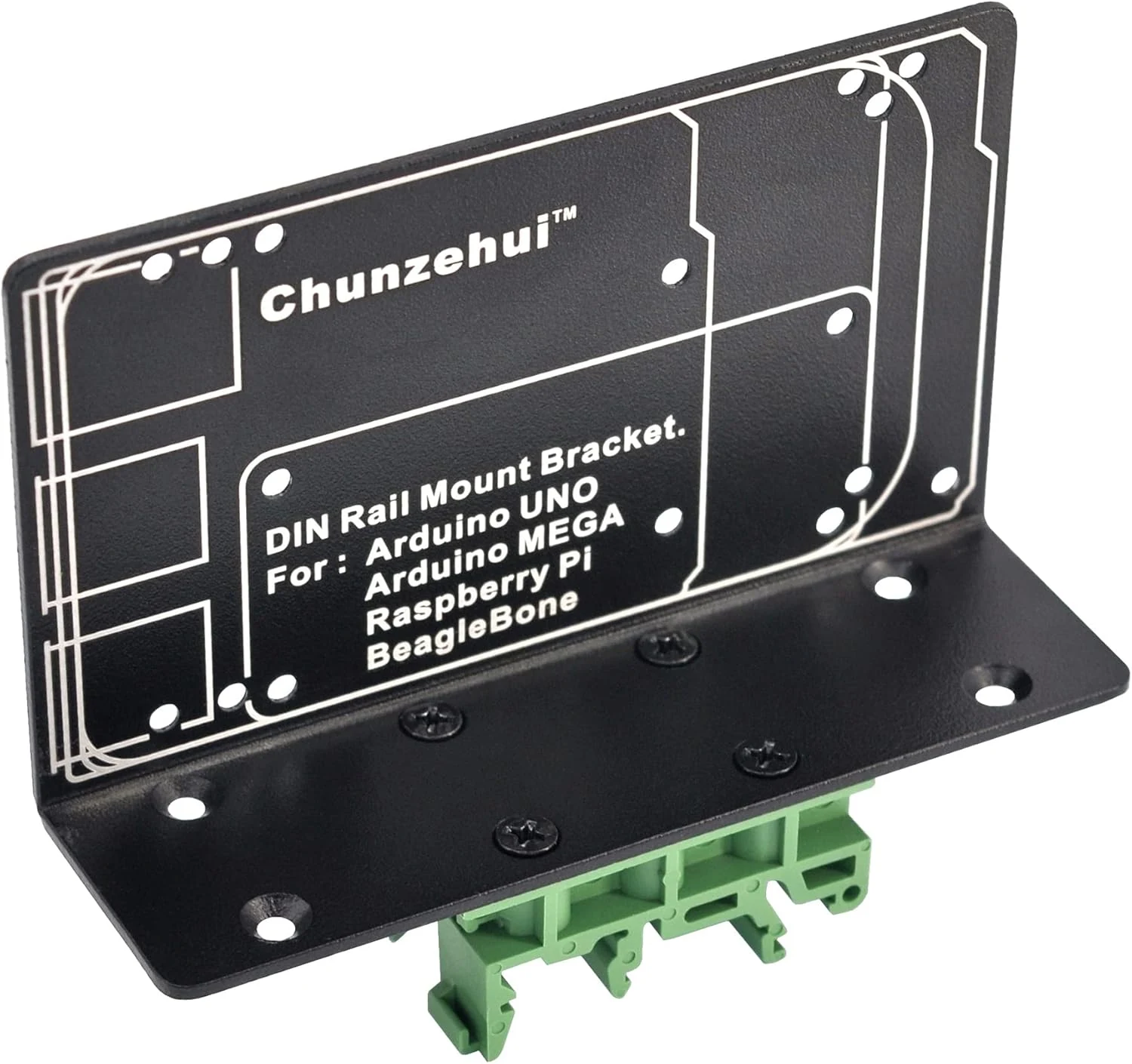
★★★★★ 4.6/5 131 ratings A simple aluminum DIN rail mounting plate for popular single-board computers like Raspberry Pi (multiple generations, including Pi Zero and Pi 5) and BeagleBone boards. Buyers report it snaps in securely and saves desk space, with one caveat that the DIN rail clamp can feel a bit less tight on some Pi 5 setups.
Desktop Barebones $9.99
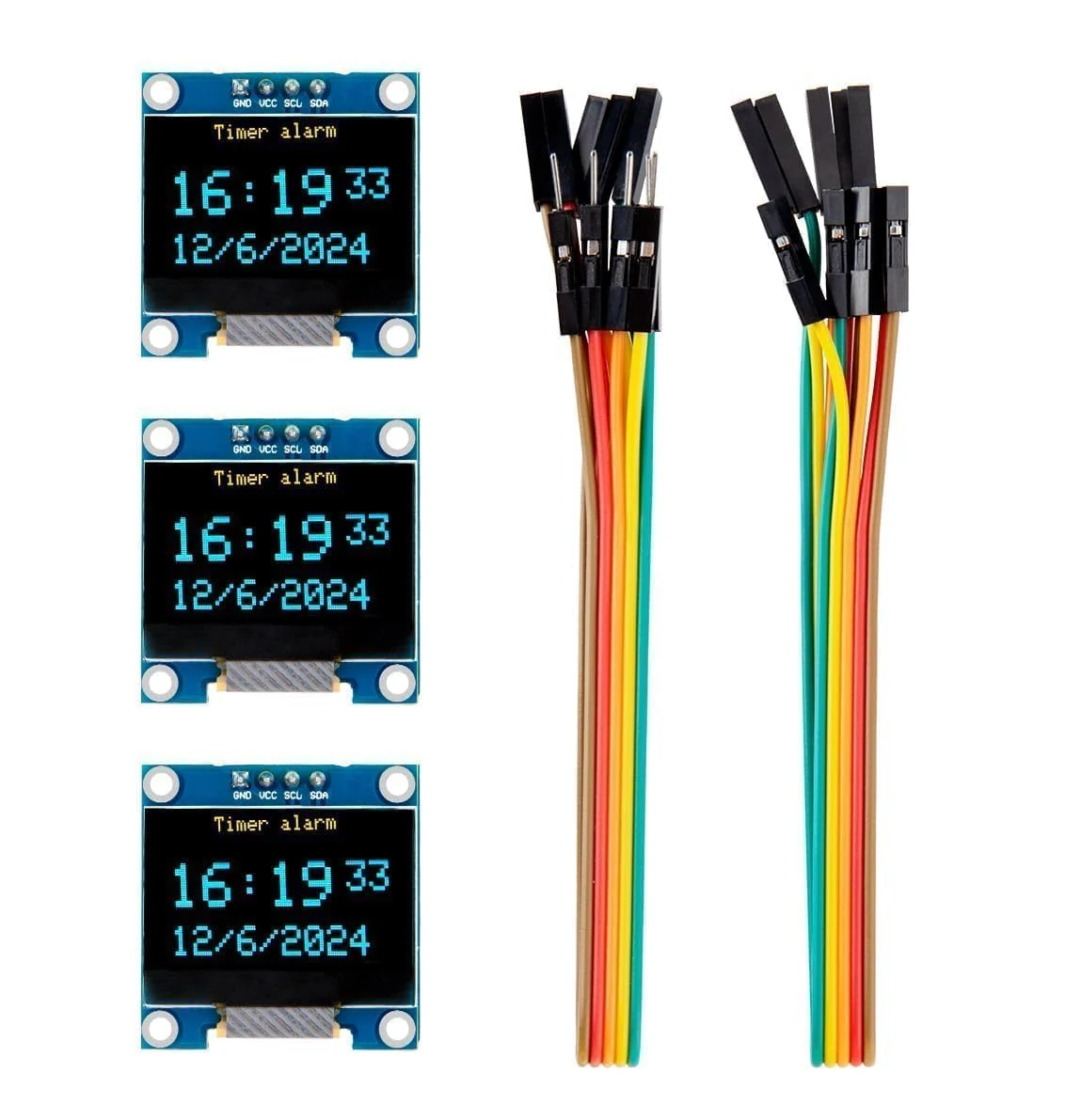
★★★★★ 4.6/5 194 ratings These compact 0.96-inch OLED modules use the SSD1306 over I2C (3.3V to 5V) and are a solid fit for Arduino and Raspberry Pi projects that need clear, self-luminous 128x64 graphics. The main tradeoffs to know are the fixed (non-configurable) blue/yellow look, limited character size on the small screen, and potentially non-standard mounting hole spacing.
Desktop Barebones $35.99
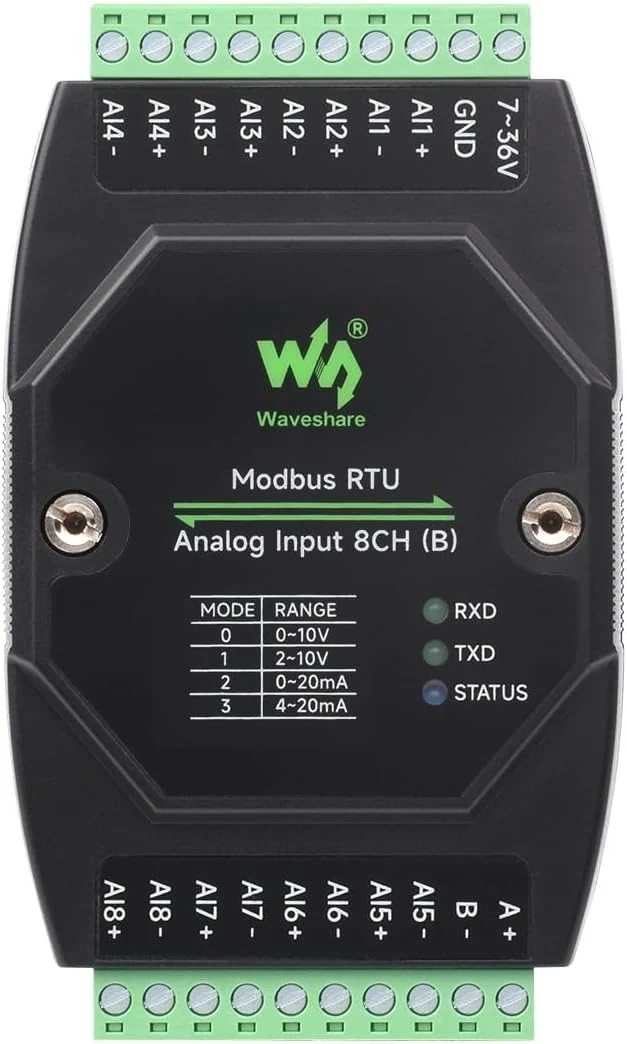
★★★★★ 4.4/5 33 ratings An industrial-friendly 8-channel analog acquisition module for reading 0–10V signals over Modbus RTU (RS-485), with a wide DC 7–36V input and on-board isolation protection features. It is a strong budget option for monitoring analog sensors, but setup documentation and per-channel scaling can be a pain point depending on how exact your calibration needs to be.
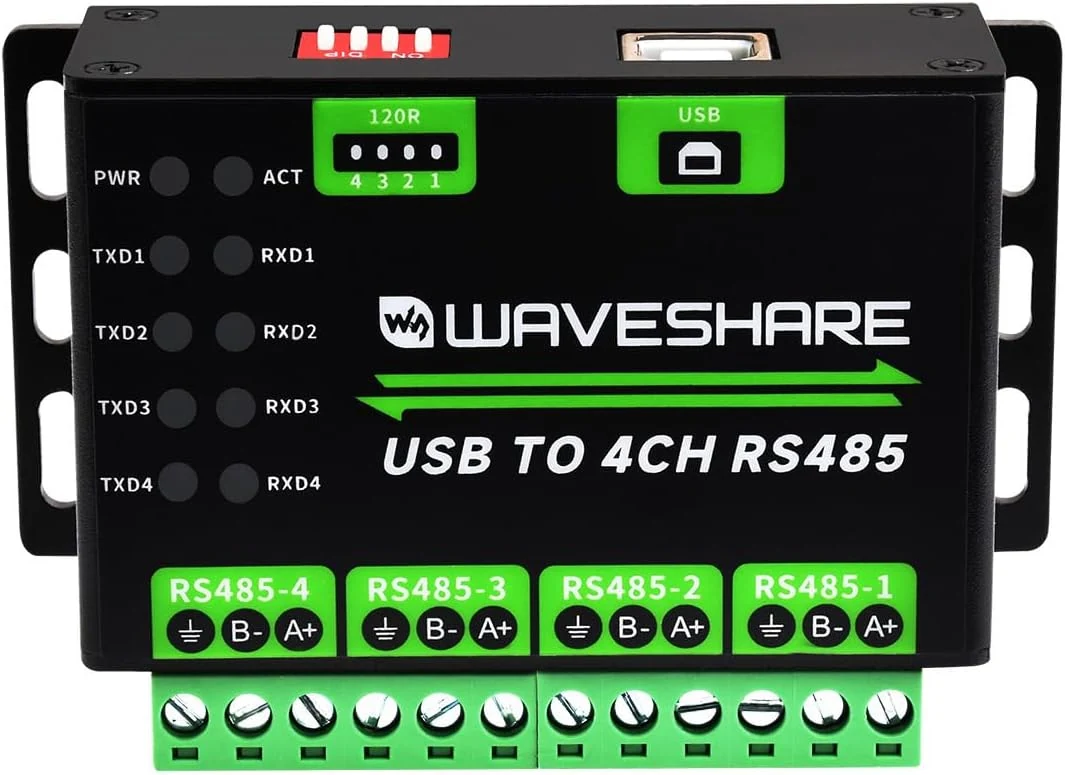
Desktop Barebones $25.99
★★★★★ 4.8/5 41 ratings A compact 4-channel USB to RS485 gateway built for industrial-style reliability, with surge protection, resettable fuse protection, and switchable 120 ohm termination on the RS485 side. Buyers like the simple setup and stable multi-device mapping, but there can be driver conflicts depending on your system.