TRRS Headphone Extension Cable, 4 Pole 3.5mm Stereo Jack Male to Female Aux Extension Cable (8FT)
Quick take
This TRRS 3.5mm (4-pole) male-to-female AUX extension cable is built for stretching the reach of headphones and compatible external microphones to a separate device, like a phone, tablet, computer, or PS4-style audio setup. It’s designed with multi-layer shielding and a braided nylon exterior for everyday durability, but buyers should double-check compatibility with their specific device and audio setup, since a mismatched pairing can cause issues.
Pros and cons
Pros
- 8-foot length gives flexible placement for TV, desk, or living-room setups.
- TRRS 4-pole design supports headphone plus microphone-style connections on compatible devices.
- Braided nylon outside and multiple protection layers aim to resist bending and interference.
- Buyers commonly report secure connector fit and good overall audio quality.
Cons
- Not all devices and headphone/mic combinations are supported, so compatibility can vary.
- If you use it for the wrong audio jack type or setup, problems can occur.
What buyers think
Buyer feedback on this TRRS extension cable centers on three themes: durability, connection stability, and everyday sound quality. Multiple reviews describe the braided covering and overall build as solid, with the cable staying flexible and the connector ends fitting securely (not “floating”). Several buyers also call out that audio quality sounds good for music or combined audio use, and that the length is exactly what they needed for their setup. One review includes a warning about using the cable in a specific TV-to-PC-speaker configuration that did not go well, suggesting that device pairing and jack expectations matter for safe, reliable results. Overall, buyer-review evidence is positive for normal headphone or AUX extension use, but limited for diagnosing every possible TRRS vs TRS or output-type mismatch.
What this TRRS extension cable is for
If you need more reach from your 3.5mm AUX port, this extension cable adds distance between your audio device and your headphones or a 4-pole TRRS mic-capable headset setup. It’s intended for common scenarios like moving the audio device to a desk, extending from a TV or console to where you sit, or routing a microphone/headset cable so it reaches comfortably.
Key features that affect real use
TRRS (4-pole) 3.5mm, male to female
The most important spec is the TRRS 4-pole design (3.5mm). TRRS is typically used for headsets that combine audio and microphone in a single plug, but the exact behavior depends on whether the receiving device expects TRRS wiring for both functions.
Shielding to reduce interference
The cable uses a multi-layer approach to help protect the signal, including a high-purity copper core, cotton wire layer, a TPE jacket, and a nylon braid. In practice, buyers describe the audio as clean for everyday listening, and the shielding design is aimed at reducing RF, electromagnetic, and electrostatic interference during transmission.
Braided nylon durability and flexible handling
With a nylon braided exterior and a stated resistance to bending over many cycles, the cable is designed to handle frequent repositioning. This matters most for setups where you route the cable across furniture or back through a stand and want it to stay manageable without kinks.
Compatibility caveat to take seriously
This cable is marketed for connecting headphones and a TRRS external microphone to devices that have a 3.5mm AUX-in style port. However, TRRS compatibility can still be sensitive to the specific headset and the device’s jack wiring and supported functions (for example, whether mic control works the way you expect). Also, avoid assuming every 3.5mm audio situation is equivalent, especially if you are adapting between different output types.
Pros and cons, in buyer decision terms
When it makes sense to buy
- You want an 8-foot 3.5mm extension for headphones or a TRRS mic-capable headset.
- You care about build durability and prefer a braided cable that feels less fragile.
- Your goal is everyday listening or basic mic-enabled audio in a typical AUX-in setup.
Who should avoid it
- You are not sure whether your headset and device are truly TRRS-compatible for both audio and microphone functions.
- You plan to use it in a specialized adapter chain where jack type and output expectations are unclear.
Comparison points to choose the right extension instead
Since no specific competitor models are listed here, use these comparison criteria when shopping for an alternative:
- Match the plug type: Make sure your device and headset use TRRS (4-pole) if you need microphone functionality. If you only need audio, TRS options might behave differently.
- Pick the length you actually need: 8 feet is great for couch-to-TV, desk setups, and moderate cable routing, but consider shorter cables if you want less slack.
- Prioritize shielding if your environment is noisy: If your audio device setup runs near chargers, routers, or other electronics, shielding design is a practical factor.
- Connector stability matters: If your setup involves moving the cable often, a secure male-to-female fit helps prevent intermittent connections.
Verdict
This TRRS 3.5mm AUX extension cable is a strong fit for buyers who need extra reach for TRRS-capable headphones or headset microphone setups, and who care about braided durability and interference-resistant design. The main thing to get right is compatibility, especially if you expect microphone features or you are connecting between different kinds of audio equipment. If your setup matches a standard 3.5mm AUX-in scenario, the overall buyer sentiment leans toward dependable everyday performance and good build quality for the money.
FAQs
- Is this TRRS extension cable good for headphones with a microphone? If your headset uses a 4-pole TRRS plug and your device supports that TRRS input wiring for microphone functions, it should be the right cable type. If your device only supports TRS audio or a different jack standard, mic support may not work.
- Will it work for any 3.5mm AUX port? It’s intended for devices with a standard 3.5mm AUX-in style port that expects TRRS. Compatibility can vary by device and by how your headset uses the plug, so it’s worth confirming your device’s TRRS support before buying.
- Does the braided cable affect sound quality? The braid is mainly about durability and handling. Buyers report good everyday audio quality, and the cable’s multi-layer shielding is designed to help reduce interference during transmission.
- How long is the cable? It’s an 8-foot (8FT) extension cable.
- Can I use it between a TV and speakers? It can be used when your TV and speakers are set up for the same kind of 3.5mm AUX-in connection that this cable is designed for. If your setup involves mismatched jack types or special output expectations, problems can happen.
Specifications
| Product Title | TRRS Headphone Extension Cable,4 Pole 3.5mm Stereo Jack Male to Female Aux Extension Cable,Audio for Headphones/Microphones/Tablets/Computers/PS4 and More (8FT) |
|---|---|
| Category | Electronics > Headphones, Earbuds & Accessories > Extension Cords |
| Brand | FONVOi |
| Manufacturer | JinTongTai |
| Connectivity Technology | Auxiliary |
| Color | Grey |
| Connector Type | Auxiliary |
| Cable Type | AUX |
| Compatible Devices | ipod/headphone/Hi-Fi/car music/tablet/computer notebook/smartphone/MP3/player/speaker and any other Audio playback device with 3.5mm auxipod/headphone/Hi-Fi/car music/tablet/computer notebook/smartphone/MP3/player/speaker and any other Audio playback device with 3.5mm aux Headphone Extension |
| Other Special Features of the Product | Braided, Headphone Extension |
| Compatible Phone Models | Compatible with smartphones, specific models not listed |
| Connector Gender | Male-to-Female |
| Data Transfer Rate | 6 Gigabits Per Second |
| Number of Pins | 3 |
| Unit Count | 1.0 Count |
| Number of Items | 1 |
| Outer Material | Nylon |
| Brand Name | FONVOi |
| Part Number | JTT-TRRSFAUX-FT |
| Included Components | 3.5mm gold-plated nylon braided AUX extension cable |
| Recommended Uses For Product | Listening to music, playing games, conducting video calls |
| Indoor Outdoor Usage | Indoor, Outdoor |
| Item Shape | Round |
| Special Feature | Braided, Headphone Extension |
Available variants
Size
- 15FT
- 8FT
Recommended next
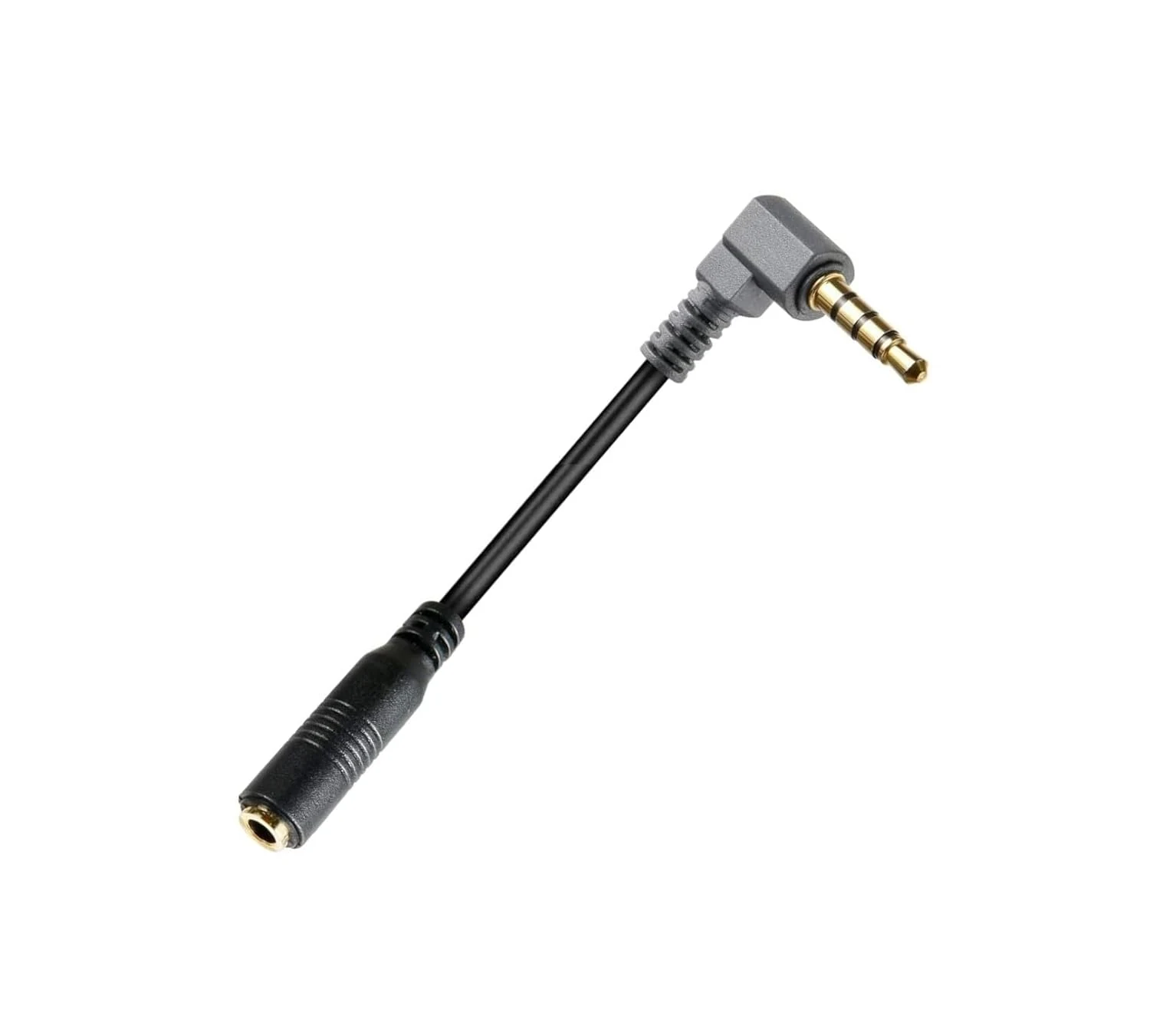
ienza Replacement SC4 TRS-TRRS, TRS 3.5mm Female to TRRS Male (Rode/Movo mic adapter)
The ienza Replacement SC4 TRS-TRRS cable is a short 3.5mm microphone adapter designed to connect a 3-pole TRS mic output to a 4-pole TRRS input on smartphones and tablets. It is a straightforward fix if you are trying to keep using a compatible Rode or Movo style shotgun mic with a device that expects TRRS, with the main caveat being the phone-side adapter and plug order for devices that do not have a built-in 3.5mm jack.
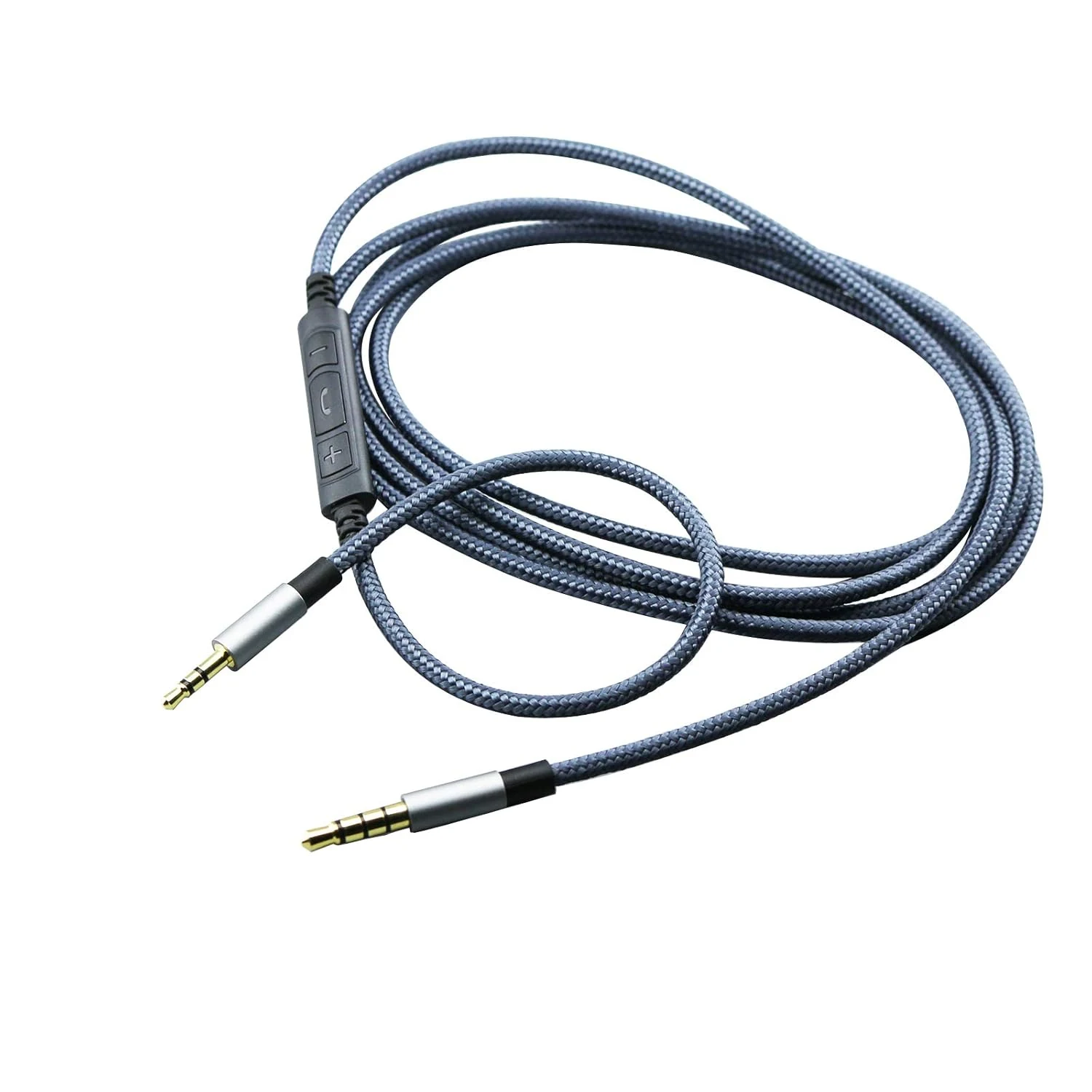
NewFantasia 3.5mm to 2.5mm Male Audio Cable Compatible with Bose Noise Canceling 700, QC35, QC45, oe2, oe2i
This 3.5mm to 2.5mm replacement audio cable is designed for specific Bose over-ear models and includes an inline remote and microphone. Buyers generally like the braided, tangle-free build, working controls, and functional mic performance for calls. The main caveat is compatibility, especially for the mic and button controls across phones and controllers.
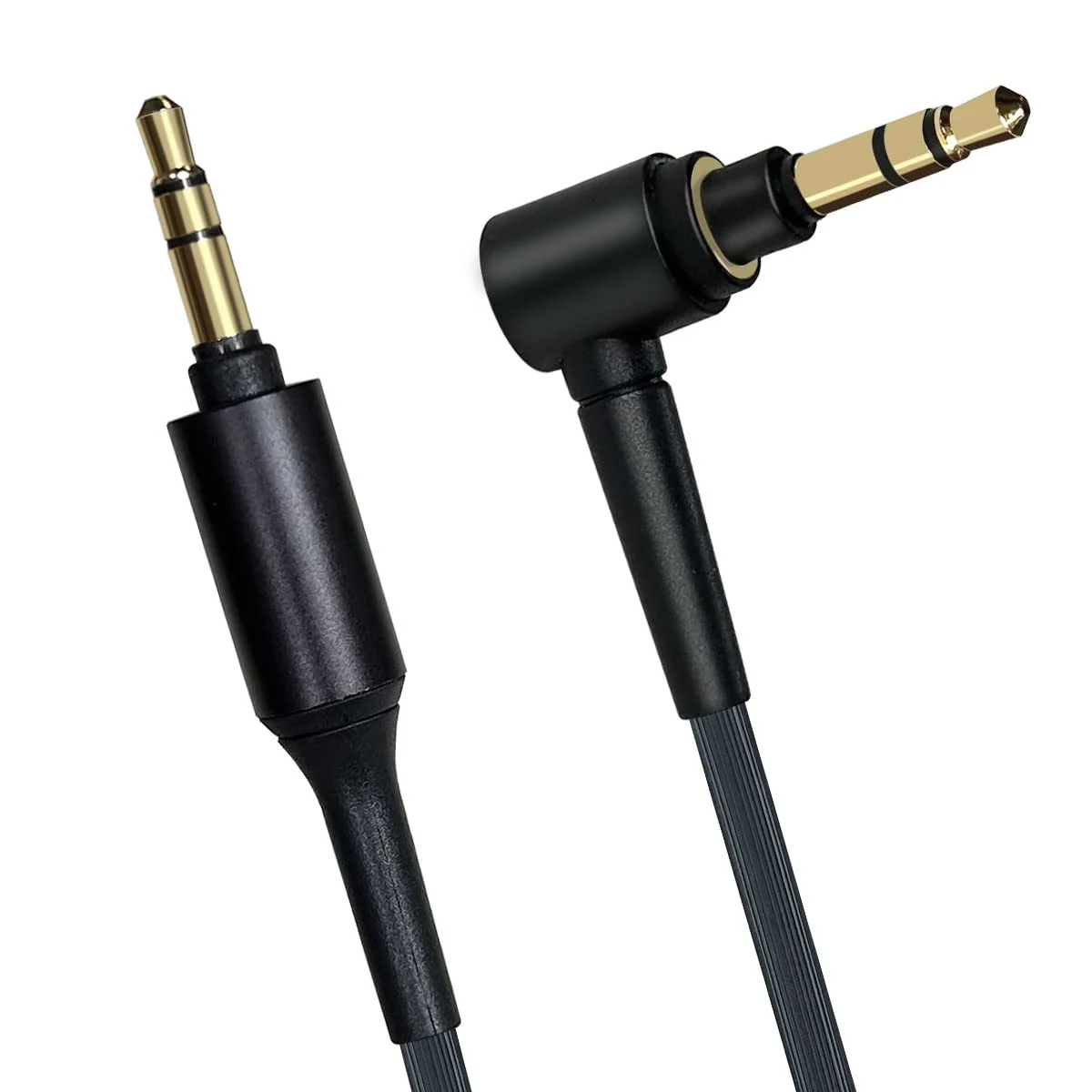
WH-1000XM4 Replacement Headphone Cable Compatible with Sony WH-1000xm5 WH-1000xm4 WH-1000xm3 MDR-1A,Cord Compatible with Sony MDR-XB950BT MDR-XB950N1 MDR-ZX770BN WH-xb910n WH-CH700N Headphone
A 1.5m 3.5mm aux replacement cable for select Sony WH and MDR over-ear models. It prioritizes straightforward wired listening with a soft TPE jacket and gold-plated 3.5mm connectors, making it a practical fix if your current cord is failing or too short. Main caveat: it only works for headphones (or sources) that support a 3.5mm jack, not for USB or wireless-only setups.
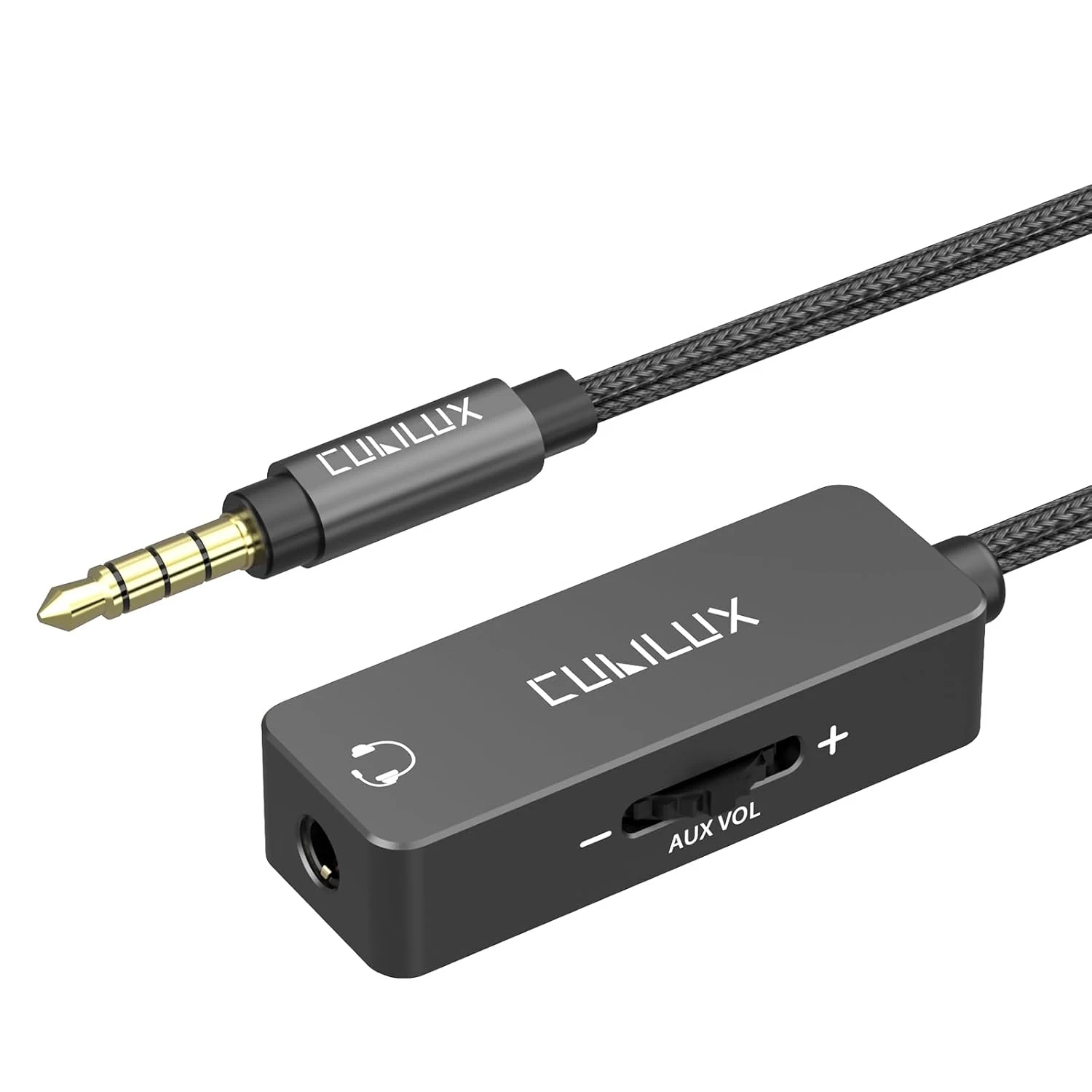
Cubilux 3.5mm TRRS Volume Attenuator Cable, 1/8-inch Headphone Extension Cord review
A 4-foot 3.5mm TRRS inline volume control cable that lets you fine-tune headphone or speaker listening without relying on phone or PC software. It supports mic passthrough (audio output volume control only) and is designed to attenuate, not amplify, so it is best for lowering overly-loud sources rather than boosting weak volume.