SanDisk Ultra 256GB microSDXC (150MB/s)
The 256GB SanDisk Ultra is more convincing as room for downloaded media, photographs and ordinary device storage than as a card for demanding camera recording. Its useful feature is a substantial amount of space in a familiar microSDXC format. Buy it because your device supports the capacity and your workload fits U1/Class 10, not because the read-speed number looks close to a more expensive card's.
Pros
- 256GB capacity for a compatible device's media library
- A1 application-performance classification
- Compatible with original Switch, Switch OLED and Switch Lite use as specified
Cons
- Not designed for Nintendo Switch 2
- U1/Class 10 is not a replacement for a required U3/V30 card
- Up to 150MB/s reads require a compatible reader setup
Buy the selected 256GB, not the range maximum
SanDisk offers the Ultra family in several capacities; this version is 256GB. A reference to much larger cards elsewhere in the range does not change the option being purchased. Check the capacity in the cart, especially when several variants share a product page.
Before choosing, measure the content you expect to keep offline. A video library, downloaded games and a few documents put very different demands on the same amount of space. Also confirm the device's supported maximum: a microSD slot alone is not enough to establish that it accepts a 256GB microSDXC card.
A fast read figure does not make it a recording specialist
The up-to-150MB/s figure describes reads using a compatible setup, including the specified SanDisk MobileMate reader. It does not describe sustained recording performance. This card carries U1/Class 10 markings, so follow the camera's requirements rather than comparing only the headline transfer speeds.
For a camera mode that calls for U3 or V30, select a card meeting that requirement. For ordinary media playback or file storage, the Ultra's balance may be more appropriate. The practical saving comes from not buying a capability you will never use, not from substituting a lower class where a higher one is needed.
The Switch generation changes the answer
This card is offered for original Nintendo Switch systems, not Switch 2. That distinction matters more than whether the card fits physically. Confirm the console generation before ordering storage as a gift or moving to a newer system.
For a phone or tablet, make the same compatibility check at the device level. A1 indicates an application-performance class, but external-storage permissions and app behavior still depend on the host. Additional capacity is useful only for the files and applications the device allows you to place there.
One large card or several smaller ones?
The PNY five-pack alternative provides five separate 32GB cards, not a single equivalent to this 256GB card. It may suit several low-capacity devices, while the Ultra is the more straightforward format for one larger library. Compare the actual arrangement you need rather than the total number of cards in the package.
SanDisk's 256GB High Endurance alternative addresses a different job: repeated recording in dash cameras and monitoring equipment. If a camera continually overwrites old footage, investigate that type of card and the camera's requirements instead of choosing this Ultra solely on capacity. Recording duty matters as much as space.
The buying decision
Choose the Ultra 256GB for supported everyday storage, with the device's capacity and speed-class requirements confirmed. Pick U3/V30 when the recording mode demands it, and a suitable endurance card for continuous overwrite work. For Switch 2, choose storage specified for that console instead.
Product details and Amazon customer ratings as of .
Reference material
Available variants
Style
- New Version
- Old Version
Capacity
- 1.5TB
- 512GB
- 128GB (2-pack)
- 32GB
- 128GB
- 64GB
- 256GB
- 1TB
- 64GB (2-pack)
- 32GB (2-Pack)
Recommended next
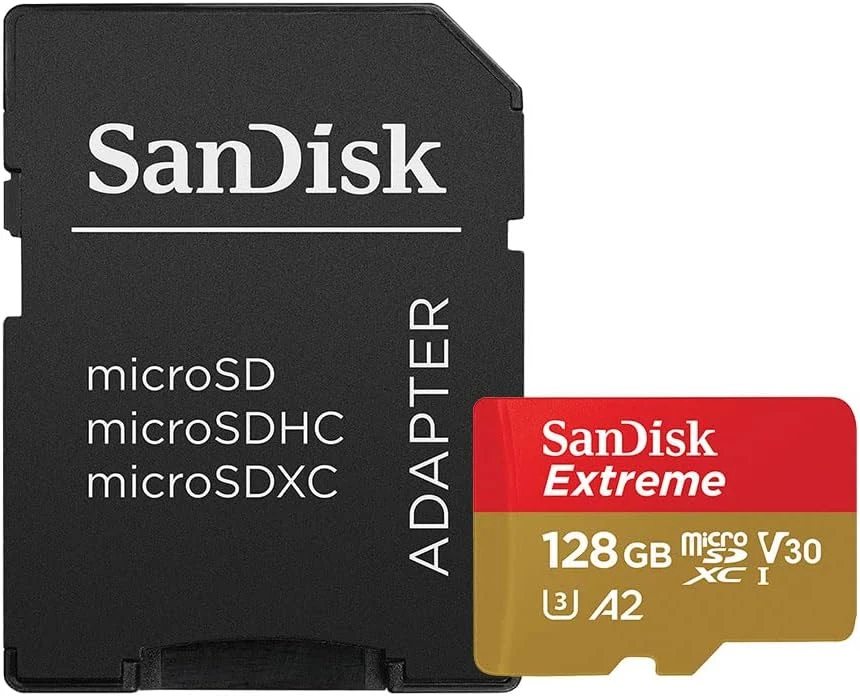
SanDisk Extreme 128GB microSDXC (160MB/s)
A U3/V30 card with A2 app-performance support. Match the camera's required speed class and the reader before paying attention to the 160MB/s headline.
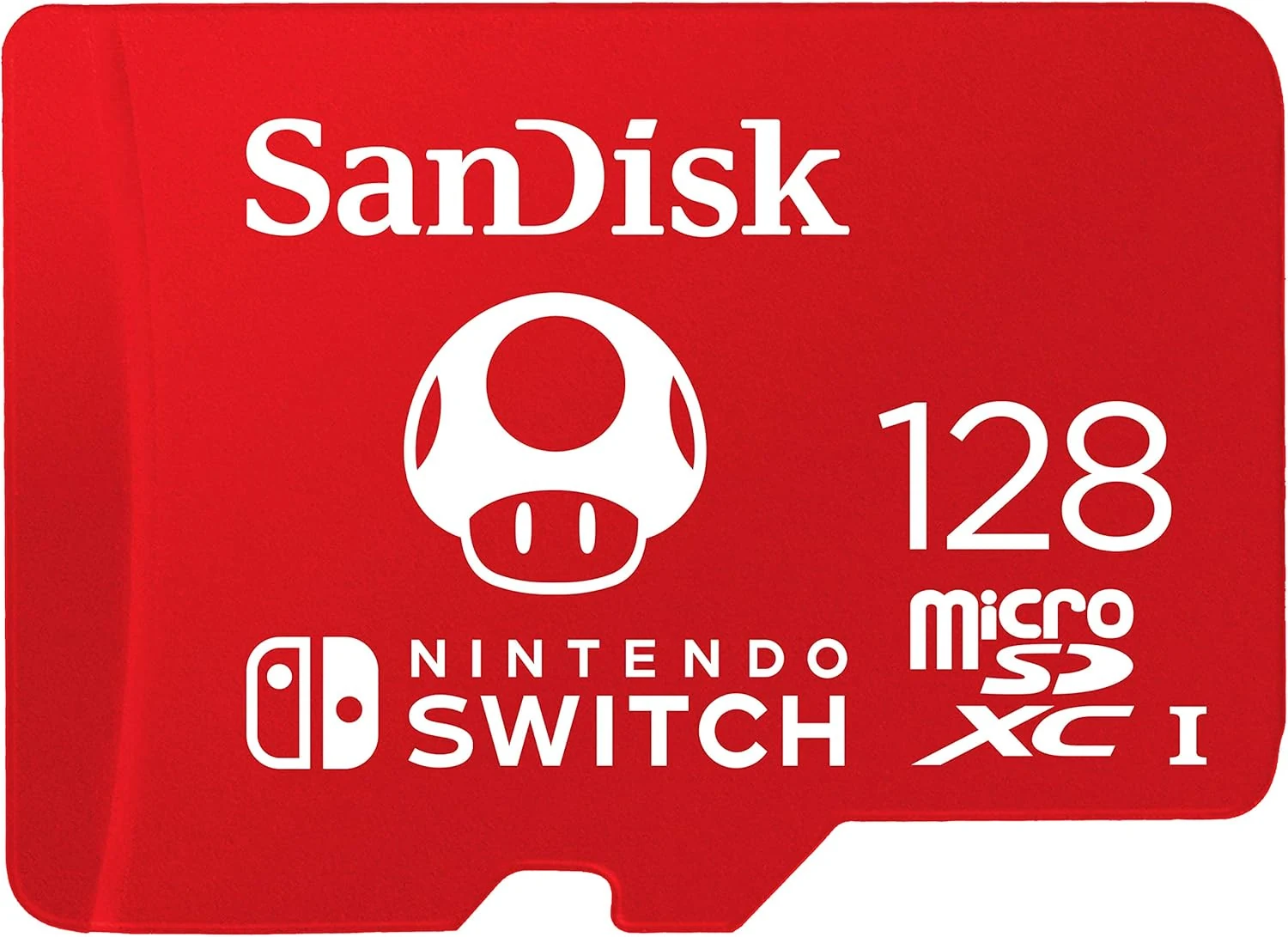
SanDisk Nintendo Switch 128GB microSDXC
A straightforward storage card for the original Switch family, not Switch 2. Capacity and exact console compatibility matter more than the licensed graphics.
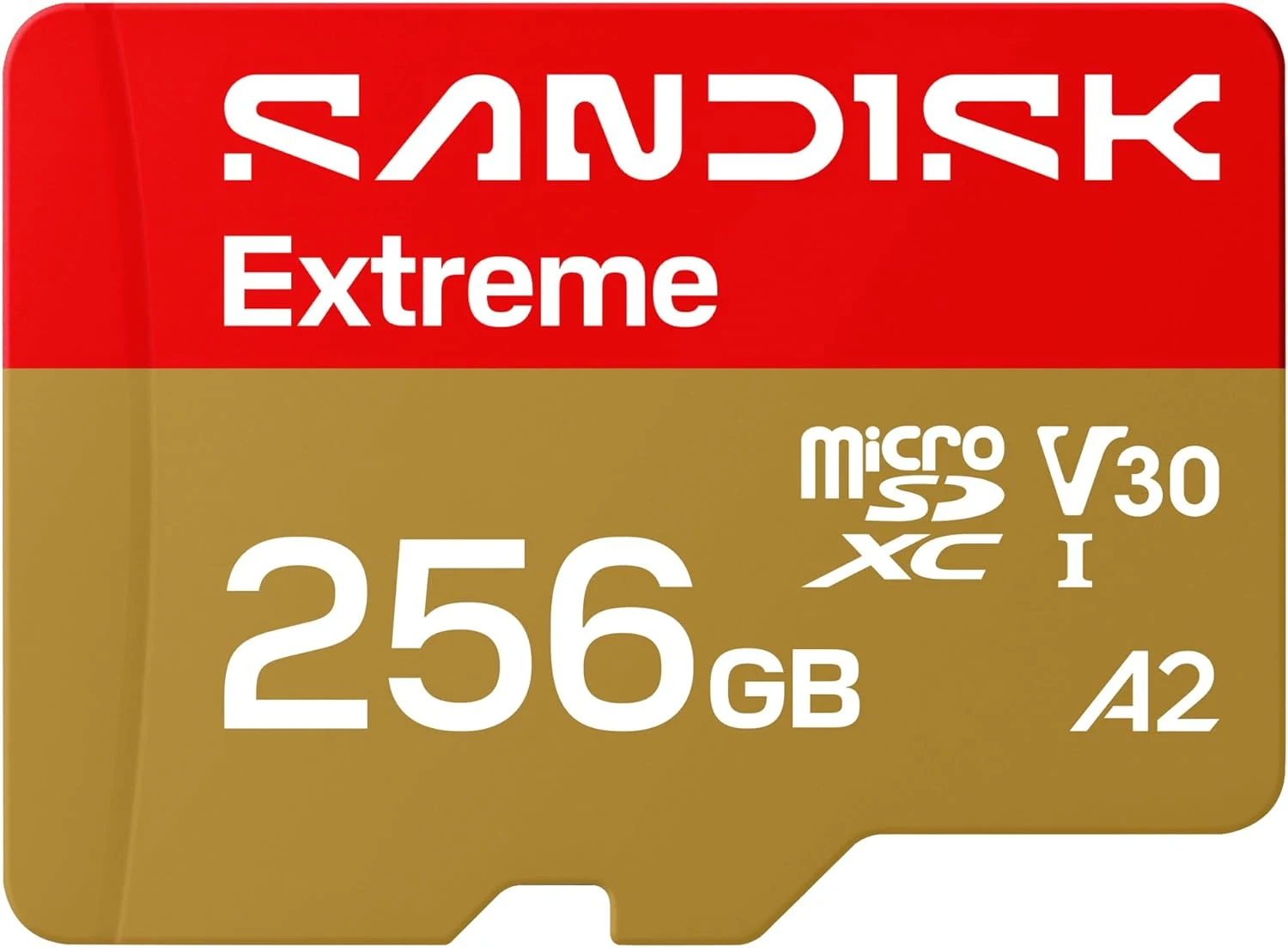
SanDisk Extreme 256GB microSD (245MB/s)
A U3/V30 card for compatible cameras and mobile devices. Its unusually high read ceiling needs the right hardware and is separate from its recording class.
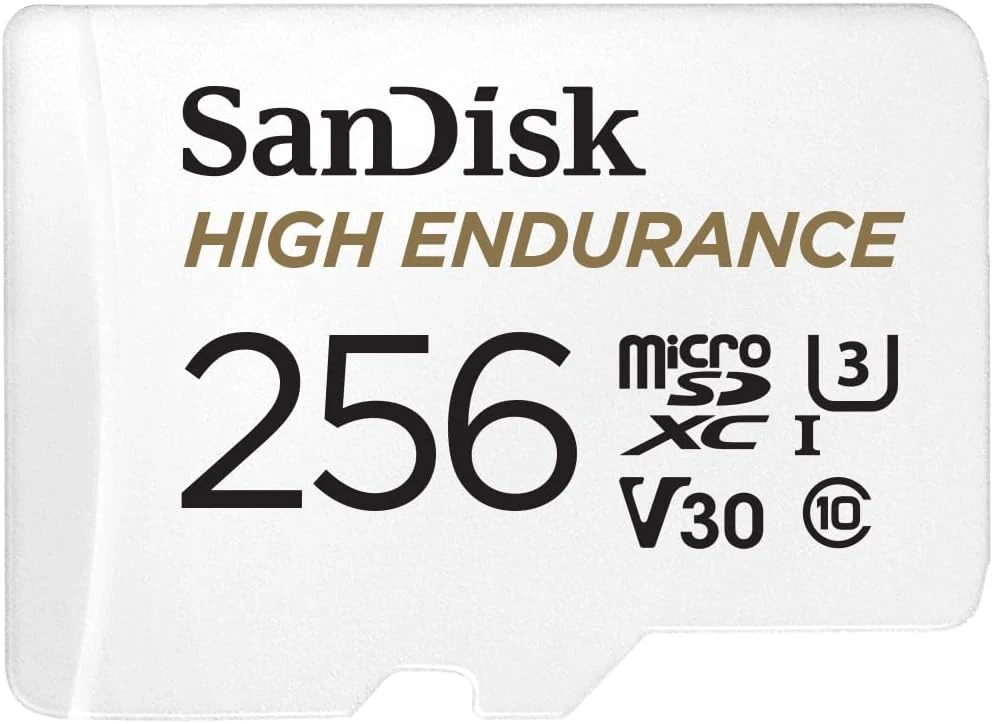
SanDisk 256GB High Endurance microSDXC for dash cams
An endurance-focused 256GB microSDXC for dash cams and home monitoring. It suits repeated overwrite use better than speed-first or general-purpose storage cards.