SanDisk Extreme 128GB microSDXC (160MB/s)
The SanDisk Extreme 128GB is a sensible candidate for a compatible camera or Android device that needs more than basic media storage. Its U3/V30 and A2 markings are more informative than the large 160MB/s read number. Start with what your device requires, then decide whether this particular capacity and performance class are worth buying.
Pros
- U3 and V30 markings for compatible recording devices
- A2 application-performance classification
- Full-size SD adapter included
Cons
- Peak read speed requires a suitable host and reader
- 128GB may be restrictive for long recording sessions
- A2 benefits depend on the device, not just the card
Recording and unloading are different jobs
SanDisk rates this card for reads up to 160MB/s and writes up to 90MB/s. Reading matters when transferring material off the card; writing matters when the camera is saving it. Those maximum figures should not be treated as the same measurement or as a continuous recording guarantee.
For video, check the camera's required class for the resolution and recording mode you use. U3 and V30 identify a different performance commitment from a peak read claim. A camera that requires a higher video class or a different card type is not made compatible simply because this card mentions 4K.
A2 is useful only in the right device
The A2 marking concerns application workloads, including random access, rather than only copying a large video file. It is relevant to a compatible device that actually uses the card that way. It does not promise that every application on every phone will load faster.
Before buying for an Android phone, confirm its supported card capacities and whether your intended applications can use external storage. A card can provide useful room for photographs and downloads even when moving applications is restricted. Buy for the storage arrangement your phone supports rather than a feature the packaging suggests in general.
The adapter changes the fit, not the speed class
The included full-size SD adapter is convenient for moving a microSD card between a compatible device and an SD slot. It does not turn the card into a faster class, and it does not make every camera accept microSDXC. Check both the supported card family and capacity.
A suitable reader also matters when unloading files. If your current reader limits transfers, replacing only the card may leave the bottleneck untouched. For a workflow with long recording sessions, decide whether one larger card or several separately managed cards makes more sense before settling on 128GB.
Choose Extreme for a requirement, not the name
The SanDisk Ultra 128GB alternative is rated U1/Class 10 with A1 support and a lower advertised read ceiling. It deserves consideration for ordinary file storage when the device does not require this Extreme's recording class. Conversely, the Ultra is not a substitute if your camera explicitly asks for V30.
A Nintendo-licensed 128GB card serves a more console-focused purchase. Check the exact console generation rather than treating the licensed graphics as a universal compatibility badge. The Extreme's stronger case is a compatible camera or device with a concrete need for its U3/V30 or A2 capabilities.
The buying decision
Choose this Extreme when the device manual points to U3/V30 or useful A2 support, and 128GB fits the job. Compare a simpler card for ordinary storage and a larger capacity for long sessions. Do not pay for the read-speed headline before checking the reader.
Product details and Amazon customer ratings as of .
Reference material
Available variants
Style
- Card Only
Capacity
- 400GB
- 128GB
- 64GB
- 256GB
- 1TB
- 512GB
Recommended next
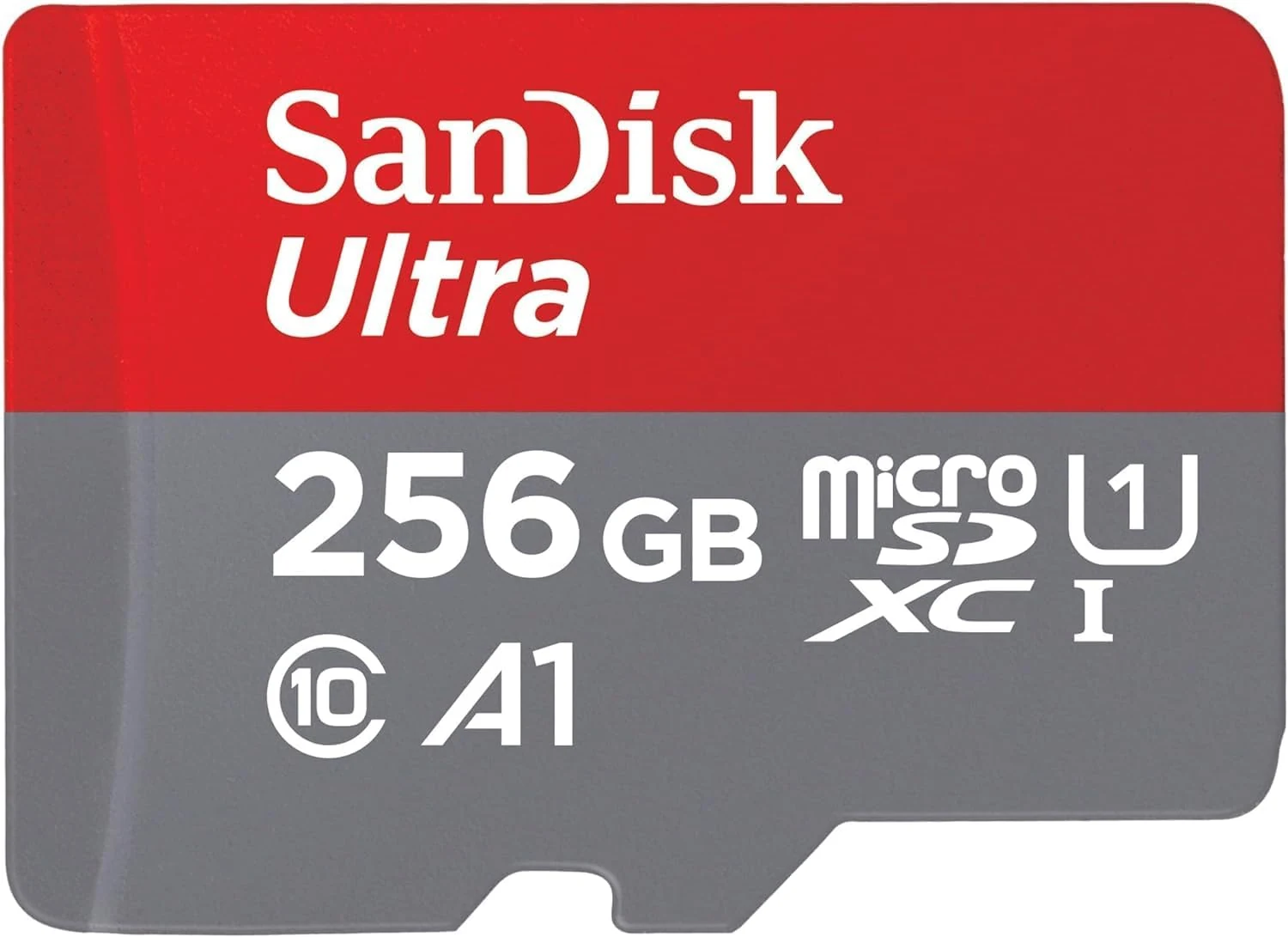
SanDisk Ultra 256GB microSDXC (150MB/s)
A capacity-focused card for compatible phones, tablets and original Switch systems. Its 150MB/s read ceiling is not a high-bitrate video rating.
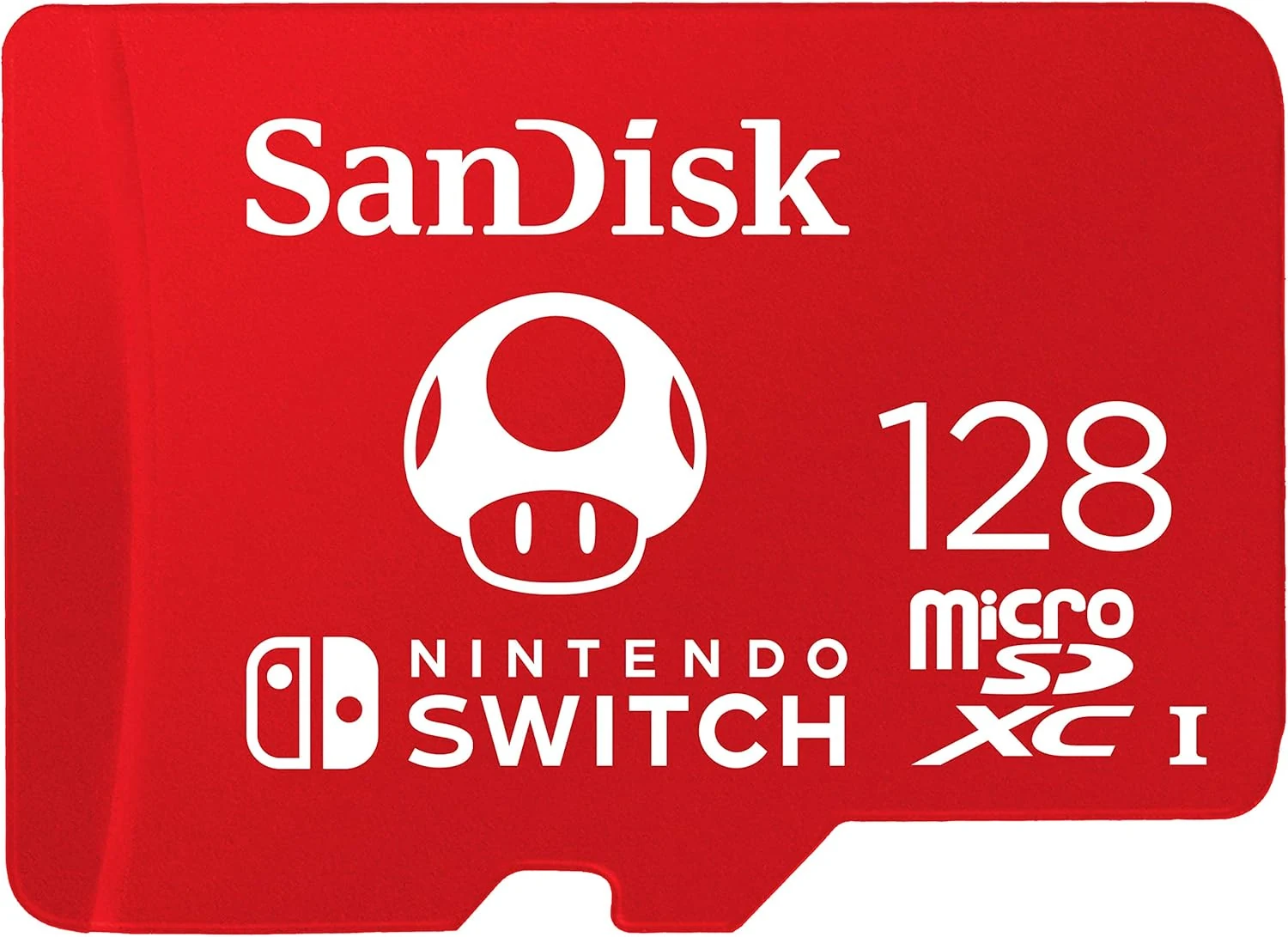
SanDisk Nintendo Switch 128GB microSDXC
A straightforward storage card for the original Switch family, not Switch 2. Capacity and exact console compatibility matter more than the licensed graphics.
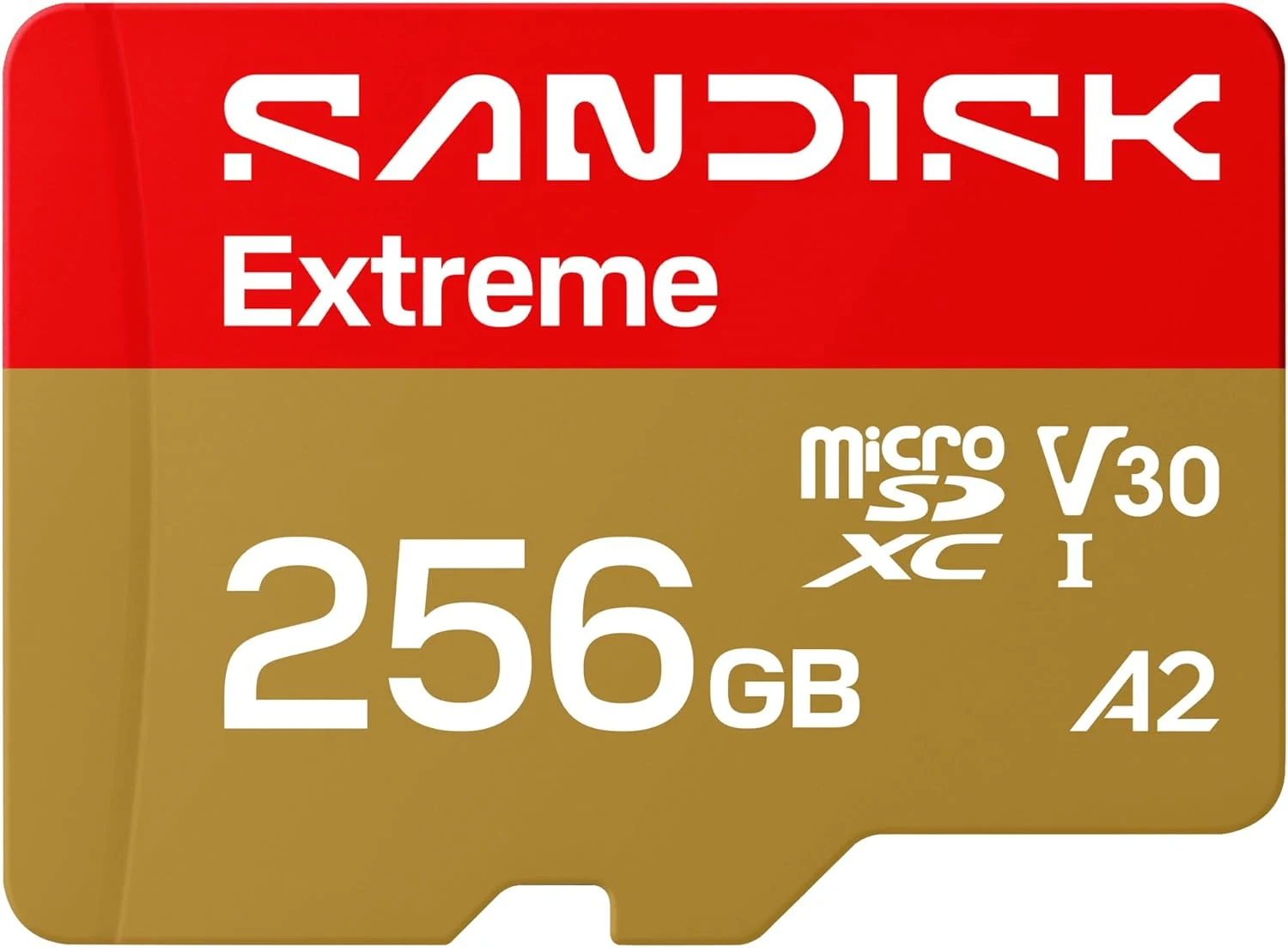
SanDisk Extreme 256GB microSD (245MB/s)
A U3/V30 card for compatible cameras and mobile devices. Its unusually high read ceiling needs the right hardware and is separate from its recording class.
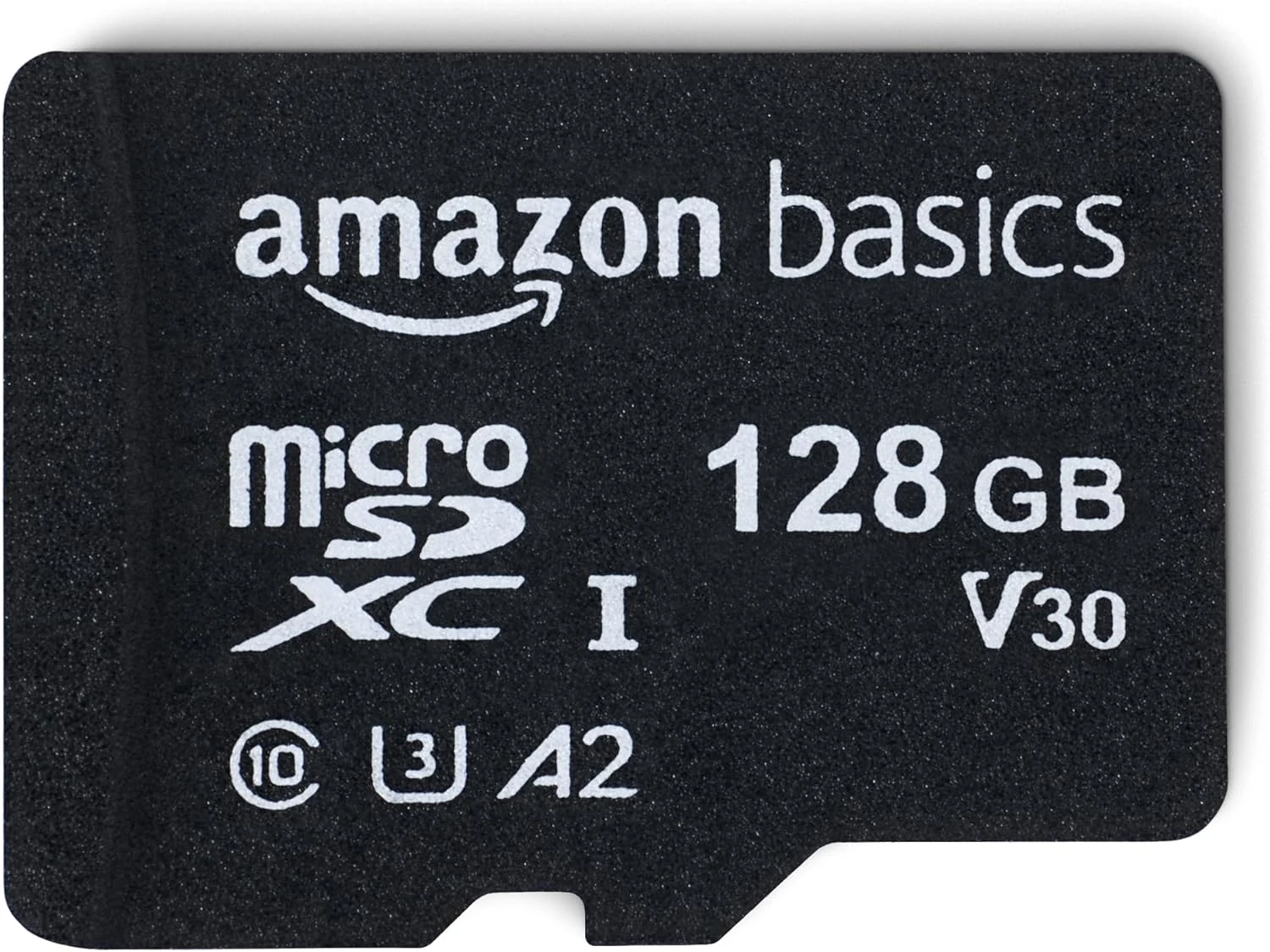
Amazon Basics 128GB microSDXC Card (A2, U3)
A 128GB UHS-I card for compatible devices, with U3/V30 and A2 ratings. Match the host's requirements; it is not a Switch 2 expansion card.