SanDisk Extreme 256GB microSD (245MB/s)
The 256GB SanDisk Extreme SDSQXH9 is worth considering when a compatible camera needs U3/V30 storage and you regularly unload substantial amounts of footage. Its 245MB/s read rating draws attention, but the recording class and camera requirements should decide the shortlist first. A fast reader can help after a shoot; it cannot make the wrong card class suitable during one.
Pros
- U3/V30 classification for compatible recording modes
- 256GB capacity in the selected version
- Rated up to 245MB/s read and 170MB/s write
Cons
- Maximum transfer rates depend on a compatible setup
- V30 does not satisfy every high-bitrate recording requirement
- Similar Extreme names make model checks important
Identify this Extreme before comparing it
This is the 256GB SDSQXH9-256G-GZ6MA, not an older Extreme carrying a lower read-speed rating. The product family covers several capacities, and a reference to 2TB is not the size of this card. Match both the capacity and model when comparing offers.
That check is particularly worthwhile when replacing a card you already own. Two cards with similar colors and the same Extreme name can carry different specifications. Establish which device will use the new card and which capability you expect it to add, rather than assuming a familiar name guarantees the same generation.
V30 matters more than the resolution on the box
SanDisk gives this card U3 and V30 classifications alongside its 5K and 4K marketing. Recording requirements depend on the camera's mode, not resolution alone. Frame rate, compression and the manufacturer's supported storage choices can change what the camera needs.
Read the manual's card requirement for your intended mode. If it calls for a higher class or a different storage format, a 245MB/s peak read claim does not override that. Equally, paying for a faster class than the camera needs may bring no benefit to the recording itself.
The transfer chain needs to keep up
The advertised maxima are up to 245MB/s read and 170MB/s write for this capacity range. To use a high read ceiling when unloading files, the reader and computer connection must support the required performance. An old adapter or slow hub can remain the limiting part of the workflow.
Separate the time spent recording from the time spent importing. If you only copy a few clips occasionally, the faster import ceiling may not justify replacing a suitable existing card. Repeatedly unloading full cards is a stronger reason to examine the complete reader-and-card setup.
Capacity should follow the session
A single 256GB card is convenient when a compatible device needs room for a longer outing. Before choosing it, check the capacity limit and estimate the files produced by your actual recording mode. Advertised video resolution does not provide enough information to calculate recording time by itself.
Consider how you will copy footage after the session as well. More room between imports can be useful, but it can also mean carrying more uncopied work on one small card. Protective ratings do not recover a card that is lost. Build the import and backup routine alongside the storage purchase.
The buying decision
Choose this Extreme for a compatible U3/V30 workflow and a real need for 256GB. Its higher transfer rating is a reason to examine your reader, not skip the camera's requirements. If the current bottleneck is somewhere else, changing only the card may not solve it.
Product details and Amazon customer ratings as of .
Reference material
Available variants
Style
- New Version
- Old Version
Capacity
- 256GB
- 512GB
- 64GB
- 32GB
- 128GB
- 1TB
- 2TB
Recommended next
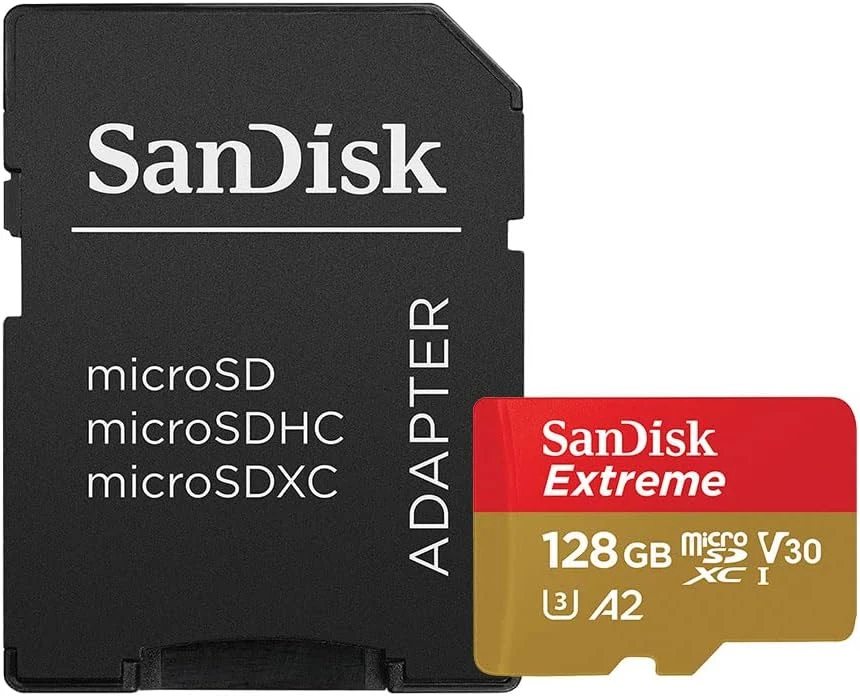
SanDisk Extreme 128GB microSDXC (160MB/s)
A U3/V30 card with A2 app-performance support. Match the camera's required speed class and the reader before paying attention to the 160MB/s headline.
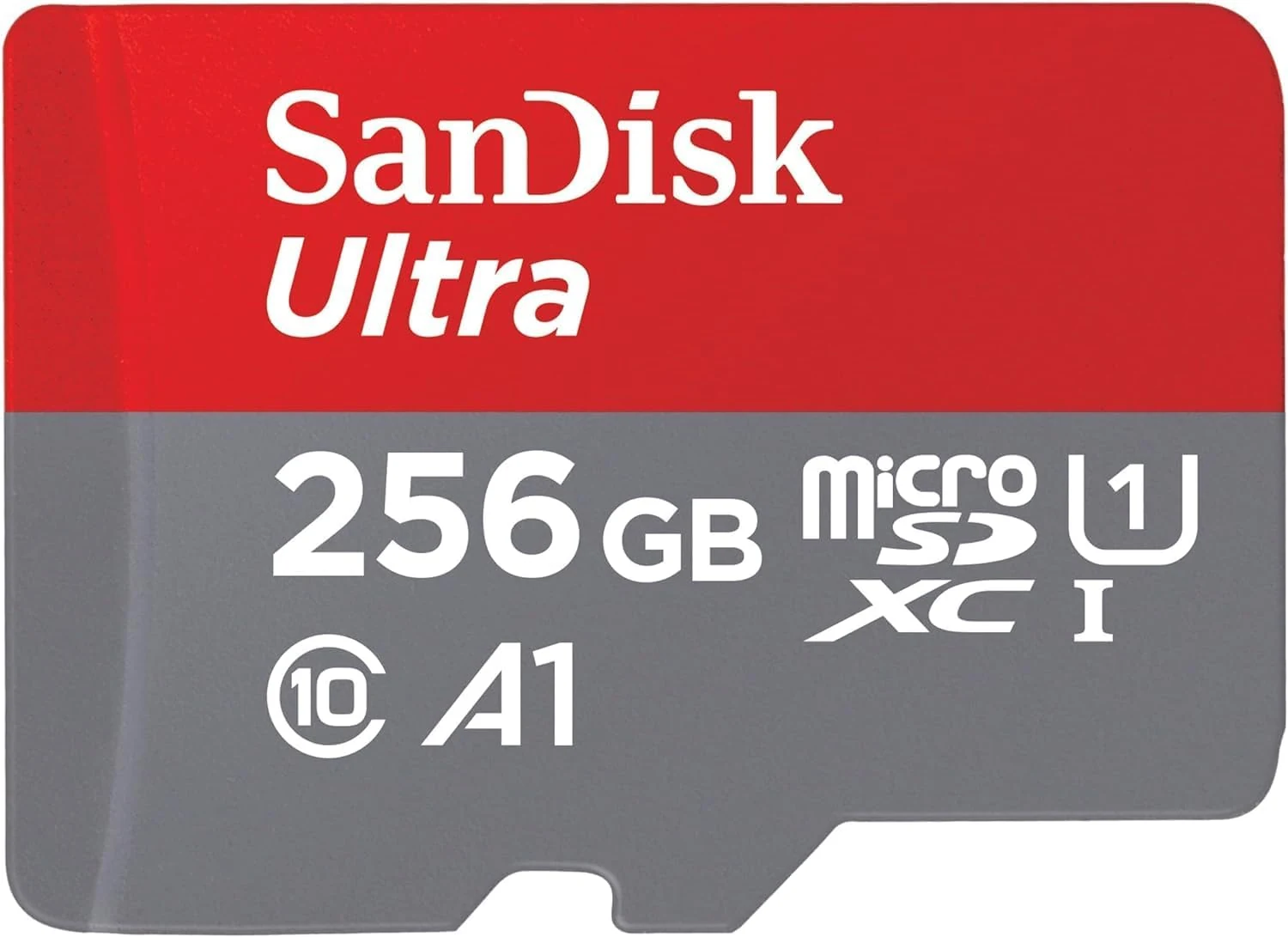
SanDisk Ultra 256GB microSDXC (150MB/s)
A capacity-focused card for compatible phones, tablets and original Switch systems. Its 150MB/s read ceiling is not a high-bitrate video rating.
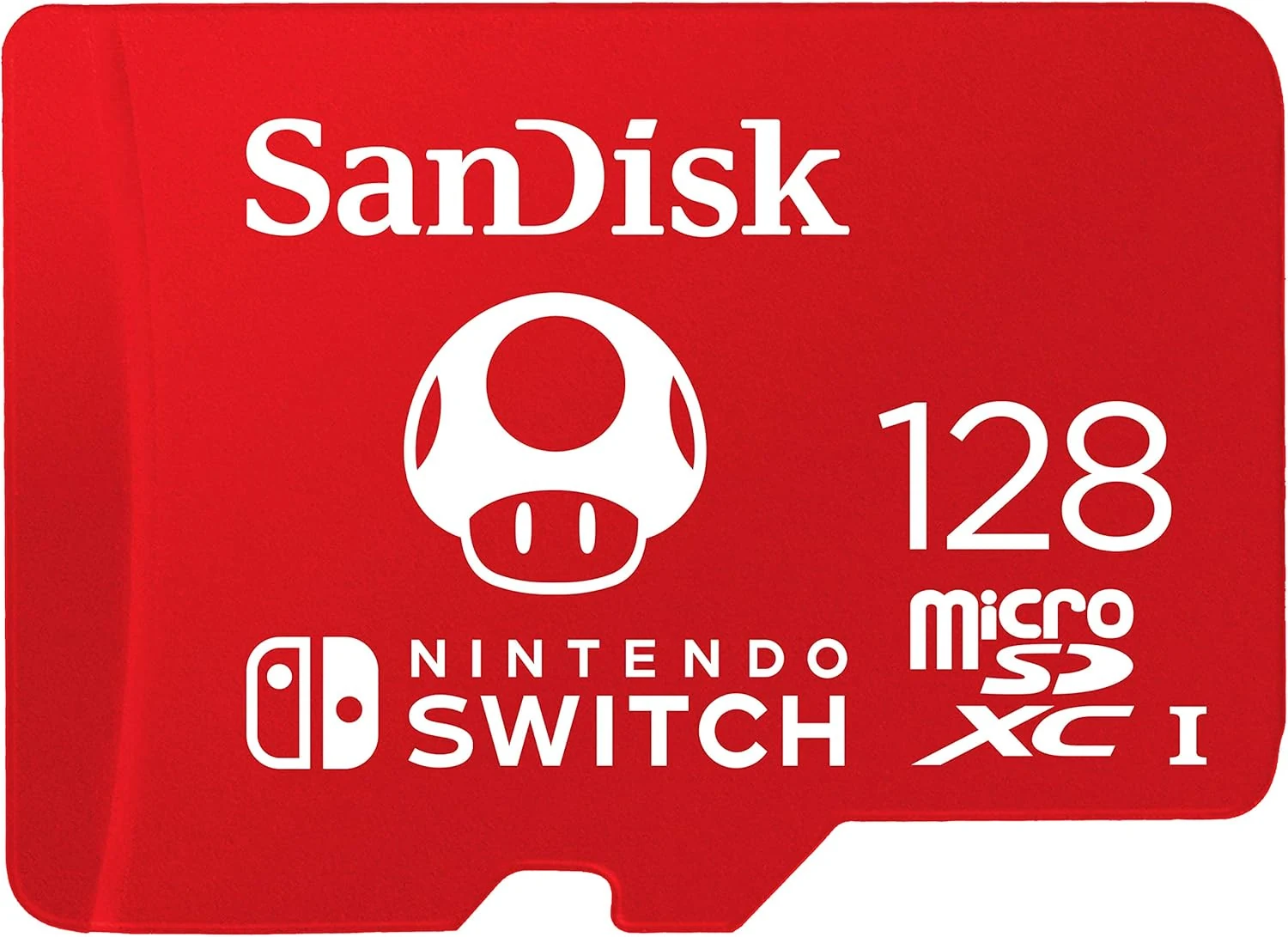
SanDisk Nintendo Switch 128GB microSDXC
A straightforward storage card for the original Switch family, not Switch 2. Capacity and exact console compatibility matter more than the licensed graphics.
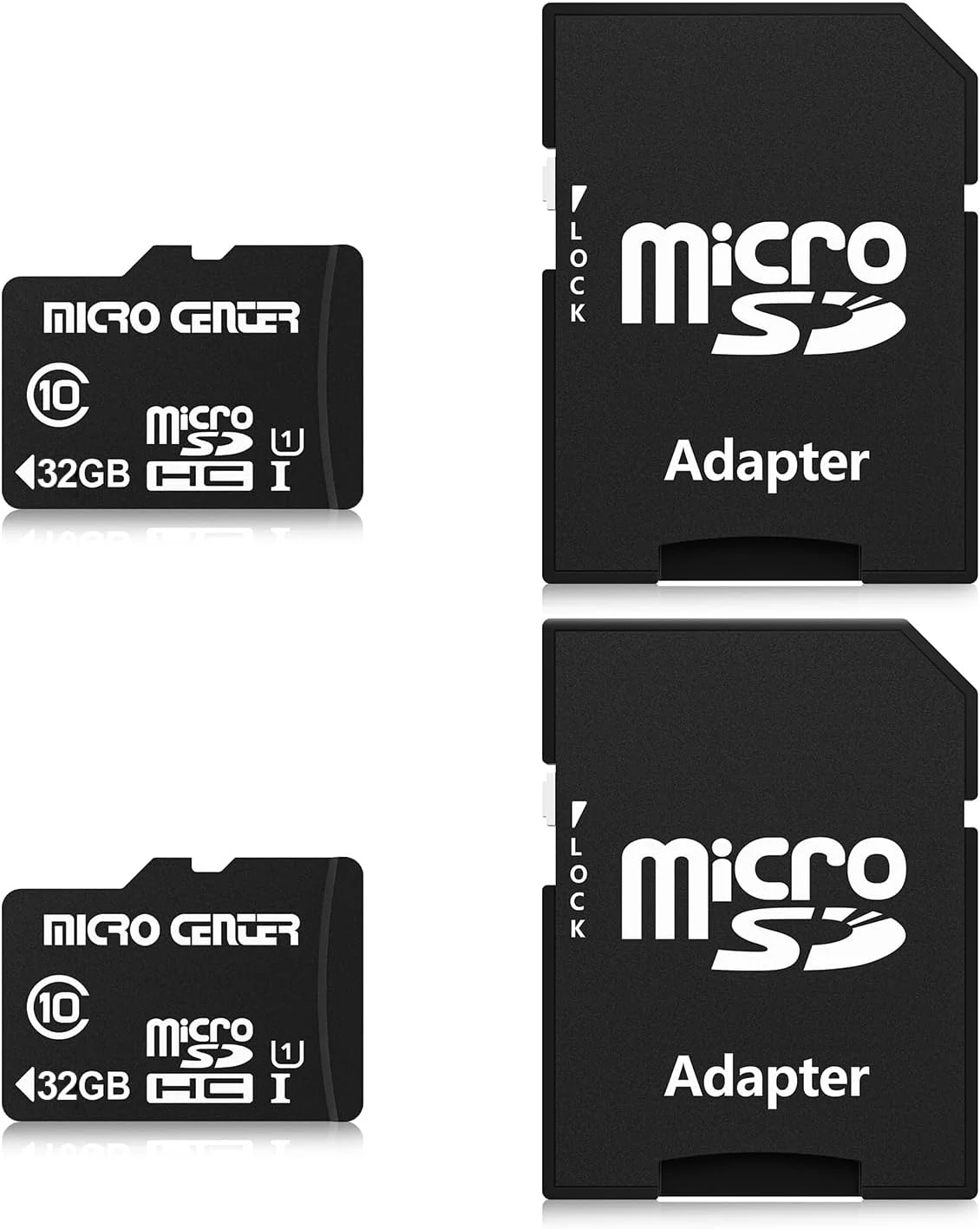
INLAND 32GB microSDHC 2-Pack with Adapter
A low-cost 32GB microSDHC two-pack for basic storage, but the modest capacity and format-compatibility limits make it best for simple, supported devices.