Linsoul Kiwi Ears S-Link Type-C IEM Cable
Quick take
The Linsoul Kiwi Ears S-Link Type-C is a USB-C IEM cable that aims to give compatible 2-pin IEMs headset-style controls and voice capture, with a detachable boom mic and a built-in inline mic. It also includes a DAC and DSP with three modes for normal, game, and hi-fi listening. The main caveat is compatibility, it only fits flat-socket 0.78mm 2-pin IEMs and may require USB-C support, with a few users reporting app/OS-specific issues.
Pros and cons
Pros
- Dual mic setup, detachable boom mic plus inline mic for different use cases
- USB-C with onboard DAC/DSP and three audio modes (Normal, Game, Hi-Fi)
- Braided silver-plated cable design that reviewers describe as more premium than typical budget IEM cables
- Smart controls for common actions like playback, calls, volume, and mode switching
Cons
- Only compatible with flat-socket 0.78mm 2-pin IEMs (it does not fit protruding-socket models)
- Mic performance can vary by environment, some users report noticeable background pickup
- Setup can be less plug-and-play for certain devices, with limited evidence of OS or driver errors
- Cable length is about 1.25m, desk setups may need a longer run
What buyers think
Buyer-review evidence is mixed but generally favorable on build and convenience. Multiple reviewers describe the braided, silver-plated cable as noticeably better than typical $10 to $15 IEM cables, including reduced tangling and a more durable feel. The detachable boom mic is a standout feature for most users who want their IEMs to function more like a headset, with voice quality described as clear in gaming and calls, and mic switching framed as straightforward. Where opinions diverge is around real-world mic noise, some reviewers report that background noise or ambient sounds can be picked up more than expected. Review evidence for the DAC/DSP modes suggests differences are present but not always dramatic, with some hearing subtle tonal shifts and others saying the changes are minor. Compatibility expectations also show up as a practical theme, the cable works only with the correct 2-pin IEM socket style and users may still run into device-specific connectivity issues.
What it is, and who it’s for
The S-Link Type-C is an IEM cable with an integrated USB-C connection, onboard DAC/DSP processing, and built-in controls that help you run calls, gaming audio, and music from your phone or compatible USB-C device. It’s most appealing if you already own (or plan to buy) IEMs that use flat-socket 0.78mm 2-pin connectors and you want an easy way to add microphones without switching to a headset.
Best for:
- Mobile gamers who want low-latency-style “Game” mode plus a usable mic
- People who take calls on the go and would rather use their IEMs than a separate headset
- Users who like switching between mic types (boom for clearer positioning, inline for simpler day-to-day use)
Who should avoid it:
- Anyone whose IEMs have protruding 2-pin sockets, since the cable is not compatible with those styles
- Buyers whose priority is the cleanest possible mic in noisy rooms, since real-world background pickup is reported by some reviewers
- People relying on a specific phone or Windows setup where USB audio or drivers can be finicky, since limited review evidence suggests there can be device errors
Design and controls you will actually use
At a glance, this cable is built around convenience. You get smart controls for common audio actions like play or pause, volume, track skipping, and phone call handling. There’s also a mode system with three profiles, “Normal,” “Game,” and “Hi-Fi,” intended to change the onboard DAC/DSP behavior. Reviewers also emphasize that switching between the inline mic and the detachable boom mic is simple, so you can tailor mic positioning without digging through settings.
Dual microphone setup, and the tradeoffs
The S-Link includes two options. The detachable boom mic is meant to focus on your voice and reduce pickup of room sound, while the inline mic is there for quick, casual use. In everyday terms, the boom mic is the feature you buy this cable for if your goal is “IEMs that can function like a headset.” However, mic accuracy in practice can depend on your room and how close the mic is to your mouth. Some users report background noise pickup despite the directional design, and another practical consideration is that the boom mic adds weight, which can feel awkward for longer sessions.
Sound modes (normal, game, Hi-Fi)
This cable uses a dedicated DAC chipset with mini DSP and supports three modes: Normal, Game, and Hi-Fi. The intended idea is straightforward, normal mode for daily calls and streaming, game mode for gaming-focused behavior with mic noise reduction, and hi-fi mode for higher-fidelity music playback. Review feedback suggests the differences are audible but not always huge, with some listeners describing subtle changes in tonal balance rather than dramatic shifts.
Compatibility and key limitations
This is where you should be extra careful. The cable is designed for flat-socket 0.78mm 2-pin IEMs. It does not fit protruding-socket models such as KZ, CCA, TRN, Tangzu, and Simgot EM6L. If you are unsure, check your IEM’s connector style before buying, since a mismatched connector is not a “small issue,” it’s an outright fit problem.
Length is also a practical detail. The cable is about 1.25m, which is often fine for commuting and portable use, but desk setups may benefit from a longer run.
Pros and cons recap
- Pick it up if you have compatible flat-socket 2-pin IEMs and want USB-C DAC/DSP plus a microphone that can handle gaming and calls.
- Skip it if your IEM connector style is protruding 2-pin, or you need consistently low-noise mic performance in very loud environments.
Price and availability
It’s positioned as an affordable add-on cable (listed around $25.99), aimed at buyers who want more functionality than standard IEM cables. Since price can change, it’s worth checking the current Amazon listing before you decide.
FAQ
Does the S-Link Type-C work with any 2-pin IEM?
No. It’s only compatible with flat-socket 0.78mm 2-pin IEMs. It does not fit protruding-socket 2-pin IEMs.
What audio modes are included?
The cable includes three modes: Normal, Game, and Hi-Fi. These are intended to switch the onboard DAC/DSP behavior for daily use, gaming, and music listening.
Are there two microphones, and can you switch them?
Yes. You can use either the detachable boom mic or the built-in inline mic, and switching between them is part of the cable’s design.
How long is the cable?
The cable is about 1.25m, which is geared toward mobile, commuting, and compact desk use.
Is the mic good for calls in noisy rooms?
Mic performance can vary by environment. Some users report background noise pickup, even with the directional boom mic, so quiet or controlled spaces generally work better.
Does it work with iPhone and Windows?
USB-C support depends on the device and its audio handling. Review evidence includes at least one report of errors on iOS and Windows, so compatibility can require some testing on your specific setup.
Specifications
| Product Title | Linsoul Kiwi Ears S-Link Type-C IEM Cable,Gaming Earphone Cord with DAC+DSP,Dual Mic (Detachable Boom Mic+Inline Mic),3 Modes Smart Control,1.2m Silver-Plated Cable for Gamers (Silver, 2Pin) |
|---|---|
| Category | Electronics > Headphones, Earbuds & Accessories > Extension Cords |
| Brand | Linsoul |
| Manufacturer | Linsoul |
| Model Name | Kiwi Ears S-Link Type-C |
| Model Number | Kiwi Ears S-Link Type-C |
| Form Factor | In Ear |
| Connectivity Technology | Wired |
| Color | Silver |
| Brand Name | Linsoul |
| Built-In Media | Cable |
| Age Range Description | Adult |
| Number of Items | 1 |
| Enclosure Material | Silver |
| Specific Uses For Product | Gaming |
| Compatible Devices | Headphone |
| Additional Features | Braided |
| Headphone Jack | Type-C |
| Headphones Ear Placement | In Ear |
| Headphone Folding Features | In Ear |
| Earpiece Shape | In-Ear |
| Unit Count | 1.0 Count |
| Ear Placement | In Ear |
| Headphones Jack | Type-C |
Available variants
Color
- Silver
Connector Type
- 2Pin
Recommended next
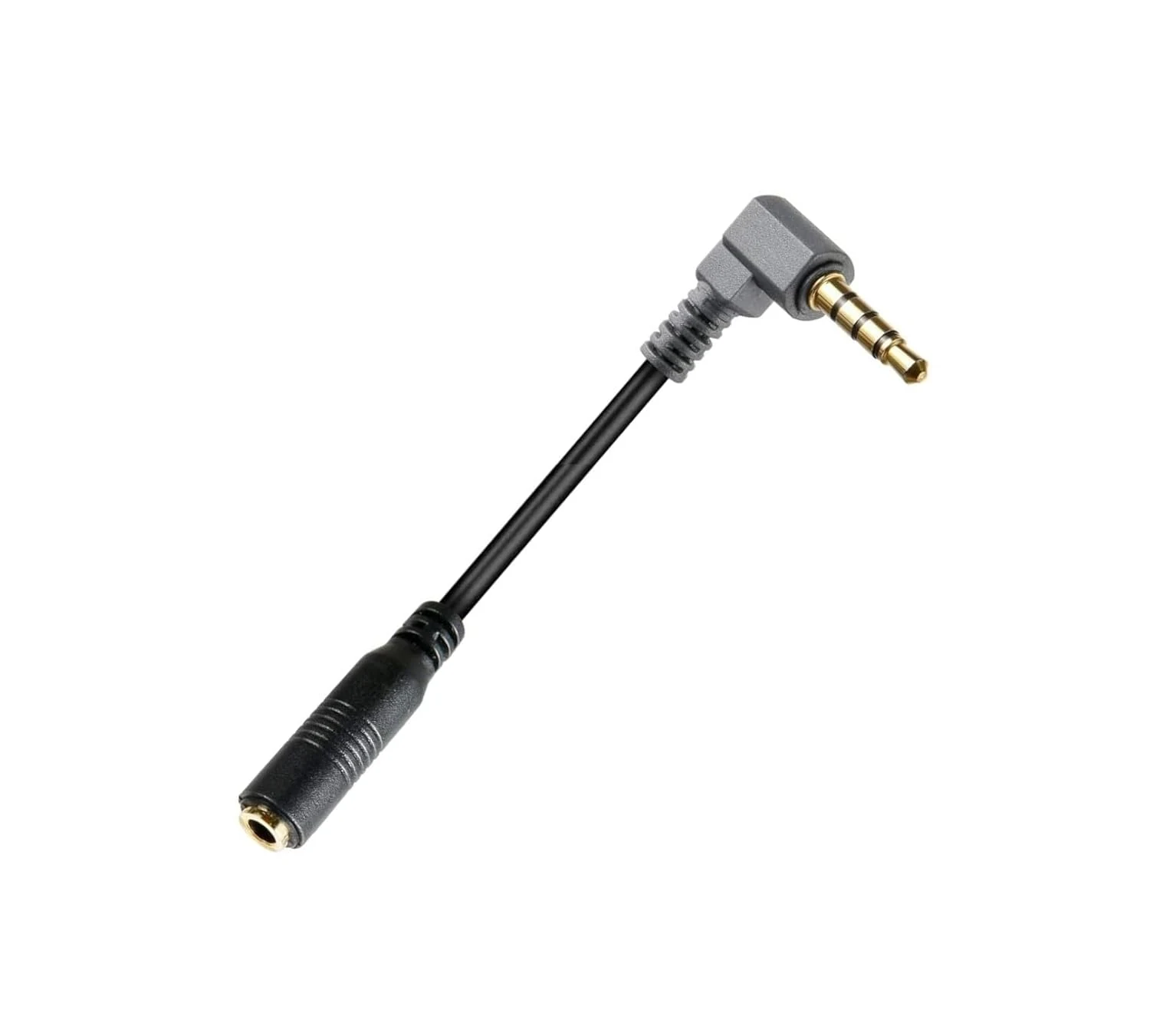
ienza Replacement SC4 TRS-TRRS, TRS 3.5mm Female to TRRS Male (Rode/Movo mic adapter)
The ienza Replacement SC4 TRS-TRRS cable is a short 3.5mm microphone adapter designed to connect a 3-pole TRS mic output to a 4-pole TRRS input on smartphones and tablets. It is a straightforward fix if you are trying to keep using a compatible Rode or Movo style shotgun mic with a device that expects TRRS, with the main caveat being the phone-side adapter and plug order for devices that do not have a built-in 3.5mm jack.
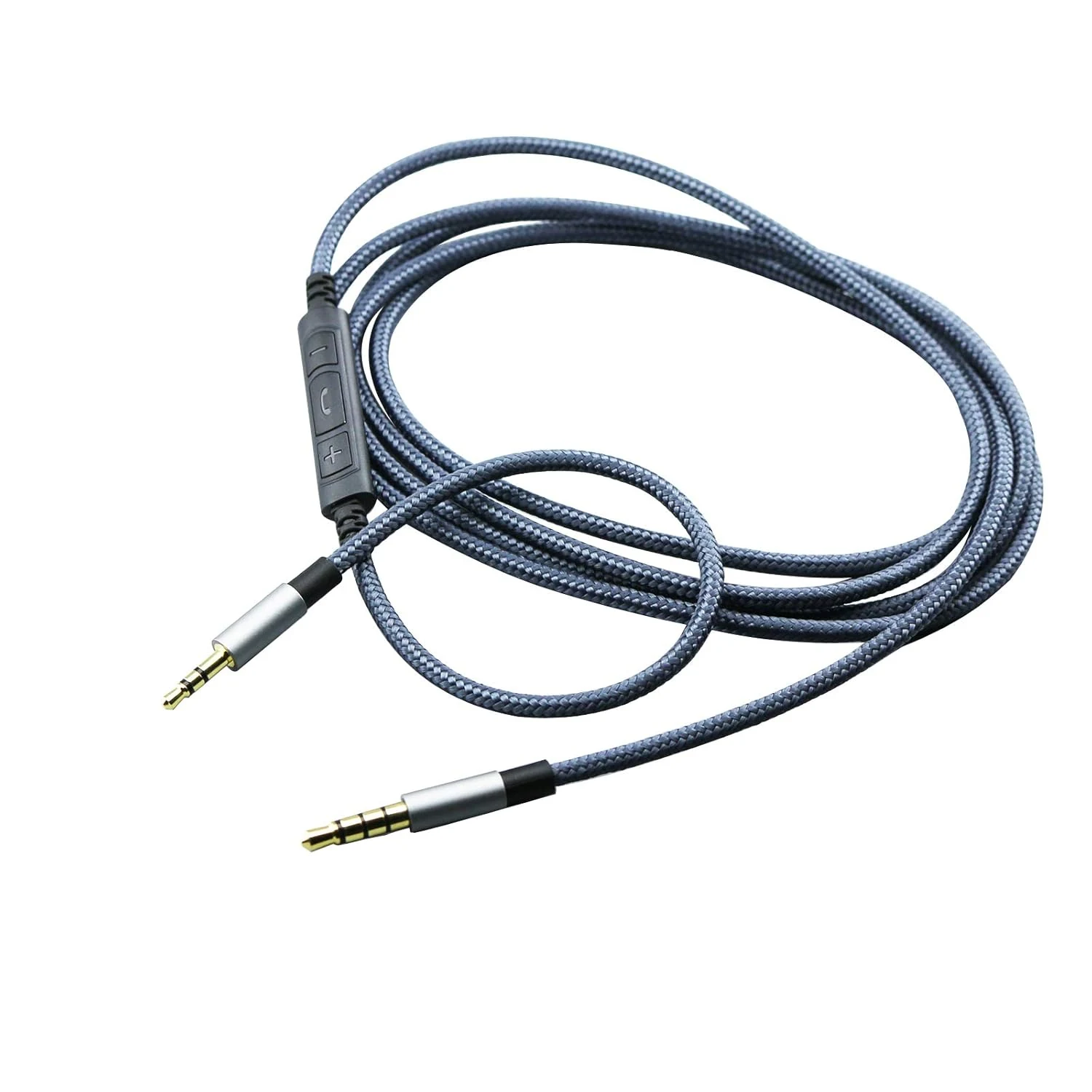
NewFantasia 3.5mm to 2.5mm Male Audio Cable Compatible with Bose Noise Canceling 700, QC35, QC45, oe2, oe2i
This 3.5mm to 2.5mm replacement audio cable is designed for specific Bose over-ear models and includes an inline remote and microphone. Buyers generally like the braided, tangle-free build, working controls, and functional mic performance for calls. The main caveat is compatibility, especially for the mic and button controls across phones and controllers.
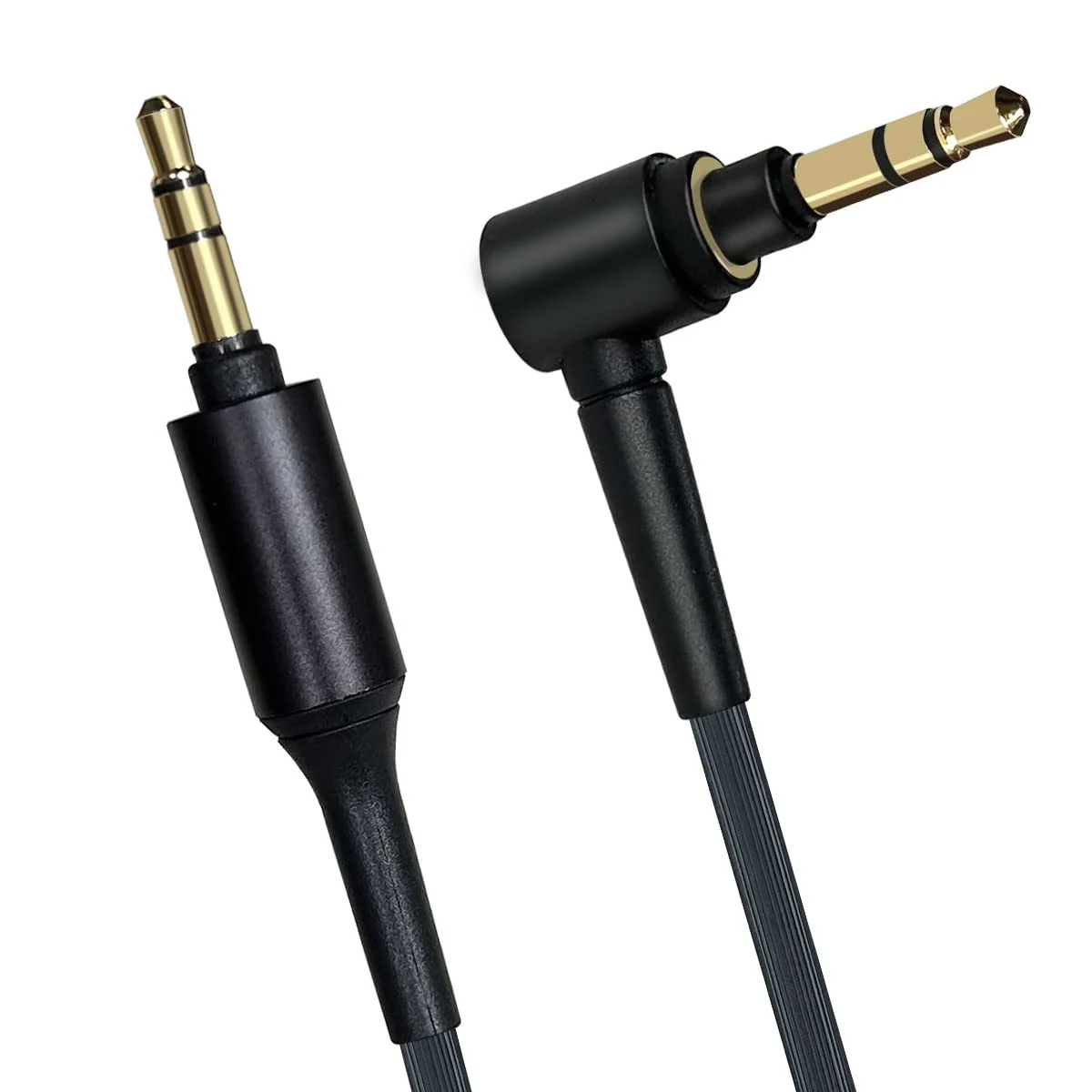
WH-1000XM4 Replacement Headphone Cable Compatible with Sony WH-1000xm5 WH-1000xm4 WH-1000xm3 MDR-1A,Cord Compatible with Sony MDR-XB950BT MDR-XB950N1 MDR-ZX770BN WH-xb910n WH-CH700N Headphone
A 1.5m 3.5mm aux replacement cable for select Sony WH and MDR over-ear models. It prioritizes straightforward wired listening with a soft TPE jacket and gold-plated 3.5mm connectors, making it a practical fix if your current cord is failing or too short. Main caveat: it only works for headphones (or sources) that support a 3.5mm jack, not for USB or wireless-only setups.
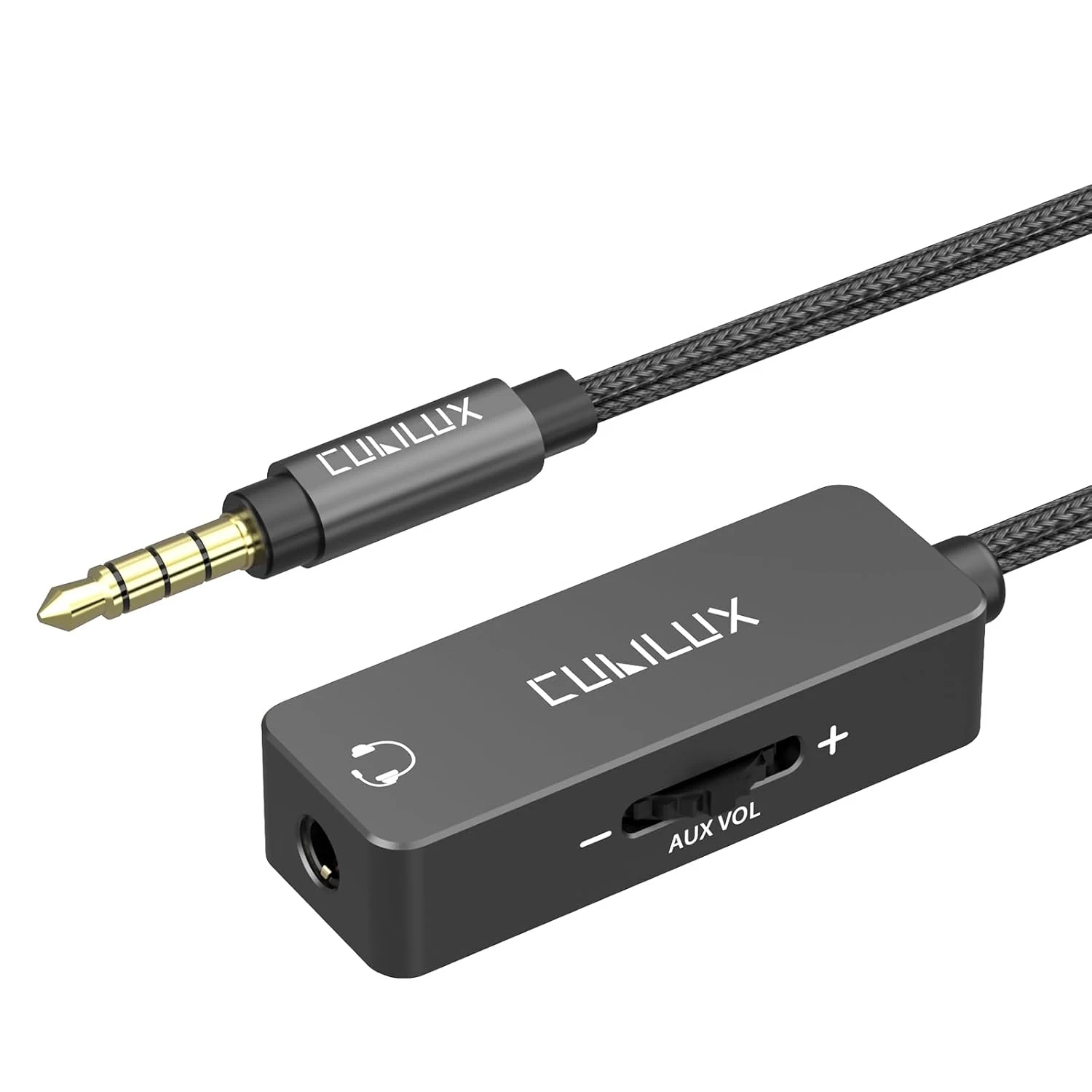
Cubilux 3.5mm TRRS Volume Attenuator Cable, 1/8-inch Headphone Extension Cord review
A 4-foot 3.5mm TRRS inline volume control cable that lets you fine-tune headphone or speaker listening without relying on phone or PC software. It supports mic passthrough (audio output volume control only) and is designed to attenuate, not amplify, so it is best for lowering overly-loud sources rather than boosting weak volume.