VIISAN K48 48MP Book Scanner & Document Camera, AI-Powered USB
Quick take
The VIISAN K48 is designed for book digitization and scanning workflows that benefit from automation like page-turn detection, AI curve flattening, and OCR for searchable outputs. It may be a reasonable choice for text-first projects (black-and-white pages, archiving, creating searchable PDFs), but buyer feedback highlights potential software limitations and inconsistent results with color images, plus some practical scanning-area constraints.
Pros and cons
Pros
- High capture detail for digitization (48MP sensor, 600 DPI, supports large-format pages).
- Automation features for faster workflows, including page turning detection and auto page smoothing (curve flattening).
- Laser guide for alignment and tools aimed at easier positioning before capture.
- OCR support intended for searchable PDFs and editable outputs, plus text-to-speech functionality.
- 4K live view over USB 3.0 Type-C for real-time reviewing and teaching-style use.
Cons
- Available feedback suggests the software experience (especially on Mac) can be limiting and frustrating.
- Color scanning can show distortion or artifacts in some use cases, pushing some users toward alternative methods for colored pages.
- Book-scanning convenience may depend on whether your book fits the effective open scanning area, which can affect workflow.
- Laser positioning guidance may not be tied to every “auto” enhancement feature, so expectations should be calibrated.
What buyers think
Buyer-review evidence for the VIISAN K48 is limited, but the themes that do show up are directly related to the day-to-day scanning workflow. Reviewers report that black-and-white text can scan “reasonably well,” while color pages may produce distortion, streaking, or other visual artifacts. Several concerns also point to the software layer: on at least one platform, the software is described as limited in functionality and difficult to use for multi-step digitization. There are also workflow tradeoffs around book fit and scanning-area constraints, which can force additional steps like scanning pages as separate documents and assembling them later. Overall, the review evidence suggests the K48 may work better as a text-focused digitization tool than as a full-color archival scanner for users who want consistent, low-effort results.
How the VIISAN K48 is positioned for book and document digitization
The K48 combines a high-resolution imaging sensor and an automation-focused software workflow to reduce manual steps when digitizing books and documents. Key ideas include flattening curved pages, splitting double pages automatically, and triggering captures based on page turning. It also aims to support searchable and editable outputs through OCR, along with accessibility-oriented text-to-speech output.
Automation features that matter when you scan lots of pages
- Auto page smoothing (curve flattening): Intended to flatten curved pages, reduce finger shadows, purify backgrounds, and handle double-page splitting.
- Page turning detection: Designed to start scanning when a page is turned, helping streamline batch digitization.
- Alignment guidance: A built-in laser guide is included to help center the capture area before scanning.
OCR and accessibility outputs
If your goal includes searchable documents, the K48 supports OCR across 130+ languages and is intended to generate searchable PDFs and editable Word, Excel, or text formats. It also includes a text-to-speech function that can convert scans into MP3 or WAV audio, with the important caveat that this is described as Windows-only.
Image quality and color: where buyers report the biggest differences
From available feedback, the K48 appears to handle black-and-white text more reliably than color pages. Buyers who digitize materials with lots of color imagery may need to plan for potential extra work, such as switching capture methods for color-heavy pages or re-scanning when artifacts show up. If your archive needs accurate color reproduction, consider validating your workflow expectations before committing to long digitization sessions.
Setup, compatibility, and scanning-area fit
The K48 connects via USB 3.0 Type-C and is positioned as plug-and-play with Windows 10/11 and macOS 10.15+. The effective maximum media size is listed as 11.7 x 16.5 inches, and the scanning experience can depend on how comfortably your book fits when opened over the capture area. If your books are larger or have a binding that prevents flat opening within the scanner’s area, you may need to adapt your scanning method, which can reduce the “hands-off” benefit.
Pros and cons, summarized
In practical terms, the VIISAN K48 is strongest when you want automation to speed up page-by-page digitization and OCR to convert text into searchable formats. The main risk is consistency, especially for color images, plus potential friction depending on the software experience on your operating system.
Who should buy the VIISAN K48
- You digitize books, catalogs, and documents where text clarity and searchable OCR output are priorities.
- You want automation (page turning detection and curve flattening) to reduce manual retouching.
- You value 4K live view for real-time document review, classes, or presentations.
- You can work within the listed maximum capture size and expect to position books within the scanner area.
Who should avoid it or consider an alternative
- If you require consistent, artifact-free color scanning for archival-quality image reproduction, buyer feedback suggests you may be disappointed and may need another capture method for color pages.
- If you are sensitive to software workflow on your specific operating system, limited feedback indicates the software can be frustrating for some users.
- If your primary goal is scanning large, thick books that cannot open flat within the effective capture area, the workflow may become more manual than you expect.
Verdict
The VIISAN K48 is best thought of as a book-digitization document camera that focuses on automation and OCR for text-centric workflows. For black-and-white pages and searchable archival needs, it has features that can save time. For full-color archival scanning and users who expect the software and enhancements to “just work” end to end, buyer feedback points to real-world limitations, so you may want to validate your requirements carefully before investing serious digitization time.
Price and availability
Pricing and stock can change quickly. Check the current listing for the latest price and ordering availability.
FAQ
- Is the VIISAN K48 good for book digitization?Yes. It is designed for scanning books and curved pages using page-turn detection and curve-flattening features, with OCR intended to create searchable outputs.
- Does the K48 work well with color images?Available buyer feedback suggests black-and-white text can be more reliable than color pages, and some users report distortion or artifacts on color imagery.
- What OCR outputs can it generate?It is intended to produce searchable PDFs and editable Word, Excel, or text outputs, and it supports OCR in 130+ languages.
- Is the text-to-speech feature available on macOS?The text-to-speech functionality is described as Windows-only.
- How does page turning detection work?The scanner is designed to trigger captures as you turn pages, which can help streamline higher-volume scanning without manually starting each capture.
Specifications
| Product Title | VIISAN K48 48MP Book Scanner & Document Camera, AI-Powered USB Camera with 600 DPI – Used for Book Digitization, Archiving & OCR, Auto Page Smoothing, Laser Positioning, Windows/Mac |
|---|---|
| Category | Office Products > Office Electronics > Document Cameras |
| Brand | VIISAN |
| Manufacturer | Viisan |
| Model Name | K48 |
| Item Weight | 1.5 Kilograms |
| Scanner Type | Document, Photo |
| Connection Type | USB |
| Resolution | 600 dpi |
| Color Depth | 48 bits_per_pixel |
| Media Type | USB |
| Minimum System Requirements | Windows 10/11 and macOS 10.15+ |
| Connectivity Technology | USB |
| Maximum Media Size | 11.7 x 16.5 inches |
| Number of Items | 1 |
Recommended next
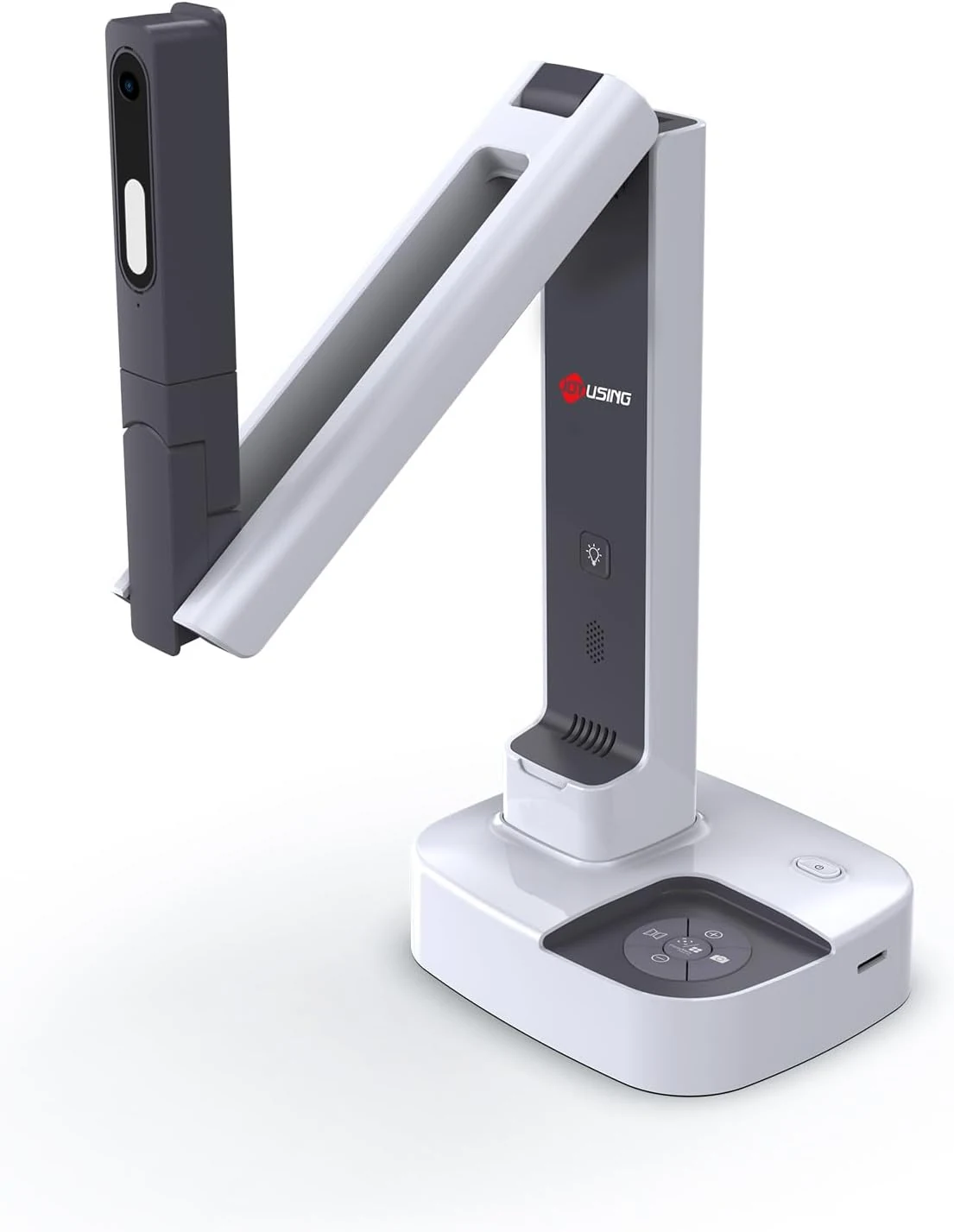
JOYUSING V513 HDMI/USB 13MP Dual Mode Document Camera for Teacher, review
The JOYUSING V513 is a dual-mode document camera built for live teaching and presentations, offering HDMI or USB connectivity, autofocus, and built-in LED lighting for real-time projection. Buyers highlight crisp, clear capture and straightforward setup, with the main tradeoff being that USB live streaming frame rate can drop slightly for motion-heavy content.
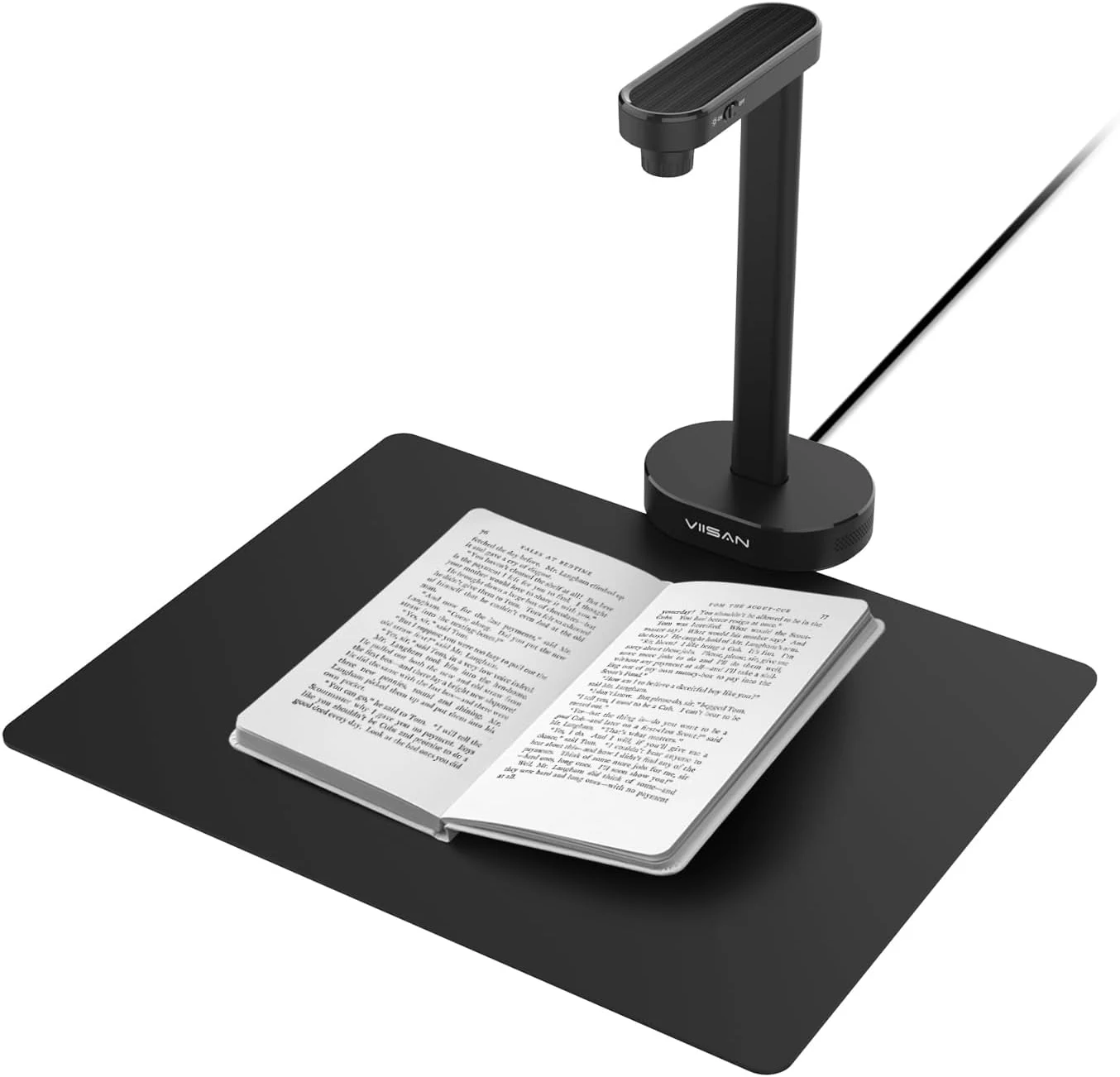
VIISAN A8401 16MP Document Scanner for Small Offices & Home Classrooms
The VIISAN A8401 is a compact USB document camera aimed at small offices and home classrooms, combining OCR, text-to-speech, and barcode recognition for digitizing paperwork and teaching materials. It is also UVC-compliant for remote lessons, but buyer feedback suggests image quality can be only “okay,” and connectivity can be frustrating for some setups.
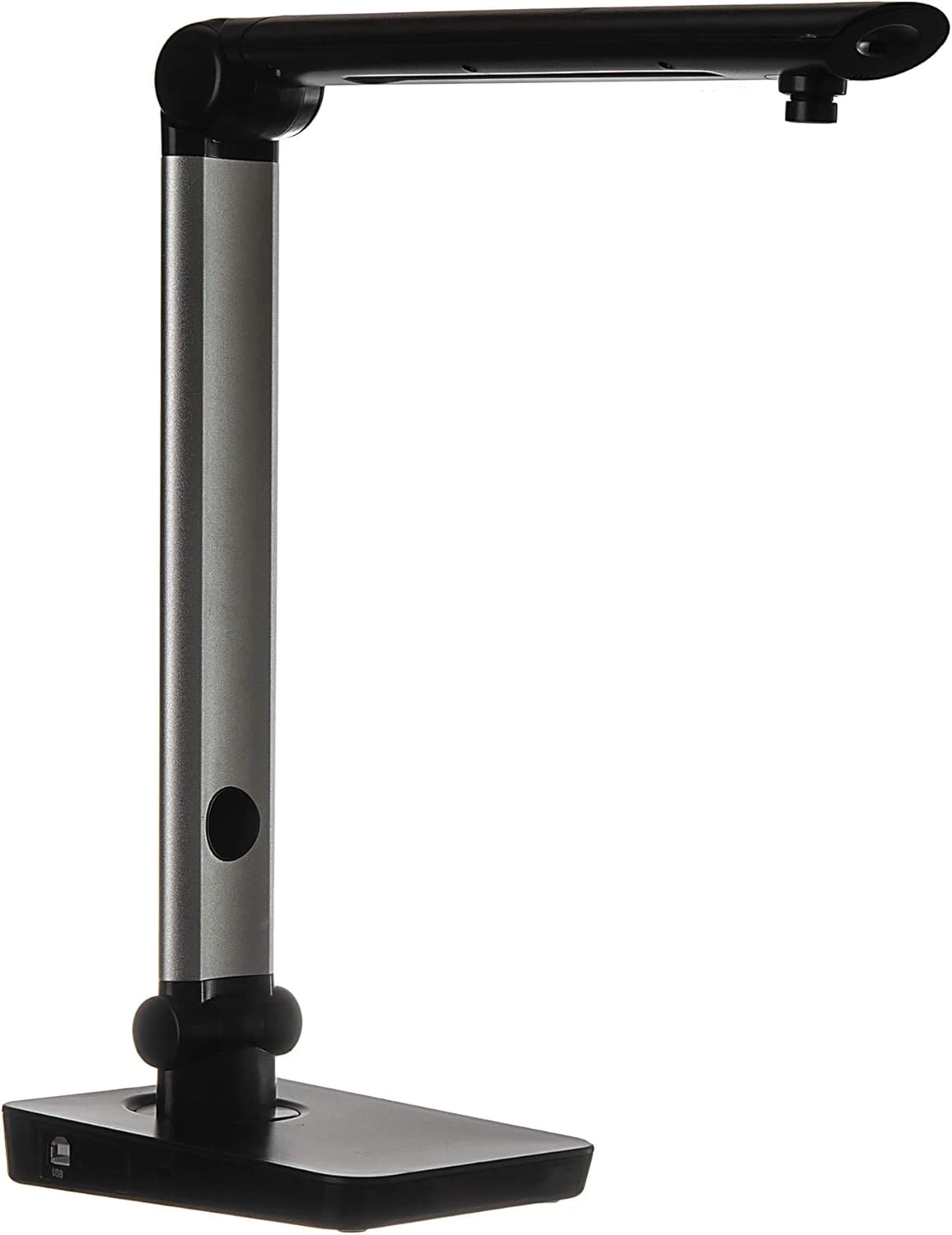
Digital Portable Multi-Angle USB Document Camera LV-1 Series LV-1010 (Black)
The Longjoy LV-1010 is a compact USB document camera designed for classrooms, office training, and quick document or ID capture. It offers a 5 MP sensor, built-in adjustable LED light, and flexible camera angles, but it relies on Windows software (not macOS/Chromebook) and buyers should double-check included items and cables when purchased from third parties.
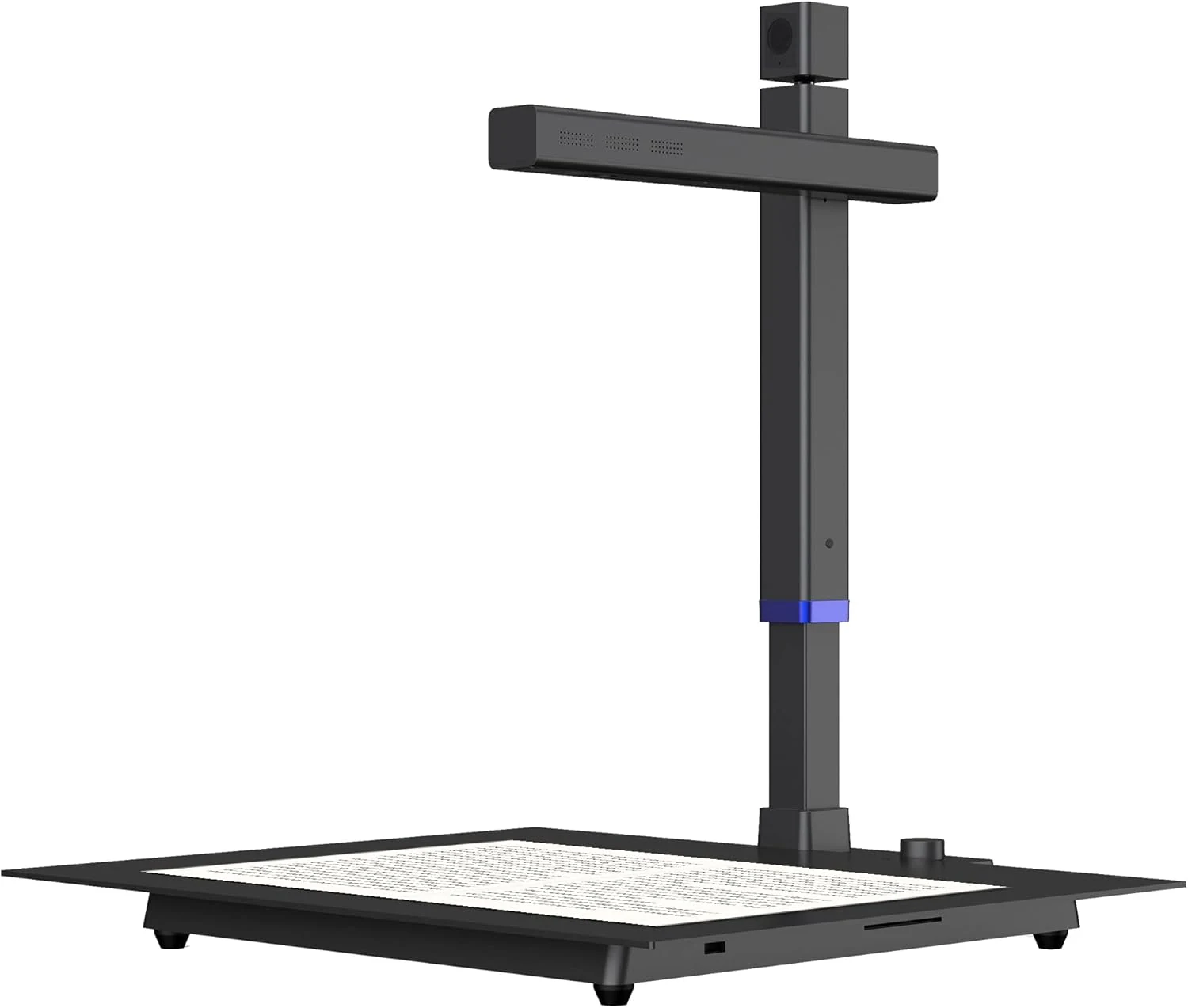
CZUR Shine Surface Pro Professional Document Scanner, 16MP Document Camera review
The CZUR Shine Surface Pro is a USB-connected document camera built for digitizing larger, flat-to-book content up to A3 size. It combines a 16MP overhead/document sensor, a rotatable 2MP top webcam, and AI-assisted curved-page flattening for easier book scanning, with OCR that supports 180+ languages. The main caveats are software quirks and a thinner fit for very glossy paper, plus the flattening behavior may be less helpful for some single-page scanning scenarios.