TDK Microcassette MC90 Audio Tape, 3 Pack
Quick take
The TDK Microcassette MC90 Audio Tape is a 3-pack of 90-minute microcassettes intended for microcassette recorders and dictation-style use. Buyers commonly highlight reliable recording performance and sound quality. The main buying caveat is format fit, make sure your recorder accepts microcassettes and that MC90 duration matches your recording habits.
Pros and cons
Pros
- Includes three 90-minute tapes, good for keeping a small supply on hand.
- Buyers mention dependable results for dictation and recording needs.
- Positive comments about sound quality and overall tape quality.
Cons
- These are microcassette tapes, so they only work with microcassette recorder models (not standard cassettes).
- Some buyers report issues when the tape size or compatibility was the wrong one for their recorder.
What buyers think
Buyer-review evidence is generally positive for recording performance and tape quality. Multiple comments point to the MC90s working well for practical tasks like capturing meetings and dictation, and for those who want compact portability versus larger audio equipment. Buyers also tend to associate the tapes with consistent results and good sound for their intended purpose. That said, review evidence includes limited but clear compatibility-related complaints, where the tapes were simply not the right size or format for the user’s device, which suggests double-checking recorder compatibility before buying.
What these tapes are for
The TDK MC90 tapes are designed for microcassette recorders, making them useful for dictation, note capture, and off-the-shelf recording workflows that rely on microcassette media. The 90-minute length is a middle-ground option, typically helpful if you want enough recording time without moving to much longer durations.
Key specs that matter in real life
Recording length (MC90)
Each tape is labeled as MC90, meaning it is intended for up to 90 minutes of recording time per tape (depending on recorder mode and how the device manages playback speed). If your workflow involves longer sessions, you may prefer a different duration tape, while shorter sessions may still be fine with MC90.
3-pack value and planning
Because this is a multi-pack, it is easier to keep spares for regular dictation or periodic recording. If you record on a schedule, having two or three tapes ready can reduce downtime when a session finishes.
Pros and cons, based on buyer patterns
Why shoppers choose this 3-pack
- Consistent everyday use: The most repeated theme is that the tapes work for real recording tasks such as dictation and capturing meetings.
- Sound quality expectations: Buyers frequently describe the results as good for the category.
- Portable, simple setup: The microcassette format appeals to users who want recording that fits into a smaller, older-school workflow.
What to watch out for
- Compatibility is everything: Microcassettes are not interchangeable with other cassette formats. If a tape size or model compatibility is wrong, the product will not be usable.
- Don’t overbuy if you are unsure: If you are testing whether microcassette recording suits your needs, confirm recorder compatibility first so you do not end up with tapes for the wrong device.
Is the TDK microcassette MC90 audio tape, 3 pack worth it?
This 3-pack is a practical choice if you already own a microcassette recorder that takes MC90-style microcassettes and you want a straightforward supply of tapes for dictation or occasional recording. It is especially appealing when you value reliability and steady recording performance over experimenting with new media formats. If you are starting from scratch or you are unsure which tape your recorder accepts, spend a moment verifying the tape type and duration first, because the most meaningful risk in the reviews is simply buying the wrong size for the device.
How to choose the right microcassette for your recorder
- Confirm the tape format: Make sure your recorder specifically supports microcassettes (not standard audio cassettes).
- Match the recording length to your sessions: MC90 works well for many workflows, but longer sessions may call for a different duration.
- Plan your supply: A 3-pack is convenient if you use tapes regularly and want minimal interruptions.
Alternatives to consider
If you need different recording time per tape, look for a microcassette duration that fits your typical session length. If you are selecting tapes primarily for dictation, focus on compatibility first, then choose a reputable brand and a duration that minimizes tape swaps. If you are moving away from microcassettes entirely, consider whether your workflow could shift to a modern digital voice recorder, but that is a separate equipment decision rather than a tape-only swap.
Price and availability
The current cost can vary, so check the latest listing to confirm pricing for the 3-pack and ensure it is available when you plan to reorder.
FAQ
What does MC90 mean on a microcassette?
MC90 indicates a 90-minute recording length per tape, though actual runtime can depend on the recorder’s recording mode and how it controls speed.
Will TDK MC90 tapes work with any cassette recorder?
No. These are microcassette tapes, so they only work with devices that accept the microcassette format. Standard cassette recorders typically use a different tape type.
How many tapes are included in this pack?
This product is a 3-pack of microcassette tapes, each intended for 90-minute recording time.
Are these good for dictation and meetings?
Buyer feedback points to solid everyday performance for dictation-style recording and capturing meetings, as long as the tape is compatible with the recorder.
What is the main reason buyers have issues?
The most common buyer-reported problem is compatibility, where the tape was the wrong size or not supported by the recorder being used.
Final verdict
Choose the TDK Microcassette MC90 Audio Tape, 3 Pack if you want dependable microcassette media for dictation or practical recording in a microcassette recorder setup. It looks like a straightforward buy for keeping spares, with the key step being compatibility confirmation before ordering.
Specifications
| Product Title | TDK Microcassette MC90 Audio Tape, 3 Pack |
|---|---|
| Category | Electronics > Portable Audio & Video > Microcassette Recorders |
| Manufacturer | TDK Media |
| Item Weight | 2.05 ounces |
| Product Dimensions | 0.25 x 1.5 x 5 inches |
| Item model number | DMC90U3 |
| Is Discontinued By Manufacturer | No |
Recommended next
Olympus America Pearlcorder S702
The Olympus America Pearlcorder S702 is a compact microcassette recorder designed for simple recording and playback of microcassettes, with built-in mono recording and about 85 hours of digital recording time. It may be a strong fit for people who want to hear older recorded voices again, but buyer-review evidence is mixed, so confirm it meets your input/output and usage expectations before buying.
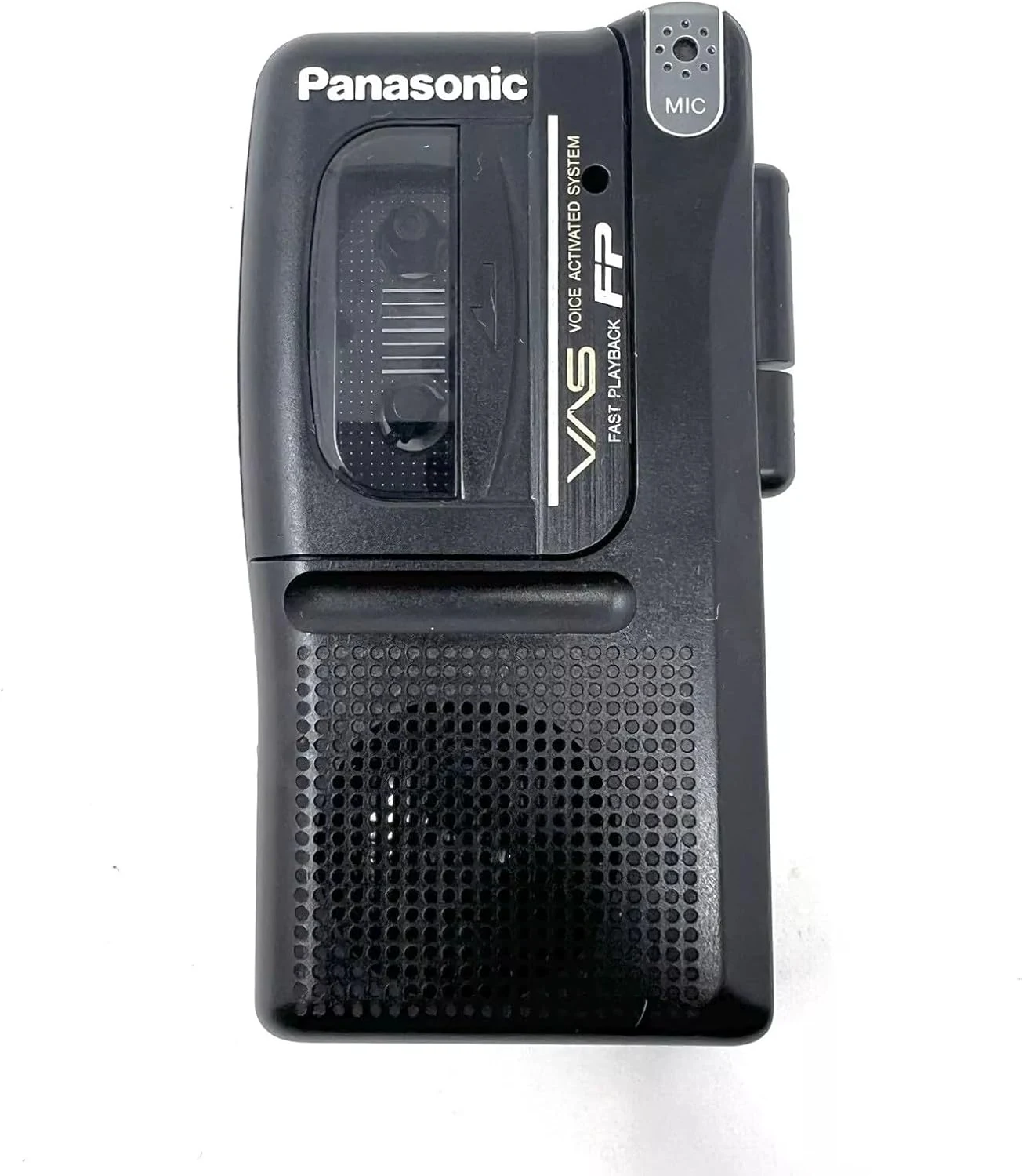
Panasonic RN302 Microcassette Recorder
The Panasonic RN302 is a slim “palm-fit” microcassette recorder aimed at quick note-taking, voice capture, and interview-style recording with built-in audio pickup and voice-activated recording. The key tradeoff is reliability and usability can vary widely, including reports of units that do not play or record properly, plus some buyers struggled without clear documentation.
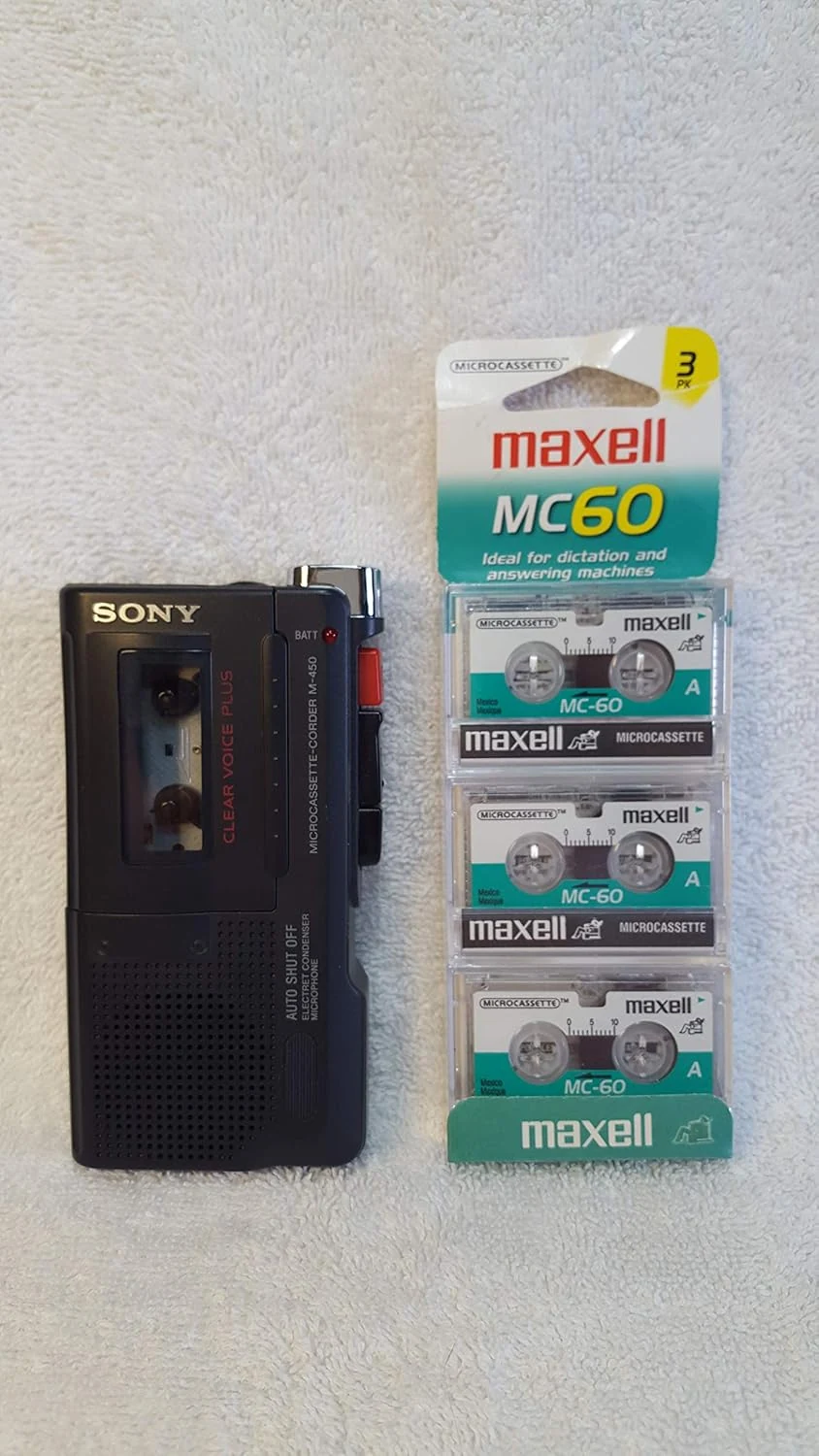
Sony M-450 Microcassette Recorder with 30 Hours of Battery Life
The Sony M-450 is a compact microcassette voice recorder built around long battery life (up to 30 hours with 2 AA alkaline batteries) and simple one-touch recording. It suits dictation and quick voice capture, with helpful playback controls and a built-in microphone, but it is limited to microcassette tape workflow (not digital).
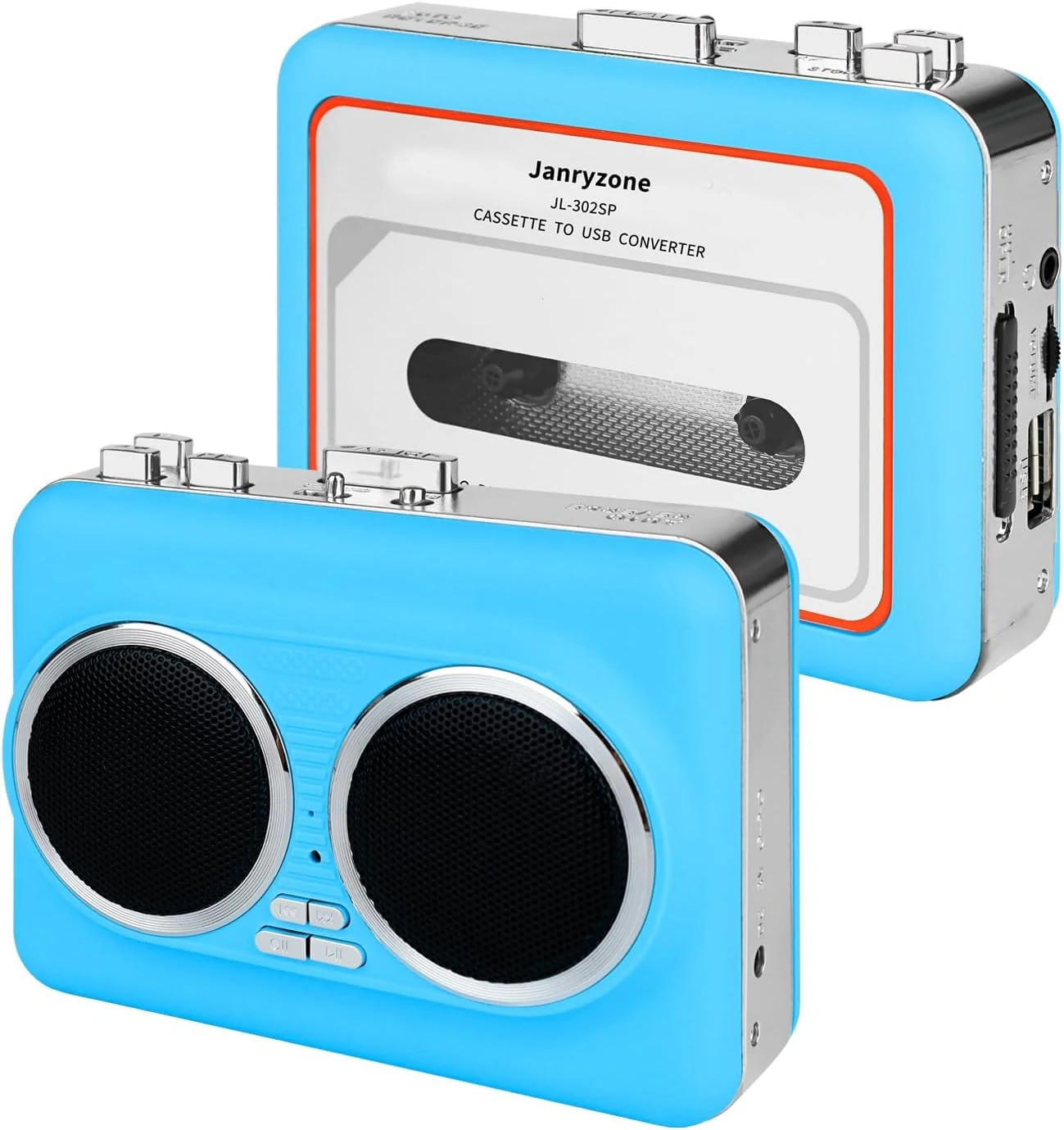
Janryzone Portable Cassette to USB Converter (Auto-Reverse, Dual Speakers, 3.5mm)
Janryzone’s portable cassette player doubles as a cassette-to-USB MP3 converter, letting you digitize tapes without a computer. It has dual speakers, a 3.5mm headphone/AUX output, and auto-reverse, plus battery or USB power. The tradeoffs are a mixed build and occasional fuzzy audio at higher volume, so it’s best for casual playback and straightforward digitizing.