Olympus S-701 Pearlcorder Microcassette Voice Recorder w/ Tape (141387)WHITE NEW
Quick take
The Olympus S-701 Pearlcorder is a portable, voice-focused recorder designed to capture speech using a built-in microphone and store audio in MP3 format (with 4GB of storage). It is best for buyers who want a microcassette-style voice recorder workflow with headphone monitoring via a 3.5mm jack. The biggest buying caveat is that this is a niche category, so make sure you actually prefer this recorder style before paying premium pricing.
Pros and cons
Pros
- Built-in microphone for straightforward speech recording.
- MP3 audio format with 3.5-inch screen for playback and control.
- Headphones jack for monitoring, plus compatibility with common computing devices.
- Long stated digital recording time (460 hours) powered by 2 AA batteries (included).
Cons
- Microcassette-style devices can be less flexible than modern digital recorders for sharing and workflows.
- Review evidence is limited (only a few ratings), so broader performance patterns are hard to confirm.
What buyers think
Buyer-review evidence for the Olympus S-701 is limited, but the available feedback is positive and centered on basics: it looks good, it works as expected, and buyers report satisfaction with responsiveness and overall functionality. Because there are only a small number of reviews, there is not enough information to confidently characterize performance details like audio clarity, durability over time, or real-world battery behavior across different usage patterns.
Key features that matter in daily use
Speech recording with built-in mic
The S-701 is built around a built-in microphone, which makes it easy to start capturing voice without extra accessories. It also targets speech-focused recording, which is useful for dictation, meetings, notes, or interviews.
MP3 recording with a usable display
Audio is recorded in MP3 format, and the recorder includes a 3.5-inch screen. That combination can make it easier to navigate, review, and manage recordings compared with devices that rely on more limited controls or audio-only playback.
Storage and power
It includes 4GB of memory capacity and runs on 2 AA batteries (included). The stated digital recording time is 460 hours, which is a strong spec for people who want fewer battery swaps during longer note-taking sessions.
Monitoring with a 3.5mm headphone jack
If you record in noisy spaces or want to verify levels, the included 3.5mm headphone jack supports real-time monitoring. This can be a practical difference for buyers who prefer to confirm audio quality before moving on.
Pros and cons, by buyer fit
Who this is a good match for
- Dictation and speech notes users: If your primary need is capturing voice clearly enough for your own review, this is aligned with a speech recorder workflow.
- Buyers who want microcassette-style simplicity: People looking specifically for this recorder category may prefer the tactile, dedicated recording approach.
- Users who want on-device control: A 3.5-inch display plus headphone monitoring can reduce the “plug it in and hope” experience.
Who should consider alternatives
- People who mainly want modern connectivity and fast sharing: If your priority is sending files quickly to apps or cloud-based workflows, a mainstream digital voice recorder or smartphone app may be more convenient.
- Buyers who need lots of review evidence: With only a few ratings available, you may want to cross-check additional sources before committing.
Price and availability
The current price is in the premium range (not budget-friendly). Availability can be limited, so if you decide it matches your workflow, it can make sense to check the latest listing for live stock status and the most up-to-date price.
How it compares to other recorder types (without naming brands)
When choosing between microcassette-style recorders and more modern digital voice recorders, the decision usually comes down to workflow:
- Microcassette-style: Often chosen for a dedicated speech recording routine, straightforward operation, and a familiar style for interviews, classes, or personal dictation.
- Modern digital voice recorders: Often favored for fast file transfer, flexible app integration, and simpler “capture then share” workflows.
- Smartphone recording: Best for quick capture and convenience, but less ideal when you want a dedicated device with consistent controls and monitoring.
If you like the microcassette category’s workflow, the S-701’s MP3 output, screen, and headphone jack are useful to keep it practical. If you do not, a different recorder type may be a better value.
Verdict
The Olympus S-701 Pearlcorder is a niche, speech-first microcassette-style voice recorder with MP3 recording, a 3.5-inch screen, 3.5mm headphone monitoring, and a long stated recording time on AA batteries. It is a solid fit for buyers who actively want this style of recorder for dictation and voice notes, but it may feel expensive or unnecessary if you mainly need quick sharing and modern workflow convenience.
FAQ
What format does the Olympus S-701 record in?
The Olympus S-701 records audio in MP3 format.
Does it have a headphone jack?
Yes, it includes a 3.5mm headphone jack for monitoring.
How much storage does it include?
It has 4GB of memory storage capacity.
What power does it use?
It requires 2 AA batteries, and they are included.
Is it good for dictation or speech notes?
It is designed specifically for speech recording with a built-in microphone, making it a reasonable choice for dictation, meetings, and voice notes.
Is this a good choice if I want to share files quickly?
If quick sharing and modern app workflows are your top priority, you may prefer a more mainstream digital voice recorder type. The S-701 can still work for speech capture, but microcassette-style workflows are usually chosen for a dedicated recording routine rather than rapid sharing.
Specifications
| Product Title | Olympus S-701 Pearlcorder Microcassette Voice Recorder w/ Tape (141387)WHITE NEW |
|---|---|
| Category | Electronics > Portable Audio & Video > Microcassette Recorders |
| Brand | Olympus |
| Manufacturer | Olympus S-701 |
| Model Number | S-701 |
| Compatible Devices | Laptop, Personal Computer, Smartphone, Tablet |
| Hardware Interface | MicroSD |
| Microphone Form Factor | Built-In |
| Format | MP3 Audio |
| Headphones Jack | 3.5 millimeters |
| Number of Batteries | 2 AA batteries required. (included) |
| Memory Storage Capacity | 4 GB |
| Screen Size | 3.5 Inches |
| Digital Recording Time | 460 hours |
| Microphone Operation Mode | speech recognition |
| UPC | 646054000285 |
| Mfr Part Number | S-701 |
Recommended next
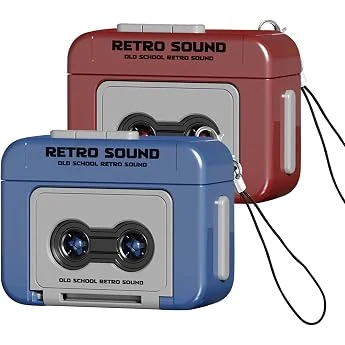
Olympus America Pearlcorder S702
The Olympus America Pearlcorder S702 is a compact microcassette recorder designed for simple recording and playback of microcassettes, with built-in mono recording and about 85 hours of digital recording time. It may be a strong fit for people who want to hear older recorded voices again, but buyer-review evidence is mixed, so confirm it meets your input/output and usage expectations before buying.
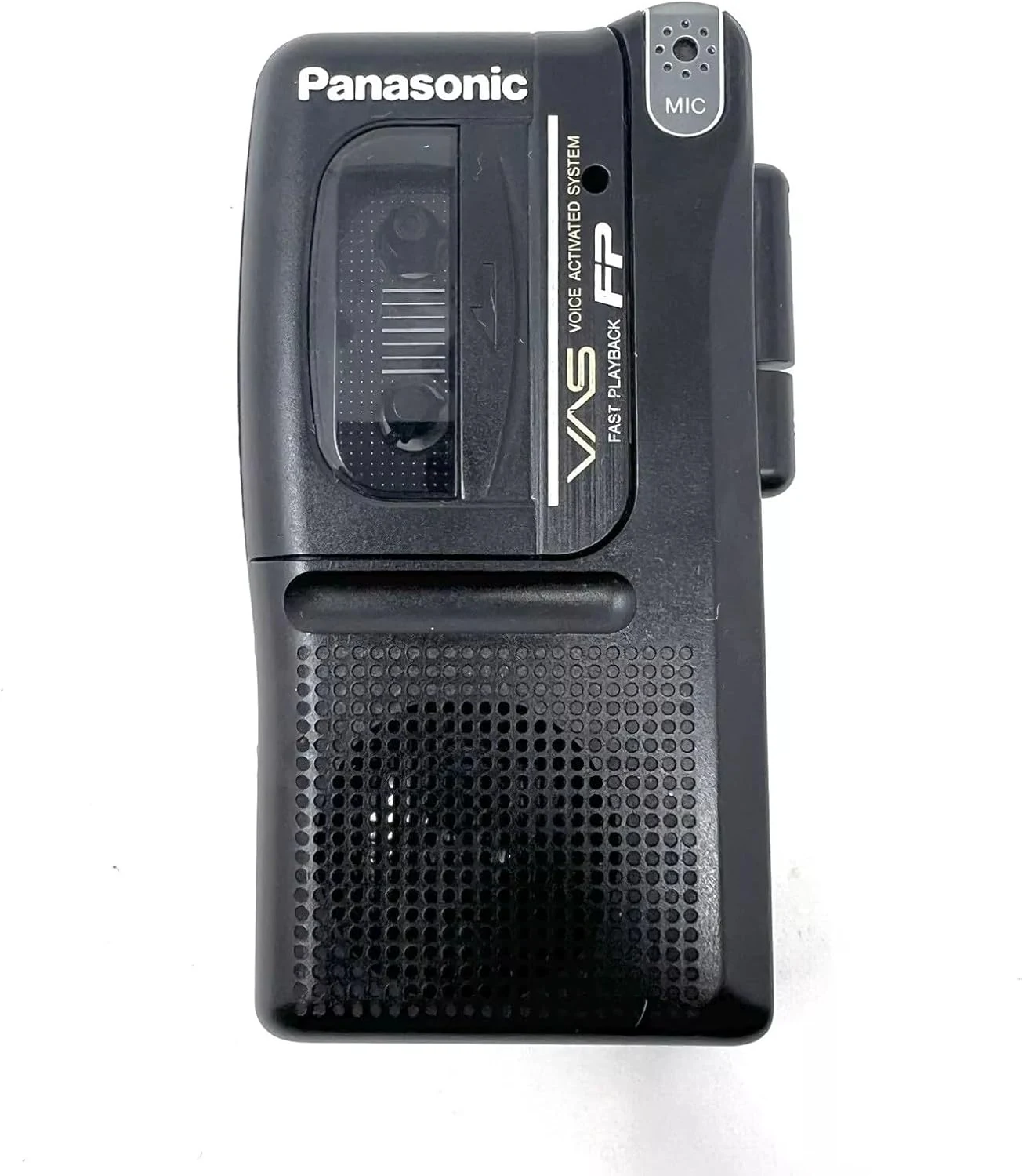
Panasonic RN302 Microcassette Recorder
The Panasonic RN302 is a slim “palm-fit” microcassette recorder aimed at quick note-taking, voice capture, and interview-style recording with built-in audio pickup and voice-activated recording. The key tradeoff is reliability and usability can vary widely, including reports of units that do not play or record properly, plus some buyers struggled without clear documentation.
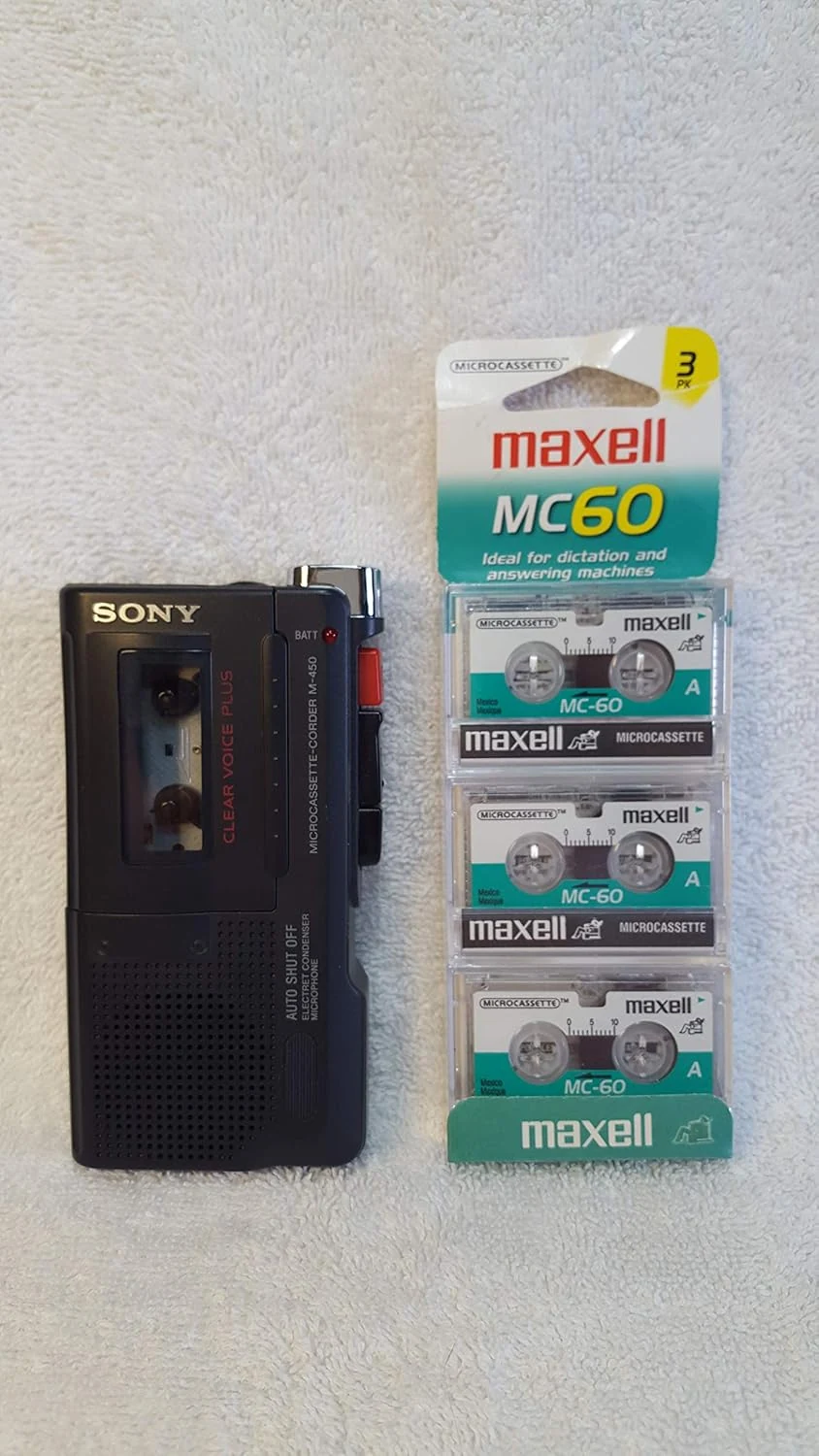
Sony M-450 Microcassette Recorder with 30 Hours of Battery Life
The Sony M-450 is a compact microcassette voice recorder built around long battery life (up to 30 hours with 2 AA alkaline batteries) and simple one-touch recording. It suits dictation and quick voice capture, with helpful playback controls and a built-in microphone, but it is limited to microcassette tape workflow (not digital).
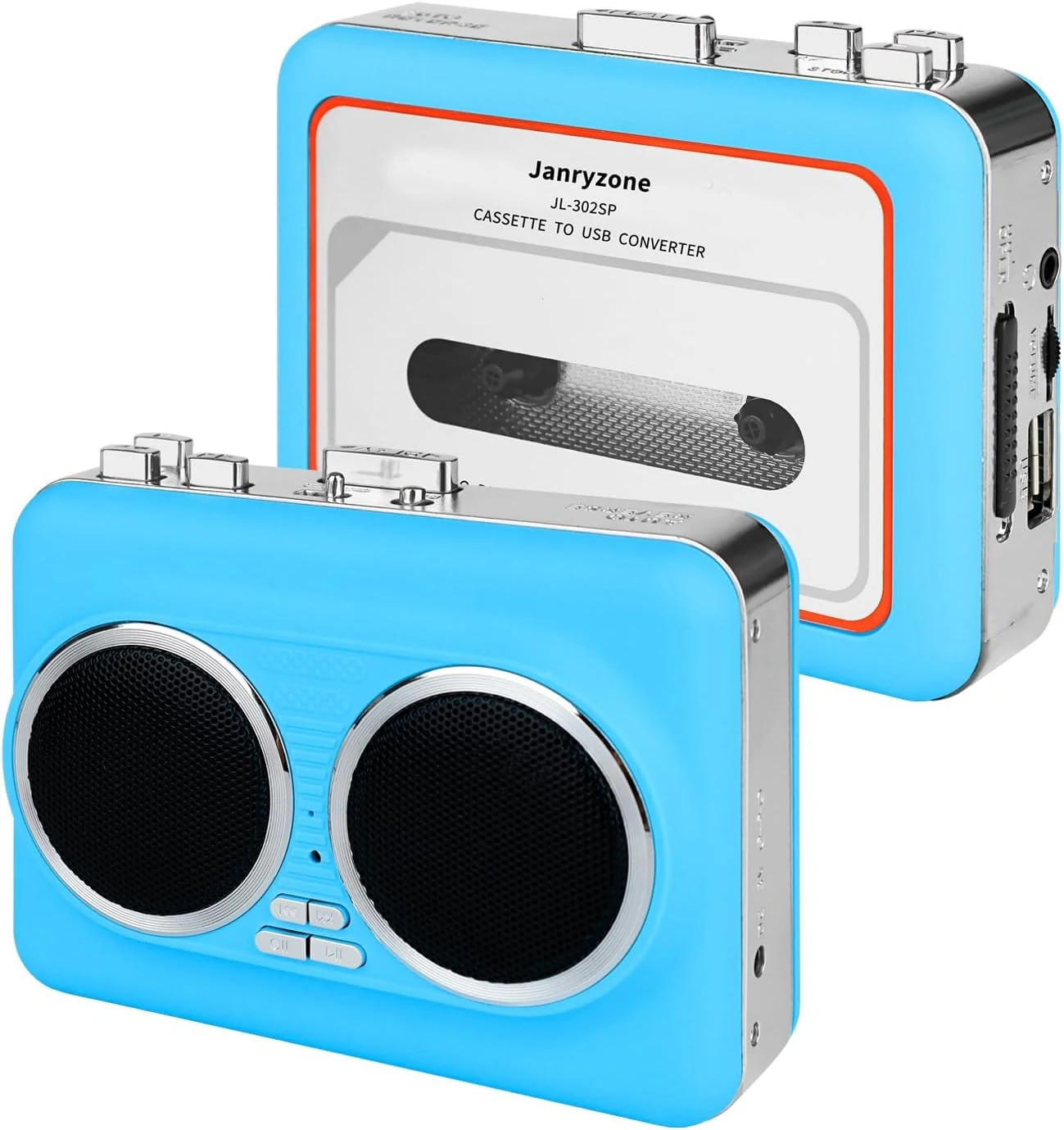
Janryzone Portable Cassette to USB Converter (Auto-Reverse, Dual Speakers, 3.5mm)
Janryzone’s portable cassette player doubles as a cassette-to-USB MP3 converter, letting you digitize tapes without a computer. It has dual speakers, a 3.5mm headphone/AUX output, and auto-reverse, plus battery or USB power. The tradeoffs are a mixed build and occasional fuzzy audio at higher volume, so it’s best for casual playback and straightforward digitizing.