OM SYSTEM Olympus OM-D E-M1 Mark II Camera Body Only, (Black)
Quick take
The OM-D E-M1 Mark II body is a weather-ready Micro Four Thirds camera built for shooters who prioritize autofocus responsiveness, high-speed shooting, and in-body stabilization. Buyers often like how customizable it is and how easily it can fit into a smaller kit than many DSLR setups. The main caveat is buyer report evidence of occasional quirks, especially with certain flash setups and some low-light focusing behaviors.
Pros and cons
Pros
- 121-point dual fast AF system with on-sensor phase detection, designed for quick subject acquisition.
- High-speed shooting options, including silent electronic shutter continuous modes (and mechanical shutter alternatives).
- In-body image stabilization (dynamic) helps steady handheld shooting across supported shooting scenarios.
- Weather-sealed magnesium alloy body appeal for outdoor and humid conditions.
- Many controls can be customized to avoid digging through menus while shooting.
Cons
- Buyer feedback suggests some flash compatibility and viewfinder freeze behavior with certain external flash models, and low-light focus behavior can feel inconsistent.
- Wake-up timing can take a moment after sleep, which may affect quick “grab the shot” moments unless you adjust power settings.
- Body-only buyers must already have (or plan to buy) Micro Four Thirds lenses to get full value from the system.
What buyers think
Buyer-review evidence for the OM-D E-M1 Mark II clusters around speed and handling. Multiple owners describe autofocus that feels fast and accurate, including continuous AF performance for both stills and video use. Customization comes up repeatedly, with buyers appreciating that key settings can be mapped to external controls so changes are quicker during shooting. Build and portability are also common themes, with several comments emphasizing the camera’s solid feel, weather readiness, and the ability to keep a whole Micro Four Thirds kit smaller than typical DSLR setups.
There is limited but relevant evidence of quirks. Some buyers report issues when using specific high-end flashes, including intermittent freezing behavior in the viewfinder and low-light focusing that can settle on an unexpected area. As with any system, these experiences appear most tied to particular accessory setups rather than a general, universal failure pattern. In general, review sentiment centers on a high-performance camera that rewards tuning and setup, rather than one that always behaves perfectly across every accessory scenario.
Who this camera body is best for
- Action, wildlife, and moving subjects: The on-sensor phase-detection AF and the camera’s high-speed continuous shooting modes are designed for moment-to-moment targeting.
- Outdoor shooters: A weatherproof magnesium alloy body plus in-body stabilization makes it an appealing choice for humid or rainy environments.
- Macro and close-up hobbyists: Buyers mention using it for macro work, including handheld or field setups that benefit from stabilization and compact gear.
- Photographers who like control: If you prefer customizing buttons and external controls rather than relying on menu navigation, this body is built for that workflow.
Key features that matter in real buying decisions
Autofocus and shooting speed
The E-M1 Mark II uses a 121-point dual fast AF system, including cross-type points (on-chip phase detection) plus contrast detection options. For buyers, the practical takeaway is faster subject acquisition and less hunting when your subject is moving, compared with slower contrast-only approaches.
It also supports high frame-rate continuous shooting, including silent electronic shutter options and mechanical shutter alternatives. If you regularly photograph motion, sports-style bursts, or unpredictable wildlife behavior, those mode options can help you capture more keepers.
Stabilization for handheld reliability
The camera includes in-body image stabilization (dynamic). This is especially valuable for handheld shooting where lens stabilization is not present (or where you want added steadiness for longer focal lengths). It can also make high-detail shooting more manageable during travel and field work.
Sensor and image output basics
With a 20.4 MP Micro Four Thirds Live MOS sensor and support for RAW and JPEG, it is built for photographers who want solid image detail without the size and weight penalties associated with larger formats. It also includes a high-res shot mode (50MP high-res) for scenes where movement is minimal and detail matters.
Pros and cons in plain terms
Pros
- Responsive AF and continuous tracking feel: Buyers highlight quick, accurate focusing and good continuous AF performance.
- Customizable controls: External control mapping helps keep your workflow fast while shooting.
- Rugged, compact system: Owners value the weather-ready magnesium alloy build and the ability to stay smaller than DSLR kits.
- Versatile burst options: The mix of electronic and mechanical shutter continuous speeds supports a wider range of shooting scenarios.
Cons
- Some accessory-specific quirks: Evidence indicates certain flash models can cause unwanted behavior, and low-light focus can be inconsistent in high-contrast situations.
- Wake-from-sleep can cost a moment: If you rely on instant readiness, you may want to adjust sleep or power settings.
- Body-only means you must plan your lenses: Your Micro Four Thirds lens lineup (or budget to add it) will largely determine your results.
Price and availability
Availability can vary, and this body-only model is often purchased by shooters who already own compatible Micro Four Thirds lenses. Check the current listing for the latest price and stock status, especially if you are timing a lens bundle or planning to match the body with specific lenses.
Compatibility and lens ecosystem notes
This is a Micro Four Thirds mount camera body only. That means your experience will depend heavily on the lenses you pair it with, including whether they are optimized for the autofocus behaviors you care about (fast AF, close-focus work, stabilization needs, and low-light performance).
If you are coming from a DSLR system, this is a move toward a smaller camera and lens ecosystem, but you should plan your transition carefully (lens acquisition, adapter needs if any, and how you want to balance size versus image characteristics).
Verdict
The OM-D E-M1 Mark II is a strong choice for Micro Four Thirds photographers who want fast, phase-detection autofocus and flexible high-speed shooting in a weather-sealed, compact body. It seems especially well-suited to people who shoot action, outdoors, or macro and like to personalize controls. Just be mindful of accessory-specific behavior (notably with certain external flashes) and low-light quirks, and plan your lens setup since this is a body-only option.
FAQ
Is the OM-D E-M1 Mark II worth buying as a body only?
It can be worth it if you already have Micro Four Thirds lenses you trust, or you have a clear lens plan. Because this is the body only, your autofocus experience, close-up ability, and low-light results will depend strongly on the lenses you pair it with.
How does autofocus perform for moving subjects?
Buyer feedback tends to be positive on autofocus speed and accuracy, including continuous AF for both stills and video. The camera’s on-sensor phase-detection AF and high point count are the main reasons it’s chosen for action-oriented shooting.
Does it have in-body image stabilization?
Yes. The camera uses dynamic in-body image stabilization, which is designed to help steady handheld shooting and improve consistency when you are not using stabilization in the lens.
Are there any known issues with flash accessories?
Review evidence is limited, but there are reports of undesirable behavior when using certain external flash models, including freezes in the viewfinder and low-light focusing issues. If flash work is critical for your setup, it is smart to verify accessory compatibility with your specific flash model and shooting scenario.
Is it weather sealed?
Yes. Buyers often mention the rugged, weatherproof design as a reason they feel comfortable using it outdoors in humid and wet conditions.
Specifications
| Product Title | OM SYSTEM Olympus OM-D E-M1 Mark II Camera Body Only, (Black) |
|---|---|
| Category | Electronics > Camera & Photo > Digital Cameras > DSLR Cameras |
| Brand | OM SYSTEM |
| Manufacturer | Olympus |
| Model Name | Olympus OM-D E-M1 Mark II |
| Model Number | V207060BU000 |
| Photo Sensor Size | Micro Four Thirds |
| Image Stabilization | Dynamic |
| Zoom | Other |
| Screen Size | 3 Inches |
| Color | Black |
| Item Weight | 1.1 Pounds |
| Compatible Mountings | Micro Four Thirds |
| Aspect Ratio | 4:3 |
| Sensor Type | CMOS |
| File Format | RAW, JPEG |
| Image stabilization | Dynamic |
| Maximum Aperture | 6.3 f |
| Expanded ISO Minimum | 64 |
| Photo Sensor Resolution | 20.4 MP |
| Maximum Shutter Speed | 60 Seconds |
| Minimum Shutter Speed | 60 Seconds |
| Exposure Control | Aperture Priority, Auto, Manual, Program, Shutter Priority |
| Form Factor | slr_style_mirrorless |
| Effective Still Resolution | 20.4 MP |
| Special Feature | Brightness Control |
| Shooting Modes | Bulb Mode, Time Mode,Aperture Priority, Auto, Manual, Program, Shutter Priority |
Available variants
Style
- Body Only
Recommended next
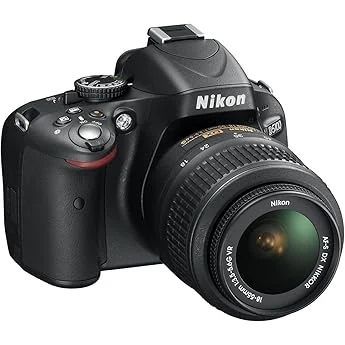
Nikon D5100 16.2MP Digital SLR Camera & 18-55mm VR Lens
The Nikon D5100 DSLR kit pairs a 16.2MP APS-C CMOS sensor with an 18-55mm VR (optical) lens and a 3-inch Vari-angle LCD. It is a straightforward entry point for learning DSLR controls, with features aimed at capturing stills and full HD 1080p video. The main buying caveat is that refurbished units may arrive with missing essentials like a battery or memory card.
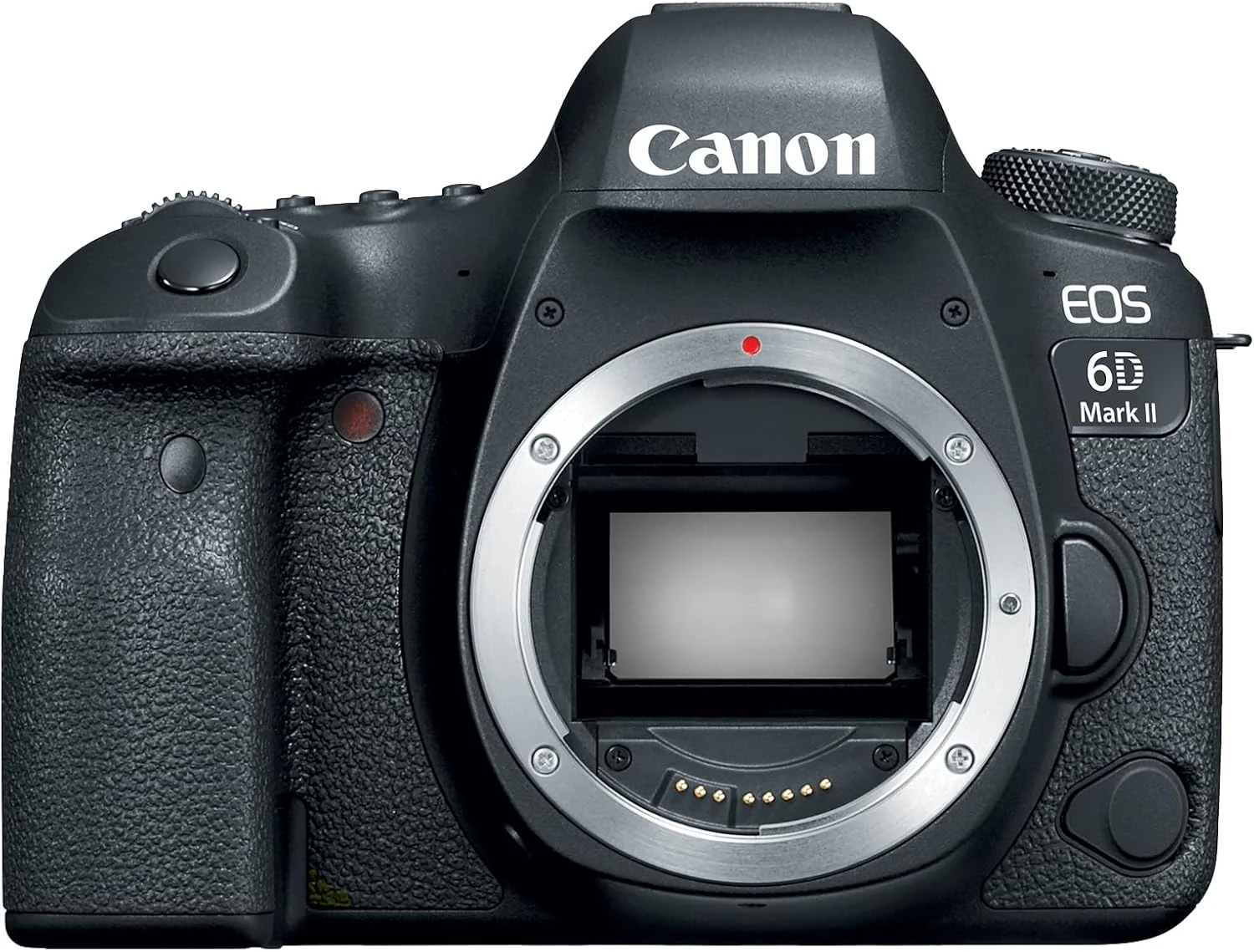
Canon EOS 6D Mark II Digital SLR Camera Body – Wi-Fi Enabled
The Canon EOS 6D Mark II pairs a 26.2MP full-frame CMOS sensor with Canon’s DIGIC 7 processing, built-in Wi-Fi/NFC/Bluetooth, and a vari-angle touchscreen for flexible shooting. It’s a strong full-frame step up for Canon EF lens owners, with autofocus and full-HD Dual Pixel support that suits everything from travel and wildlife to occasional astrophotography, as long as you understand it is not a fast-action pro body.
![Canon DSLR Camera [EOS 90D] with Built-in Wi-Fi, Bluetooth, DIGIC 8 Image Processor, 4K Video, Dual Pixel CMOS AF, and 3.0 Inch Vari-Angle Touch LCD Screen](/product-images/019eeb7b-a06c-7030-a39e-55affab3b2c5-0-45d0c88c472b.webp)
Canon DSLR Camera [EOS 90D] with Built-in Wi-Fi, Bluetooth, DIGIC 8 Image Processor, 4K Video, Dual Pixel CMOS AF, and 3.0 Inch Vari-Angle Touch LCD Screen
The Canon EOS 90D is a feature-rich APS-C DSLR body with a 32.5MP sensor, 4K video, Dual Pixel CMOS AF, and strong shooting performance for action, wildlife, and everyday DSLR needs. It also includes built-in Wi‑Fi and Bluetooth for easy phone workflows, plus a vari-angle 3-inch touchscreen for flexible shooting.
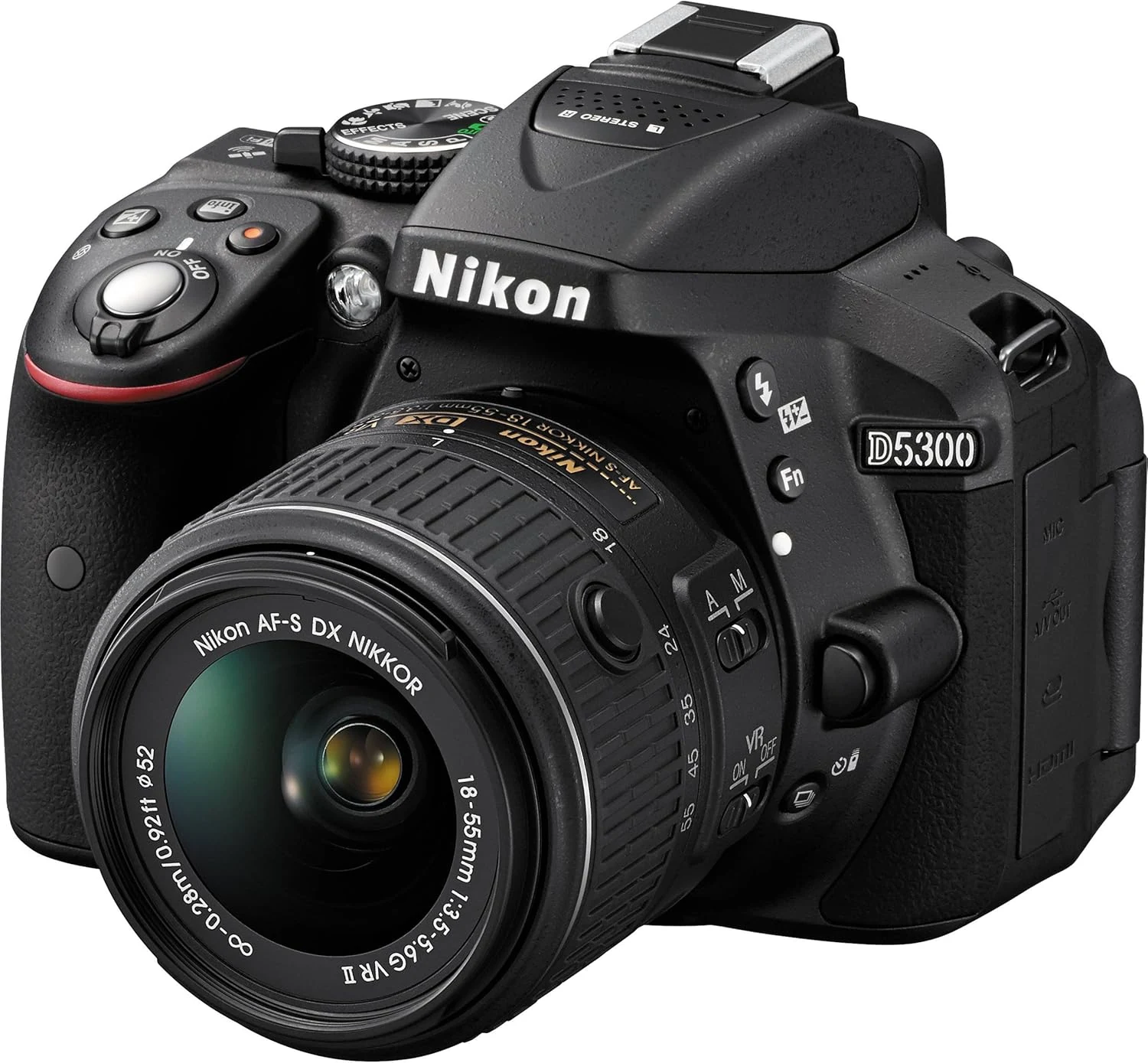
Nikon D5300 24.2 MP CMOS Digital SLR Camera with 18-55mm f/3.5-5.6G ED VR
The Nikon D5300 is a compact APS-C DSLR that pairs a 24.2 MP sensor with a 39-point autofocus system, built-in Wi‑Fi, and a 3.2-inch vari-angle touchscreen-style LCD for easier shooting from awkward angles. It can be a strong step-up for beginners and enthusiast upgraders, with the main caveat being DX-format limitations compared with full-frame systems and a learning curve for video focusing.