ICSTATION Low Voltage Protector, DC 6V-60V 20A Low Voltage Cutoff
Quick take
The ICSTATION low voltage protector is a programmable DC battery protection module that can disconnect a load (discharging mode) or stop/limit output during charging (charging mode) to help prevent battery stress. It’s a good fit for DIY projects using 6V to 60V batteries and up to 20A current where you want an LCD to monitor voltage and status, but the setup and button programming can be fiddly, and it functions as a relay switch rather than a voltage regulator.
Pros and cons
Pros
- Programmable charge and discharge protection modes with cutoff settings
- LCD screen shows voltage and additional status information for easier monitoring
- Rated for DC 6V-60V systems and up to 20A relay switching
- Includes a delayed turn-on interval (0-999 seconds) to control restart timing
Cons
- Relay-based switching, it cannot regulate or change voltage, it only turns power on or off
- Instructions and UI can be difficult to interpret, programming may take trial and error
- Best suited to DIY integration, not plug-and-play for complex higher-voltage battery charging scenarios
What buyers think
Buyer review evidence is mixed but points to a few consistent themes. Many users describe the module as working as intended for load disconnect protection, including systems that pause power when battery voltage drops below a chosen threshold and resume after charging raises the voltage again. Several buyers also mention the LCD being easier to read, including in low light. Accuracy and behavior during charge versus discharge is discussed, with some users noting the cutoff behavior can differ between charging and discharging depending on where the module measures voltage. At the same time, other feedback highlights that the setup and programming process can be challenging when instructions are unclear, and a small number of buyers report difficulties getting expected power control in their specific use cases.
What this module does (and what it does not)
This is a DC low voltage cutoff and protection controller. In practical terms, it monitors battery voltage and uses an internal relay to control whether power flows to your connected load or charging circuit.
- Charging mode: lets you configure parameters so the module can disconnect when the battery voltage reaches a preset level, helping reduce over-discharge risk during charge control.
- Discharging mode: lets you set a stop voltage so it will cut output when the battery voltage falls too low, then resume once voltage returns above the configured level.
- Restart delay: after a cutoff event, you can set a delay interval (0-999 seconds) before turning back on.
Important limitation: despite the term “protector,” this device is a switch. It turns output on and off through a relay, it does not regulate or change voltage. If you need true voltage conversion or regulation, you will need a different type of power electronics, such as a buck, boost, or DC-DC regulator.
Key features to understand before you buy
Voltage range and current rating
The module is designed for DC batteries in the 6V to 60V range, with a 20A relay switching rating. That makes it a potentially useful controller for small to mid-sized battery projects (for example, protecting loads like pumps or lights) when your wiring and current demands stay within the relay’s switching expectations.
LCD display and monitoring
Unlike simpler LED-only modules, it includes an LCD display meant to show voltage levels and related status information. Buyers have specifically pointed out that the display can be readable even in dark conditions, which is helpful when you need to verify cutoff points while tuning your settings.
Configurable behavior for real-world battery use
You can choose charging versus discharging mode, and you can configure timing aspects, including how it cycles and when it restarts after a cutoff. This is useful for setups where you want the system to pause during low-voltage conditions and avoid rapid cycling that can stress batteries and power electronics.
Pros and cons by use case
Best for
- DIY battery protection for loads: projects that need to disconnect a device when the battery drops below a set voltage (for example, a pump, fan, or lighting circuit).
- Charge/discharge cycling experiments: setups where you want to program stop points and optionally run a timed or cycling behavior.
- Situations where a readable display helps tuning: if you plan to adjust cutoff voltages, the LCD can reduce guesswork.
Who should be careful or look elsewhere
- Buyers expecting voltage regulation: if your project requires maintaining a specific voltage output regardless of battery voltage, you will need a DC-DC converter, not a relay cutoff module.
- Users wanting fully guided plug-and-play setup: the UI and instructions can be difficult to interpret for some buyers, so you should be comfortable programming settings and re-checking wiring.
- Complex battery-charge matching: if your system needs tight charging control across varying voltages and states of charge, a simple cutoff module may not behave exactly like a dedicated charger with charge curves.
Setup and programming: what to expect
Review feedback suggests programming takes patience. The module is powered from its input connections, so it may not display anything until it is wired into an active input. Some buyers also describe the button controls as unintuitive until they spend time learning the menu flow. Plan for a “tune it slowly” approach: set conservative cutoff points first, test, then refine based on your battery type and how the voltage reading maps to your actual battery state.
Verdict
The ICSTATION DC 6V-60V 20A low voltage cutoff is a practical relay-based battery protection option for DIY builds that need programmable disconnect behavior and a readable LCD. If your goal is switching power off during low-voltage events or using charge/discharge cutoff logic to protect a battery, it can fit well. Just remember the key tradeoff: it does not regulate voltage, and some buyers find setup and programming more time-consuming than expected.
FAQ
Does this module regulate voltage or only switch power?
It uses a relay to turn power on and off. It does not regulate or change voltage, so it’s intended for cutoff/protection behavior, not voltage conversion.
What batteries and voltage ranges is it designed for?
It’s designed for DC batteries in the 6V to 60V range, including lithium and lead-acid battery types.
Can it protect against both over-discharge and overcharge?
It supports separate charging and discharging modes with configurable cutoff parameters. Discharging mode is meant for low-voltage cutoff, and charging mode is meant for disconnecting at a configured higher voltage level.
How does the restart delay work?
After a cutoff event, you can set a delay interval before the module turns output back on. The supported delay range is 0 to 999 seconds.
Is the setup easy for first-time users?
Some buyers find the UI and instructions difficult to follow at first, so it may take trial and error to get settings dialed in. If you’re comfortable with wiring and basic electronics configuration, you’ll likely find it more manageable.
Specifications
| Product Title | ICSTATION Low Voltage Protector, DC 6V-60V 20A Low Voltage Cutoff with LCD Display Charge and Discharge Controller Battery Overcharge Overdischarge Protector for Lithium Lead Acid Battery |
|---|---|
| Category | Electronics > Household Batteries, Chargers & Accessories > Battery Testers |
| Brand | IS |
| Manufacturer | icstation |
| Color | 6-60V |
| Item Weight | 0.07 Kilograms |
| Power Source | Battery Powered |
| Minimum Operating Voltage | 6 Volts |
| Measurement Type | Voltmeter |
| Compatible Devices | Lithium batteries, Lead Acid batteries, 6V-60V batteries |
| Style Name | DC 6V-60V 20A |
| Brand Name | IS |
| Model | 14854 |
| Part Number | 14854 |
| Included Components | Low Voltage Protector |
| Unit Count | 1 Count |
| Style | DC 6V-60V 20A |
Recommended next
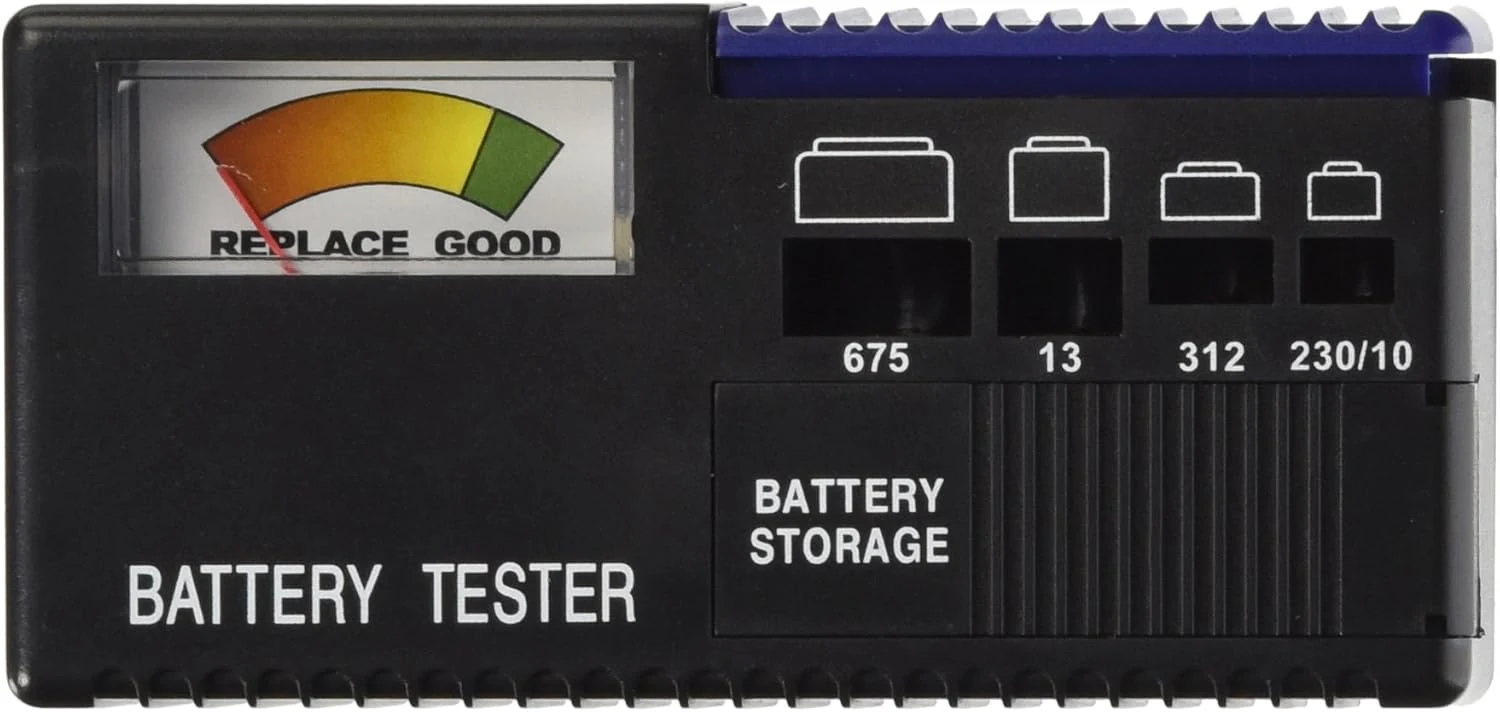
Activair Hearing Aid Battery Tester
The Activair Hearing Aid Battery Tester is a simple, consumer-style tool for checking zinc-air hearing aid batteries using an analog meter and dedicated slots for different battery sizes. It can help you quickly tell whether a battery is fully functional versus near-dead, though it cannot perfectly estimate remaining runtime for every hearing aid and battery scenario.
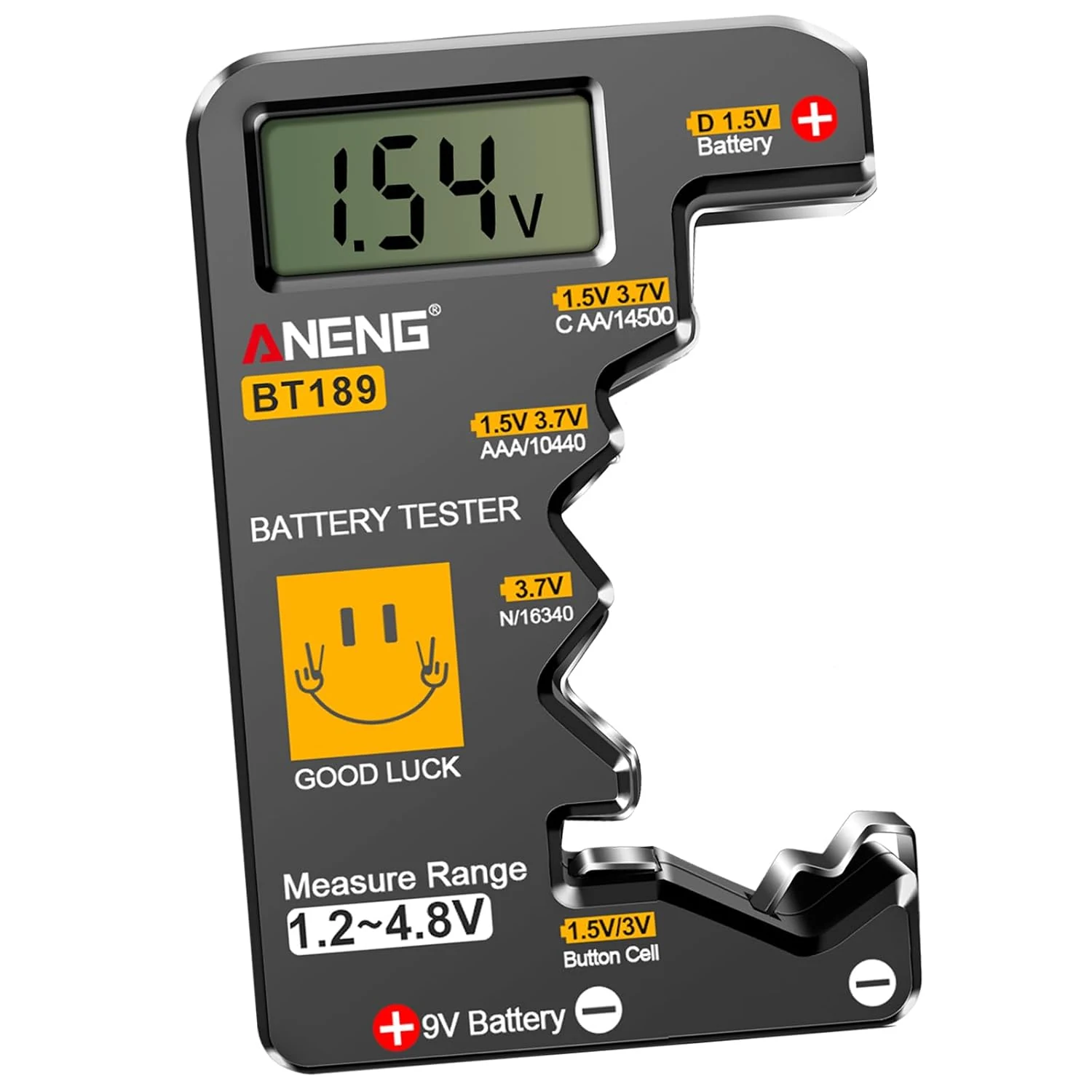
ANENG BT189 Battery Tester for AAA,AA,C,D,9V,F,6F22,1.5V/3V Button Batteries,LCD Display Household Battery Detector,Detects Battery Power By Voltage,Universal Battery Checker
The ANENG BT189 is a compact, no-fuss battery checker with an LCD voltage display for common household cells and coin batteries. It is designed to make quick pass or fail decisions, and reviews highlight how easy it is to use, even for kids. The main tradeoff to consider is that it is not intended for testing rechargeable batteries.
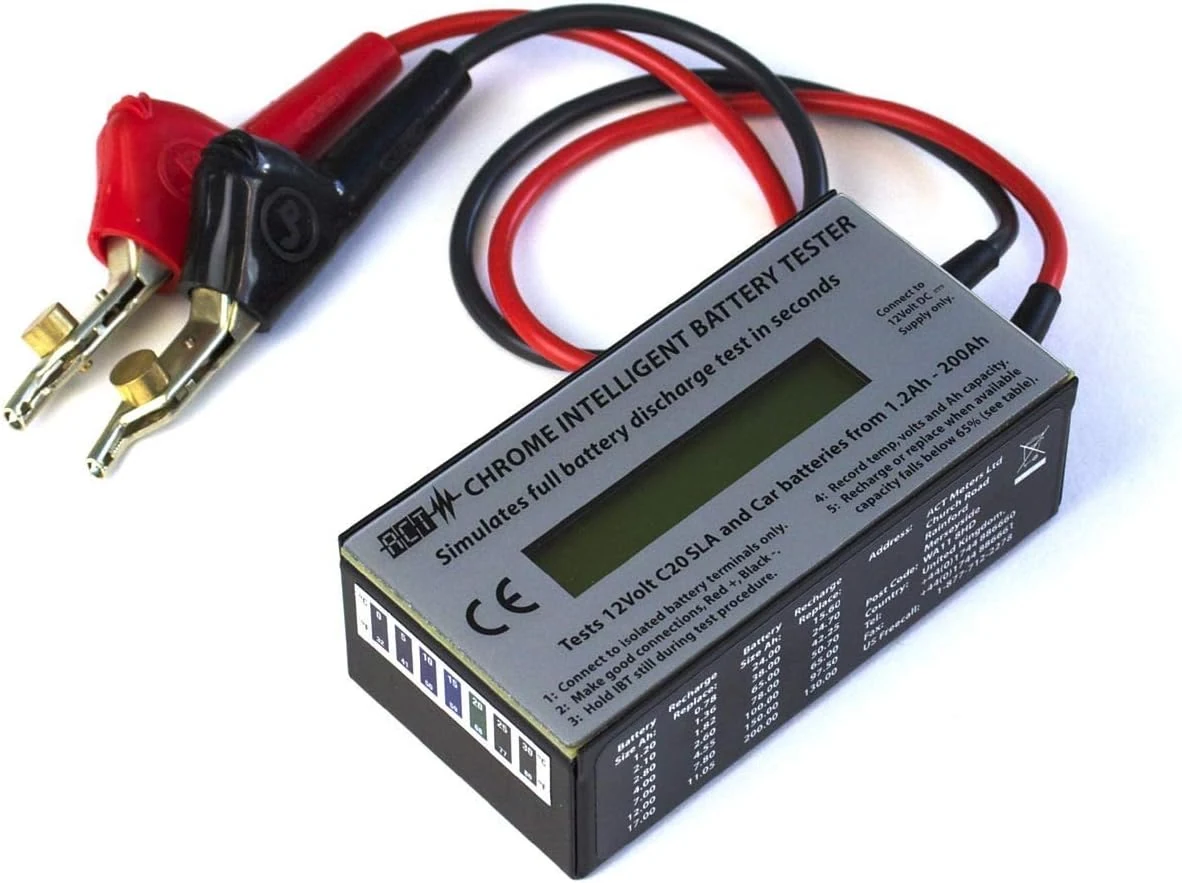
CHROME IBT 12V SLA Intelligent Battery Tester by ACT Meters
The CHROME IBT is a battery tester designed specifically for 12V sealed lead acid (SLA) batteries, aimed at buyers who need fast, practical checks for routine service. It has clear strengths for SLA-focused use, but buyers should be sure they are testing the right battery type and expectations for testing match their workflow.
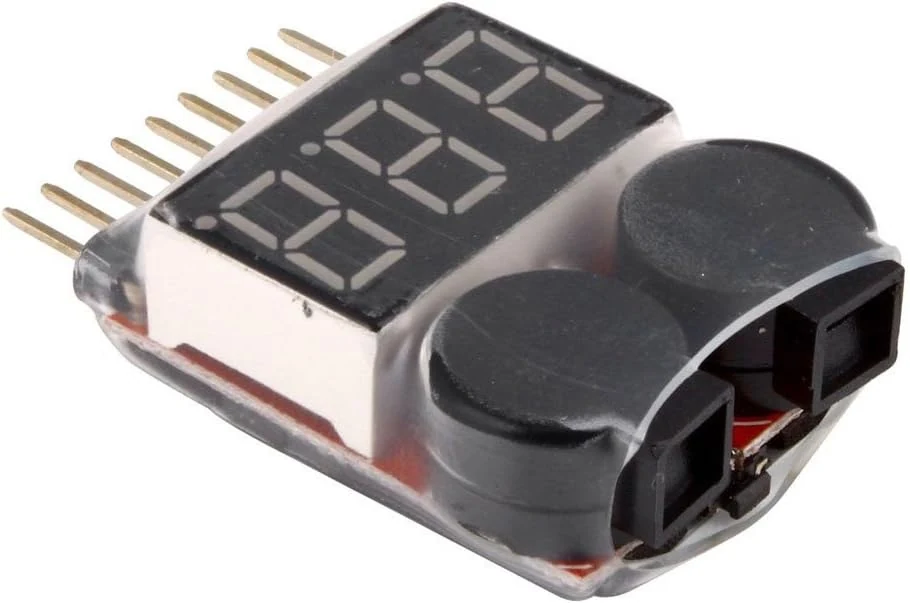
yueton Rc 1-8s Lipo Battery Tester Monitor Low Voltage Buzzer Alarm Voltage Checker
The yueton RC 1-8S LiPo battery tester is a small balance-lead voltage checker designed to help you avoid over-discharging by showing total and per-cell voltage, plus a loud low-voltage buzzer with adjustable alarm. It is best for RC pilots who want a quick “plug in and read” check, with the main tradeoff being a somewhat loud alarm and limited guidance for use.