ANENG BT189 Battery Tester for AAA,AA,C,D,9V,F,6F22,1.5V/3V Button Batteries,LCD Display Household Battery Detector,Detects Battery Power By Voltage,Universal Battery Checker
Quick take
The ANENG BT189 is a compact, LCD-based battery tester made to quickly check common household battery types, from AA and AAA to 9V blocks and several button cells. Reviewers like how straightforward it is to use, including for kids, which helps reduce guesswork and premature battery disposal. The big caveat is compatibility, it is not meant to test rechargeable batteries.
Pros and cons
Pros
- LCD display shows battery voltage so you can spot weak cells instead of guessing.
- Supports many everyday battery formats, including AA, AAA, C, D, 9V, and multiple button cell types.
- No separate battery power source, it draws power from the battery being tested.
- Compact and easy to keep nearby for frequent household battery changes.
Cons
- Not designed to test rechargeable batteries, so it may not match mixed home battery setups.
- Limited magnet retention is a reported weak point on magnetic-style use, which can make handling less convenient for some buyers.
What buyers think
Buyer-review evidence is generally consistent on ease of use. Many users describe the tester as simple to operate, fast to get readings, and helpful for sorting batteries before throwing them out. Several reviewers also mention it remains in regular use months later, suggesting basic durability for home tasks. A smaller amount of feedback points to a handling limitation with magnet strength, but most reviews emphasize accurate and practical voltage readings across multiple battery types (AA, AAA, and various coin cells).
What the ANENG BT189 tests
This tester is built for everyday “drawer batteries,” not specialized lab measurements. It supports common cylindrical sizes including AA, AAA, C, and D, plus 9V blocks. It also covers a range of button cell and lithium formats, including CR2032, LR44, and L736 (as well as 1.5V/3.7V lithium button styles listed for the device). If your household uses lots of mixed single-use batteries, that breadth is one of the biggest practical benefits.
How the LCD voltage display helps
The BT189 uses a digital LCD to show voltage, and it is intended to help you quickly determine whether a battery is depleted, weak/marginal, or in good condition. In day-to-day terms, that means less trial-and-error with remotes, toys, flashlights, and other electronics that are picky about battery levels. One useful detail for buyers: if the measured voltage drops low enough, the screen may not show a value, which can look like a “dead tester” at first glance.
Ease of use and daily workflow
Reviewers frequently call out the simple operation, including the ability to test batteries quickly without fumbling. That matters if you replace batteries often, or if you want a repeatable routine for kids or family members. Another convenience feature is the battery-free design for the tester itself, it does not require a separate power source because it draws energy from the battery being tested.
Pros and cons summary
Why it may fit
- You want a compact, home-focused tester for common AA, AAA, C, D, 9V, and coin batteries.
- You prefer a voltage readout over a basic “new vs old” indicator.
- You like tools you can keep accessible for quick checks.
Where buyers should look elsewhere
- You primarily use rechargeable batteries (for example, NiMH rechargeables or rechargeable lithium cells), because this tester is not intended for testing rechargeable batteries.
- You care a lot about magnetic retention and hands-free convenience. Some buyers report that the magnets are too weak to reliably stay in place, which affects usability depending on how you position batteries.
Verdict: is the ANENG BT189 worth it?
The ANENG BT189 is a solid choice if your goal is to make everyday battery decisions faster and more reliable, especially for mixed AA/AAA and 9V plus coin batteries. Its LCD voltage approach and straightforward operation are repeatedly praised, and the battery-free design for the tester is a practical win. It is not a match for anyone who needs a rechargeable-battery tester, and anyone relying heavily on magnetic retention should consider whether that handling style will work for them.
Comparison points to consider
When comparing battery testers, focus less on marketing language and more on fit for your battery types and your workflow:
- Battery type coverage: The BT189 is broad for household single-use cells and common button batteries, but rechargeable coverage is a clear mismatch.
- Readout method: A voltage display tends to be more useful than simple color or pass/fail indicators, especially when devices tolerate “weak” batteries differently.
- Handling design: If you plan to test many batteries quickly, small ergonomics details like how reliably batteries stay in place can matter.
FAQs
Does the ANENG BT189 test rechargeable batteries?
No, it is not designed to test rechargeable batteries.
What battery sizes does the ANENG BT189 support?
It supports common household formats including AA, AAA, C, D, 9V, and listed button cell types such as CR2032, LR44, and L736, along with other 1.5V/3.7V lithium button batteries specified for the device.
What does the LCD display show?
The tester uses a digital LCD to display the measured battery voltage, intended to indicate whether the battery is depleted, weak/marginal, or in good condition.
Does the tester need its own battery to work?
No. It uses a battery-free design that draws power from the battery being tested.
Is it easy for non-experts to use?
Many buyers describe it as very easy to use for household sorting, and some mention it is usable even for kids when supervised, since the workflow is simply inserting the battery and reading the display.
Specifications
| Product Title | ANENG BT189 Battery Tester for AAA,AA,C,D,9V,F,6F22,1.5V/3V Button Batteries,LCD Display Household Battery Detector,Detects Battery Power By Voltage,Universal Battery Checker |
|---|---|
| Category | Electronics > Household Batteries, Chargers & Accessories > Battery Testers |
| Brand | ANENG |
| Manufacturer | ANENG |
| Color | Black |
| Item Weight | 0.04 Kilograms |
| Power Source | Battery Powered |
| Minimum Operating Voltage | 1.5 Volts |
| Measurement Type | Voltmeter |
| Brand Name | ANENG |
| Model | f552db6d-bb47-4f95-91a0-9bda87f43722 |
| Part Number | BT189 |
| Included Components | / |
| Min. Operating Voltage | 1.5 Volts |
Available variants
Color
- Black
- Red
Recommended next
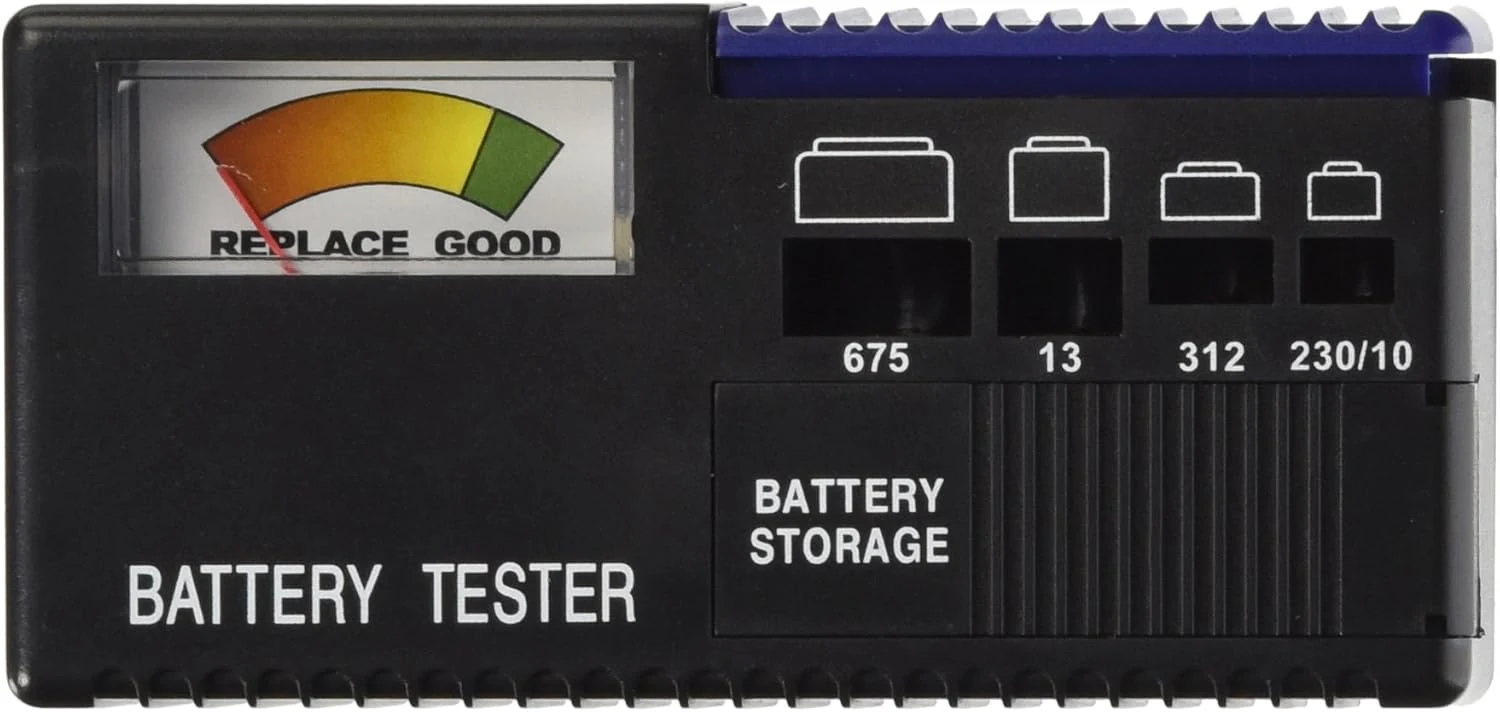
Activair Hearing Aid Battery Tester
The Activair Hearing Aid Battery Tester is a simple, consumer-style tool for checking zinc-air hearing aid batteries using an analog meter and dedicated slots for different battery sizes. It can help you quickly tell whether a battery is fully functional versus near-dead, though it cannot perfectly estimate remaining runtime for every hearing aid and battery scenario.
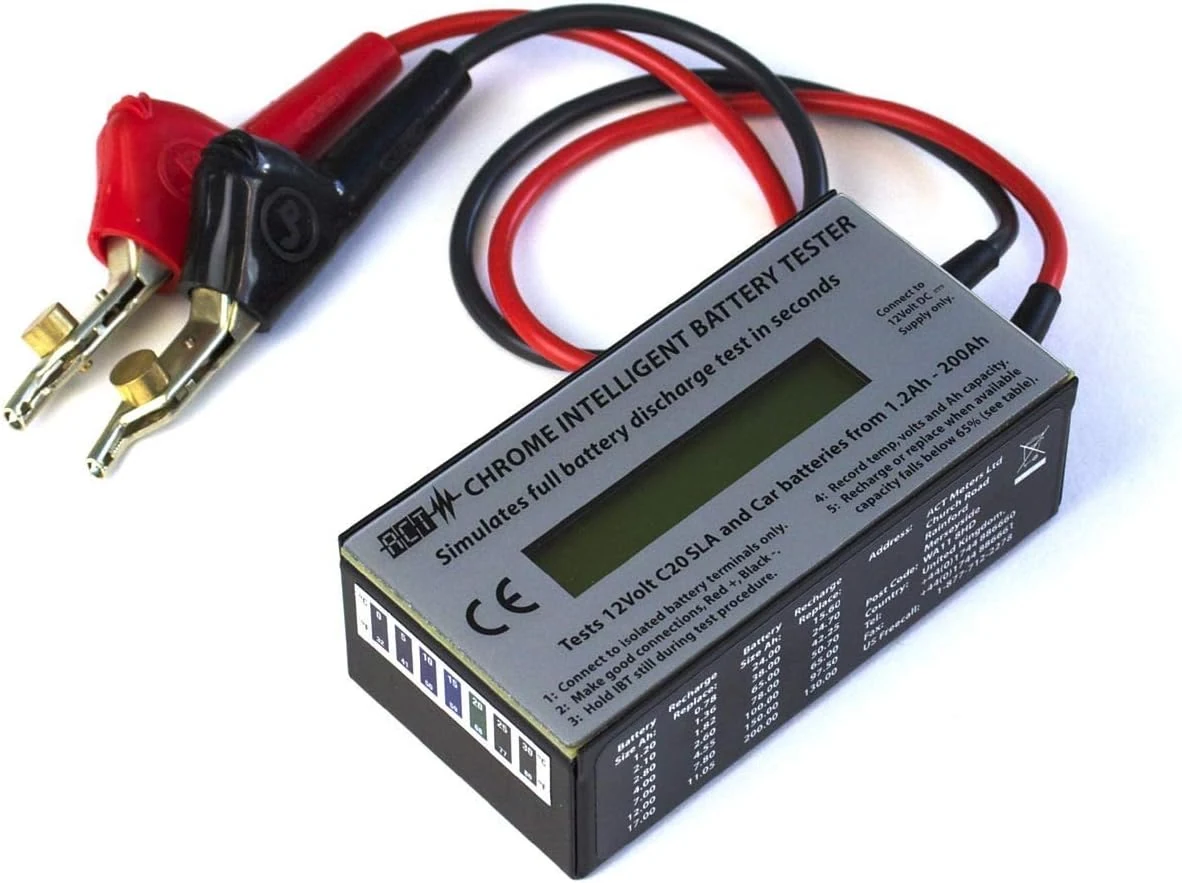
CHROME IBT 12V SLA Intelligent Battery Tester by ACT Meters
The CHROME IBT is a battery tester designed specifically for 12V sealed lead acid (SLA) batteries, aimed at buyers who need fast, practical checks for routine service. It has clear strengths for SLA-focused use, but buyers should be sure they are testing the right battery type and expectations for testing match their workflow.
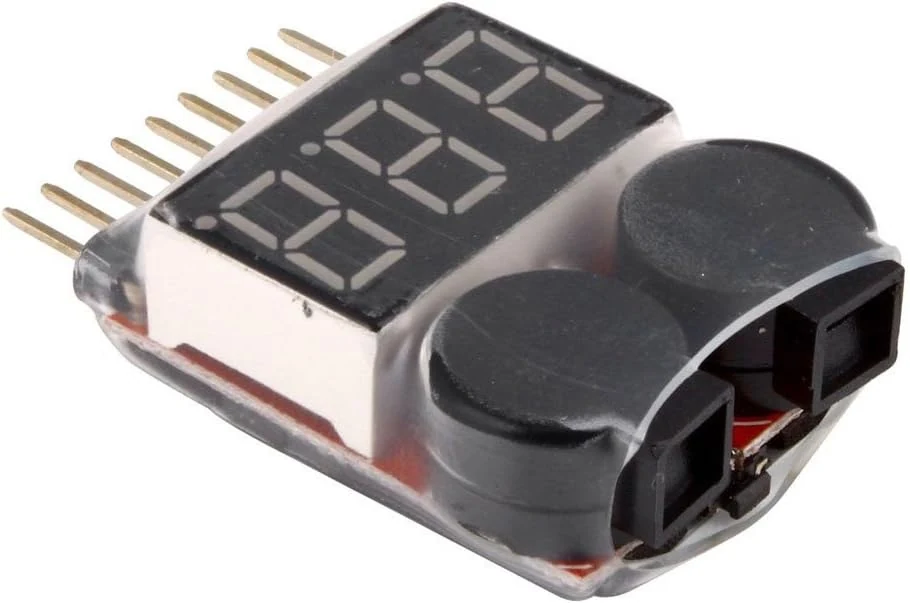
yueton Rc 1-8s Lipo Battery Tester Monitor Low Voltage Buzzer Alarm Voltage Checker
The yueton RC 1-8S LiPo battery tester is a small balance-lead voltage checker designed to help you avoid over-discharging by showing total and per-cell voltage, plus a loud low-voltage buzzer with adjustable alarm. It is best for RC pilots who want a quick “plug in and read” check, with the main tradeoff being a somewhat loud alarm and limited guidance for use.
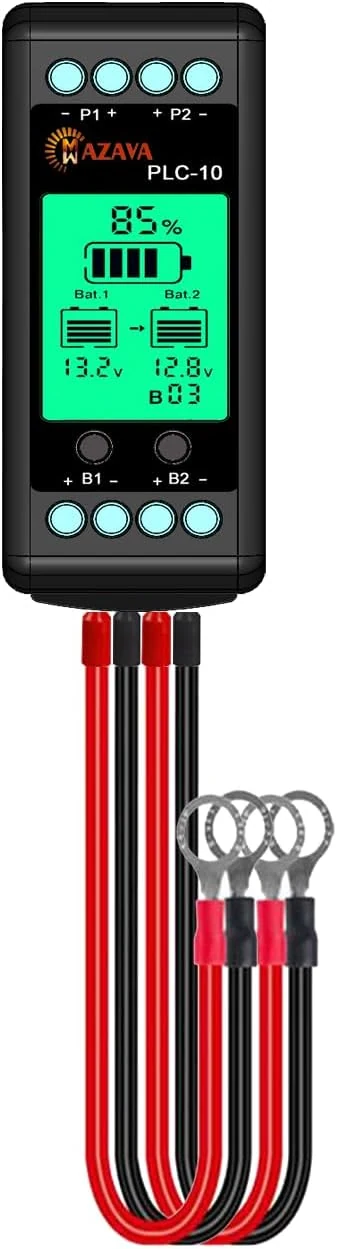
Mazava Battery Equalizer LCD Display Battery Voltage Balancer Battery Bank
The Mazava PLC-10 battery equalizer with an LCD display is designed to help keep multi-battery banks balanced by transferring energy between cells/batteries when voltage differences exceed its activation threshold. It targets solar, UPS, and other backup or off-grid systems that run 12V to 96V battery configurations, with a key limitation: it is a 2-port equalizer meant for pairing two batteries (not a single unit for larger banks).