FAA Chart: VFR Sectional Jacksonville SJAC (Current Edition)
Quick take
The FAA Chart: VFR Sectional Jacksonville SJAC (Current Edition) is a folded paper VFR sectional map for pilots operating in and around the Jacksonville (SJAC) area. It’s a practical choice for route planning and as a dependable backup to electronic navigation, with buyers noting the chart’s readability and detail. The main catch is that you need to buy the correct, current edition for the effective dates to keep it useful for flying.
Pros and cons
Pros
- Current-edition guidance with a stated effective date and “now shipping” timing.
- Clear, easy-to-scan visual organization for airspace, terrain, airports, and navigational aids.
- High-quality paper and print in a folded format that’s easy to store and use as an in-cockpit backup.
- Useful for training and even flight simulator practice (paper chart skills carry over).
Cons
- Paper is not the same as interactive route planning, so it works best as a chart, not a replacement for moving maps.
- Because it’s edition-specific, it matters when you buy and whether you’re aligned with the effective dates.
What buyers think
Buyer-review evidence points to a consistent theme: this sectional is valued as a dependable, information-dense “old school” navigation tool. Pilots describe the map as easy to read and well organized, with strong visual clarity for quickly locating airspace boundaries and key references. Multiple buyers also mention that they use it for training and skill practice, including simulator use, and appreciate having a printed FAA chart as backup rather than relying solely on digital navigation. Overall, buyer sentiment is strongly positive, with most comments focusing on usefulness, clarity of layout, and the practical value of keeping a current paper chart on hand.
What this chart is for
This is a VFR sectional covering the Jacksonville (SJAC) area, intended for pilots who use FAA sectional charts to support preflight planning and in-flight navigation. If you prefer paper for fast scanning, redundancy, or training purposes, a folded sectional like this can be a straightforward addition to your flight bag.
Key details that matter for VFR planning
Current edition, effective dates, and “buy timing”
One of the most important practical considerations with any sectional chart is whether you have the current effective edition. The listing includes a “now shipping” date (December 2) and a next effective date (January 27). If you’re flying frequently, double-check that you’re matching your trip dates with the edition’s effective window so the chart stays aligned with what you’ll encounter.
Paper readability and layout
Buyers repeatedly mention the chart’s clear visuals and intuitive color coding and symbols. They also highlight detailed markings for airspace boundaries, terrain features, airports, and navigational aids. That combination tends to be what makes a sectional useful when you need to quickly interpret what’s around you, whether you’re working on route planning or cross-checking details during a flight.
Back-up value alongside electronic navigation
Even when pilots use avionics, a paper sectional can add resilience if electronics are unavailable or not configured how you need. Review evidence specifically calls out the reassurance of having a navigation chart that “never fails,” reflecting the broader pilot mindset of planning and redundancy.
Pros and cons (with buyer-fit guidance)
Best for
- VFR pilots who want a current folded sectional for the Jacksonville (SJAC) area.
- Anyone who prefers paper charts for quick scanning, training, or redundancy.
- Pilots and students building and maintaining basic chart-navigation skills (including E6B and plotting workflows).
- Simulator users who want realistic practice with sectional-style navigation references.
May not be ideal for
- Shoppers who want an interactive moving map experience rather than a static chart reference.
- Buyers who are unlikely to pay attention to edition effective dates and timing.
How it stacks up versus other options
No named competitors were provided, but you can compare based on the job-to-be-done. Choose a paper sectional like this if your priority is readability, redundancy, and maintaining traditional chart navigation. If your priority is live planning, overlays, and route-following, you may find digital moving maps better suited as your primary tool, with paper serving as the backup. For many pilots, the best setup is exactly that combination, a current sectional plus a digital system you already know how to use.
Bottom line
The FAA Chart: VFR Sectional Jacksonville SJAC (Current Edition) is a solid choice for VFR pilots who want a clear, detailed paper sectional for the Jacksonville area, especially if you value backup capability and traditional chart navigation practice. Just make sure you’re buying the right current edition for your flying window, since that timing is the main factor that can affect usefulness.
FAQ
How do I know I’m getting the current edition?
Look for the effective dates listed for the chart (the listing notes a “now shipping” date and a next effective date). If your flights fall outside the edition’s effective window, you may want to choose a more current edition.
Is this chart only for Jacksonville, FL?
This is a sectional for the Jacksonville (SJAC) area, so it’s focused on that region. It’s best suited for flights where that sectional coverage matches your route and airspace needs.
Do I need a paper sectional if I already use digital navigation?
Many pilots keep paper for redundancy, fast visual scanning, and backup when electronics are unavailable or not set up for your workflow. If you prefer paper navigation training and cross-checking, a sectional can still be a worthwhile add-on.
What size/format is it?
The chart is provided as a folded paper sectional, and buyers specifically mention high-quality paper and print in that folded format.
Is it useful for flight simulator practice?
Review evidence indicates some buyers use FAA paper charts for simulator practice to maintain VFR chart-reading skills, which can carry over to real-world navigation habits.
Specifications
| Product Title | FAA Chart: VFR Sectional Jacksonville SJAC (Current Edition) |
|---|---|
| Category | Electronics > Car & Vehicle Electronics > Aviation Electronics > Aircraft Accessories |
| Item Weight | 2.39 ounces |
| Product Dimensions | 55 x 0.01 x 21 inches |
| Item model number | 8541747754 |
| Is Discontinued By Manufacturer | No |
Recommended next
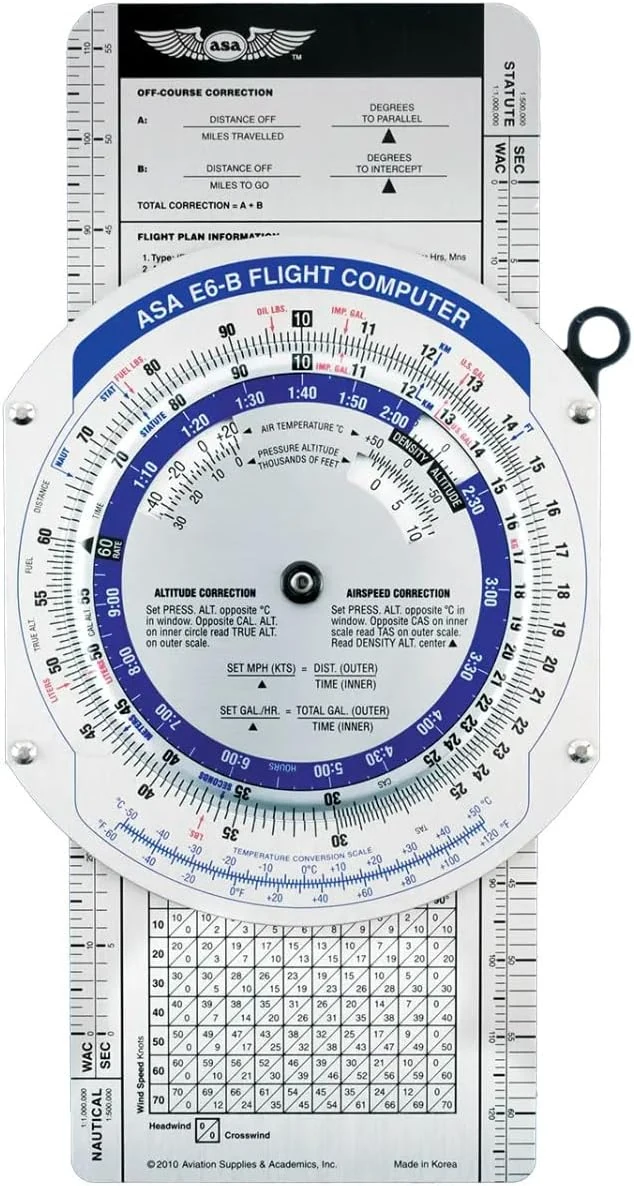
ASA Color E6B Flight Computer
The ASA Color E6B is a durable, metal slide-rule-style flight computer built for practical wind triangle work, unit conversions, and common flight planning calculations. Color-coded scales aim to make setup faster and easier to read, but it is still a mechanical E6B, so it takes comfort with slide-rule-style operation rather than “push-button” use. Best for student pilots and instructors who want a clear, sturdy tool for learning and routine planning.
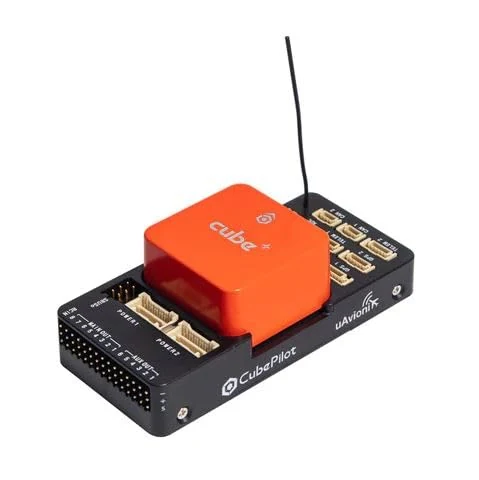
The Cube Orange+ Standard Set
The Cube Orange+ Standard Set is a CNC-aluminum, non-waterproof aircraft autopilot platform built around an H7-class processor and a uAvionix 1090 MHz ADS-B receiver. It’s designed for serious builders who want solid performance, flexible autopilot software support, and features like exclusion-zone-based automatic obstacle avoidance, with the main caveat that you’ll need external waterproofing and compatible power/servo rail setup.
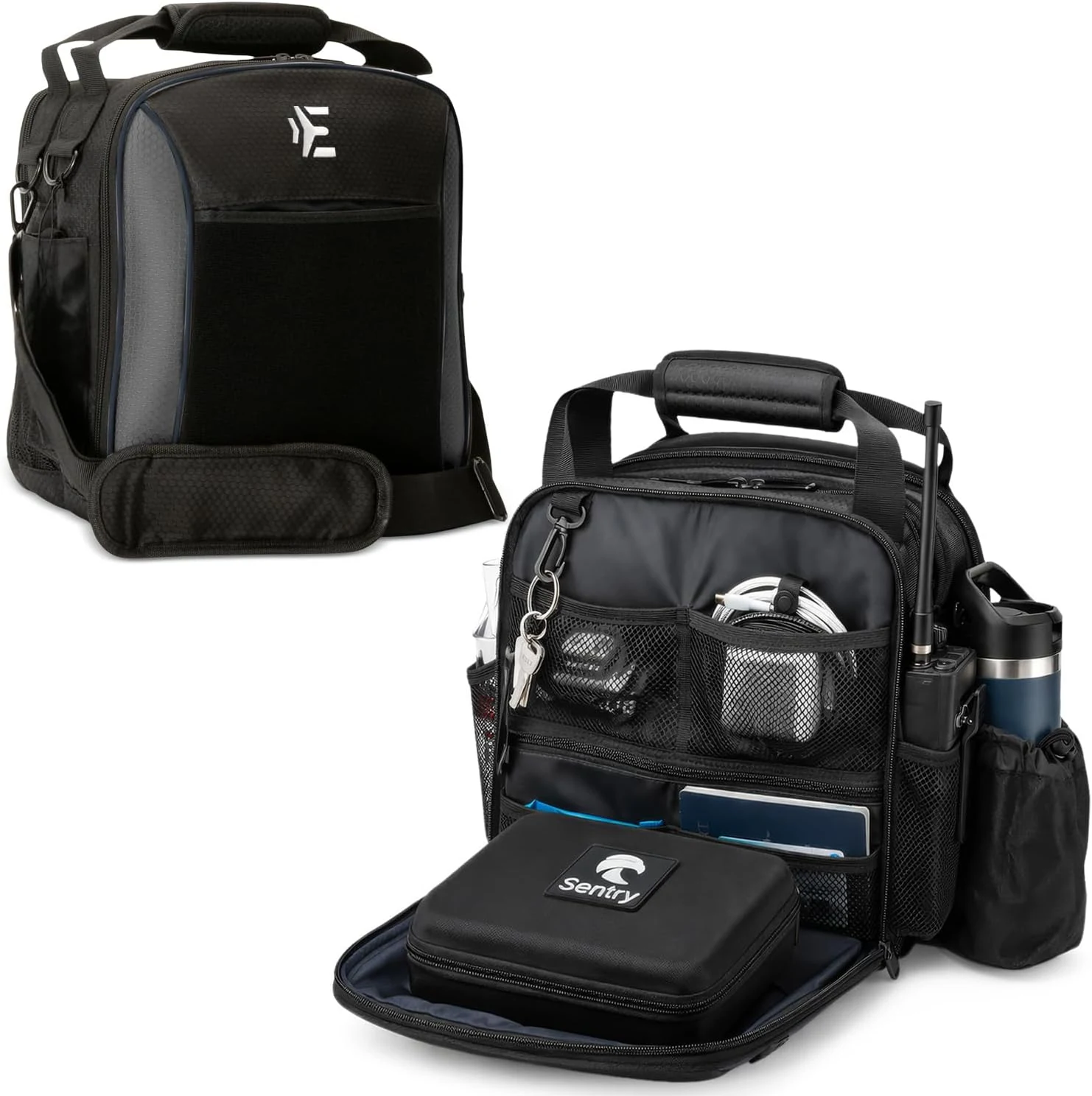
EntireFlight Flight Bag For Pilots
The EntireFlight Flight Bag for pilots is designed to keep essentials organized in one place, with dedicated areas for charts, a tablet, and headset storage. Buyers like its overall build quality and “all-in-one” usefulness for training, with a key caveat: fit and usable space depend on what gear you carry (especially larger items).
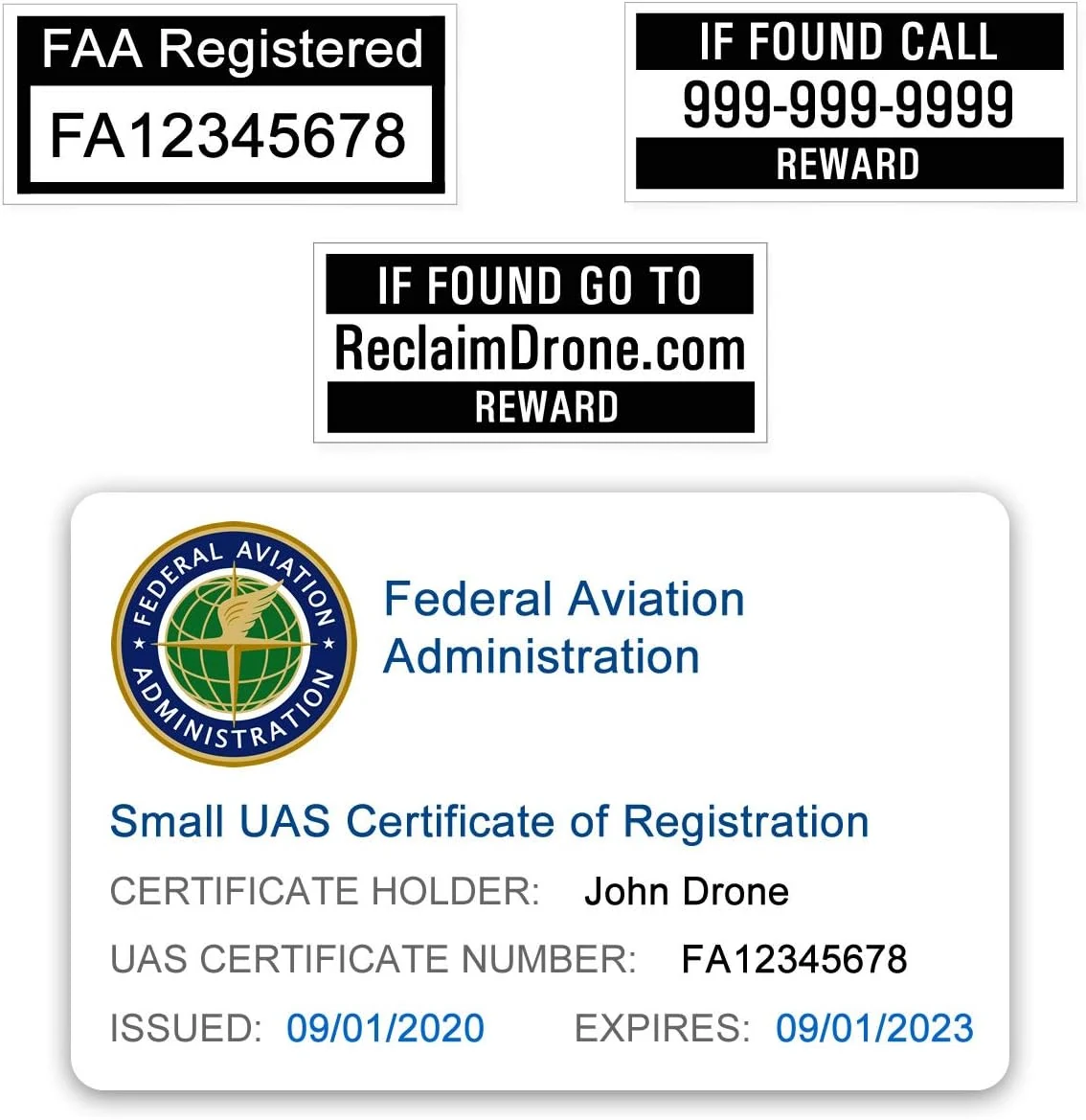
FAA Drone Labels (2 Sets of 3) + FAA UAS Registration ID Card for Hobbyist Pilots (Plus Optional Battery Labels)
If you fly as a hobbyist and want a durable, laminated set of FAA UAS registration labels plus a wallet-size registration ID card, this kit offers pre-customized prints and optional battery numbering stickers. Buyers praise the look, readability, and adhesion quality, with the main caution being that long-term longevity of the labels still depends on your mounting habits and environment.