ASA Jiffyhood
Quick take
The ASA Jiffyhood is a lightweight, plastic view-limiting hood meant for simulated instrument training, including IFR scan practice. It’s designed to be comfortable and adjustable, and multiple buyers say it works well over eyeglasses and sunglasses without getting in the way. The main buying caveat is that headband fit can be tight for some larger-head users.
Pros and cons
Pros
- Comfortable, adjustable elastic headband helps keep the hood secure during training.
- Reviewers report it works well over eyeglasses and sunglasses.
- Lightweight, compact plastic hood is easy to store and carry in a flight bag.
- Commonly used for simulated IFR and instrument training where outside cues need to be blocked.
Cons
- Some users with larger heads may need to modify or extend the band for a comfortable fit.
- It’s a dedicated training accessory, so it’s not meant for general cockpit visibility or everyday wear.
What buyers think
Buyer feedback is strongly consistent around three themes: fit over eyewear, how effectively it blocks external view cues for instrument practice, and overall stability during use. Several reviewers specifically mention comfortable use with eyeglasses and sunglasses, with the strap and hood staying positioned while they train. Buyers also describe the hood as a solid choice for simulated IFR conditions, emphasizing that it removes the temptation to “peek” outside the training scenario. The most notable limitation that shows up in the reviews relates to headband sizing, where very large heads may find the strap too tight without adjustment.
What the ASA jiffyhood is for
The Jiffyhood is a simple, lightweight view-limiting hood intended for “simulated instrument” training. In practice, that means it can help you build habits for scanning and instrument cross-checking by reducing what you can see outside the training scenario. It is also designed with training flow in mind, including the ability to remove or reposition it when conditions allow “breaking out” on an IFR approach simulation.
Design and comfort: a hood that works over glasses
Comfort is where the Jiffyhood seems to earn its keep. The adjustable elastic headband is meant to accommodate different head sizes, and reviewers frequently call out that it does not interfere with eyeglasses or sunglasses. The hood itself is made from lightweight plastic, keeping the overall setup easy to wear and pack away. For frequent training sessions, that portability can matter as much as performance.
Visibility blocking and training effectiveness
For IFR and instrument scan practice, the goal is straightforward: limit outside visual cues so you focus on instruments. Multiple buyers describe the Jiffyhood as doing that well, supporting simulated IFR training where you should not rely on outside references. Reviewers also highlight stability, meaning the hood and strap tend to stay where you put them instead of shifting during practice.
Pros and cons in plain language
When the ASA Jiffyhood makes sense
- You train for IFR or instrument scan habits and want a simple way to restrict outside view cues.
- You wear eyeglasses or sunglasses and want a hood that works comfortably with eyewear.
- You want a compact accessory that’s easy to store and bring to the next session.
When you may want to think twice
- Your head size is on the larger side, because some users report the band can feel tight and may require extension.
- You need a wearable headgear solution for reasons other than simulated instrument training, since this is purpose-built for that specific job.
How to choose the right view-limiting training accessory
If you’re deciding between training-hood style options, prioritize fit and workflow. Look for:
- Eyewear compatibility: If you wear glasses or sunglasses, confirm the design is comfortable with them.
- Stability: A hood that stays in place helps you practice consistently from session to session.
- Comfort and band adjustability: Adjustable elastic straps are common, but head size range matters.
- Ease of repositioning: If your training involves switching between simulated and visual phases, a hood that can be quickly removed or flipped into position can reduce interruptions.
Price and availability
Pricing and stock can change quickly. If the current listing shows limited availability, consider checking again soon if you’re planning for a training timeline.
Verdict
The ASA Jiffyhood is a strong pick for pilots and instructors who want a lightweight, practical way to limit outside view during simulated IFR and instrument training. Its standout advantage is that it’s repeatedly reported to work comfortably with eyeglasses and sunglasses while staying positioned for practice. If you have a larger head, plan for possible band fit adjustments before you commit.
Ready to compare and see the latest pricing? Buy on Amazon.
FAQs
Is the ASA Jiffyhood comfortable to wear with eyeglasses?
Many buyers specifically mention comfortable use over eyeglasses. The hood’s adjustable elastic headband is designed to secure it without interfering with frames, but fit can still vary by head size.
Does the hood block outside view effectively for simulated IFR training?
Reviewers commonly describe it as effective at limiting external visual cues, which supports simulated instrument and IFR scan practice where “peeking” outside the scenario is discouraged.
Will it fit large heads?
If you’re between sizes, it may be worth considering how adjustable you’ll need it to be.
How portable is the Jiffyhood?
Because it uses lightweight plastic and a compact form factor, it’s generally considered easy to pack in a flight bag for travel and regular training sessions.
Specifications
| Product Title | ASA Jiffyhood |
|---|---|
| Category | Electronics > Car & Vehicle Electronics > Aviation Electronics > Aircraft Accessories |
| Brand | ASA |
| Manufacturer | ASA |
| Model Name | 4330256138 |
| Model Number | 4330256138 |
| Color | Black |
| Item Weight | 0.2 Pounds |
| Compatible Mountings | Micro Four Thirds |
| Aspect Ratio | Unknown |
| Sensor Type | CMOS or BSI CMOS |
| File Format | JPEG, RAW |
| Image stabilization | false |
| Maximum Aperture | 2.8 Millimeters |
| Expanded ISO Minimum | 50 |
| Photo Sensor Size | 4/3 |
| Minimum Shutter Speed | 1 Seconds |
| Exposure Control | Automatic |
| Form Factor | Ultracompact |
| Special Feature | Lightweight plastic hood with adjustable elastic headband |
| Shooting Modes | Automatic, Portrait, Landscape, Sports |
| Video Resolution | 1080p |
| Viewfinder | Electronic |
| Flash Modes | Auto, On, Off, Slow Synch, Rear Curtain Synch |
| Camera Flash | Built-In |
| Specific Uses For Product | Training |
| Aperture modes | F2.8 |
Recommended next
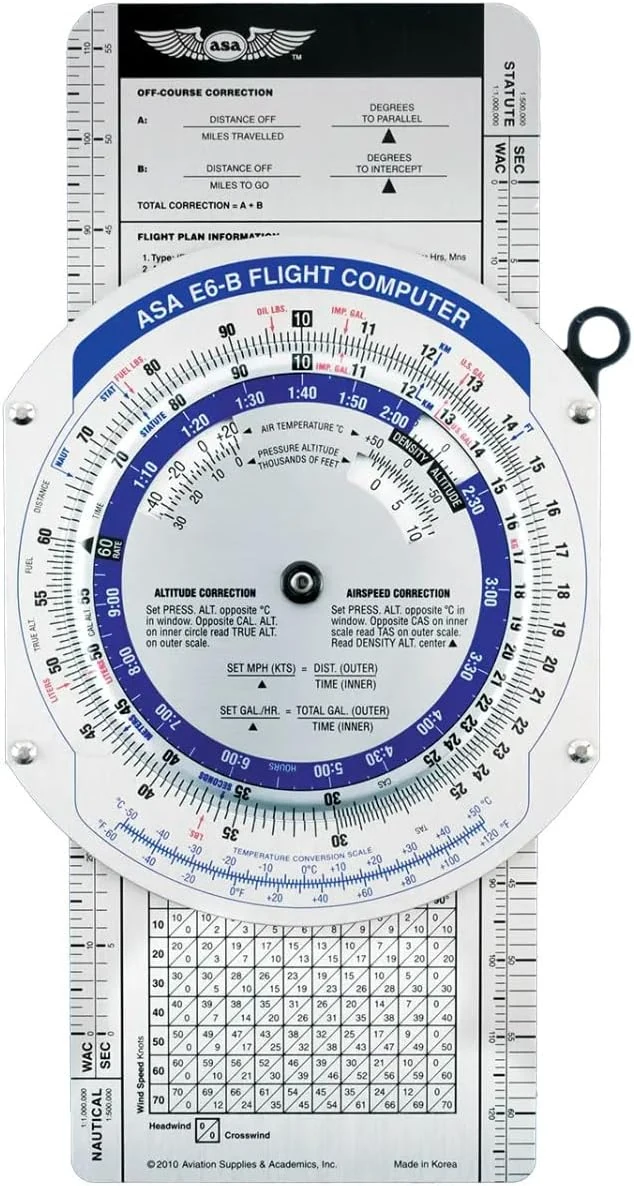
ASA Color E6B Flight Computer
The ASA Color E6B is a durable, metal slide-rule-style flight computer built for practical wind triangle work, unit conversions, and common flight planning calculations. Color-coded scales aim to make setup faster and easier to read, but it is still a mechanical E6B, so it takes comfort with slide-rule-style operation rather than “push-button” use. Best for student pilots and instructors who want a clear, sturdy tool for learning and routine planning.
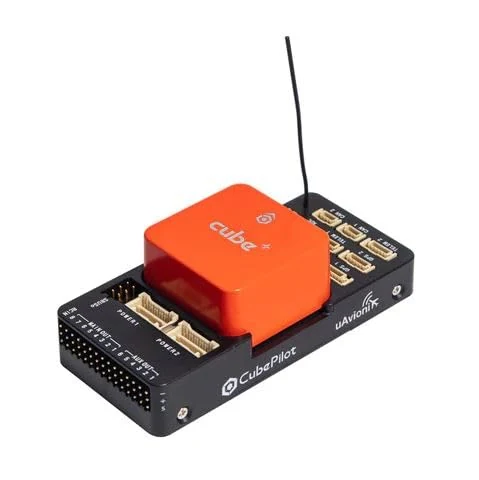
The Cube Orange+ Standard Set
The Cube Orange+ Standard Set is a CNC-aluminum, non-waterproof aircraft autopilot platform built around an H7-class processor and a uAvionix 1090 MHz ADS-B receiver. It’s designed for serious builders who want solid performance, flexible autopilot software support, and features like exclusion-zone-based automatic obstacle avoidance, with the main caveat that you’ll need external waterproofing and compatible power/servo rail setup.
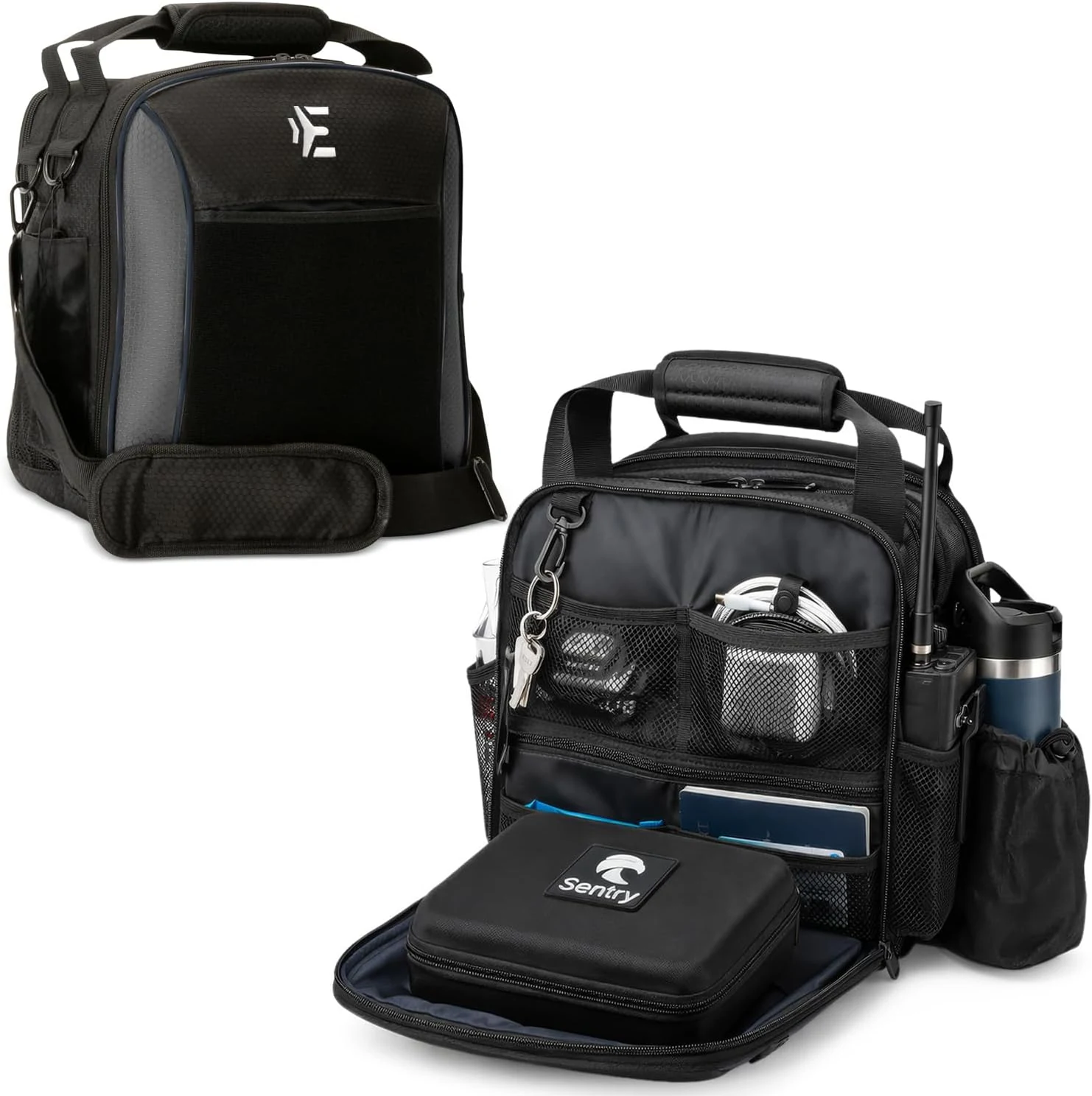
EntireFlight Flight Bag For Pilots
The EntireFlight Flight Bag for pilots is designed to keep essentials organized in one place, with dedicated areas for charts, a tablet, and headset storage. Buyers like its overall build quality and “all-in-one” usefulness for training, with a key caveat: fit and usable space depend on what gear you carry (especially larger items).
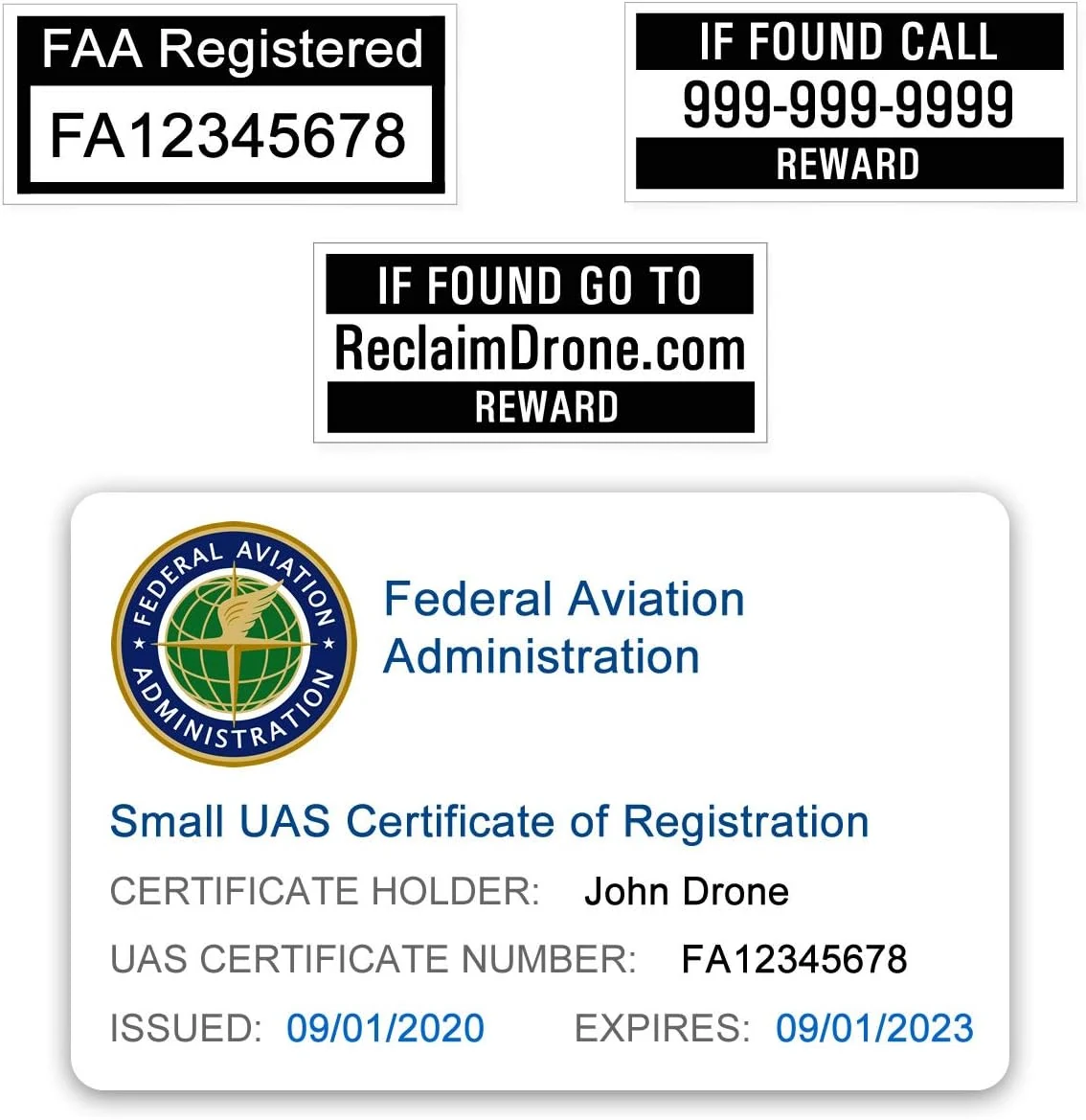
FAA Drone Labels (2 Sets of 3) + FAA UAS Registration ID Card for Hobbyist Pilots (Plus Optional Battery Labels)
If you fly as a hobbyist and want a durable, laminated set of FAA UAS registration labels plus a wallet-size registration ID card, this kit offers pre-customized prints and optional battery numbering stickers. Buyers praise the look, readability, and adhesion quality, with the main caution being that long-term longevity of the labels still depends on your mounting habits and environment.