Canon EOS 70D Digital SLR Camera (Body Only)
Quick take
The Canon EOS 70D (body only) is an APS-C DSLR designed around responsive autofocus, including Dual Pixel CMOS AF for faster focus during live view and video. It also brings a 3-inch articulating touch LCD for easier framing and reviewing from high or low angles. The biggest buying caveat is that this is body-only, so you must already own (or plan to buy) a compatible Canon EF/EF-S lens.
Pros and cons
Pros
- 20.2 MP APS-C CMOS sensor with DIGIC 5+ image processing for detailed images.
- 19-point cross-type AF system with up to 7 fps continuous shooting.
- Touch-enabled 3-inch articulating LCD, useful for flexible shooting angles.
- Dual Pixel CMOS AF supports fast focus in live view and while recording full HD video.
Cons
- Body only, so you still need a Canon EF/EF-S lens (and any accessories you rely on).
- Some autofocus calibration and lens behavior can vary by lens and shooting conditions, so expectations should match your lens setup.
- In-camera HDR and multiple-exposure features may require specific output settings (like JPEG) depending on the feature you use.
What buyers think
Buyer-review themes are strongly centered on autofocus performance and day-to-day usability. Many comments highlight the touchscreen and articulating screen as genuinely practical for shooting from unusual angles and for quick control. Wireless phone control is also a commonly praised convenience, with users liking the ability to preview and adjust settings from a connected device. On image quality, the general pattern is that the 70D delivers clear results and improved low-ISO noise handling compared with older entry-level bodies, while video autofocus is often described as a meaningful upgrade versus older systems that required more manual steps.
When negatives come up, the evidence is more about feature behavior and practical tradeoffs than widespread hardware failures. A smaller set of buyers note that autofocus outcomes can depend on lens choice, and that certain in-camera creative modes have workflow limits (for example, saving only the final blended HDR result rather than the individual frames). Overall, buyer-review evidence supports the idea that the 70D is a capable enthusiast DSLR, especially for users who want a solid control interface and autofocus-centric shooting.
Who this camera is for
The Canon EOS 70D (body only) makes the most sense if you:
- Want an APS-C DSLR upgrade with a focus on autofocus speed and live view performance.
- Plan to use the articulating touchscreen for composition, reviewing, or touch-based control.
- Need full HD video with autofocus support and prefer a camera designed to focus well while you’re filming.
- Already own Canon EF/EF-S lenses, or you are comfortable building a lens kit.
Who should skip it
You may want to look elsewhere if:
- You do not want the extra step of buying a compatible lens, because this is a body-only kit.
- You expect every creative in-camera feature to behave like a fully customizable workstation, some modes have specific settings requirements.
- You’re not willing to learn focusing workflow basics (like how autofocus point selection and lens behavior interact).
Key features that matter in real buying decisions
Autofocus and continuous shooting
The 70D is built around a 19-point cross-type AF system and can shoot up to 7 fps at full resolution. That combination is aimed at action, changing subjects, and general everyday moments where the camera needs to track and react quickly.
For live view and video, Dual Pixel CMOS AF is the standout, because it’s intended to make focusing during filming feel more immediate and controllable than older DSLR approaches that pushed users toward manual focus.
Touch and articulating screen
The 3-inch articulating touch LCD (Clear View II) is a practical feature set. It helps with framing from high or low positions, and touch control can simplify selecting focus points in live view.
Low-light capability and ISO flexibility
With ISO 100 up to 12,800 (expandable to 25,600), the camera gives you room to work in darker environments. Buyer feedback often supports the idea that image noise stays reasonably controlled up to mid-range ISOs, while higher ISO settings may still benefit from thoughtful noise-reduction choices.
Video and lens-driven results
Full HD 1080p recording is part of the package, and autofocus during video is frequently mentioned as a reason people upgrade. As with most interchangeable-lens cameras, video quality will still depend heavily on the lens you choose and the lighting you shoot in.
Pros and cons in context
- Great fit: photographers who want fast DSLR handling plus live view autofocus that supports video shooting without switching to a completely different workflow.
- Potential tradeoff: if you rely on very fast lenses or specific AF setups, you may need to take time to understand your focusing behavior and, in some cases, use micro-adjustment approaches that help your lens and body work together.
- Workflow limitation to consider: some in-camera creative modes can impose format or output behavior, so plan for how you want the final images to be saved and edited.
Price and availability
For this body-only model, pricing and stock can vary. If you are comparing against bundles, keep in mind that buying a lens separately can change the true “all-in” cost. Use the button below to check the current price and availability before you commit.
Verdict
The Canon EOS 70D (body only) is a strong DSLR choice for enthusiasts who want reliable, autofocus-forward performance and a genuinely usable articulating touchscreen. It’s especially appealing if you want Dual Pixel CMOS AF for live view and video. Choose it when you already have Canon EF/EF-S lenses (or you’re ready to buy one), and be prepared to spend a little time dialing in focusing workflow and settings for your specific lens setup.
FAQ
Is the Canon EOS 70D body only compatible with Canon EF and EF-S lenses?
Yes. This model uses a Canon EF mount and is compatible with Canon EF/EF-S lenses, but you will need to attach your own lens because it is sold as a body-only camera.
Does the EOS 70D support autofocus while shooting video?
Yes. The camera includes Dual Pixel CMOS AF, which is intended to provide fast focusing during live view and video recording.
What is the advantage of the articulating touch screen?
The 3-inch articulating touch LCD makes it easier to frame and review from high or low angles, and touch control can help with menu navigation and focus-point selection in live view.
How good is low-light performance on this camera?
It offers ISO 100 through 12,800, expandable to 25,600, which gives flexibility in darker conditions. Buyer feedback commonly points to good results at lower ISOs and workable performance at higher ISOs when paired with noise-reduction techniques.
Is the autofocus system reliable for everyday shooting?
The 19-point cross-type AF system and up to 7 fps continuous shooting are designed for responsive performance. Autofocus behavior can still vary with lens choice and shooting conditions, so it helps to understand your lens and focusing settings.
Does it have built-in wireless control with a phone?
Yes. Many buyers like the ability to connect a smartphone and control the camera or view what the camera sees on the phone.
Specifications
| Product Title | Canon EOS 70D Digital SLR Camera (Body Only) |
|---|---|
| Category | Electronics > Camera & Photo > Digital Cameras > DSLR Cameras |
| Brand | Canon |
| Manufacturer | Canon |
| Model Name | Canon EOS 70D |
| Model Number | 8469B002 |
| Photo Sensor Size | APS-C |
| Image Stabilization | Optical |
| Zoom | Optical Zoom |
| Screen Size | 3 Inches |
| Color | Black |
| Item Weight | 26.63 Ounces |
| Compatible Mountings | Canon EF |
| Aspect Ratio | 16:9, 1:1, 3:2, 4:3 |
| Sensor Type | CMOS |
| File Format | JPEG |
| Image stabilization | Optical |
| Maximum Aperture | 2.8 f |
| Expanded ISO Minimum | 100 |
| Photo Sensor Resolution | 20.2 MP |
| Maximum Shutter Speed | Jan-00 Seconds |
| Minimum Shutter Speed | 30 seconds Seconds |
| Exposure Control | Automatic |
| Form Factor | Mid-size SLR |
| Effective Still Resolution | 20.2 MP |
| Special Feature | Face Detection |
| Shooting Modes | Scene Intelligent Auto, creative auto, landscape, close-up, sports, special scene modes (night portrait, HDR backlight control), and more |
Available variants
Style
- w/ 18-135mm
- w/ 18-55mm
- 8469B002
Set
- Base
Recommended next
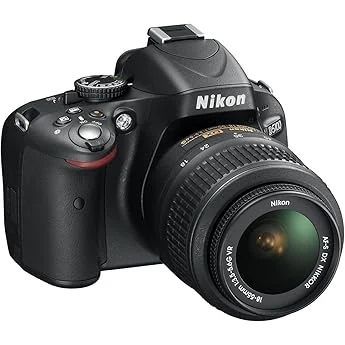
Nikon D5100 16.2MP Digital SLR Camera & 18-55mm VR Lens
The Nikon D5100 DSLR kit pairs a 16.2MP APS-C CMOS sensor with an 18-55mm VR (optical) lens and a 3-inch Vari-angle LCD. It is a straightforward entry point for learning DSLR controls, with features aimed at capturing stills and full HD 1080p video. The main buying caveat is that refurbished units may arrive with missing essentials like a battery or memory card.
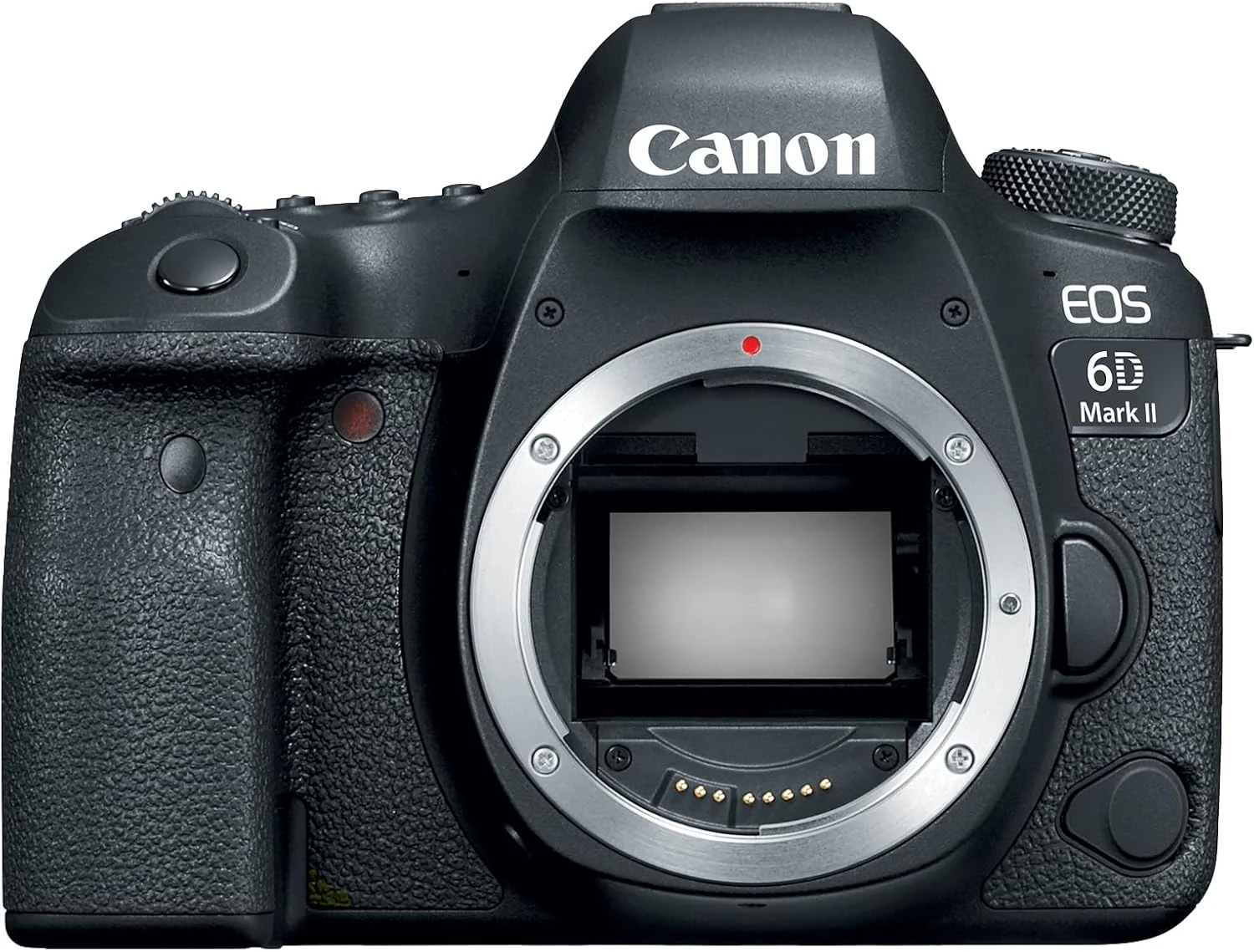
Canon EOS 6D Mark II Digital SLR Camera Body – Wi-Fi Enabled
The Canon EOS 6D Mark II pairs a 26.2MP full-frame CMOS sensor with Canon’s DIGIC 7 processing, built-in Wi-Fi/NFC/Bluetooth, and a vari-angle touchscreen for flexible shooting. It’s a strong full-frame step up for Canon EF lens owners, with autofocus and full-HD Dual Pixel support that suits everything from travel and wildlife to occasional astrophotography, as long as you understand it is not a fast-action pro body.
![Canon DSLR Camera [EOS 90D] with Built-in Wi-Fi, Bluetooth, DIGIC 8 Image Processor, 4K Video, Dual Pixel CMOS AF, and 3.0 Inch Vari-Angle Touch LCD Screen](/product-images/019eeb7b-a06c-7030-a39e-55affab3b2c5-0-45d0c88c472b.webp)
Canon DSLR Camera [EOS 90D] with Built-in Wi-Fi, Bluetooth, DIGIC 8 Image Processor, 4K Video, Dual Pixel CMOS AF, and 3.0 Inch Vari-Angle Touch LCD Screen
The Canon EOS 90D is a feature-rich APS-C DSLR body with a 32.5MP sensor, 4K video, Dual Pixel CMOS AF, and strong shooting performance for action, wildlife, and everyday DSLR needs. It also includes built-in Wi‑Fi and Bluetooth for easy phone workflows, plus a vari-angle 3-inch touchscreen for flexible shooting.
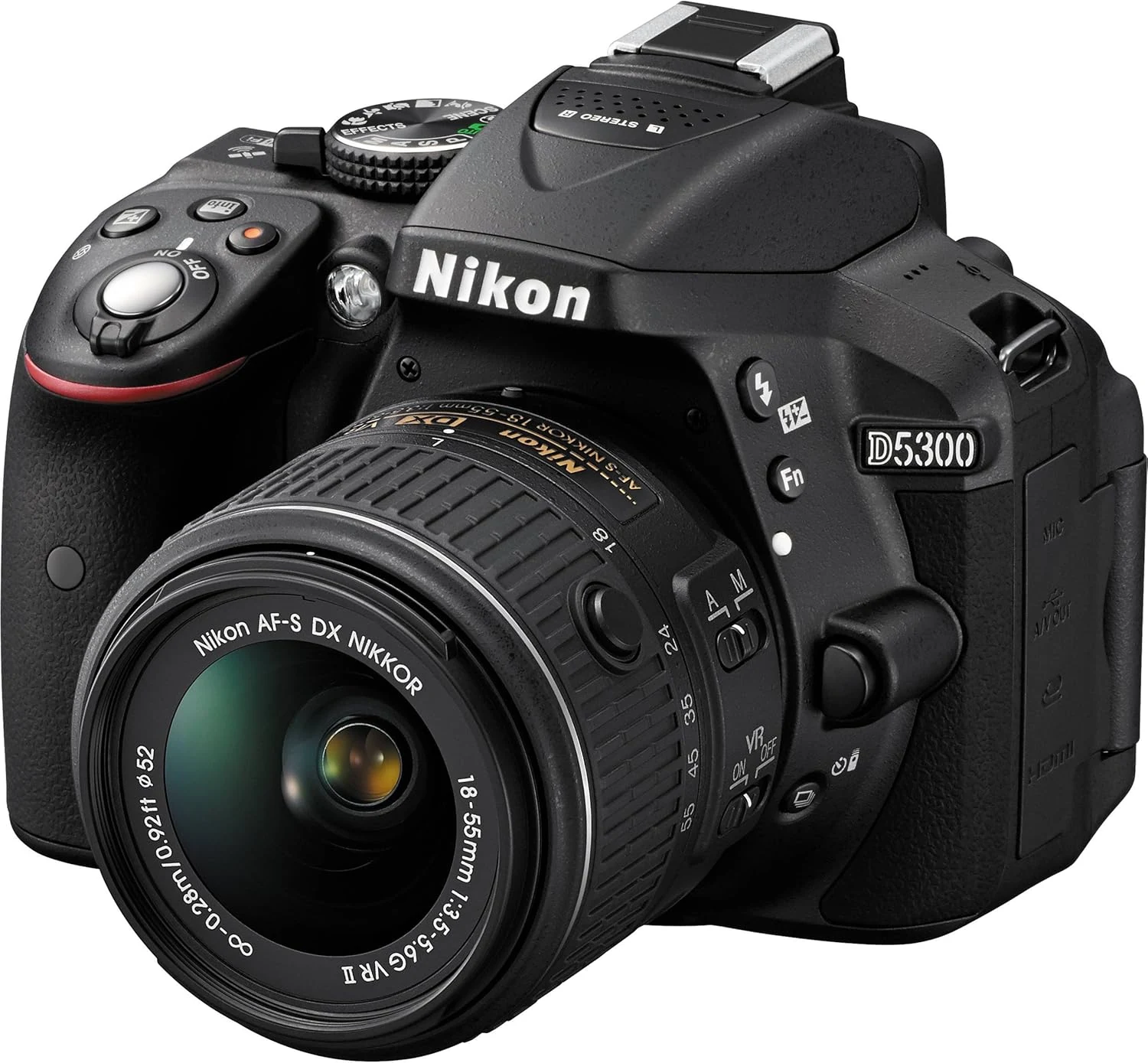
Nikon D5300 24.2 MP CMOS Digital SLR Camera with 18-55mm f/3.5-5.6G ED VR
The Nikon D5300 is a compact APS-C DSLR that pairs a 24.2 MP sensor with a 39-point autofocus system, built-in Wi‑Fi, and a 3.2-inch vari-angle touchscreen-style LCD for easier shooting from awkward angles. It can be a strong step-up for beginners and enthusiast upgraders, with the main caveat being DX-format limitations compared with full-frame systems and a learning curve for video focusing.