VK-162 G-Mouse USB GPS Dongle Receiver Antenna M8 Chip with Flash 9600bps 1Hz NEMA-0183 for Linux Window Google Earth
Quick take
The VK-162 G-Mouse is a compact USB GPS dongle built around an M8 chip, with NMEA-0183 style output and support for Linux right out of the gate. It’s a solid fit for Raspberry Pi and desktop GPS logging or timing setups, but Windows buyers should expect to install drivers, and some radio operators may want to consider RF noise when using it alongside HF digital modes.
Pros and cons
Pros
- Receives GPS satellites quickly, including on cold or warm starts.
- Linux plug-and-play is a recurring theme, including on Raspberry Pi setups.
- Works for timing and NTP-style workflows, with reports of low jitter for a USB device.
- Flash storage helps retain settings for easier repeat use.
Cons
- Windows requires driver installation before it will work.
- Not intended for Android or iOS use.
- May produce some RF hash, which can matter for HF/digital radio use cases.
What buyers think
Buyer-review evidence is generally positive and focuses on three areas: acquisition speed, ease of setup, and timekeeping suitability. Multiple reviewers describe fast first lock, especially after the first initial warm-up period, and note that satellite tracking improves after placement and initial positioning. For setup, Linux users commonly report minimal friction, while Windows users highlight the need for driver installation to get running. Several reviewers also call out good timing behavior (low NTP jitter) for a USB GPS device, making the VK-162 a frequent choice for time-sync and related projects. A smaller number of comments mention RF noise on HF bands, which may not be a concern for general navigation use, but can affect certain radio-centric workflows.
What the VK-162 is designed to do
This USB GPS dongle is meant to provide a steady stream of position data over USB for devices and software that can read it, such as desktop mapping tools and Linux-based workflows. It is built around an M8 chip, uses an integrated satellite antenna (a “G-mouse” style form factor), and includes flash so you can store settings for more convenient use next time. Configuration and output behavior are typically managed by software on the host computer, with NMEA-0183-oriented output mentioned in the product positioning.
Key specs and practical implications
Compact size for easy placement
With a small footprint (about 1.5 by 1.93 inches and under an inch thick), the VK-162 is built for desk use, window placement, or integration into a Raspberry Pi project enclosure. Because GPS performance depends on sky visibility, many buyers emphasize positioning, especially during the initial seconds after powering up.
USB convenience, with OS-specific setup differences
Linux users often experience plug-and-play behavior, which is a big deal for projects where you want fewer moving parts. Windows support is workable, but driver installation is part of the process, so expect a short setup step before you can start streaming GPS sentences to your software.
Timing and NTP-related projects
A recurring theme in reviews is suitability for time-sync workflows, including NTP configuration. That aligns with use cases where you want a stable GPS-derived time signal and predictable output rather than just “it shows a location.” If your project involves time synchronization or jitter-sensitive logging, the VK-162 appears to fit that niche.
Pros and cons in plain terms
Pros
- Fast lock and responsive tracking: Reviewers describe quick acquisition on cold and warm starts.
- Linux-friendly: Many users report no driver hassles on Linux, including on Raspberry Pi.
- Useful for timing: Reports mention low NTP jitter performance for a USB GPS device.
- Settings persistence: Flash storage can make repeat setups easier.
Cons
- Windows needs drivers: If you are only expecting “plug it in and go,” plan on spending a bit of time on installation.
- Mobile OS limitation: It is not positioned for Android or iOS.
- Potential RF noise: Some radio-related users note RF hash on HF bands, which may require careful power and placement decisions.
Who should buy it
- You’re using Linux or a Raspberry Pi: The Linux experience and quick lock behavior are the strongest alignment points.
- You need NMEA-style GPS data for desktop or embedded software: It’s a practical “USB GPS in a dongle” option for mapping, logging, and data capture.
- You’re building time-sync workflows: If low jitter matters, the review themes suggest it can be a good match.
- You want a small, simple receiver: It’s an easy-to-integrate form factor for window mounting, desk placement, or enclosure projects.
Who should avoid it
- You need Android or iOS compatibility: It’s not intended for those platforms.
- You want zero setup on Windows: Driver installation is part of the experience.
- You do HF digital radio that can be sensitive to RF hash: Consider the RF noise tradeoff, and plan for testing in your specific environment.
Installation and setup expectations
For Linux, buyers frequently report straightforward use. For Windows, expect to install the required driver before your GPS software can receive data. For best results, plan to give it a clear view of the sky, especially during the initial period after powering on, since performance can depend on placement for early satellite locking.
Price and availability
Pricing varies, but the VK-162 sits in the budget-to-mid range for USB GPS dongles. Availability can be limited at times, so if you see it listed as low stock, it can be worth ordering when you are ready to set up your project.
Our verdict
The VK-162 G-Mouse USB GPS dongle is a strong option when you want a compact GPS receiver that works smoothly on Linux, including Raspberry Pi projects, and when you care about usable timing behavior. The main things to keep in mind are the Windows driver step, the lack of Android/iOS positioning, and the possibility of RF hash if you are operating sensitive HF digital modes.
FAQ
Is the VK-162 G-Mouse compatible with Android or iOS?
It is not positioned as compatible with Android or iOS. It’s intended for Windows and Linux use.
Does it work on Linux without installing drivers?
Linux buyers commonly report plug-and-play behavior, while Windows typically requires driver installation before the dongle will work.
How long does it take to get a GPS lock?
Reviewers describe fast acquisition, and some mention that it performs best after initial placement and an initial warm-up period at startup.
Can it be used for NTP or time synchronization?
Yes, it is used for timing-related setups. Buyers report low NTP jitter for a USB GPS device and describe Windows configurations that make setup straightforward.
Does it produce RF noise?
Some reviewers report RF noise or hash on HF bands. If you are doing HF digital modes, you may want to power it down after time sync, or test your setup to confirm it does not affect your radio workflow.
What does the “flash” feature do?
The flash storage is intended to save settings so the receiver is more convenient to use next time, reducing repeated configuration effort.
Specifications
| Product Title | VK-162 G-Mouse USB GPS Dongle Receiver Antenna M8 Chip with Flash 9600bps 1Hz NEMA-0183 for Linux Window Google Earth |
|---|---|
| Category | Electronics > GPS, Finders & Accessories > GPS System Accessories > Antennas |
| Brand | DIYmalls |
| Manufacturer | DIYmalls |
| Color | Black |
| Item Weight | 2.3 Ounces |
| Product Dimensions | 1.5"L x 1.93"W x 0.63"H |
| AntennaDescription | Satellite |
| UPC | 747356637541 |
| Number of Items | 1 |
| Number of Channels | 72 |
| Maximum Range | 50000 Meters |
| Item Dimensions L x W x H | 1.5"L x 1.93"W x 0.63"H |
| Antenna | Satellite |
Recommended next
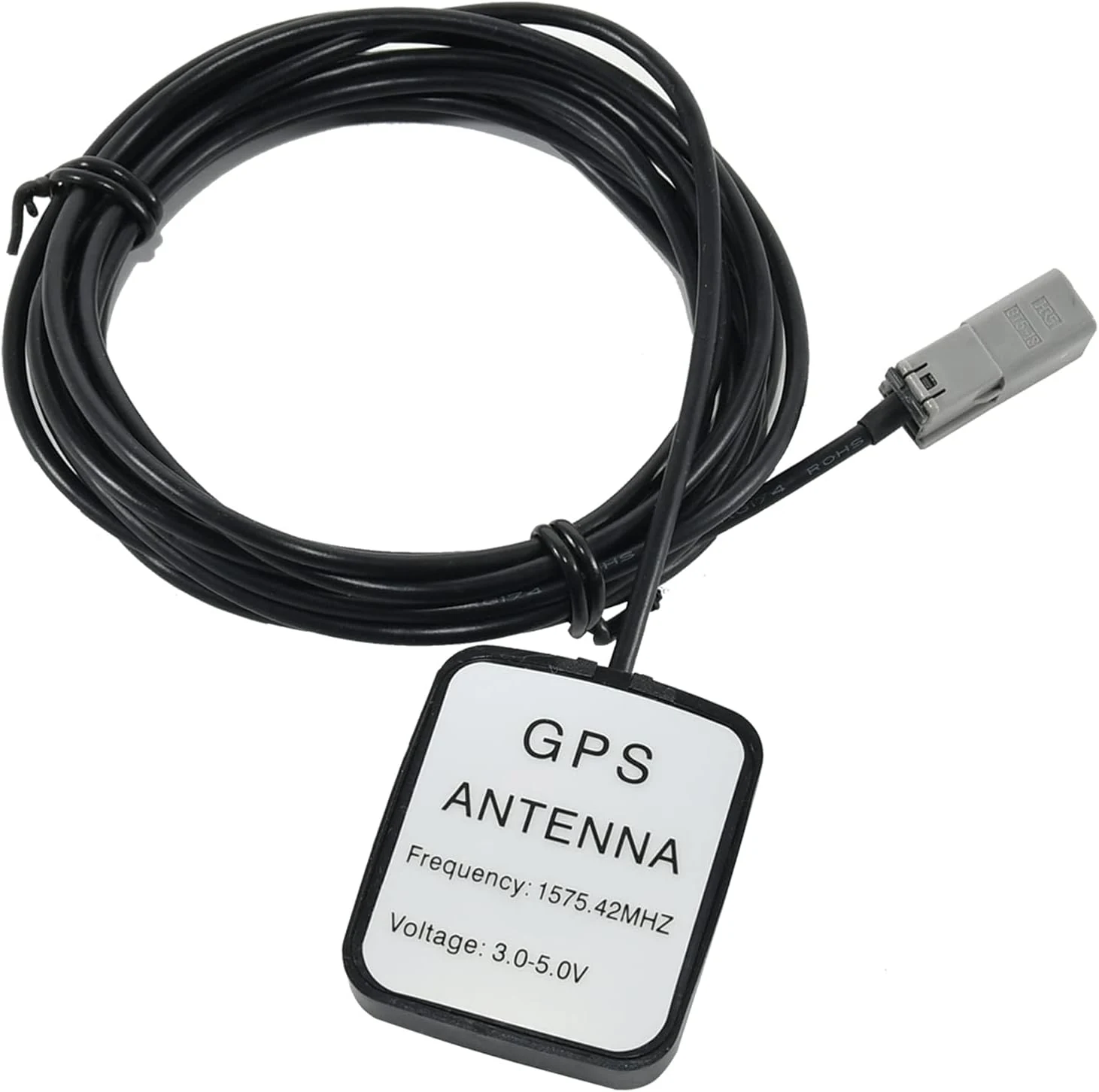
Anina Car Active GPS Antenna for Kenwood DDX/DNX/KNA/DDX Alpine JVC Navigation Radio Compatible with Toyota Honda Nissan
The Anina active magnetic GPS antenna is designed for select Kenwood, Alpine, JVC (and compatible Toyota, Honda, Nissan setups) aftermarket navigation/head units. It’s a plug-and-play style upgrade with an active LNA and a magnetic mount, but correct fit depends on matching the antenna connector and your unit’s GPS input.
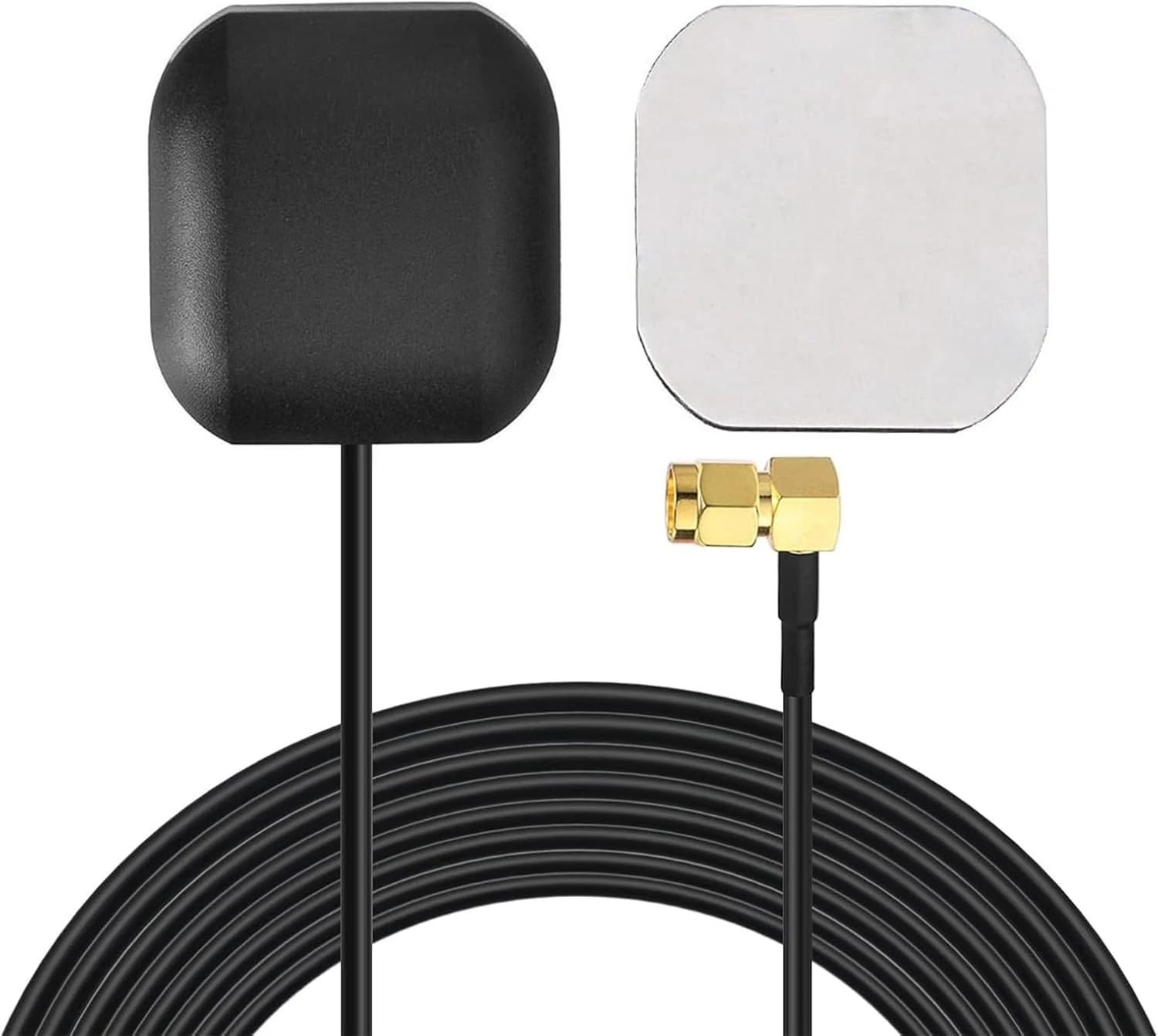
Bingfu Car GPS Antenna SMA Male Waterproof Active GPS Navigation review
The Bingfu Car GPS Antenna is a low-profile, active GPS option built for head units, trackers, and vehicle electronics that need reliable satellite lock. With a 3 m cable, SMA male right-angle connector, and magnetic or adhesive mounting, it is a practical upgrade when a built-in or bundled antenna underperforms. The main thing to double-check is connector compatibility (SMA male) and the fit of your installation location.
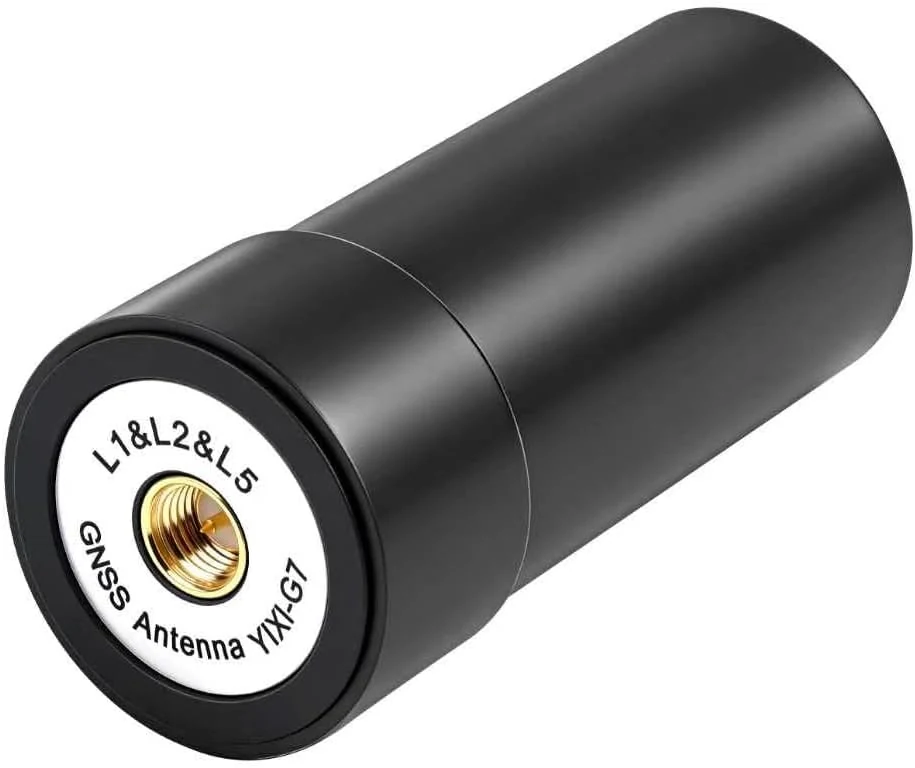
RTK GNSS Active Antenna High Precision Helix Positioning GPS GLONASS Beidou BDS Galileo Four-Star Multi-Frequency Antenna, Slinkdsco
The Slinkdsco SK530 RTK GNSS active helix antenna is built for multi-constellation, multi-frequency GNSS work where a compact antenna and short cable setup matter. Buyers report quick satellite lock and solid RTK performance, with the main tradeoff being that the price can feel high if you need to buy many units.
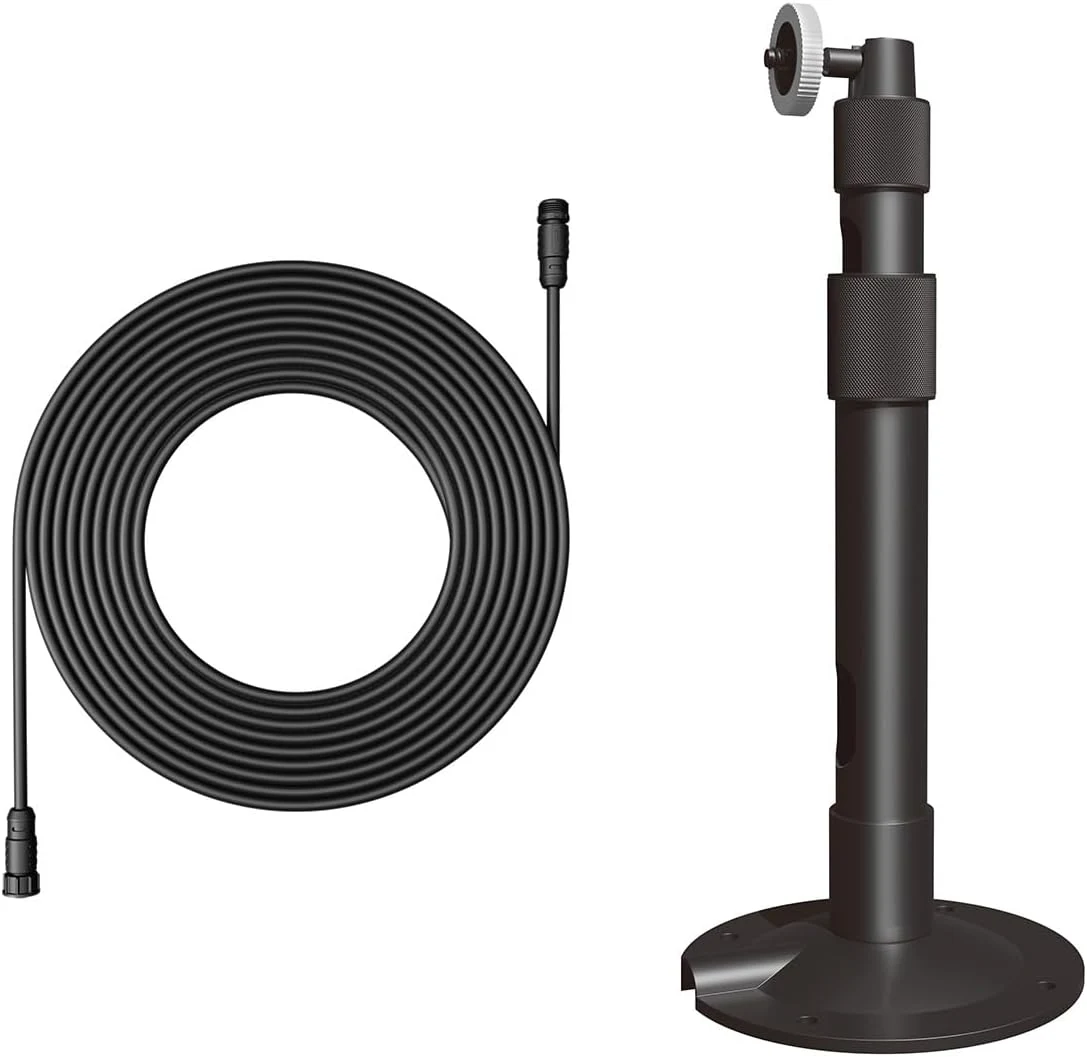
Segway Navimow Antenna Extension Kit for Navimow H800N-VF, H1500N-VF, H3000N-VF, i105N, i110N
The Segway Navimow antenna extension kit helps you mount the GPS antenna higher and farther from the base, which can improve positioning reliability in tricky yards. It’s designed for specific Navimow models, but you may need to remap your lawn after relocating the antenna, and real-world build details may be hit-or-miss depending on how you mount it.