UMLIFE 10 Pack Ultra-mini USB Type C 3.7V Lithium Battery Charger Board
Quick take
This UMLIFE 10-pack USB-C charging module is designed to charge 3.7V lithium batteries by providing a steady 4.2V output, with a protection circuit and LED charge indicators. It is a good fit for compact DIY builds where you want USB-C power input and do not need a 5V output. The main caveat is that it does not boost to 5V when powered by USB, so your device must be compatible with 4.2V DC (or you need a separate boost circuit).
Pros and cons
Pros
- USB Type-C power input (works with common USB-C/PD fast charging heads) and outputs 4.2V for 3.7V lithium cells.
- Built-in protection features (over-voltage, over-current, and over-discharge) plus LED charge indicators.
- Compact board size, offered as a 10-pack for projects and backups.
- Charging behavior includes automatic termination when current tapers to around 100mA.
Cons
- No 5V boost output. If your project needs 5V, plan for an external boost converter.
- Works with the intended 3.7V lithium chemistry and charge window, so it is not a universal multi-voltage charger.
- Protection board needs power connected initially to activate the protection behavior (important for first-time use).
What buyers think
Buyer-review evidence is limited, but the feedback themes that do show up are consistent with what the specifications suggest: the boards are small and straightforward to use, they work well in DIY projects where a 4.2V charging/output rail is sufficient, and the USB-C port is convenient for builders moving away from older connectors. A couple of reviews also highlight the same practical limitation, that you should not expect a boosted 5V supply from this module when your project requires 5V.
How this charger board works (and what to expect)
This is a purpose-built charging board intended for 3.7V lithium batteries. When powered from a USB-C supply, it provides a 4.2V DC charging/output level, using a 1A current path under the listed input conditions.
The module includes a protection circuit, and it uses charge-cycle behavior that matches typical CC/CV charging. After the battery reaches the final float region, the charging current is designed to taper and terminate when it drops to roughly 100mA. If the battery voltage falls below about 4.05V (roughly 80% to 90% of capacity), the board restarts a new charging cycle. There is also a precharge step for deeply discharged cells (a 100mA precharge when battery voltage is below 2.9V).
Key specs that matter for buying
Input and compatibility
- Input voltage range: 5V to 6V.
- Power input: USB Type-C female (Type-C connector on the board).
- PD head compatibility: intended to be compatible with most USB-C PD fast charging heads.
Output for the battery
- Output voltage: 4.2V DC.
- Charging current: up to 1A (as stated for the module).
Protection behavior
- Over-voltage, over-current, and under-voltage protection are included.
- Over-discharge protection threshold: 2.4V.
- Over-current protection: 4A.
Pros and cons for real projects
Best for
- DIY electronics builds that need a compact charger board for 3.7V lithium cells.
- Projects where you already plan around a 4.2V rail, such as charging a Li-ion cell for later use.
- Builders standardizing on USB-C power for their workshop, desk gadgets, or custom enclosures.
- People who want a 10-pack to cover multiple cells, backups, or multiple small devices.
Who should avoid it
- If your device requires a regulated 5V output, do not choose this expecting onboard boosting. Add a separate step-up/boost converter.
- If you need to charge multiple lithium chemistries or multiple cell voltages, confirm compatibility first, because this board is tuned to 3.7V lithium with 4.2V output.
- If you need a charge module that works without understanding the first-time protection activation behavior, you may want a simpler module designed to auto-enable immediately.
Simple buyer decision checklist
- What voltage does my device need? If it needs 4.2V (or only the battery will be used downstream), this is a strong match. If it needs 5V, budget for a boost converter.
- Do I have (or can I supply) USB-C power? This board uses a USB-C female input and is meant for 5V to 6V input range.
- Is my battery 3.7V lithium? The charging and protection thresholds are aligned with that target cell type.
- Do I want redundancy? A 10-pack is helpful if you are building multiple units or maintaining spare chargers.
Verdict
The UMLIFE 10-pack ultra-mini USB-C charger board is a practical choice for makers who want a small 4.2V charging solution for 3.7V lithium cells, with protection and LED indicators built in. It is especially compelling when you are standardizing your power inputs around USB-C. Just be careful about the tradeoff: it is not a 5V supply module, so 5V-based devices will need additional power regulation.
FAQ
Common questions
Specifications
| Product Title | UMLIFE 10 Pack Ultra-mini USB Type C 3.7V Lithium Battery Charger Board 4.2V Charging Module with Protection Circuit and LED Charge Indicators 5V USB-C Input |
|---|---|
| Category | Electronics > Household Batteries, Chargers & Accessories > Battery Chargers |
| Brand | UMLIFE |
| Manufacturer | UMLIFE |
| Color | 10PCS Type C USB |
| Product Dimensions | 0.2"D x 0.71"W x 0.2"H |
| Output Voltage | 4.2 Volts (DC) |
| Input Voltage | 6 Volts |
| Current Rating | 1 Amps |
| Amperage | 1 Amps |
| Compatible Devices | Devices with USB Type-C port and PD fast charging support |
| Connector Type Used on Cable | USB Type-C |
| Number of Ports | 1 |
| Item Dimensions D x W x H | 0.2"D x 0.71"W x 0.2"H |
| Specification Met | UL, FCC, CE |
| UPC | 701715547391 |
| Warranty Description | 1 |
| Unit Count | 10.0 Count |
Available variants
Color
- 10PCS Type C USB
- Type C USB
Recommended next
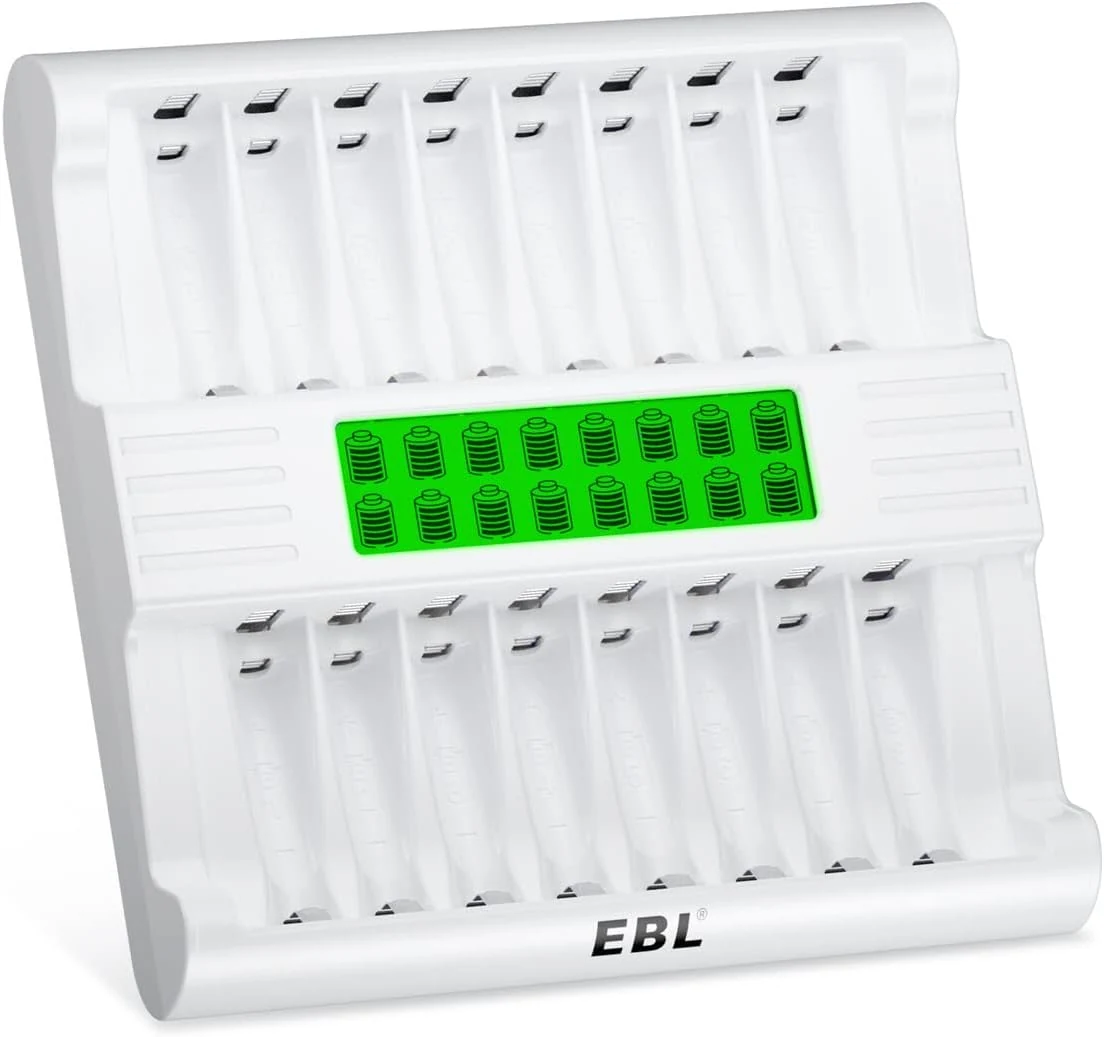
EBL AA Battery Charger, 16 Bay Batteries Charger with 1-Hour Fast Charging with LCD Display and AC Plug Cable for AA AAA NiMH Rechargeable Batteries
The EBL 16-bay AA/AAA NiMH charger is built for people who want to top up multiple rechargeable batteries at once, with per-slot status visibility and safety-focused control. It’s a good fit if you value faster charging and clear monitoring, but you will want to pay attention to the way AA vs AAA batteries load and how you remove cells from the spring contacts.
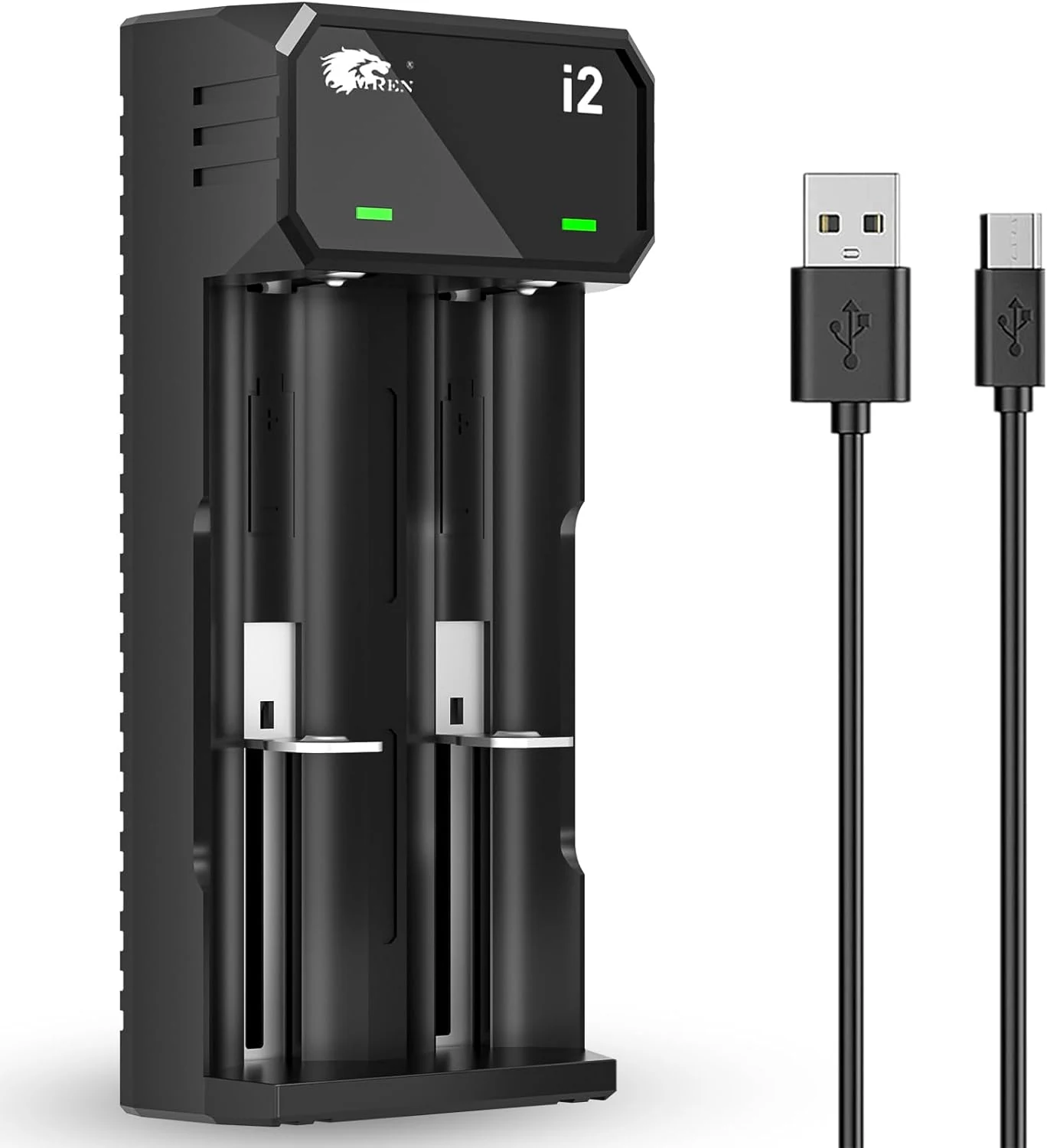
IMREN 18650 Battery Charger (2-Bay, 3.7V Li-ion, USB-C)
The IMREN 2-bay 3.7V Li-ion battery charger is a compact USB-C option for powering up 18650-class cells, including 21700 and other common sizes. Buyers like how straightforward it is and that it charges quickly, but the included cable may be the weakest point for long-term use.
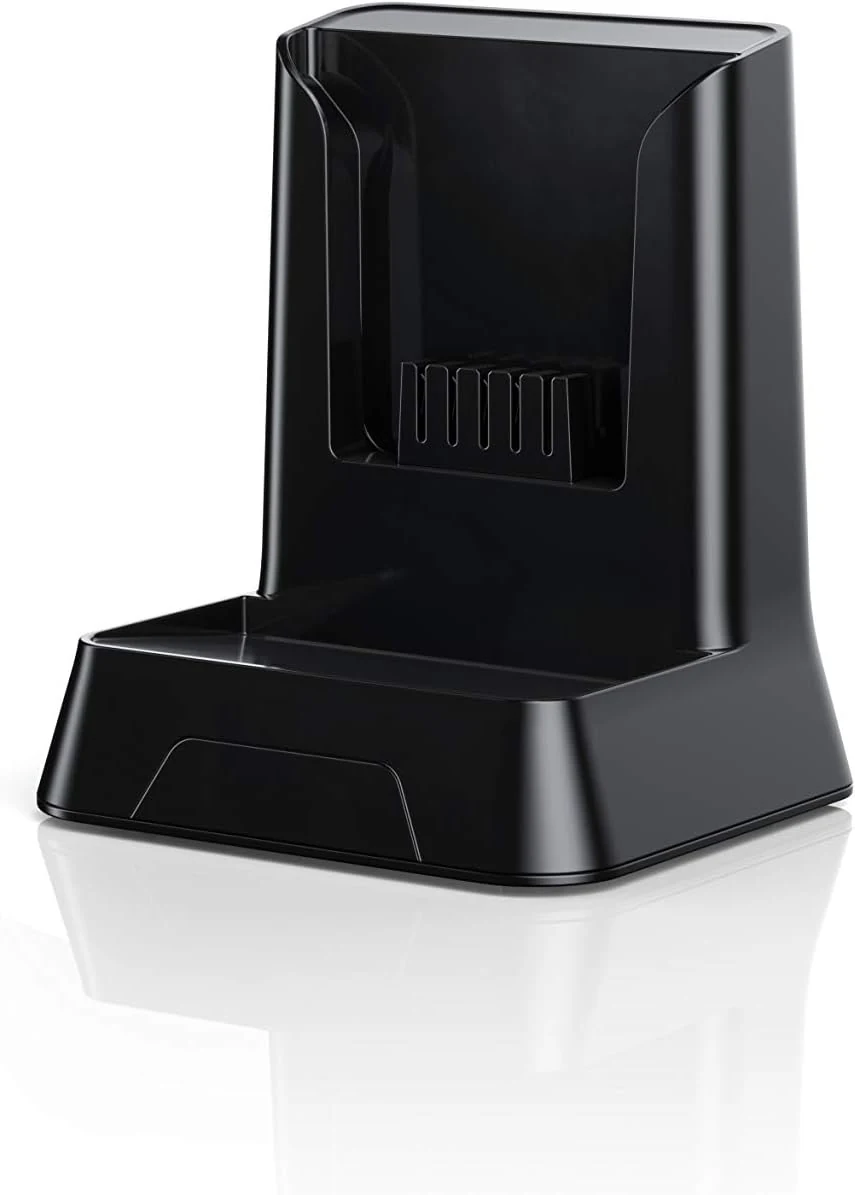
Hoover ONEPWR Lithium-Ion Battery Charger (Dual Bay, Temperature Control, Rapid Charge)
The Hoover ONEPWR Lithium-Ion Battery Charger is a dual-bay charger built for Hoover ONEPWR lithium-ion batteries. It includes temperature regulation and rapid charging, with batteries reaching full charge in about 3.5 hours, plus flashing indicator lights so you can track status at a glance.
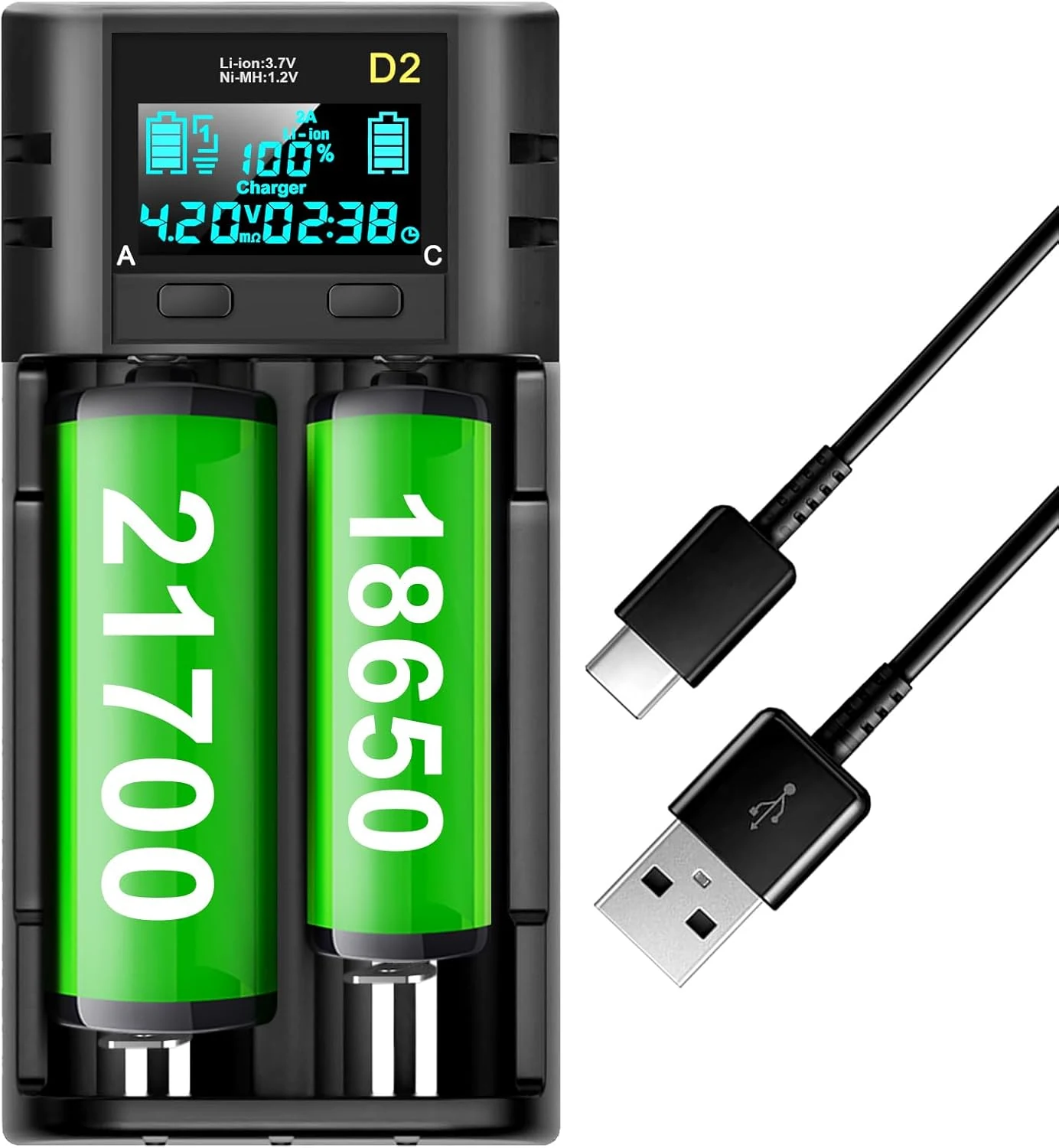
18650 Battery Charger,LCD Display Charger for 3.7V Li-ion Battery 18650,26650,21700,18500,18350,16650
This 2-bay LCD battery charger is designed for common cylindrical cells like 18650 and 21700, plus select 1.2V Ni-MH/Ni-Cd sizes. Independent slots, adjustable lithium charge current, and an on-screen display for voltage, current, time, and battery status make it a practical choice for travel or everyday top-ups. The main caveat: you will likely need your own compatible power adapter for the included charging cable.