Sony M2020 Dictation / Transcription System
Quick take
The Sony M2020 is a microcassette dictation and transcription system meant for simple, repeatable recording and playback. It is best for people who want a compact tape workflow with a hand microphone and quick navigation features like automatic backspace, and who do not need modern digital sharing or advanced indexing. The biggest buying caveat is that it is tape-based, so it can be less convenient than digital transcription setups when you need fast searching or email-style delivery.
Pros and cons
Pros
- Includes a slide-switch hand microphone plus a listening option (built-in speaker) for monitoring.
- Built for transcription flow, with adjustable speed operation and a 3-position automatic backspace feature.
- Works with microcassette tapes, offering an analog workflow for dictation and conference/interview recording.
- Buyers report clear audio and easy day-to-day use, with better results when using earphones.
Cons
- Limited “digital convenience,” with no electronic indexing to quickly mark and find earlier recordings (a commonly overlooked spec limitation).
- Tape workflow means you should expect manual navigation rather than search-by-file.
- Review evidence is limited overall, so long-term reliability patterns are harder to confirm.
What buyers think
Buyer-review evidence is limited (only a handful of ratings/snippets), but the themes that do show up are focused on everyday usability and audio clarity. Several buyers describe the device as easy to use and suitable for regular dictation or transcription work, with sound quality that improves when monitoring with earphones. One review highlights a meaningful workflow tradeoff: the lack of electronic tape indexing for quickly locating previous segments. There are also isolated reports that the unit did not work for a specific buyer, which is why it is worth checking compatibility with your workflow and planning for returns if you rely on it for daily transcription.
What the sony M2020 is for
The Sony M2020 is aimed at people who want a dedicated dictation and transcription station without switching to a fully digital system. Because it uses microcassette tapes, it fits common use cases like recording interviews and conferences, then playing back the recording at adjusted speed for transcription. It is also designed to be usable in both desktop-style workflows and more portable setups where you want the microphone and quick playback controls in one unit.
Key features that affect real transcription work
Hand microphone and monitoring
The system includes a slide-switch control hand microphone, making it straightforward to start and manage dictation without reaching for the main unit. It also includes a built-in speaker for listening, plus 3.5mm audio hardware support for monitoring via headphones or other 3.5mm audio connections.
Playback controls for transcription accuracy
Transcription often lives or dies by how easy it is to move through a recording. The M2020 includes adjustable speed operation, a 3-position automatic backspace feature, and overall tape-navigation features intended to support more accurate transcription timing. If you typically pause, correct, and replay segments, these controls can reduce the friction of manual rewinding.
Telephone conversation recording option (tape-based)
The unit is designed so you can record telephone conversations using readily available microcassettes. That can be useful for certain interview or documentation workflows, as long as your local laws and consent requirements are followed.
Audio format and connectivity details that matter
For audio output, the device is associated with WAV as its format. It uses a mono microphone operation mode and supports hardware audio interface via 3.5mm. In practice, this category of player is typically chosen for a tape-to-transcription workflow rather than for transferring recordings straight into modern editing and sharing pipelines.
Pros and cons recap
- Good fit if: you want a compact, tape-based dictation system with a hand microphone and transcription-friendly playback controls.
- Not ideal if: you need fast electronic indexing to jump between recordings, or you expect “digital workflow” conveniences like sending recordings directly via email.
- Decision hinge: whether manual tape navigation works with your process more than modern digital file searching and sharing.
Who should buy the Sony M2020
Consider the Sony M2020 if you:
- Rely on microcassette-style dictation in an office or transcription workflow.
- Want a dedicated device with transcription controls like automatic backspace and adjustable playback speed.
- Prefer simple operation and monitoring, using the built-in speaker or headphones.
- Are cost-conscious compared with digital alternatives, and you do not mind tape management.
Who should avoid it
You may want to skip the M2020 if you:
- Need electronic indexing to quickly locate previously recorded sections on the tape.
- Want a seamless digital process for file transfer, searching, and sharing without manual playback navigation.
- Cannot use analog workflows at all (for example, if your transcription pipeline assumes file-based recordings).
Alternatives to consider
If you are comparing categories, your main alternatives are:
- Digital dictation recorders: better for search, indexing, and easier file sharing, but you may give up the tape-based simplicity and monitoring experience.
- Other microcassette recorders with different navigation features: if indexing or faster locating matters, prioritize models that offer more modern tape navigation or better integration with your transcription routine.
Since no specific competitor models were provided, the best approach is to compare by your priorities: whether you can live without electronic indexing, how important speed-control and backspace navigation are, and whether your workflow requires digital file sharing.
Price and availability
Pricing and stock can vary, especially for older tape-based devices. Check the current listing for the most accurate availability details and the latest price before you commit to a tape workflow.
FAQ
Does the Sony M2020 support electronic indexing?
It does not include electronic tape indexing for marking and quickly finding earlier recordings, which some buyers find important for day-to-day transcription.
What recording medium does the Sony M2020 use?
It is designed to work with microcassette tapes.
Can I monitor playback with headphones?
Yes. It includes built-in speaker monitoring and supports 3.5mm audio connectivity for headphones or other 3.5mm audio monitoring options.
Is the Sony M2020 good for interviews and conference recording?
Yes. It is designed for dictation and can record conferences and interviews, using the included hand microphone and tape-based recording.
Is it a good choice for people who want digital file sharing?
If your workflow requires sending recordings digitally (for example, via email) or depends on searching/indexing recordings like audio files, the M2020’s tape-based approach may be limiting.
How do buyers describe usability and audio quality?
Review evidence is limited, but the recurring themes are easy day-to-day use and clear audio. Some buyers note that listening with earphones can improve the experience.
Specifications
| Product Title | Sony M2020 Dictation / Transcription System |
|---|---|
| Category | Electronics > Portable Audio & Video > Microcassette Recorders |
| Brand | Sony |
| Manufacturer | Sony |
| Model Number | M2020 |
| Item Weight | 0.06 Pounds |
| Compatible Devices | microcassette tapes |
| Hardware Interface | 3.5mm Audio |
| Microphone Form Factor | Built-In |
| Format | WAV |
| Headphones Jack | 3.5 millimeters |
| Microphone Operation Mode | Mono |
| Global Trade Identification Number | 00027242674080 |
| UPC | 027242674080 |
| Mfr Part Number | M2020 |
| Unit Count | 1.0 Count |
| Built-In Media | Microphone |
Recommended next
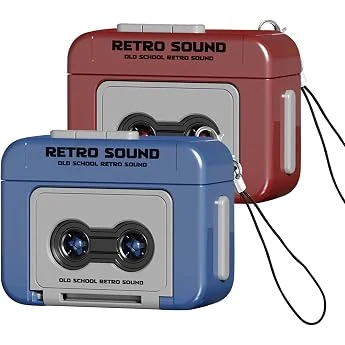
Olympus America Pearlcorder S702
The Olympus America Pearlcorder S702 is a compact microcassette recorder designed for simple recording and playback of microcassettes, with built-in mono recording and about 85 hours of digital recording time. It may be a strong fit for people who want to hear older recorded voices again, but buyer-review evidence is mixed, so confirm it meets your input/output and usage expectations before buying.
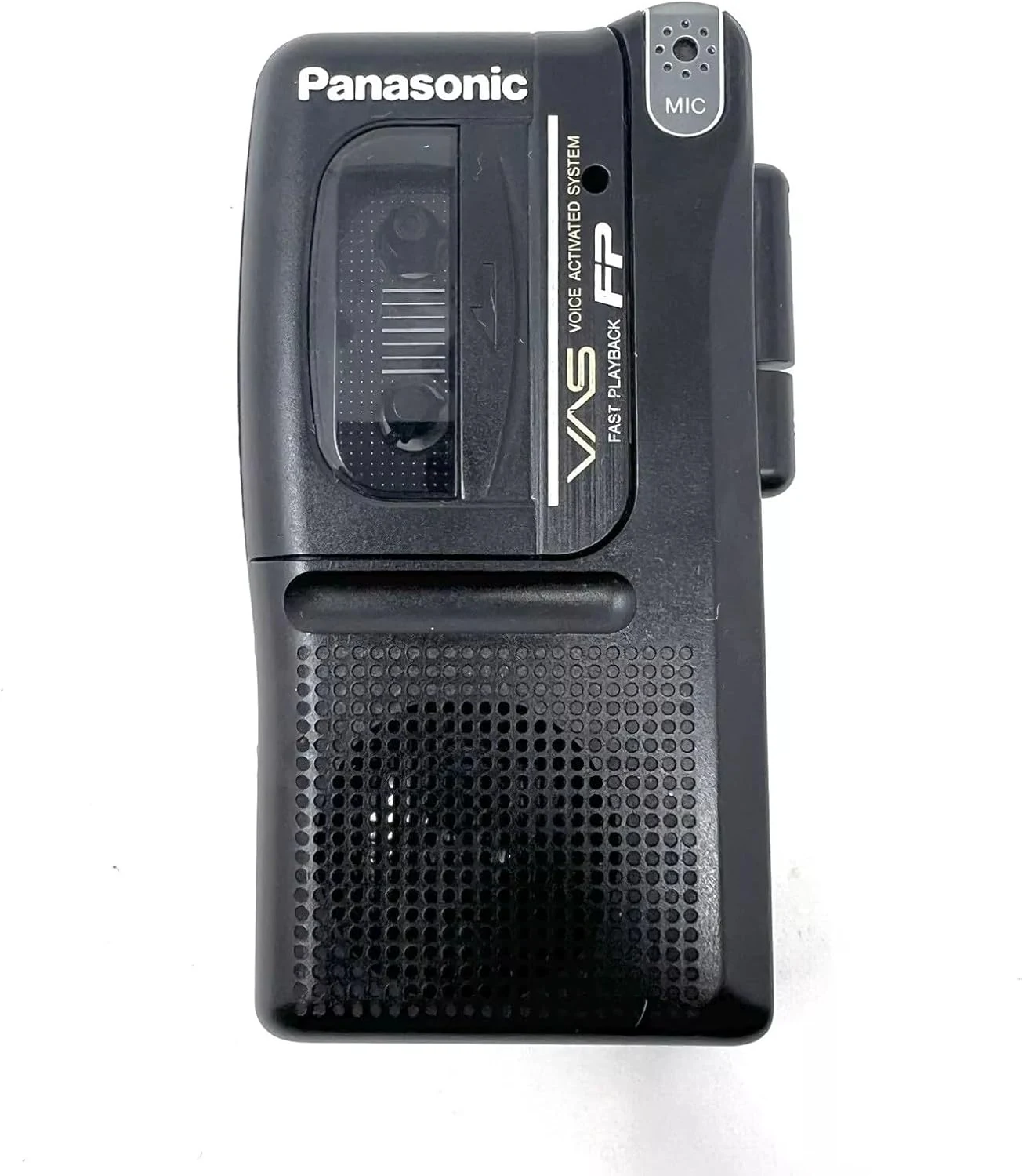
Panasonic RN302 Microcassette Recorder
The Panasonic RN302 is a slim “palm-fit” microcassette recorder aimed at quick note-taking, voice capture, and interview-style recording with built-in audio pickup and voice-activated recording. The key tradeoff is reliability and usability can vary widely, including reports of units that do not play or record properly, plus some buyers struggled without clear documentation.
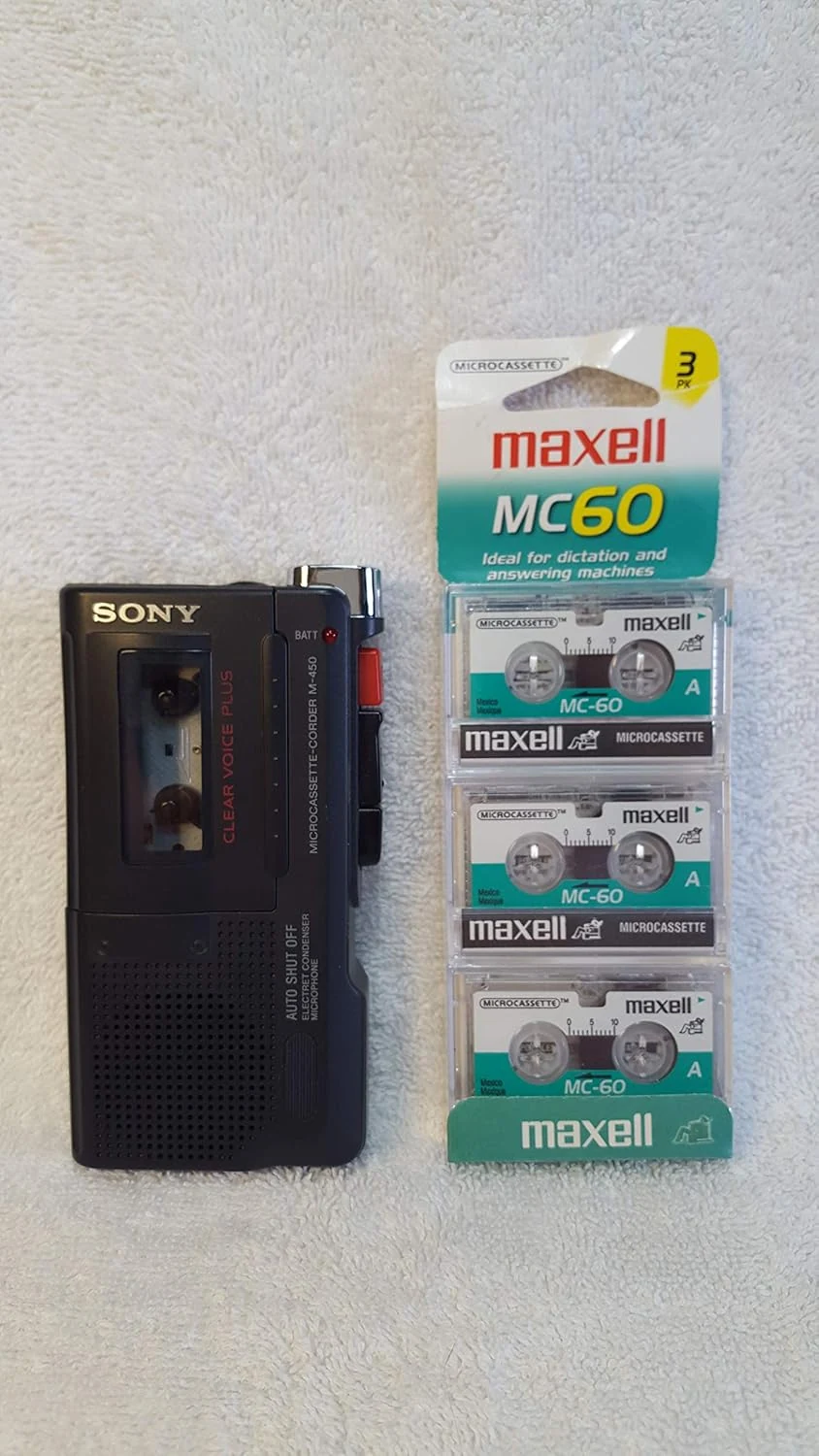
Sony M-450 Microcassette Recorder with 30 Hours of Battery Life
The Sony M-450 is a compact microcassette voice recorder built around long battery life (up to 30 hours with 2 AA alkaline batteries) and simple one-touch recording. It suits dictation and quick voice capture, with helpful playback controls and a built-in microphone, but it is limited to microcassette tape workflow (not digital).
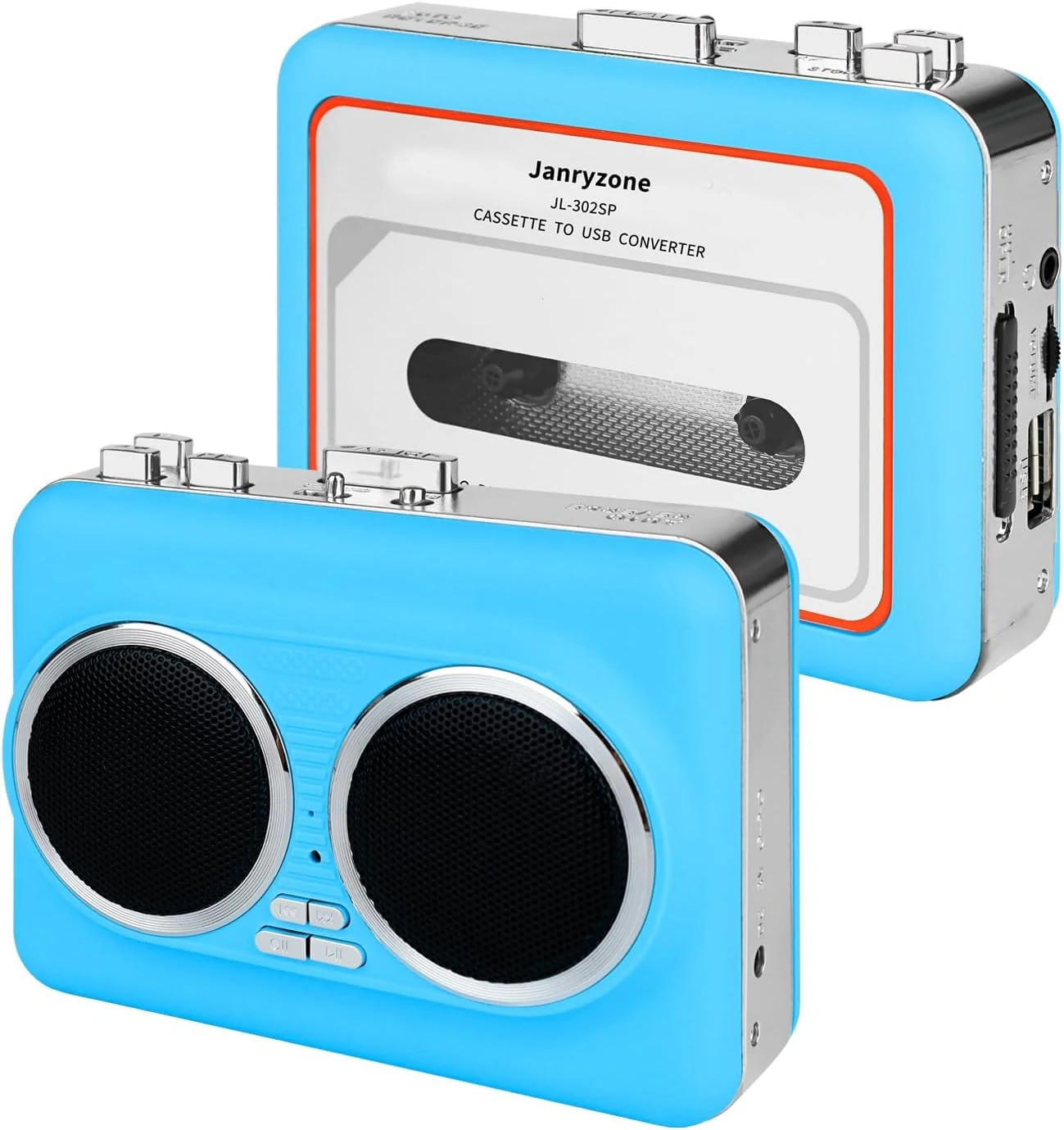
Janryzone Portable Cassette to USB Converter (Auto-Reverse, Dual Speakers, 3.5mm)
Janryzone’s portable cassette player doubles as a cassette-to-USB MP3 converter, letting you digitize tapes without a computer. It has dual speakers, a 3.5mm headphone/AUX output, and auto-reverse, plus battery or USB power. The tradeoffs are a mixed build and occasional fuzzy audio at higher volume, so it’s best for casual playback and straightforward digitizing.