NMEA 2000 (N2K) 15 Foot Backbone, Drop or Extension Cable
Quick take
This 15-foot NMEA 2000 (N2K) backbone/drop/extension cable is made to connect sensors and displays or to extend an existing N2K backbone. It uses 5-pin connectors on both ends with gold-plated contacts, and it’s shielded to help reduce interference. The main buying caveat is making sure you need exactly a 15 ft run and that your network uses compatible NMEA 2000 5-pin cabling.
Pros and cons
Pros
- 15 ft length for common N2K backbone extensions and sensor/display drops
- NMEA 2000 certified design with 5-pin connectors on both ends
- Gold-plated contacts aimed at improving corrosion resistance
- Shielded cable to reduce interference, plus IP67 waterproof test (submersion 1 meter for 24 hours)
Cons
- Only a single fixed length (15 ft), so the layout must match your cable run needs
- Buyer-review evidence is limited and mostly “it worked” style feedback, not detailed diagnostics
What buyers think
Buyer-review evidence for this NMEA 2000 cable is generally positive, with multiple owners describing straightforward setup and trouble-free operation when extending an existing NMEA 2000 network. The recurring themes are simple functionality (the cable “worked perfectly”), perceived cable quality, and compatibility with common marine N2K setups (including adding to an Axiom-based network). Since most feedback is brief, buyer-review evidence is not detailed enough to reliably compare failure rates, long-term corrosion behavior, or performance under every routing scenario.
Who this cable is for
This is a good fit if you are building out or troubleshooting a marine NMEA 2000 (N2K) network and need a longer run between components such as sensors and displays. The 15 ft length is often useful when equipment locations on the boat are separated enough to require an extension or when a backbone run needs to reach a device drop point.
Key specs that matter on an NMEA 2000 network
NMEA 2000 5-pin connections (male-to-female)
The cable is terminated with NMEA 2000 5-pin connectors on both ends, designed for connecting elements within the network. This connector style matters because NMEA 2000 installations are sensitive to using the right cabling format.
Gold-plated contacts for corrosion resistance
Marine electronics live in wet, salty, and vibration-heavy environments. This cable uses gold-plated contacts to improve corrosion resistance at the connector interface.
Shielded cabling to reduce interference
The cable is described as shielded, which is helpful for reducing interference from nearby electrical noise sources on a boat.
Water resistance with IP67 waterproof test
It’s been waterproof tested to an IP67 standard, with submersion in water at 1 meter for 24 hours. That’s a reassuring detail if the cable will be routed where it can see splash or immersion risk.
Pros and cons in real-world use
Pros
- Practical length for typical network layouts: 15 ft is well-suited for backbone extensions and sensor/display runs where shorter cables would not reach.
- Marine-friendly build details: shielded construction, gold-plated contacts, and IP67 waterproof testing are all relevant to long-term reliability at the boat’s wiring points.
- Compatibility intent: NMEA 2000 certified, designed to be used within standard N2K networks across common marine brands.
Cons
- Fixed 15-foot solution: if you need a different distance, you will still need to size your purchase to your exact run or use additional connectors and cable segments.
- Review depth is limited: buyer feedback focuses on successful operation rather than detailed performance comparisons or long-term durability testing.
Is it worth it?
If you specifically need a 15-foot NMEA 2000 backbone/drop/extension cable with 5-pin connectors and marine-oriented protection (shielding and IP67 waterproof test), it’s a reasonable choice for completing or extending a network cleanly. It’s less ideal if your installation calls for a different length, because this one can only solve the 15 ft gap. When planning your N2K wiring, confirm connector compatibility and measure your intended routing distance before ordering.
How to choose the right NMEA 2000 cable length
- Measure end-to-end routing distance: account for slack and cable routing paths, not just the straight-line distance.
- Check connector requirements: ensure you are working with NMEA 2000 5-pin style cabling, not a different marine data standard.
- Plan for interference and exposure: shielded cable and waterproofing are helpful when routing near noisy electrical components or in damp areas.
Price and availability
Pricing can change over time. Buy on Amazon to confirm current cost for this 15-foot NMEA 2000 backbone/drop/extension cable.
FAQ
What is a NMEA 2000 backbone, drop, or extension cable used for?
It’s used to connect NMEA 2000 devices, such as sensors and displays, into the boat’s data network. Backbone or drop/extension cables help bridge distance between components within a compliant N2K setup.
Will this cable work with Lowrance, Simrad, B&G, Navico, and Garmin NMEA 2000 networks?
It’s designed as an NMEA 2000 (N2K) 5-pin cable intended for universal compatibility in NMEA 2000 networks, which includes common marine N2K ecosystems.
Is the cable waterproof enough for marine installation?
The cable includes an IP67 waterproof test claim, with submersion testing at 1 meter for 24 hours, which is relevant for damp and immersion-risk routing situations.
How do I know if I’m buying the right length?
This one is a fixed 15 ft cable. Measure the distance you need between network connection points and choose the length that matches your routing requirements.
Does shielding matter for NMEA 2000?
Shielding helps reduce electrical interference, which can support cleaner data signals in the presence of typical boat electrical noise.
Specifications
| Product Title | NMEA 2000 (N2K) 15 Foot Backbone, Drop or Extension Cable for Lowrance Simrad B&G Navico & Garmin Networks. |
|---|---|
| Category | Electronics > Car & Vehicle Electronics > Marine Electronics > Marine GPS Accessories |
| Brand | Regatta Processing |
| Manufacturer | Regatta Processing |
| Model Name | NMEA 2000 15 Ft Cable |
| Color | Black |
| Item Weight | 11.75 Ounces |
| Connector Type | Nmea 2000 |
| Cable Type | NMEA 2000 |
| Compatible Devices | NMEA 2000 network |
| Other Special Features of the Product | Waterproof |
| Connector Gender | Male-to-Female |
| Number of Pins | 5 |
| Gauge | 24.0 |
| Connectivity Technology | NMEA 2000 |
| Recommended Uses For Product | Marine networking |
| Specification Met | Nmea 2000 |
| Indoor Outdoor Usage | Indoor, Outdoor |
| Unit Count | 1.0 Count |
| Number of Items | 1 |
| Brand Name | Regatta Processing |
| Model | 197644308194 |
| Global Trade Identification Number | 00197644308194 |
| Part Number | 197644308194 |
| Included Components | cable |
| Item Type Name | NMEA 2000 Cable |
| Item Shape | Round |
Recommended next
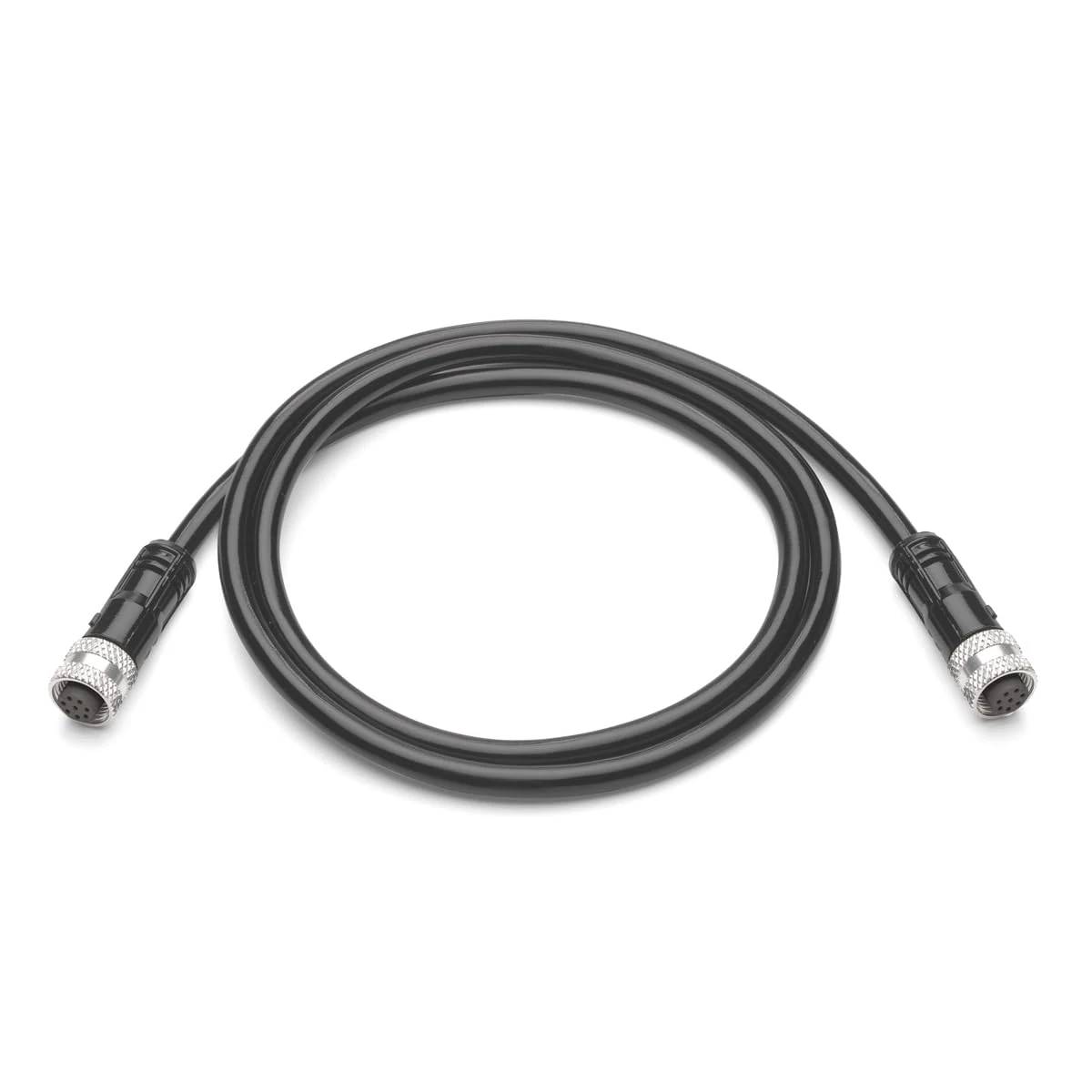
Humminbird Ethernet Cable – 5 Ft., AS EC 5E
The Humminbird Ethernet Cable (AS EC 5E) is a Cat 5e, 5-foot Ethernet link designed to connect compatible Humminbird networked units, or connect a control head to a compatible Ethernet switch for sharing sonar and waypoints across your boat. It’s generally praised for reliable communication and solid build quality, with the main caveat being fit and pricing for your specific networking layout (and possible adapter needs for some older systems).
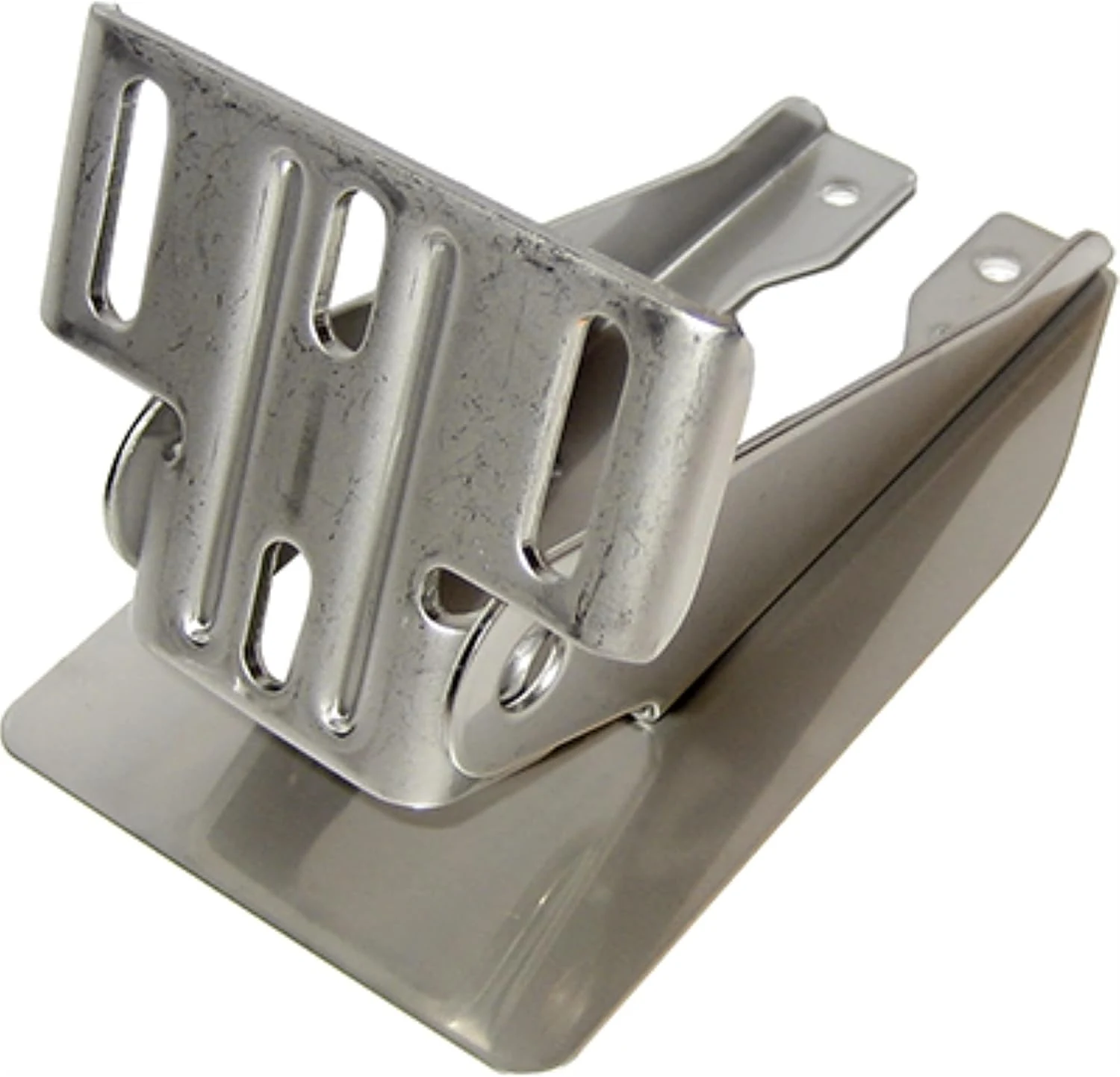
Garmin Heavy Duty Transom Mount with Spray Sheild
The Garmin Heavy Duty Transom Mount with Spray Sheild is a heavy-duty transom bracket designed to secure compatible transducers for steadier sonar returns and better long-term durability than typical plastic mounts. It includes a spray shield to help reduce splash at speed, but it is not meant to protect the transducer from underwater impacts when mounted in the water.
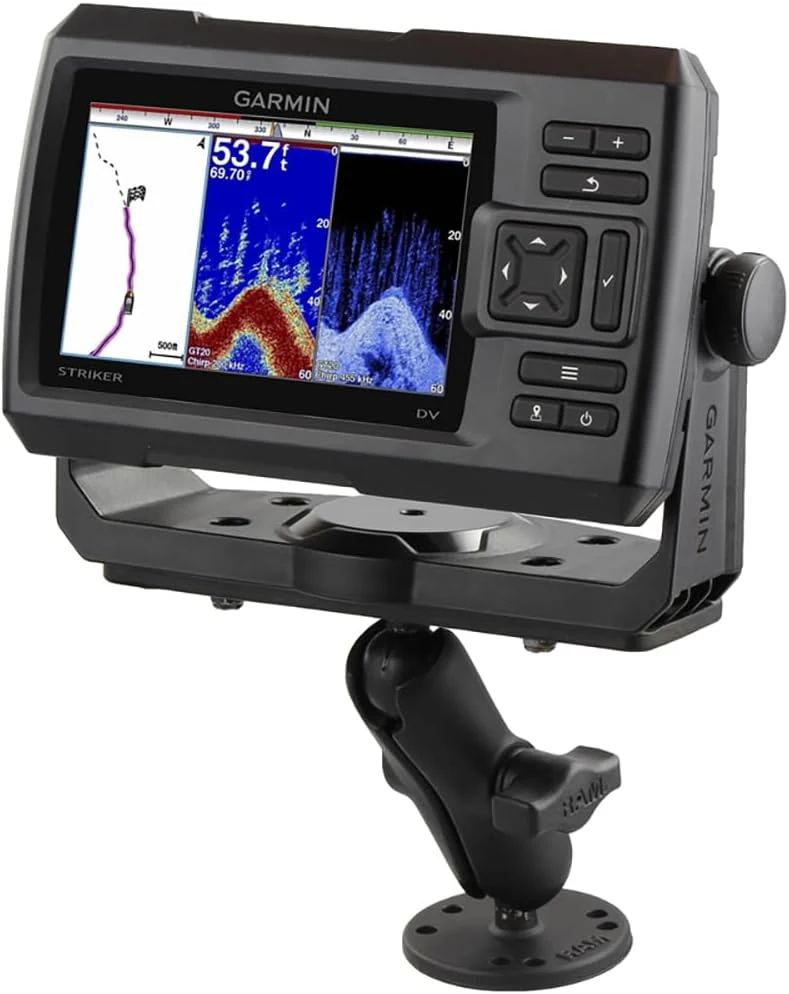
RAM MOUNTS Fish Finder Mount for Boats, Marine Electronics Drill-Down Mount with Medium Arm and AMPS Plate, Universal RAM-B-111U
The RAM-B-111U drill-down fish finder mount is built for boats that need a stable, adjustable hold for Garmin and compatible fish finders. It uses RAM’s ball-and-socket design for easy aiming, with a power-coated marine aluminum build and a stated maximum 6 lb device capacity, but it may require extra hardware for a perfect device fit.
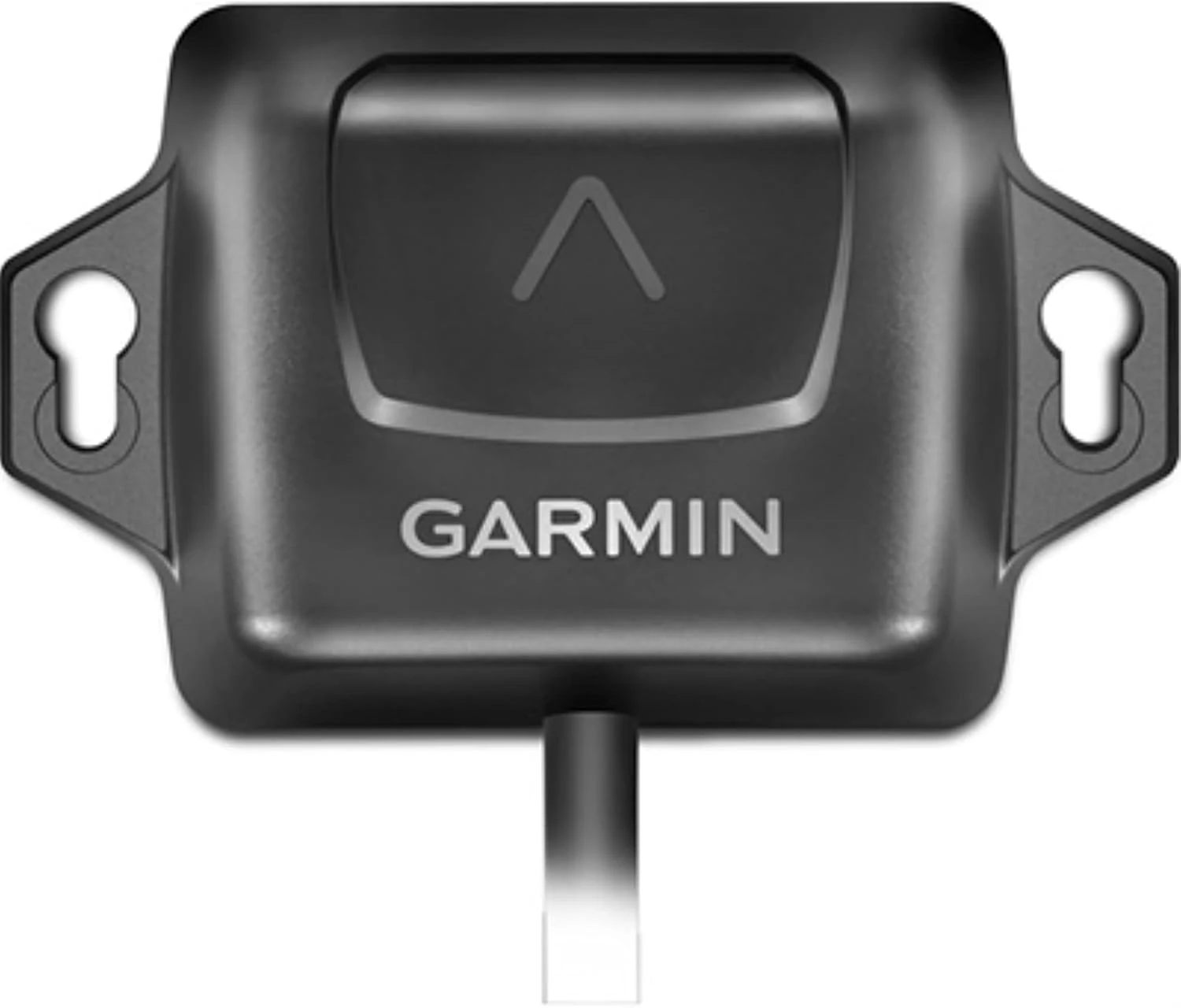
Garmin Three-Axis Compass Heading Sensor
The Garmin Three-Axis Compass Heading Sensor adds more stable, more accurate heading for compatible Garmin chartplotters through a plug-and-play NMEA 2000 connection. It’s a solid pick for boats that see unstable “spinning” heading on the map or that want heading performance that stays believable at low speed, even when GPS course-over-ground is less helpful.