Monoprice 6P6C 1-Port Surface Mount (107084)
Quick take
The Monoprice 6P6C 1-Port Surface Mount (107084) is a palm-sized USB 2.0 print server that connects a USB printer to your LAN via Ethernet, letting multiple computers print without moving the printer. Many buyers find setup straightforward and the web admin page usable, but results depend heavily on printer compatibility, and unsupported printers may require manual TCP/IP and LPR settings.
Pros and cons
Pros
- Lets network computers share a single USB printer over Ethernet (10Base-T/100Base-T auto-sensing).
- Web management available for configuration and reset from a browser.
- Compact, surface-mount style design that keeps cabling simple.
- Works well in practice for supported printer models, with DHCP-based setup for many networks.
Cons
- Printer compatibility is a big factor, some models may not work out of the box.
- Web UI is minimal, so troubleshooting can be harder if printing fails.
- Not truly “wireless” printing by itself, the unit still needs Ethernet wired connection to the router/switch.
- For unsupported printers, expect manual configuration work (static IP and LPR/TCP-IP client ports).
What buyers think
Buyer-review evidence is mixed, but the pattern is clear: this print server tends to work smoothly when the printer is within the supported range and you follow the setup flow, and it becomes more hands-on when it is not. Several buyers describe quick installation using DHCP, locating the device on the network, and then adding a TCP/IP printer port (often using LPR) in the client computer’s printer settings. Others report situations where the printer never receives print data, with the web interface offering limited debugging details. Overall, the most recurring decision factor is whether your specific USB printer model can work with the print server’s protocol and software expectations.
What it does (and the core problem it solves)
This unit bridges USB printer hardware to an Ethernet network. Instead of running a USB cable from one computer to the printer, you plug the USB side into the printer and connect the Ethernet side to your router or switch. After that, computers on the same LAN can send print jobs to the print server.
It supports USB 2.0 (backward compatible with USB 1.1) and is designed for 10Base-T and 100Base-T networks. It also includes built-in web management, which can help you configure the device and perform resets without special tools.
Setup experience: what to expect
Setup is often described as “plug it in and configure the client,” but the level of effort varies by printer model.
For networks that use DHCP
Many users report the print server obtains an IP address via DHCP automatically once connected. From there, you can use the admin interface by entering the device IP in a browser. If your printer is compatible, adding a printer in Windows using a standard TCP/IP port approach is frequently enough to get jobs printing.
If your printer is not on the “easy path”
When the printer is not supported by the included setup/software flow, buyers often switch to manual configuration. That can include assigning a static IP to the print server and adding the printer on each client with a TCP/IP port that uses the LPR protocol. This is still workable, but it is more time-consuming and depends on your willingness to do basic network configuration.
Compatibility matters more than brand loyalty
The biggest buyer-facing takeaway is that compatibility is not universal across every USB printer model. Some reviews point out that certain printers outside the supported list may not print correctly without additional steps, and troubleshooting can be limited because the web UI is intentionally simple.
If you are considering this for an older printer, a good way to sanity-check fit is to be prepared for LPR-based TCP/IP port configuration in Windows, and to confirm your specific printer can communicate properly with network printing via the print server.
Pros and cons recap
Who this is a good fit for
- You want to share a USB printer across multiple computers on the same Ethernet network.
- You prefer web-based management instead of deep configuration tools.
- You are comfortable adding a TCP/IP printer port in Windows, at least if setup doesn’t work automatically.
- Your printer is likely to be compatible with basic network printing protocols supported by this device.
Who should avoid it or consider alternatives
- You need a “just works” solution for an unsupported printer model, with no manual networking involved.
- You require strong troubleshooting feedback from the device interface when print jobs fail.
- You specifically want wireless printing without Ethernet wiring. This unit is for wired Ethernet connectivity, even if clients are wireless.
Verdict
The Monoprice 6P6C 1-Port Surface Mount (107084) is a practical, budget-friendly way to network-enable a USB printer, especially if your printer is compatible and you are okay with straightforward TCP/IP printer setup. It can be a good solution for “Wi-Fi problem” scenarios where you just need stable LAN access, but if your printer is not supported, expect to do more manual configuration (often LPR) and work with a minimal admin interface.
FAQ
Is the Monoprice 6P6C 1-Port Surface Mount (107084) truly wireless?
No. The print server connects to your network using Ethernet. Your computers can still be wireless, but the print server itself is a wired Ethernet device.
How do you configure the printer on computers?
In many setups, you locate the print server’s IP address (often assigned via DHCP), then add a standard TCP/IP printer port in your OS printer settings. LPR protocol selection is commonly part of the process, particularly when the included setup flow does not fully automate driver configuration.
Will it work with any USB printer?
Not necessarily. Reviews suggest compatibility varies by printer model. Some printers work smoothly, while unsupported printers may require manual TCP/IP and LPR configuration, and some may not print correctly.
Does the web management page help with setup?
Yes, it provides an admin interface for configuration and reset from a browser. However, multiple buyers describe it as minimal, which can limit troubleshooting detail if something fails.
Is it compatible with Windows and macOS?
It is built for multi-protocol, multi-operating-system network printing. Buyer experiences specifically mention Windows printer port configuration, and at least one review discusses use across Windows versions. If you are using a specific OS, verify that your client setup supports TCP/IP printer ports and the LPR protocol.
What’s the main limitation compared to modern network printers?
It does not replace a printer’s native network capability. Instead, it adds a network bridge for a USB printer, so compatibility depends on the printer model and the network printing protocol behavior.
Specifications
| Product Title | Monoprice 6P6C 1-Port Surface Mount (107084) |
|---|---|
| Category | Electronics > Computers & Accessories > Networking Products > Print Servers |
| Manufacturer | Monoprice Inc. |
| Item Weight | 0.64 ounces |
| Product Dimensions | 8.4 x 5.5 x 2.1 inches |
| Department | Wire, Wireless Routers, Print Servers |
| Item model number | 115083 |
| National Stock Number | 0 |
| Is Discontinued By Manufacturer | No |
Recommended next
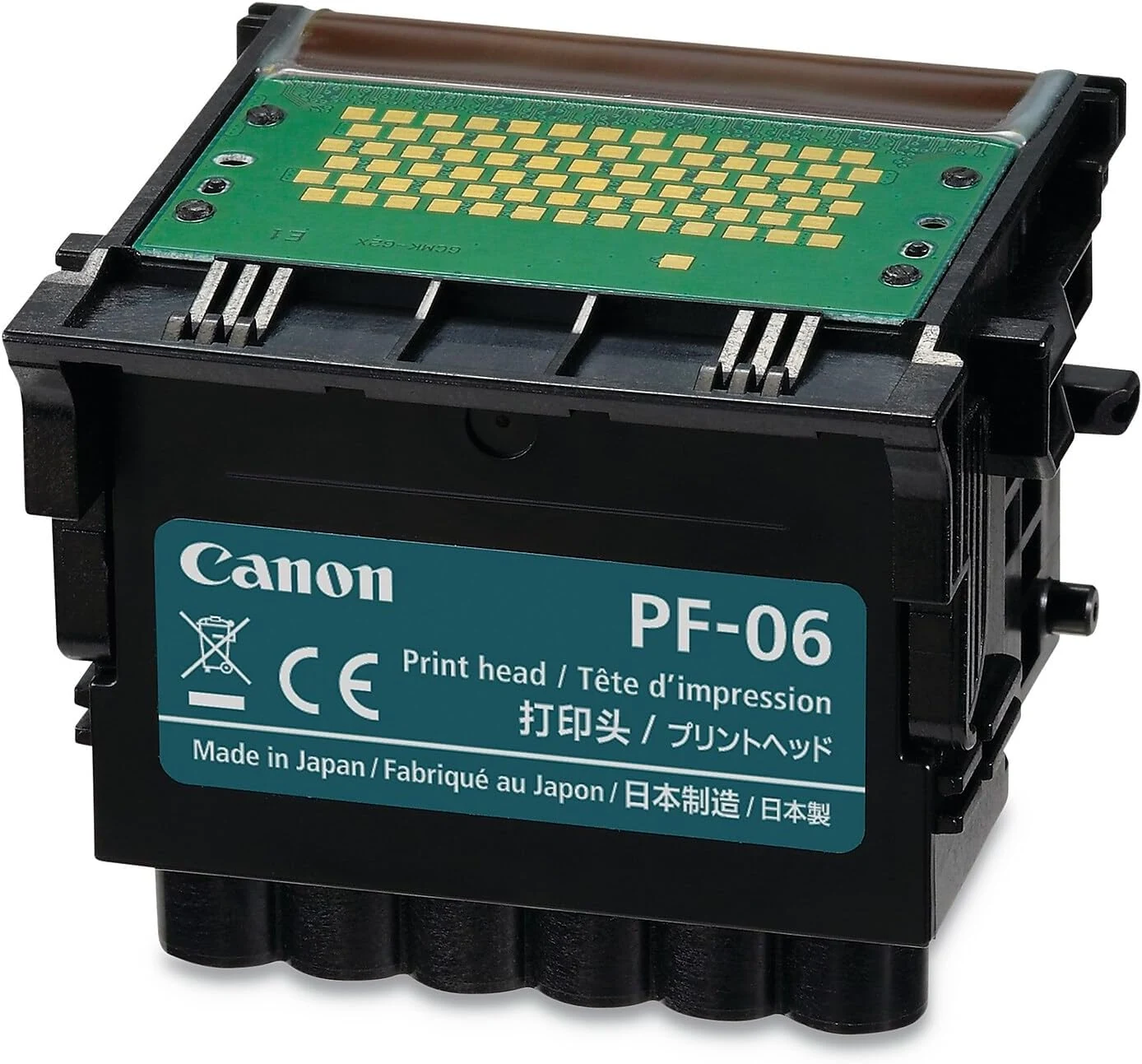
Canon Print Head PF-06 for imagePROGRAF TM Series Printers
The Canon Print Head PF-06 (model 2352C003AB) is an OEM replacement print head designed for Canon imagePROGRAF TM series large-format inkjet printers. Buyers generally report solid compatibility and print quality when paired with the correct model, with the main caveat being that fit and compatibility depend on using the right head for the specific printer model.
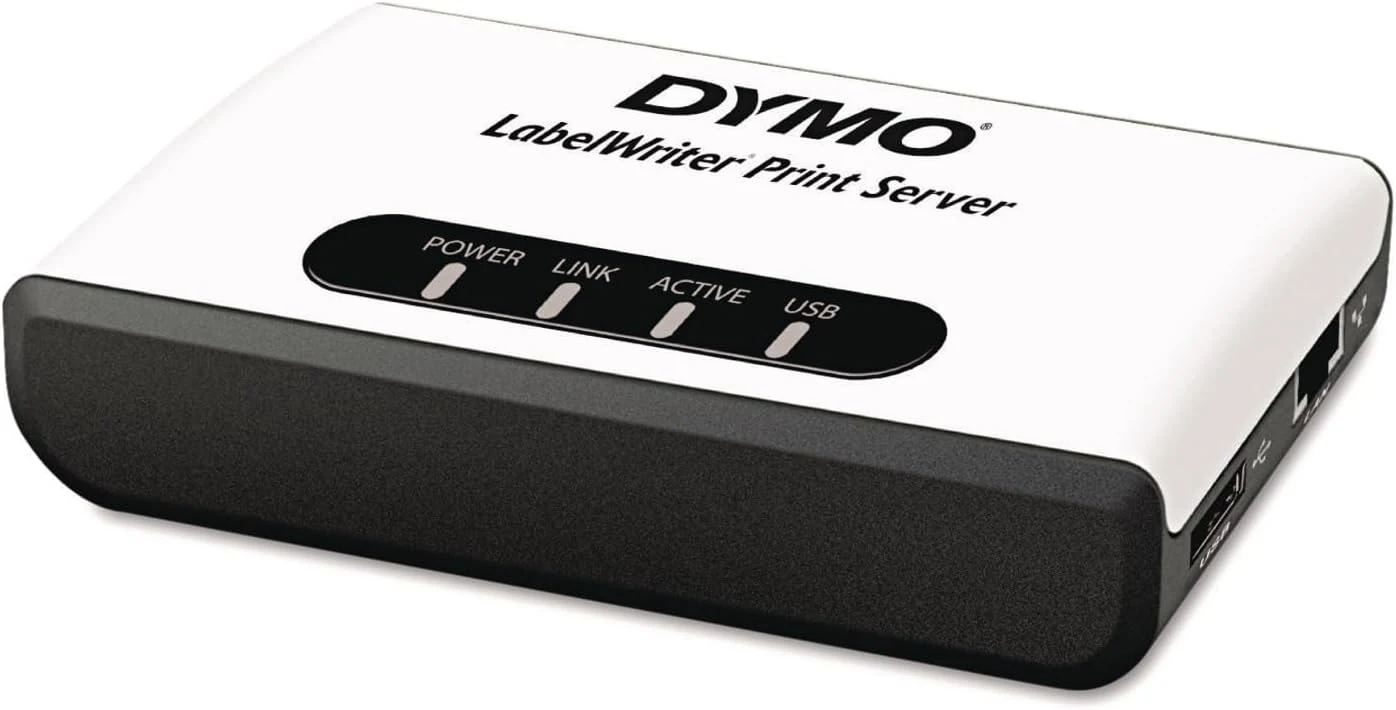
DYMO LabelWriter Print Server, Direct Thermal Output, Wireless Network for Label Makers
The DYMO LabelWriter Print Server lets you share compatible LabelWriter label makers across a Windows and Mac network, so multiple computers can print without plugging the printer into each device. It is generally straightforward for single-site home or office setups, but networking details (static IP, DNS/gateway, and subnet layout) can make or break performance.
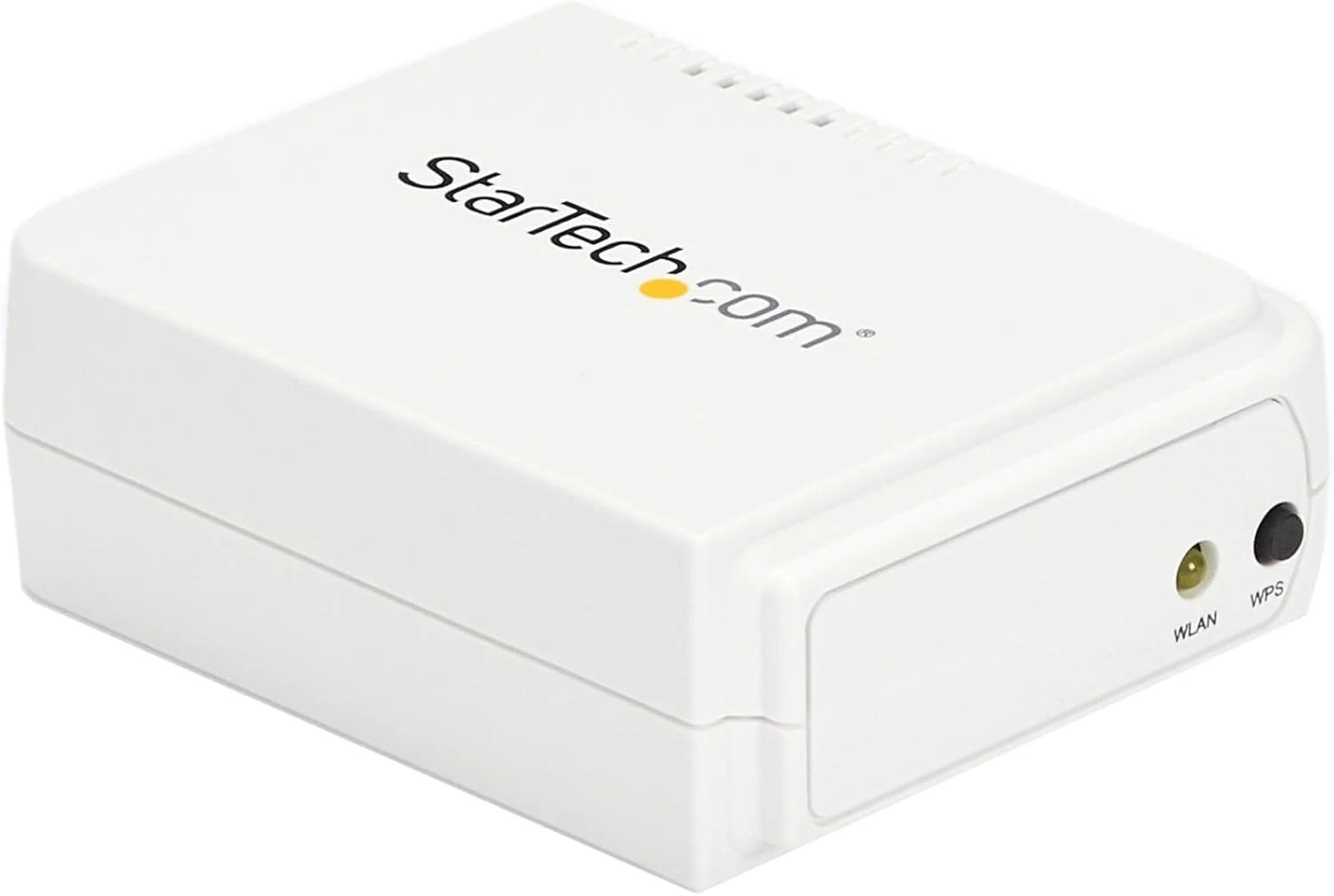
StarTech.com 1-Port Wireless N USB 2.0 Network Print Server (PM1115UW)
The StarTech.com PM1115UW is a compact way to share a USB-A printer over Wi-Fi (802.11 b/g/n) or via wired Ethernet. It can work well for home and small-office setups, but buyer experiences strongly suggest the setup process is not truly plug-and-play and may require direct Ethernet configuration and careful IP/subnet settings.
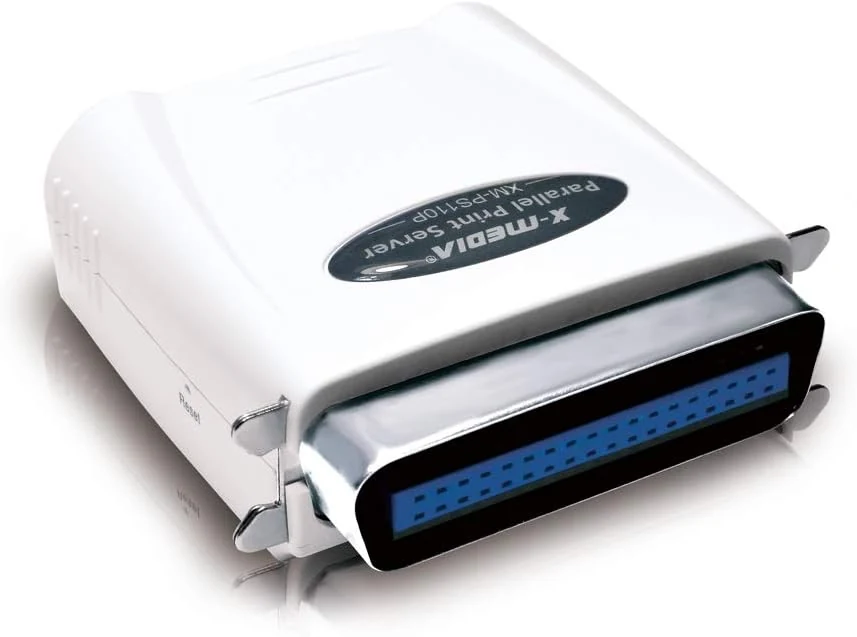
X-MEDIA XM-PS110P 1-Port 10/100Mbps Fast Ethernet Parallel Print Server
The X-MEDIA XM-PS110P turns a legacy parallel (Centronics) printer into a network printer with one Ethernet port. Buyers generally report straightforward setup and reliable printing for older hardware, with the main caveat being that some workflows may require extra TCP/IP or driver configuration, and Mac printing can take additional steps.