Melonare Portable Wired in-Ear Monitor Amplifier, Headphone Amp with XLR/TRS Inputs (WM-1)
Quick take
The Melonare WM-1 is a wired, belt-clip style in-ear monitor amplifier designed for musicians who need a reliable, hands-on volume and mute control. It supports mono and stereo monitoring and uses XLR locking for steadier connections, and reviewers also note it can drive headphones with real headroom. The main caveat is that it can get very loud, so you will want to pay attention to gain staging and your listening levels.
Pros and cons
Pros
- Mono and stereo switching for different monitoring needs
- XLR locking mechanism and a belt clip for more secure live use
- One-touch mute control for fast level changes
- Reviewers report clear monitoring and strong output for its compact size
Cons
- Can reach very high loudness, so it is not “set it and forget it” for safe listening
- Not ideal if you want a truly minimal, take-anywhere ultra-compact footprint
What buyers think
Buyer-review evidence is consistent on a few practical points: the WM-1 is easy to set up, controls are straightforward, and monitoring through it feels clear quickly after wiring. Multiple reviewers describe it as useful for rehearsals and broader audio workflows, including situations where access to a recorder or mixer volume control is inconvenient. Several comments also emphasize output power and the fact that it can get loud enough to be noticeable in live or energetic monitoring contexts. At the same time, the review evidence is limited in detail around long-term durability, and there is some emphasis on needing care with gain because the available level range can push into distortion or unsafe listening if you are not paying attention.
What the melonare WM-1 is for
This amp is built for wired in-ear monitoring and headphone monitoring when you want physical, on-body control. If you are a drummer using a monitor mix, a performer who needs to quickly mute or trim your level, or someone doing studio or production work where you need an accessible volume knob, the WM-1’s belt-style control layout fits that workflow.
Connections and modes that match real monitoring setups
The WM-1 uses balanced-style inputs with XLR and also supports TS and TRS connectivity, which helps it integrate with different line outputs and interfaces. It also offers mono and stereo monitoring modes, letting you switch based on what you are receiving from your source. In practical terms, mono mode can simplify monitoring when the mix is intended to be centered, while stereo mode supports a wider image when your source provides it.
Sound and monitoring control, plus the important loudness caveat
Reviewers repeatedly describe the monitoring experience as clean and easy to hear, with enough output power to drive demanding headphones in at least some setups. That headroom can be a real advantage on stage or during high-energy sessions. The flip side is that the amp’s volume range is also part of its personality, it can get extremely loud, so it is worth using a careful approach: start low, bring levels up gradually, and consider your gain staging so you do not end up listening too hot or pushing the signal into distortion.
Portability and build for rehearsal and gigs
Because it is wired and battery powered, the WM-1 targets quick, dependable belt-bag use rather than wireless convenience. The metal body design and belt clip are aimed at surviving regular rehearsal movement, and the XLR locking-style connection is meant to reduce accidental disconnects during play. Battery runtime is listed at up to 8 hours of continuous use with two AAA batteries, which should cover typical rehearsals, though it also means you should still keep spare batteries available for longer days.
Pros and cons recap
- Best for: wired IEM monitoring, musicians who want instant mute and on-body volume control, and anyone needing mono/stereo switching with XLR/TRS style input options.
- Who should buy: drummers, vocalists, small-band performers, and studio or production users who rely on line outputs but want easier, physical level control.
- Who should avoid (or double-check fit): shoppers who prioritize ultra-light “grab-and-go” portability, or anyone who cannot actively monitor listening levels since the output can get very loud.
- Key tradeoff: the strength is strong usable output, the tradeoff is you must manage gain and volume carefully.
Alternatives to consider (by feature priority)
If you are deciding between different compact headphone or IEM amps, use these criteria to choose your best match:
- If you need mono/stereo switching and quick mute: look for a wired belt amp that explicitly includes both mode control and a dedicated mute function.
- If you primarily need secure connections: prioritize models with locking connectors or robust input hardware, especially if you move around during performance.
- If you have very sensitive headphones or want gentler volume control: consider an amp that is known for smoother level behavior across low volumes, or plan to keep volume conservative and use careful gain staging.
Verdict
The Melonare WM-1 is a practical wired IEM/headphone amplifier for musicians and audio users who want hands-on monitoring control. Reviews point to clear monitoring, easy setup, and stronger-than-expected output for a compact belt-style unit. If you are comfortable managing volume carefully, especially given how loud it can get, it is a solid option for rehearsals, studio sessions, and live monitoring where immediate mute and level adjustment matter.
FAQ
Specifications
| Product Title | Melonare Portable Wired in-Ear Monitor Amplifier, Headphone Amp with XLR/TRS Inputs, Mono/Stereo Mode & One‑Touch Mute Control, in-Ear Monitor System for Drummer, Band, Studio (WM-1) |
|---|---|
| Category | Electronics > Headphones, Earbuds & Accessories > Amplifiers |
| Brand | MELONARE |
| Manufacturer | MELONARE |
| Model Name | WM-1 |
| Model Number | WM-1 |
| Color | Black |
| Material | Metal |
| Compatible Devices | Electronic Drum, Guitar Amp, Headphone, In-Ear Monitor, MIXER |
| Output Wattage | 0.12 Watts |
| Power Source | Battery Powered |
| Output Channel Quantity | 1 |
| Amplifier Type | Transistor |
| Connector Type | XLR |
| Sound Profile | Balanced |
| Audio Output Mode | Mono/Stereo |
| Enclosure Material | Metal |
| UPC | 810164760739 |
| Built-In Media | Wired In-Ear Monitor Amplifier *1 |
| Unit Count | 1.0 Count |
Recommended next
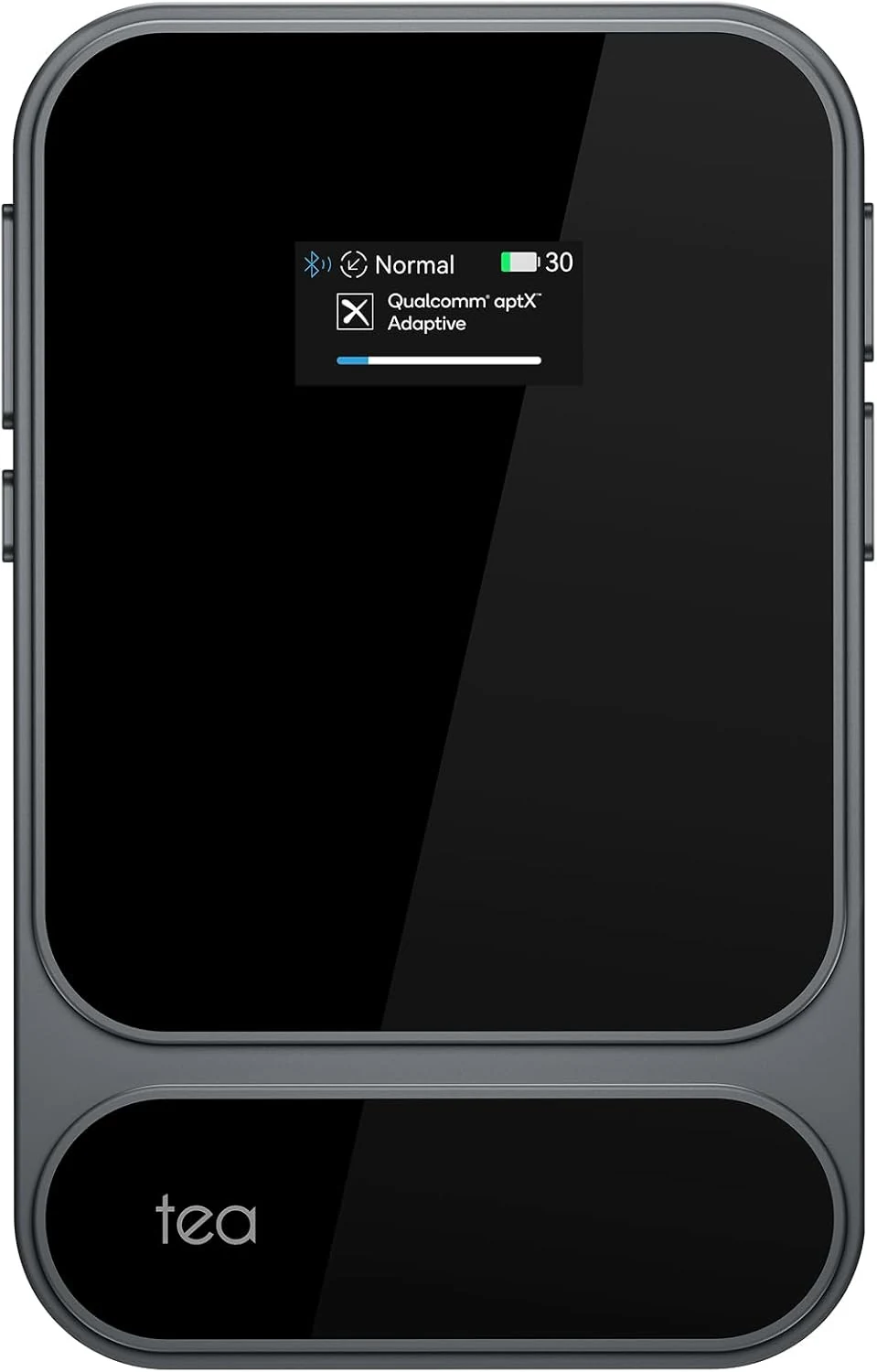
Khadas Tea Pro Magnetic DAC/Amp, Ultra-Slim Portable Headphone Amplifier with 0.95" Display
The Khadas Tea Pro is an ultra-slim portable DAC/amp with a built-in 0.95-inch display and MagSafe-style magnetic docking for iPhone. It supports both wired and Bluetooth listening (including high-bitrate codecs) with dual 3.5 mm and 4.4 mm headphone outputs, plus up to 768 kHz/32-bit PCM and DSD512 support. The main caveat is fit, some buyers report iPhone magnetic alignment can be inconsistent depending on phone model and how it physically sits.
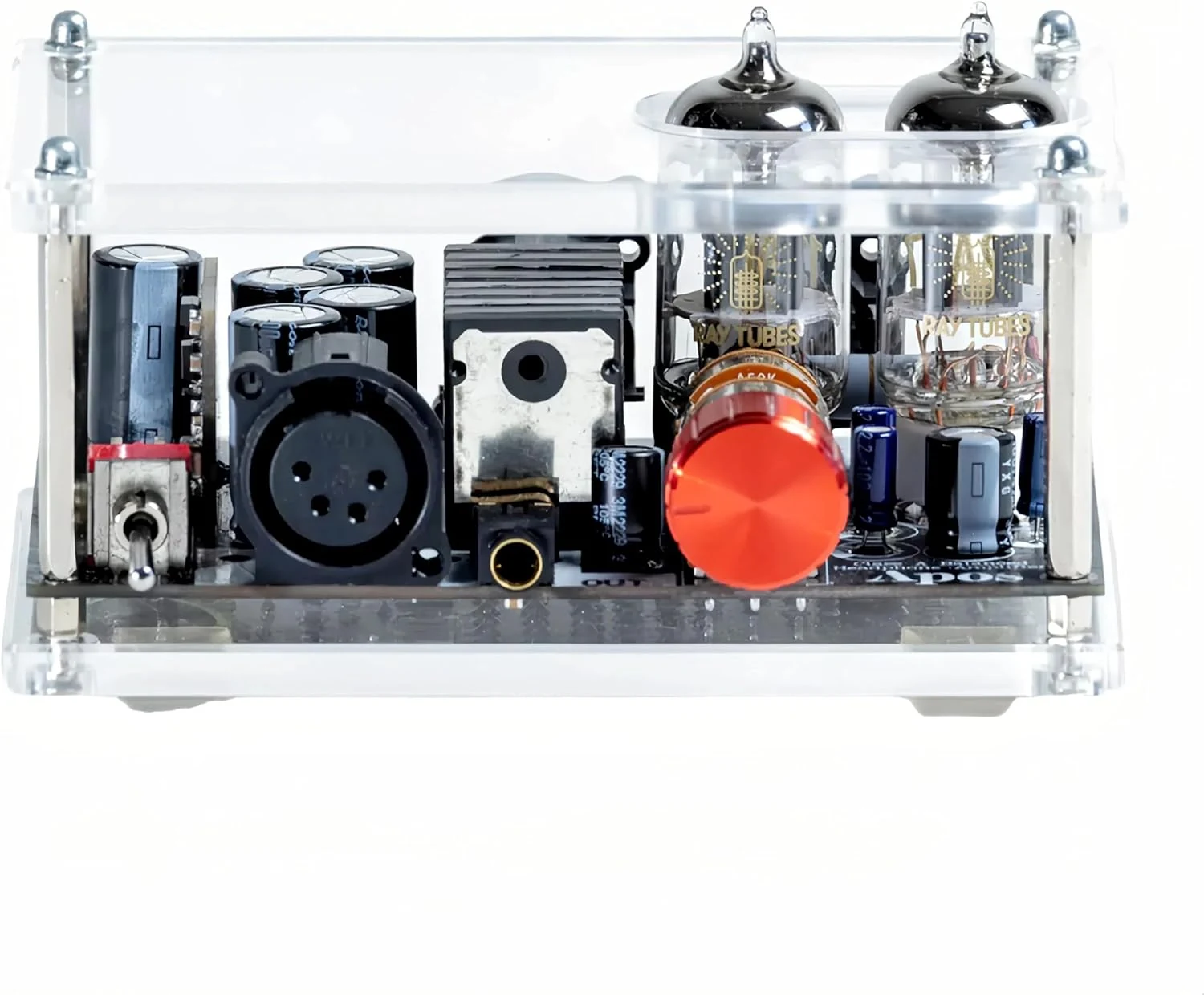
Apos Gremlin Headphone Amp Headphone Tube Amplifier, Class A Balanced Tube review
The Apos Gremlin is a compact Class A, fully balanced hybrid headphone tube amplifier designed to drive a wide range of headphones (8 to 600 ohms) with up to 1250 mW at 32 ohms. It supports balanced XLR and 4.4mm connections and uses replaceable 12AU7/6922 tubes for tuning and “tube rolling.” The main tradeoff is that it’s headphone-amp only, not a speaker or guitar amp, and it requires balanced-capable sources or cabling.
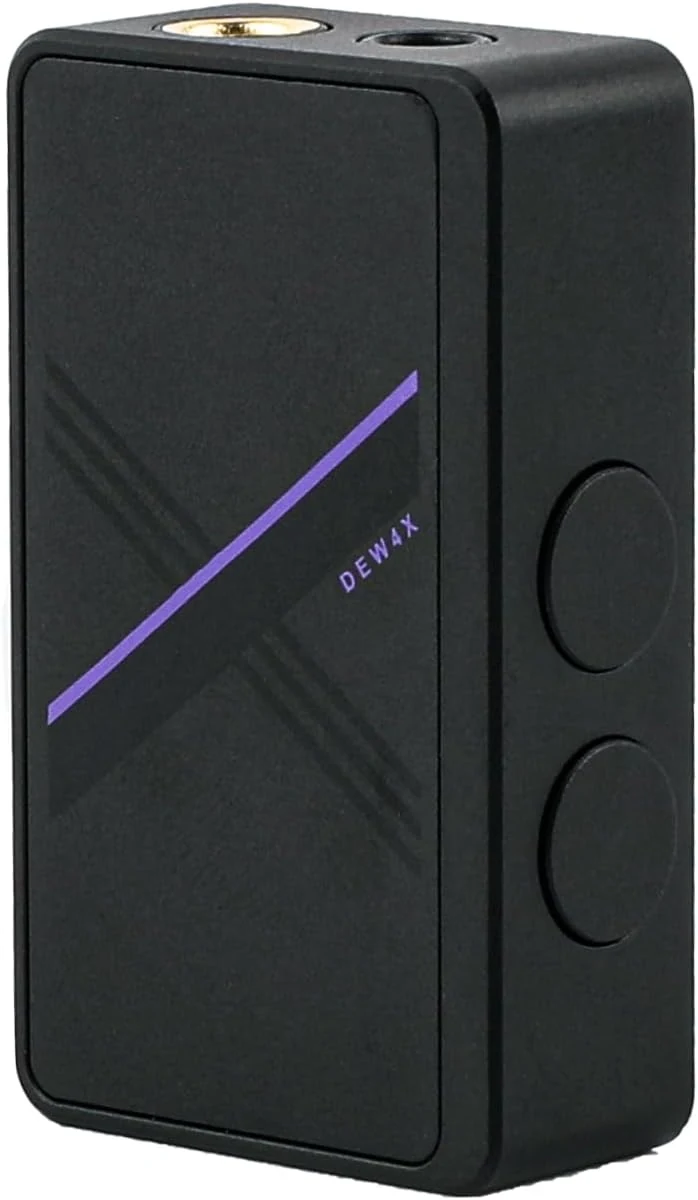
Linsoul SIMGOT DEW4X Portable in-Ear Monitor Amplifier, HiFi Earphone Stereo USB DAC
The Linsoul SIMGOT DEW4X is a compact USB DAC and headphone amplifier built for IEM travel setups, offering both balanced (4.4mm) and unbalanced (3.5mm) outputs. Buyers highlight its portability and clear, engaging sound, while the main tradeoff is value expectations versus pricier, larger amplifiers.
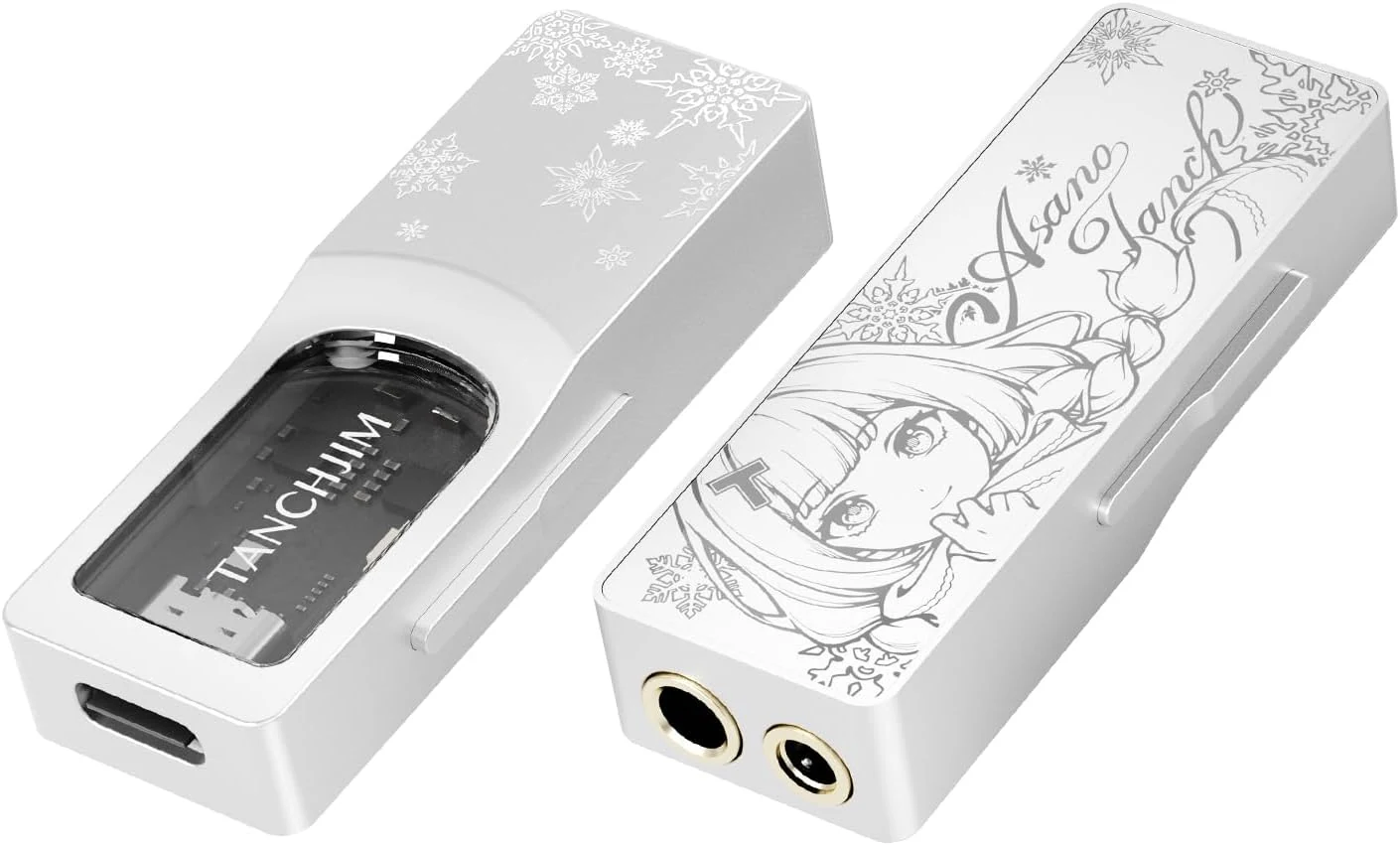
TANCHJIM Space PRO Headphone Amplifier (Dual DS43198 DAC)
The TANCHJIM Space PRO is a compact USB headphone DAC/amp aimed at gamers and users who want cleaner audio plus virtual surround and game-tuned presets. It offers both 3.5mm and 4.4mm outputs, supports a 3.5mm mic input for headset/voice chat, and is designed to deliver serious power for demanding headphones under standard loads, though software polish and setup may take some patience.