LM2596 DC-DC Buck Power Converter Module, Adjustable Voltage Regulator 4-40V to 1.25-37V Buck Converter with LED Voltmeter Display (Pack of 2)
Quick take
The LM2596 DC-DC buck converter modules adjust an input between 4V and 40V down to a 1.25V to 37V output, and include an LED voltmeter display to help you dial in settings. Buyers report stable output once tuned for projects like powering electronics and regulating voltages in vehicles or hobby builds. The main caveat is that the onboard readout is convenient but not precise enough to rely on alone, so using a multimeter is still smart.
Pros and cons
Pros
- Wide adjustment range (1.25V to 37V output) from a 4V to 40V input
- LED voltmeter helps confirm voltage at a glance (with stated ±0.1V measurement error)
- Buyers describe solid voltage stability after setting
- Terminal blocks and a screwdriver-adjust pot make it relatively straightforward to install and tune
Cons
- LED display can stop working if input drops below 4V, so it depends on meeting the lower input threshold
- Voltage readout is not something to rely on for tight tolerances, use a DMM
- Through-pin and back-of-board clearance can be awkward, and leads/pins may need trimming for safe mounting
- For higher loads (noted above 15W), you need proper heat management
What buyers think
Buyer-review evidence is fairly consistent around practical performance. Several users report that these modules hold the output voltage close to the set point for real-world use, including steady step-down tasks (for example, dropping a higher DC voltage to a lower fixed value). Installation and adjustment are described as easy once you understand the tuning behavior of the trim pot. There is also recurring feedback that the LED voltmeter is helpful for setup, but it is not the only tool you should use when accuracy matters. Finally, some buyers mention physical fit considerations, like pin and lead protrusion on the back side, which may require trimming or careful routing so components do not short on project surfaces.
How this LM2596 buck converter is set up
These are adjustable DC-DC buck modules built around an LM2596-style regulator. You connect your DC input to the input terminals and dial the output to the voltage you need using the adjustment screw (mini screwdriver). An LED numeric display lets you monitor input or output voltage using the module’s toggle button behavior. If your project involves dynamic voltages (like alternator or battery systems), plan on adjusting at the conditions you actually care about, since the voltage you measure can shift with operating state.
Key specifications that matter for buying
- Input voltage range: 4V to 40V
- Output voltage range: 1.25V to 37V (adjustable)
- Display: LED voltmeter with stated measurement error of ±0.1V
- Adjustment: mini screwdriver trim pot
- Efficiency and switching frequency: internal oscillation frequency of 150 kHz (low power consumption and efficiency are part of the design intent)
Performance and stability in everyday projects
In buyer feedback, the strongest theme is that once the module is set, it tends to retain the desired output level. That makes it a good match for hobby and DIY tasks where you want a controllable DC rail rather than a fixed regulator. Examples from buyer use cases include stepping down DC for devices and setting up stable voltages for applications where consistency is important.
Pros, cons, and buyer-fit
Best for
- DIY builders who need adjustable step-down power across a broad voltage range (1.25V to 37V out)
- Projects where you want a quick voltage reference thanks to the LED display
- Anyone comfortable using a multimeter to verify final settings
- Powering electronics that fit within the expected heat budget (especially if you’re approaching higher wattage, plan for cooling)
Who should avoid it
- Users needing precision voltmeter readouts only, since the onboard display is a helpful indicator but not a replacement for a DMM when you need exact voltage
- Installations that cannot support careful wiring clearance, because protruding pins/leads may require trimming or safe routing
- Anyone powering from below 4V input, since the LED voltmeter behavior stops when input falls under that threshold
Heat, protection features, and practical safety
This module is designed with built-in protections, including over-temperature and short-circuit protection. It also includes input-side diode protection for reverse polarity scenarios. That’s helpful, but it does not eliminate the need for good thermal practice. If your project runs above about 15W, it’s important to implement adequate heat dissipation to avoid overheating and to keep performance stable over time.
Verdict: is it worth it?
The LM2596 DC-DC buck converter modules are a solid choice if you want a versatile adjustable step-down regulator (4V to 40V in, 1.25V to 37V out) and you value the convenience of an onboard LED voltmeter. Buyers who use them for practical voltage regulation report good output stability and easy adjustment. The tradeoffs are mainly about measurement precision versus convenience, and physical mounting clearance that may take a little extra attention.
Alternatives to consider (by use case)
- If you need a simpler experience: look at fixed-voltage buck regulators for common targets (for example, 5V or 12V) to reduce tuning time.
- If you need tight voltage accuracy: consider designs where you can verify output with a reference meter easily, or modules without an onboard display if you prefer to rely entirely on external measurement.
- If your application is high power: prioritize buck converters specifically built for your expected wattage and thermal environment, since cooling requirements matter when you approach higher loads.
FAQ
Does the LED voltmeter work all the time?
The module’s display is intended to work when the input is within its specified range. If the input voltage drops below 4V, the voltmeter stops and you will not see a display. There is also a way to toggle or disable the voltmeter by holding the switch, and it can be reactivated with a brief press.
What input and output voltage ranges does this LM2596 buck converter support?
It accepts 4V to 40V on the input and provides an adjustable output from 1.25V to 37V.
Is the built-in LED display accurate enough for precise projects?
The LED voltmeter is designed to have an indicated measurement error of ±0.1V, but buyer feedback suggests it should not be the only reference for tight tolerances. For final confirmation, use a multimeter.
How do you adjust the output voltage?
Use a mini screwdriver to turn the adjustable trim pot until the output reaches the voltage you need. Buyers also suggest starting low and tuning gradually, especially for systems where voltage changes under operating conditions.
Do I need to worry about heat?
Yes. The module includes overheat protection, but for applications exceeding about 15W, you should plan adequate heat dissipation (for example, using proper mounting and cooling) to help it run reliably.
What’s the easiest way to connect it?
It uses terminal blocks for connection, which can make wiring simpler compared with solder-only boards. Still, check your project’s clearance and routing because some users note that pins/leads can protrude and may need careful trimming or handling.
Specifications
| Product Title | LM2596 DC-DC Buck Power Converter Module, Adjustable Voltage Regulator 4-40V to 1.25-37V Buck Converter with LED Voltmeter Display(Pack of 2) |
|---|---|
| Category | Electronics > Power Accessories > Power Converters |
| Brand | Seloky |
| Manufacturer | Seloky |
| Brand Name | Seloky |
| Model | LM2596S |
| Part Number | SY075 |
| Included Components | LM2596S |
| Power Source | DC |
| Mounting Type | Rack Mount |
| Number of Items | 2 |
| Number of Packs | 2 |
Available variants
Style
- 6PCS
- 3PCS
- 2PCS
- 8PCS
Recommended next
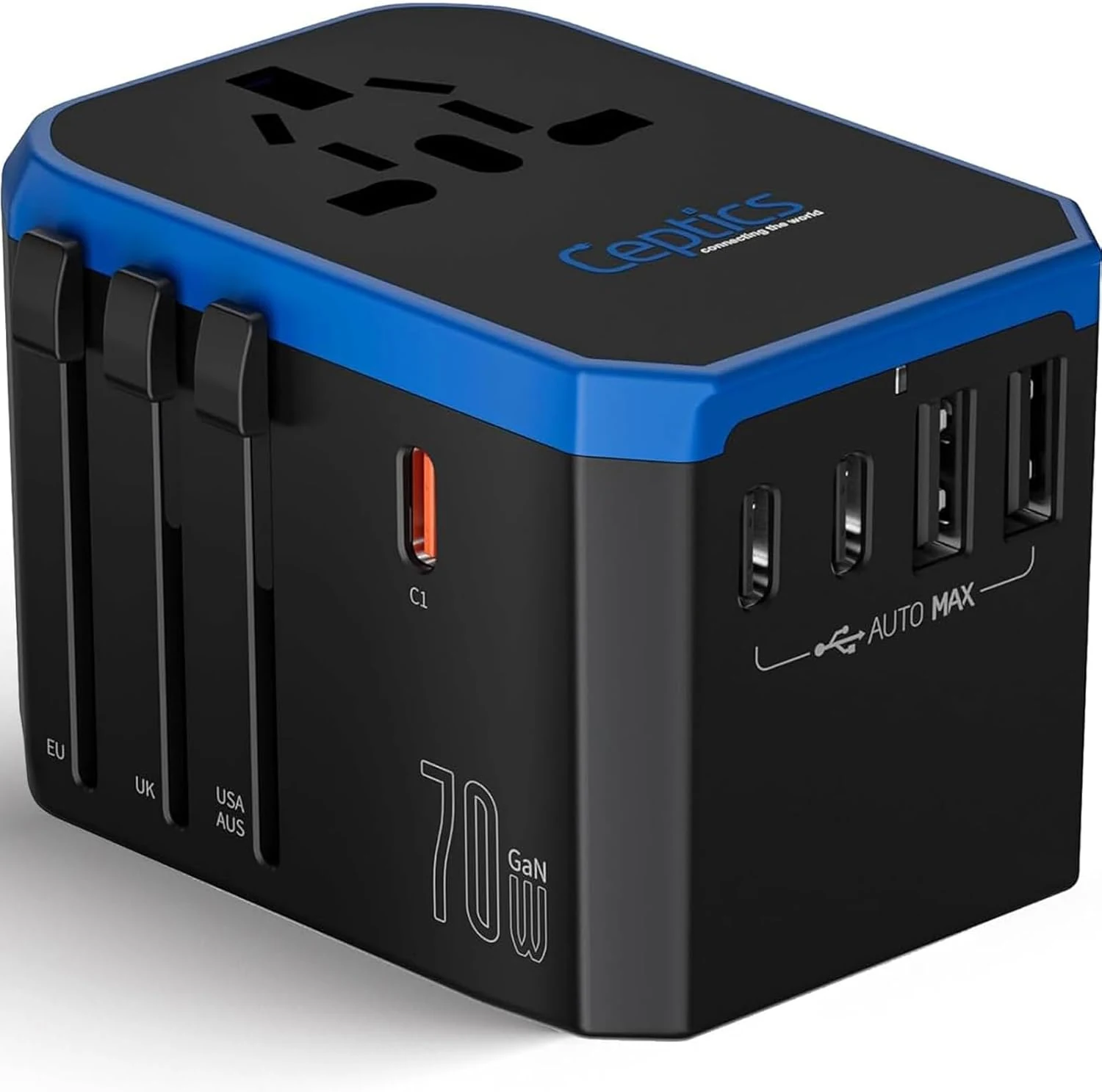
Ceptics 70W World International Travel Plug Adapter
The Ceptics 70W World International Travel Plug Adapter is a compact, multi-port travel charger built around GaN power delivery (70W) plus Quick Charge 3.0 style USB-C charging. It is designed for international outlet compatibility across multiple plug types, but it is not a voltage converter, so it only works with devices that support 100-240V.
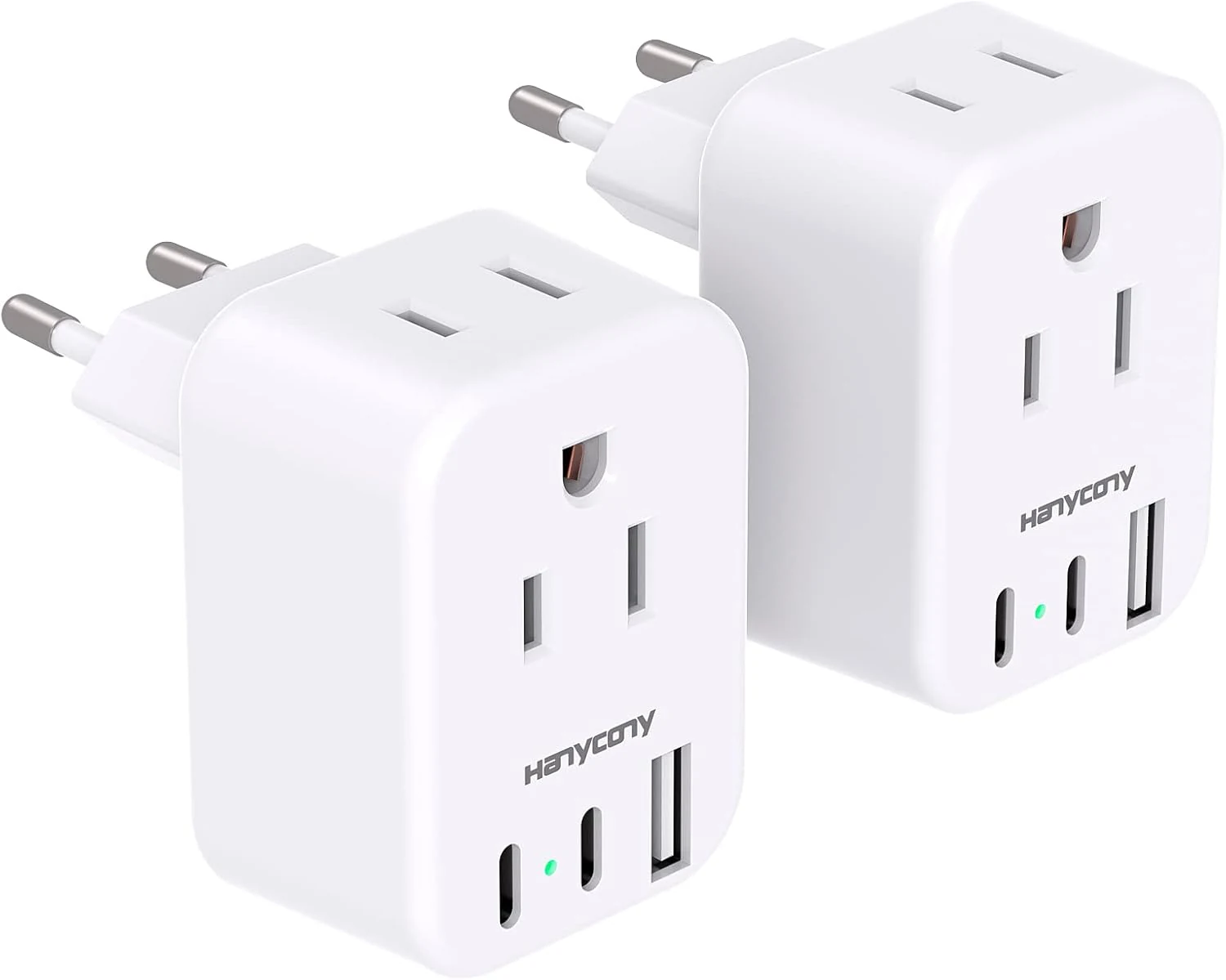
HANYCONY European Travel Plug Adapter (2 Outlets + 2 USB-C, 2-Pack)
A compact two-pack European travel adapter from HANYCONY designed for US travelers using Italy, Spain, France, Germany, and more. It combines two US-style AC outlets with two USB-C and supports up to 2500W for dual-voltage devices, but it is not a voltage converter, and it will not work in the UK or Ireland.
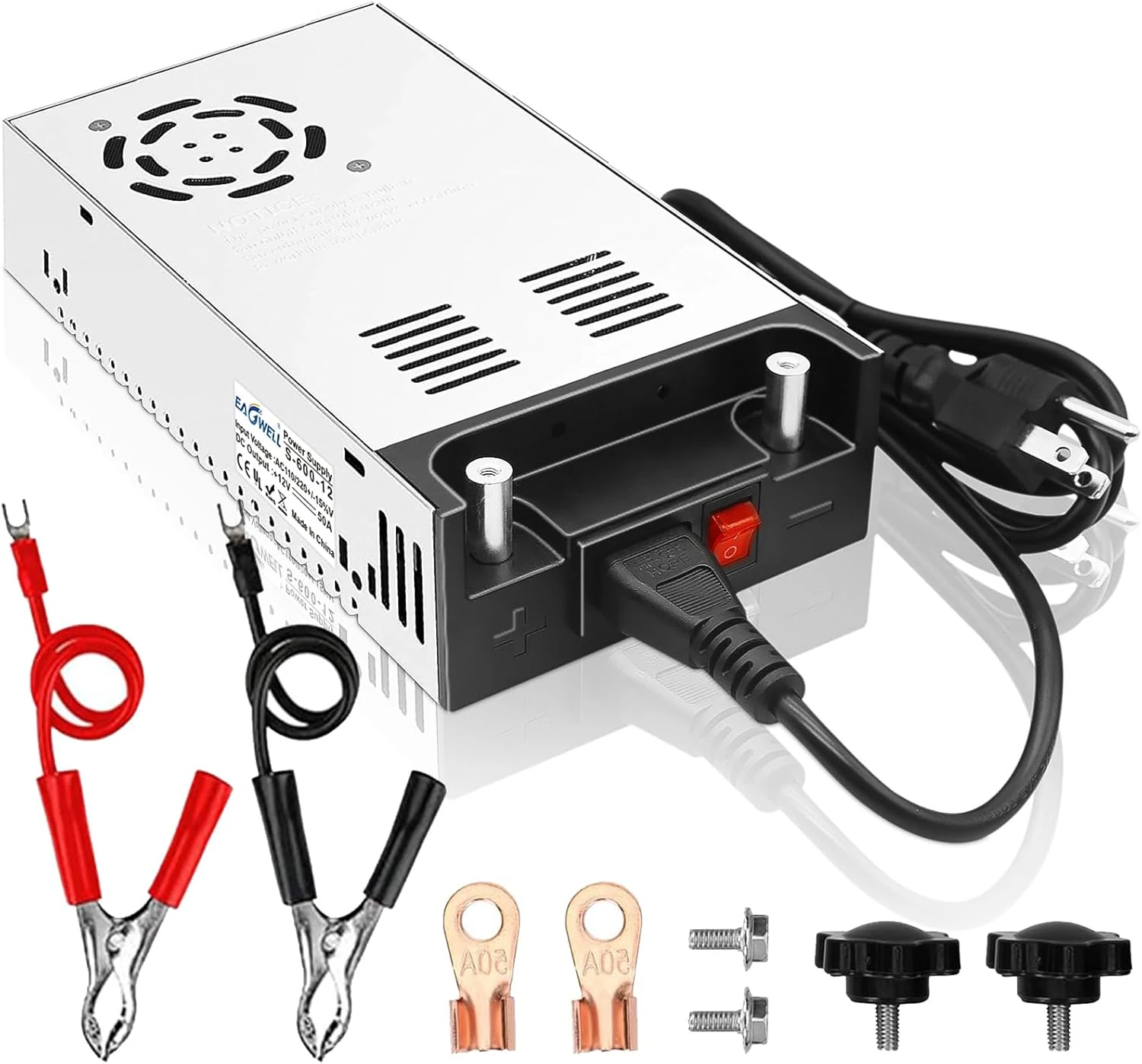
EAGWELL New Version 110V AC to 12V DC Converter 600W Power Supply 50A
The EAGWELL 110V AC to 12V DC Converter is a 50A, 12V switching power supply designed to power common 12V loads from household AC, with quick-clamp installation, screw terminals, and safety protections for overload and short circuits. It is a strong fit for RV and workshop testing, LED strips, CCTV, and some motor-driven or inductive loads, as long as you stay within the recommended continuous power guidance and select the correct 110V/220V input setting.
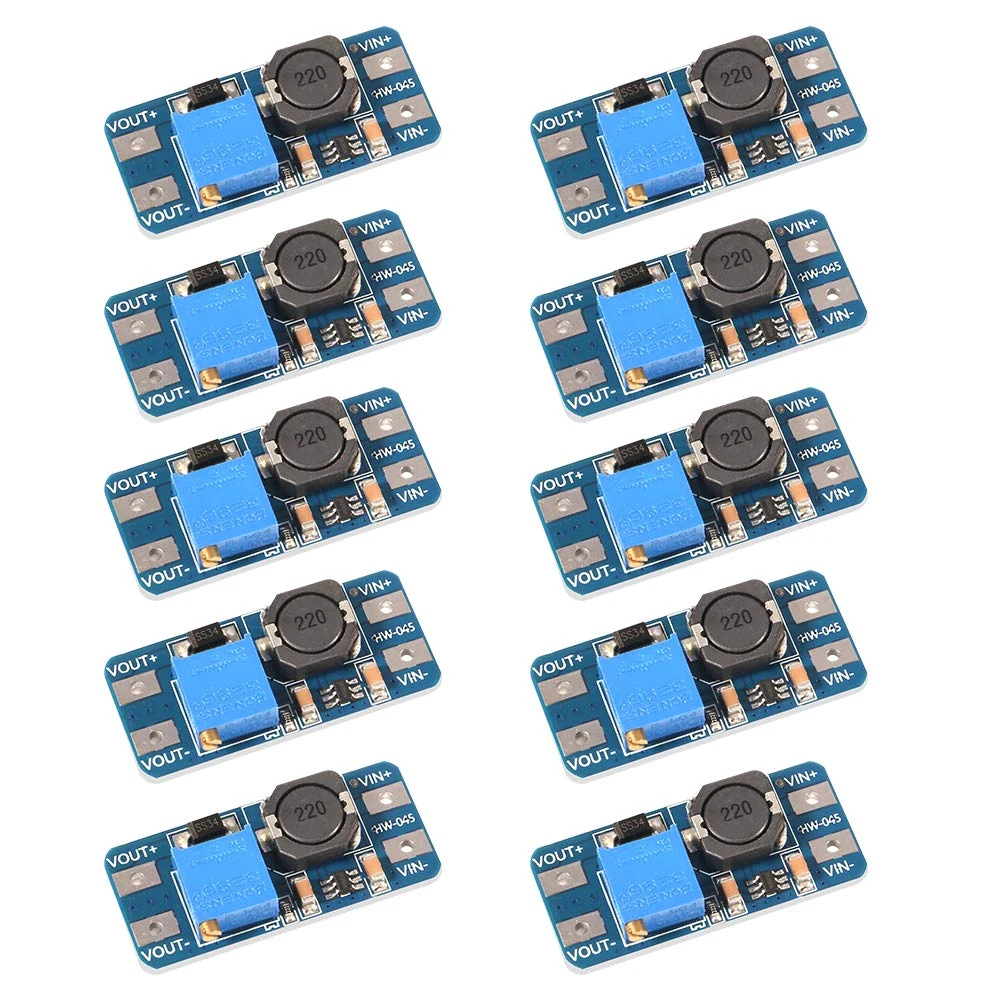
Dorhea MT3608 DC-DC Step Up Boost Power Converter
The Dorhea MT3608 is a small adjustable step-up (boost) DC-DC module that takes roughly 2-24V in and boosts to about 5-28V. It can work well for light, DIY projects, but buyer experience suggests setup and expectations matter, especially for low input headroom and heat at higher current.