GM VATS PASSkey II Bypass Module for LS1 and LT1 Painless
Quick take
The GM VATS PASSkey II bypass module is built to generate the “key ok” signal that the BCM normally sends to the PCM/ECM, helping your GM VATS-equipped setup start when the BCM is missing. It’s aimed at LS1 and LT1 engine swaps (and some remote-start scenarios) where PASSkey I or II VATS is involved, with a simple three-wire connection and selectable 30 Hz or 50 Hz output. The biggest buying caveat is that correct frequency and wiring to the right signals matter, and install instructions may require extra troubleshooting for some vehicle configurations.
Pros and cons
Pros
- Creates the BCM “key ok” signal for PASSkey I/II VATS setups (when BCM is not present).
- Supports both 50 Hz and 30 Hz output for compatibility across different GM model years.
- Designed around a simple hookup approach with only three wires to connect (plus power and ground).
- Widely used for LS1/LT1 swaps, with many buyers reporting the car started after VATS-related no-start issues.
Cons
- You may need to confirm whether your car needs 30 Hz or 50 Hz output and wire the control lead accordingly.
- Some buyers report the included instructions or vehicle-specific guidance can feel vague, increasing installation time.
- Best results assume you’re comfortable with basic wiring, and some reviewers recommend soldering rather than relying on quick connectors.
What buyers think
Buyer-review evidence is fairly consistent on one point: when the module is connected correctly, it can resolve GM VATS-related start-and-stall or no-start behavior after an engine swap. Several reviewers describe installing the module and getting the vehicle to start normally afterward, including cases where the car would start and then die immediately. Where experience varies, it tends to come back to installation details, especially matching the right frequency output and making sure the correct fuel enable wiring is handled.
Overall, buyer sentiment points to the unit as a practical, budget-friendly workaround for VATS problems on LS1/LT1 conversions, but it is not a “plug-and-forget” solution. Limited instruction clarity and the need for careful wiring are the main themes.
What this module does (and why you might need it)
This bypass module is intended for situations where a GM engine equipped with PASSkey I or PASSkey II VATS is installed into a vehicle missing the BCM, or when used in support of a remote start system. In those cases, the module generates the “key ok” signal that the BCM normally provides to the PCM/ECM.
In practical terms, it’s designed to help you avoid VATS preventing the engine from continuing to run after ignition, particularly in swaps where the factory anti-theft handshake cannot occur the normal way.
Key specs that affect fitment
30 hz vs 50 hz output
The module offers two output frequencies, 50 Hz and 30 Hz. If no wire is connected to ground, the output defaults to 50 Hz. Some GM cars require 30 Hz, and one way to indicate 30 Hz is connecting the blue wire to ground.
Only a few wires to connect
The wiring model is straightforward, with labeled leads for power, fuel enable, control, and ground. That said, you still need to route each lead to the correct target in your harness setup.
- Red: 12V ignition of accessories
- White: Fuel Enable wire (50 Hz or 30 Hz selection logic is tied to the setup)
- Blue/Green: Control wire
- Black: ground
Installation experience: what to expect
Many reviews describe fast installs once the correct connection approach is figured out, with some people specifically emphasizing that proper wiring got the car running quickly. Other buyers point out that documentation can be light or feel difficult to follow for certain harness situations, which can lead to extra time spent verifying the right injector or fuel enable wire location and confirming the correct frequency behavior.
If you are not comfortable with automotive wiring, consider having a shop or a knowledgeable installer handle the connection.
Pros and cons in plain English
It’s a good match if you’re doing a GM VATS swap
- You’re installing an LS1 or LT1 with PASSkey I or II VATS into a vehicle missing the BCM.
- You need a “key ok” style signal solution to address VATS-related start problems.
- You want a simpler wiring approach with limited wires and a frequency option.
It may be a frustrating choice if you want detailed, plug-and-play instructions
- Your build needs very specific harness pin guidance and you want a diagram that directly matches your exact plug.
- You are unwilling to troubleshoot frequency selection (30 Hz vs 50 Hz) or verify fuel enable wiring.
- You prefer a more guided, step-by-step install process over a basic wiring module.
Price and value
At a budget-friendly price point relative to many specialized bypass solutions, the module positions as an economical way to address VATS when you already have the rest of your swap wiring handled. Value comes down to whether your install goes smoothly. If you hit wiring or frequency mismatches, you may spend more time confirming signal locations than you expected.
Final verdict
The GM VATS PASSkey II bypass module is a practical option for LS1 and LT1 swap setups that need a BCM-style “key ok” signal. Reviews generally support that it can fix VATS-related start and run issues when wiring and frequency selection are correct. Just be realistic about the installer’s role: correct connection points and 30 Hz vs 50 Hz behavior are the difference between smooth results and extended troubleshooting.
FAQ
Is this bypass module only for Painless?
It’s intended for GM VATS PASSkey I or II situations in LS1 and LT1 builds, including common Painless-related swap contexts, but the important factor is whether your engine and VATS setup match the module’s intended use (PASSkey I/II and the missing BCM “key ok” need).
When should I use 30 Hz instead of 50 Hz?
The module provides both. If you don’t connect the relevant lead to ground, it defaults to 50 Hz. Some GM cars require 30 Hz, and one approach to switch to 30 Hz involves connecting the blue wire to ground. Your vehicle year and VATS behavior are what should guide the selection.
How many wires do I need to connect?
The setup is designed to be relatively simple, with a wiring approach that uses only three wires to connect (along with the required 12V ignition input and ground), based on the module’s labeled leads.
Does it work for a BCM-less engine swap?
Yes, that is the core intended scenario. The module is designed to generate the “key ok” signal the BCM typically sends to the PCM/ECM for PASSkey I or II VATS systems.
What’s the biggest reason installs don’t go smoothly?
Most “setup difficulty” patterns come down to matching the correct frequency and wiring the fuel enable/control signal to the correct point in your specific harness. If your documentation or harness labeling is unclear, plan for verification time.
Specifications
| Product Title | GM VATS PASSkey II Bypass Module for LS1 and LT1 Painless |
|---|---|
| Category | Automotive > Interior Accessories > Anti-Theft > Accessories |
| Brand | Timers.Shop |
| Manufacturer | GMVATS |
| Model Number | 13 |
| Mfr Part Number | GMVATS |
| Unit Count | 1.0 Count |
| Compatible Devices | GM vehicles with PASSkey I or II VATS |
| Includes Remote | No |
| Remote Control Included? | No |
Recommended next
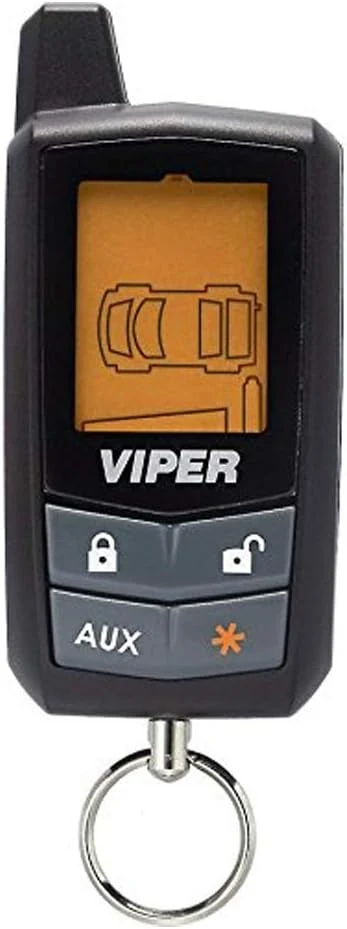
Viper 7345V 2-Way Remote (Replacement for 7341V & 489V)
The Viper 7345V is a 4-button 2-way replacement remote designed for select Viper security and remote-start systems (including 4305V, 3305V, and 5305V). It uses an LCD display and provides both visual and audible confirmation when commands are sent successfully, with a stated range up to 1,500 feet (and up to 1/2 mile in the feature bullets). The main caveat is making sure your Viper system is compatible, since this remote is not universal.
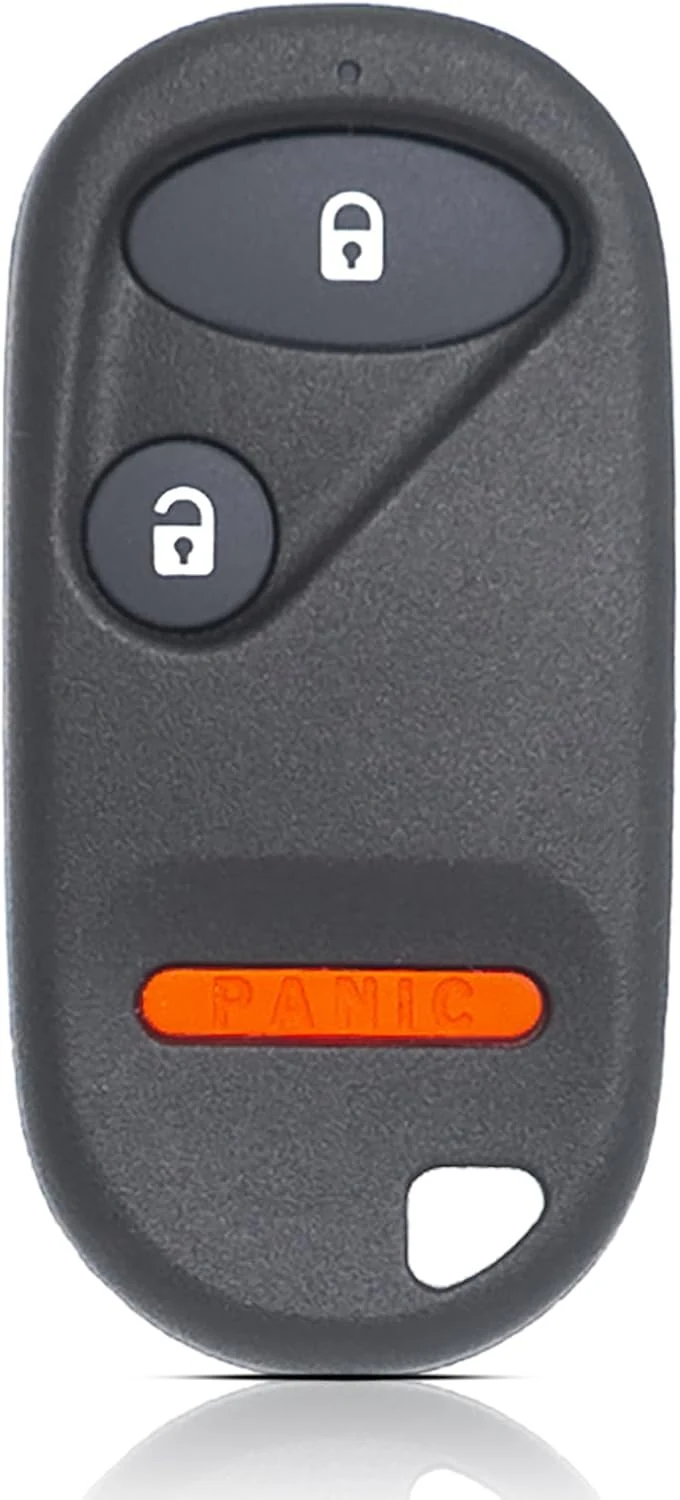
MechanMagic Key Fob Remote Replacement Fits for Honda Civic EX review
MechanMagic’s 3-button key fob replacement is designed for specific Honda Civic (2001–2005, select trims) and Honda Pilot (2003–2007) models. It includes a CR2 battery, supports regular-key vehicles (not push-start), and uses a self-programming process that requires a working key.
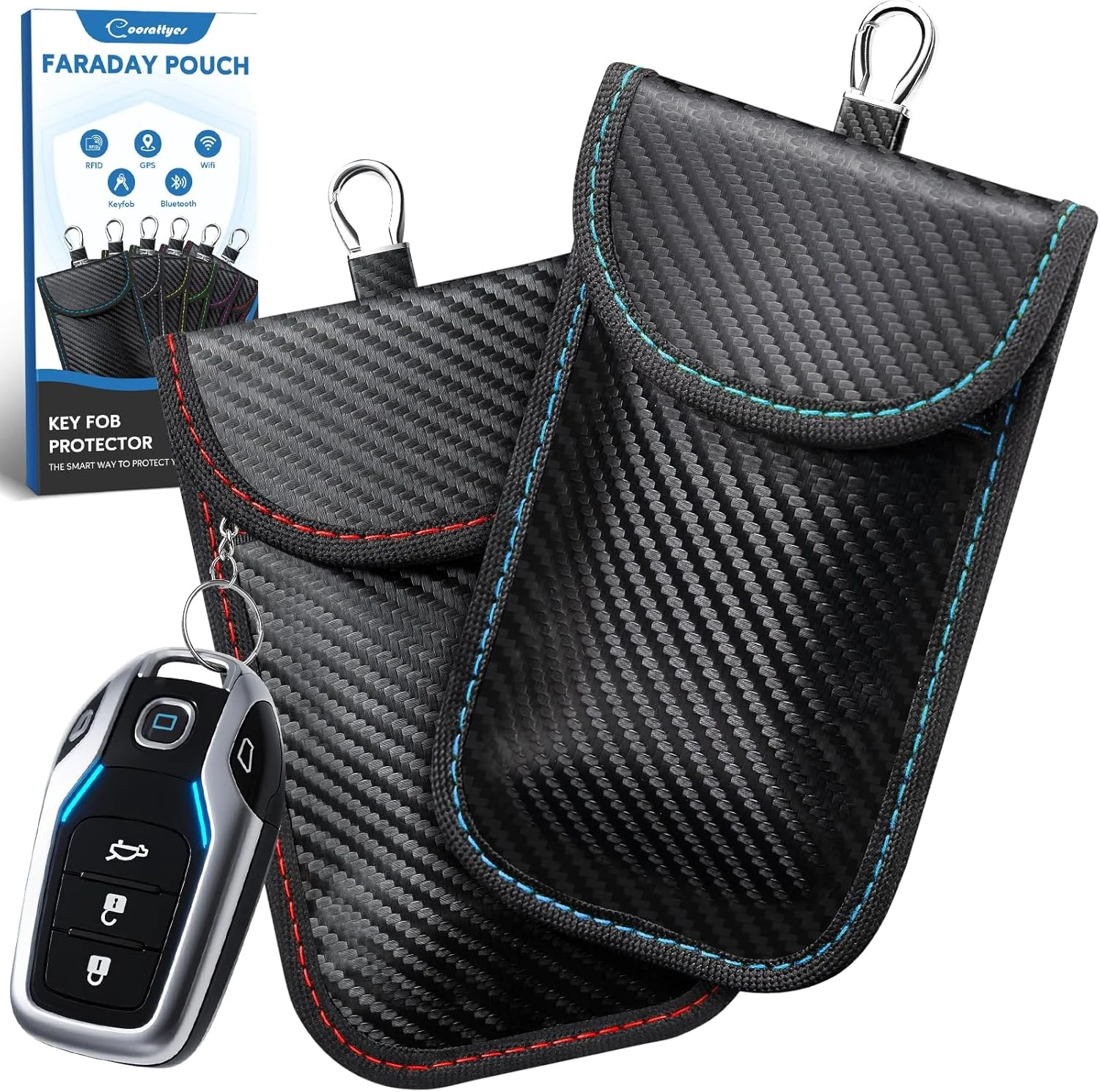
Faraday Pouch For Key Fob, RFID Signal Blocking Holder, 5.6″x3.7″
A Faraday key fob pouch designed to block incoming and outgoing signals when you store your fob. The M size (5.6″x3.7″) fits about 1 to 3 fobs depending on how they fit, and the upgraded wider U-shaped hook helps it stay accessible. Best for at-home or purse/bag storage, with the main tradeoff that the pouch can feel tight if your fob is bulky or if you need extra room for other items.
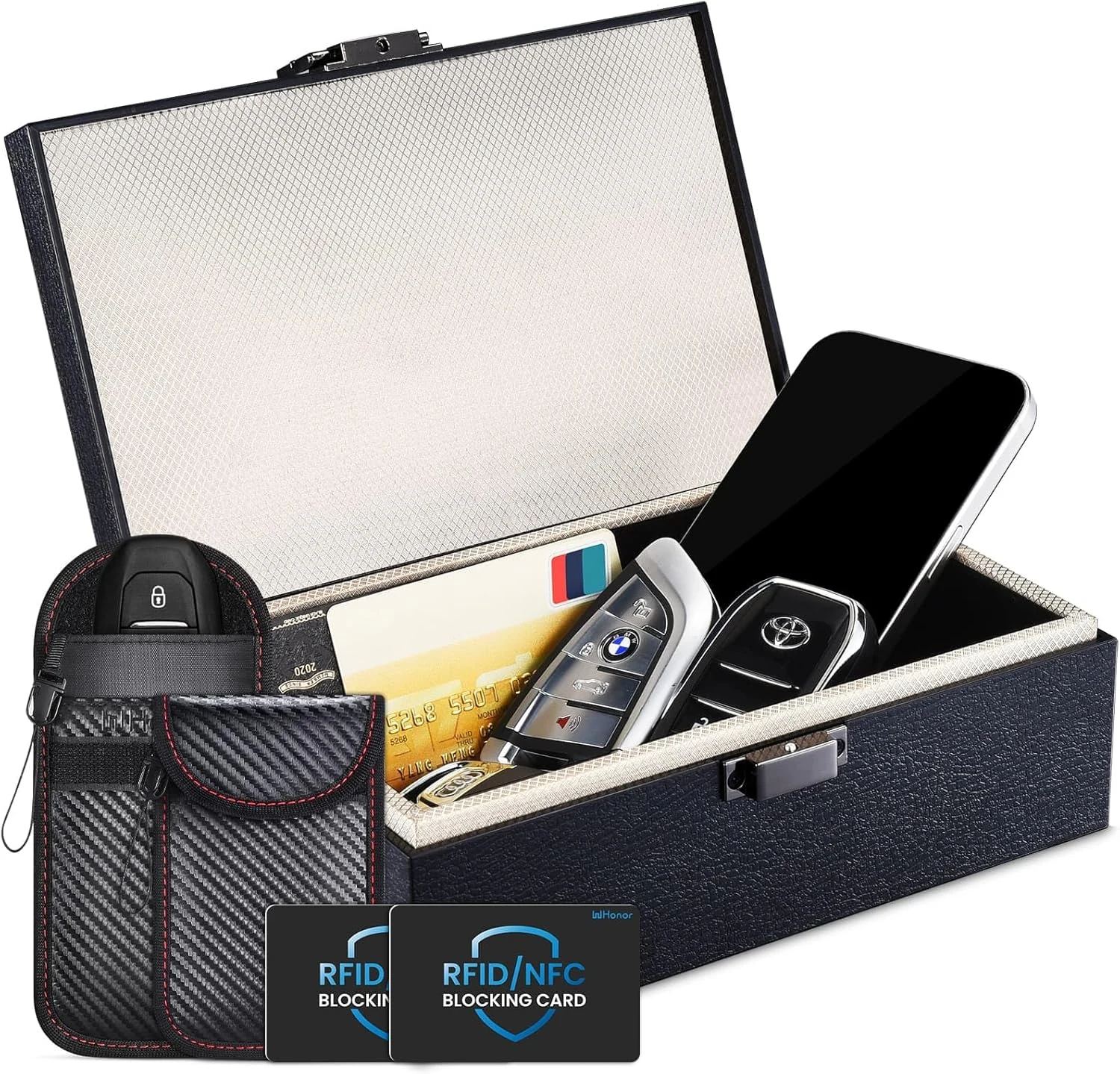
WHonor Faraday Box, RFID Key Fob Protector, 8.0" x 5.2" x 2.8" Anti-Theft Signal Blocking Shielding Cage with Faraday Pouch 2 Pack
The WHonor Faraday Box is a hard, ABS “cage” style organizer designed to block key fob and other wireless signals when you store them at home. It comes with two Faraday pouches plus two RFID blocking cards, making it a simple bundle for car-key and wallet-style protection, with the main tradeoff being you may need to get used to how the fob pouches are positioned for normal keyless use.