Fitbit Sense 2 smartwatch
The Fitbit Sense 2 is aimed at shoppers who care more about health and sleep tracking than about having the most polished smartwatch experience. Features include ECG, stress tools, SpO2, GPS, heart-rate tracking, and a claimed 6+ day battery in a slim body, plus a three-month Google Health Premium membership. It looks strongest as a wellness-first watch, while review excerpts suggest you should be cautious about charging behavior, responsiveness, and how much you expect from the sensors.
Pros
- Slim design; both small and large sizes are included.
- Broad wellness feature set: ECG, stress, sleep, SpO2, and GPS.
- Claimed 6+ day battery may suit buyers who dislike frequent charging.
- Basic on-wrist calls, texts, notifications, Wallet, and Maps are included.
Cons
- Some reviews mention charging issues or shorter battery life over time.
- A few users reported missed or imperfect sleep and heart-rhythm tracking.
- Smartwatch responsiveness may feel less polished than some rivals.
- Some health features have country and eligibility limits.
What this model is, and who it fits
This is the Fitbit Sense 2 in Shadow Grey/Graphite, model FB521. It is an advanced health and fitness smartwatch with stress, sleep, ECG, SpO2, GPS, and notification features, plus a three-month Google Health Premium membership.
It seems best suited to buyers who want health and wellness tools first, with everyday smartwatch features second. If you mainly want app richness or the fastest interface, this is less clearly the right fit.
Health tracking is the main draw
The headline features are all-day stress detection with cEDA, a daily Stress Management Score, an ECG app, irregular rhythm notifications, SpO2, a health metrics dashboard, and mindfulness content. For sleep, it offers sleep stages, Sleep Score, a smart wake alarm, and do-not-disturb mode.
That makes it appealing for shoppers who want a broad view of recovery and daily wellness. But the specifications itself includes important limits: ECG, irregular rhythm notifications, SpO2, and the health metrics dashboard are not available in all countries, and they should not be treated as medical devices or diagnosis tools.
Battery claims are helpful, but the real-world picture is mixed
Fitbit claims 6+ days of battery life, with use and GPS affecting runtime. That is a useful benchmark, but it remains a manufacturer claim rather than an independent test here.
The review excerpts are mixed: some owners report several days of use, while others mention shorter battery life over time and charging contact issues. Those comments are individual reports, not proof of a general defect, but they do suggest buyers should be comfortable keeping an eye on battery level and charger alignment.
Exercise and sleep tools are useful, with limits
For workouts, the Sense 2 includes built-in GPS, workout intensity maps, Daily Readiness Score, Active Zone Minutes, all-day activity tracking, 40+ exercise modes, automatic exercise tracking, and water resistance to 50 meters. That is a solid feature set for general fitness use.
Sleep tracking is also central to the watch’s appeal. Still, one review describes missed or blurred awake time, and another mentions imperfect step tracking during pool exercise.
Smartwatch features are practical rather than expansive
Features include on-wrist Bluetooth calls, texts, notifications, customizable clock faces, Amazon Alexa, Google Wallet, and Maps. Those are genuinely useful conveniences for day-to-day wear.
At the same time, owner comments do not present a single clear verdict on usability: some users found it easy to navigate, while others felt it was less responsive and less intuitive than competing watches. That split matters if you care about interface smoothness as much as fitness tracking.
How it compares with the alternatives
Among the alternatives provided, the Garmin vívoactive 5 is the best fit if you want a more sports-oriented watch with a brighter AMOLED display and a longer claimed battery life. It may suit buyers who prioritize fitness breadth over Fitbit-style wellness tools.
The Samsung Galaxy Watch 7 is the more natural pick if you want a more traditional smartwatch experience and deeper phone-centric features. The Fitbit Versa 4 is the closer Fitbit alternative if you want many of the same basics at a lower recorded price, though it is positioned as a step down in the lineup. Your choice depends on whether you value wellness tracking, smartwatch polish, or battery claims more.
Bottom line
The Sense 2 makes sense for a shopper who wants a slim Fitbit with strong health and sleep tools, basic smart features, and a battery claim that may reduce charging frequency. It is most compelling if those wellness features are the main reason you are buying.
Skip it if you want the most responsive smartwatch experience, the richest app ecosystem, or medical confidence from the sensors.
The buying decision
A sensible buy for Fitbit-focused wellness tracking, especially if you value stress and sleep tools more than smartwatch polish. If you want broader apps or a more responsive interface, one of the alternatives may fit better.
Product details and Amazon customer ratings as of .
Available variants
Color
- Lunar White/Platinum
- Shadow Grey/Graphite
- Blue Mist/Pale Gold
Recommended next
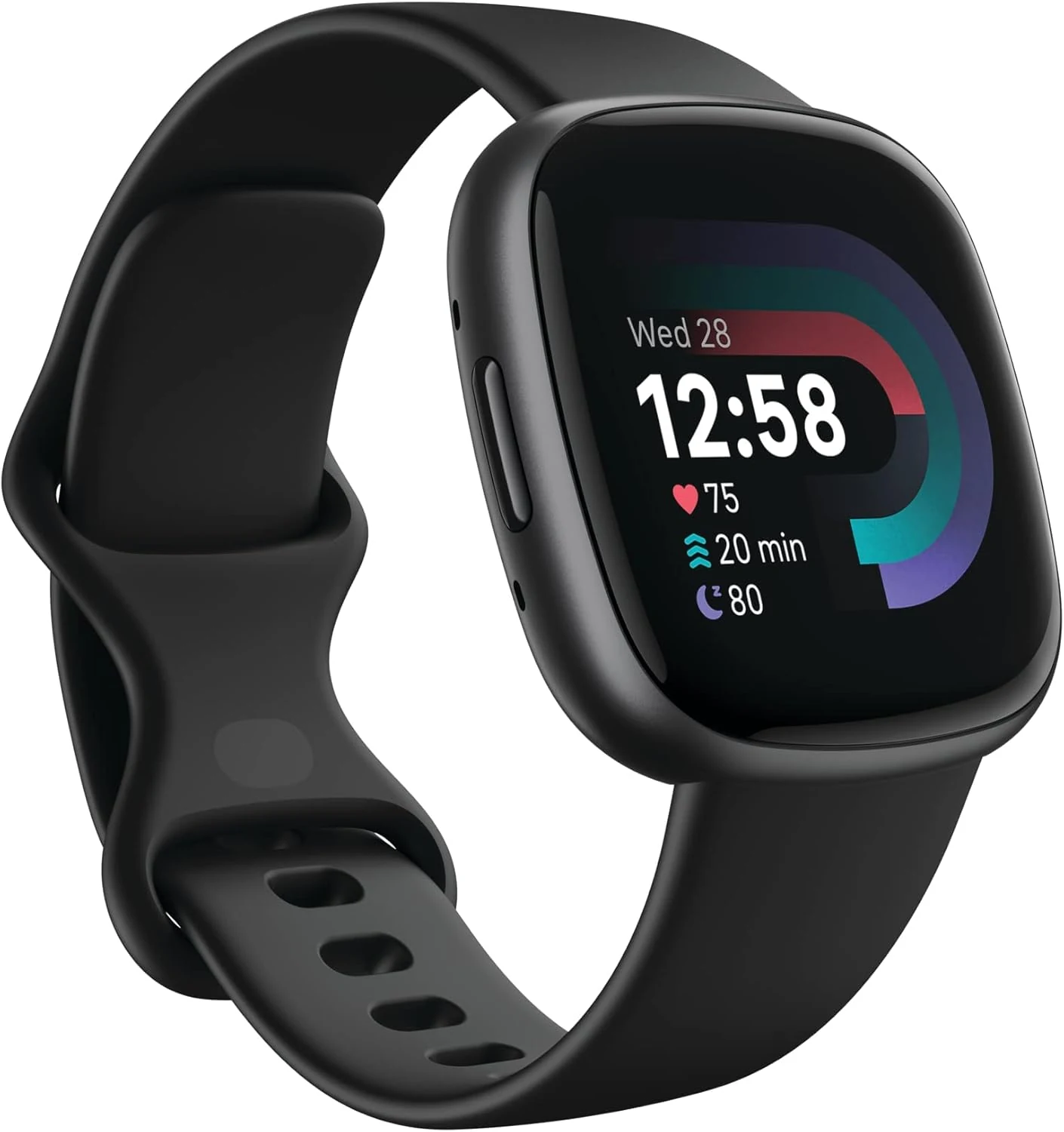
Fitbit Versa 4 Fitness Smartwatch
Fitbit Versa 4 focuses on everyday fitness, sleep, and basic smartwatch features. It suits buyers who want multi-day battery life and routine tracking, but GPS consistency and feature limits matter.
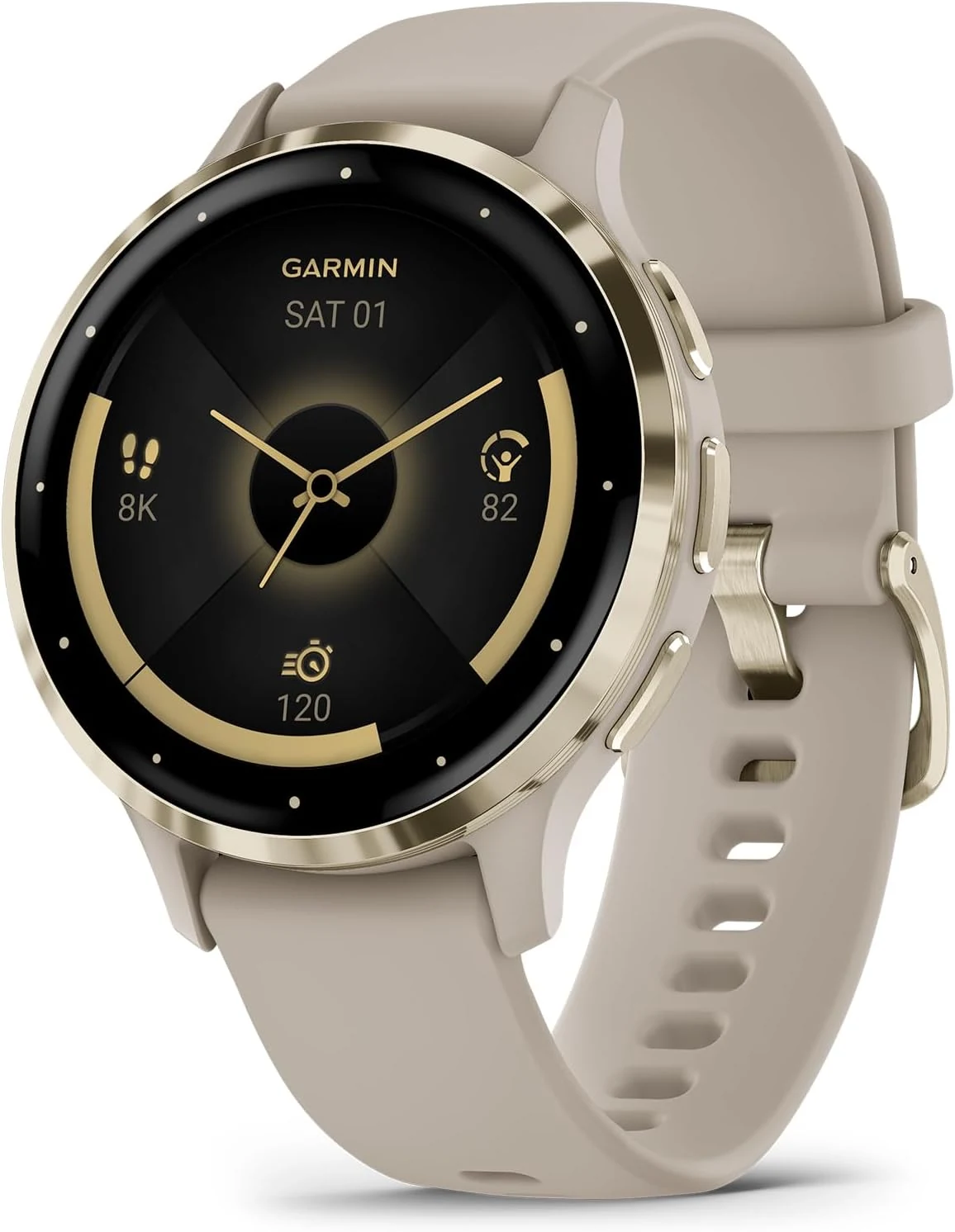
Garmin Venu 3S Soft Gold/French Gray 41mm
A compact Garmin smartwatch with strong wellness features, a bright AMOLED display, and useful phone-connected tools. Best for smaller wrists; runners and bargain hunters may prefer other Garmin or Fitbit options.
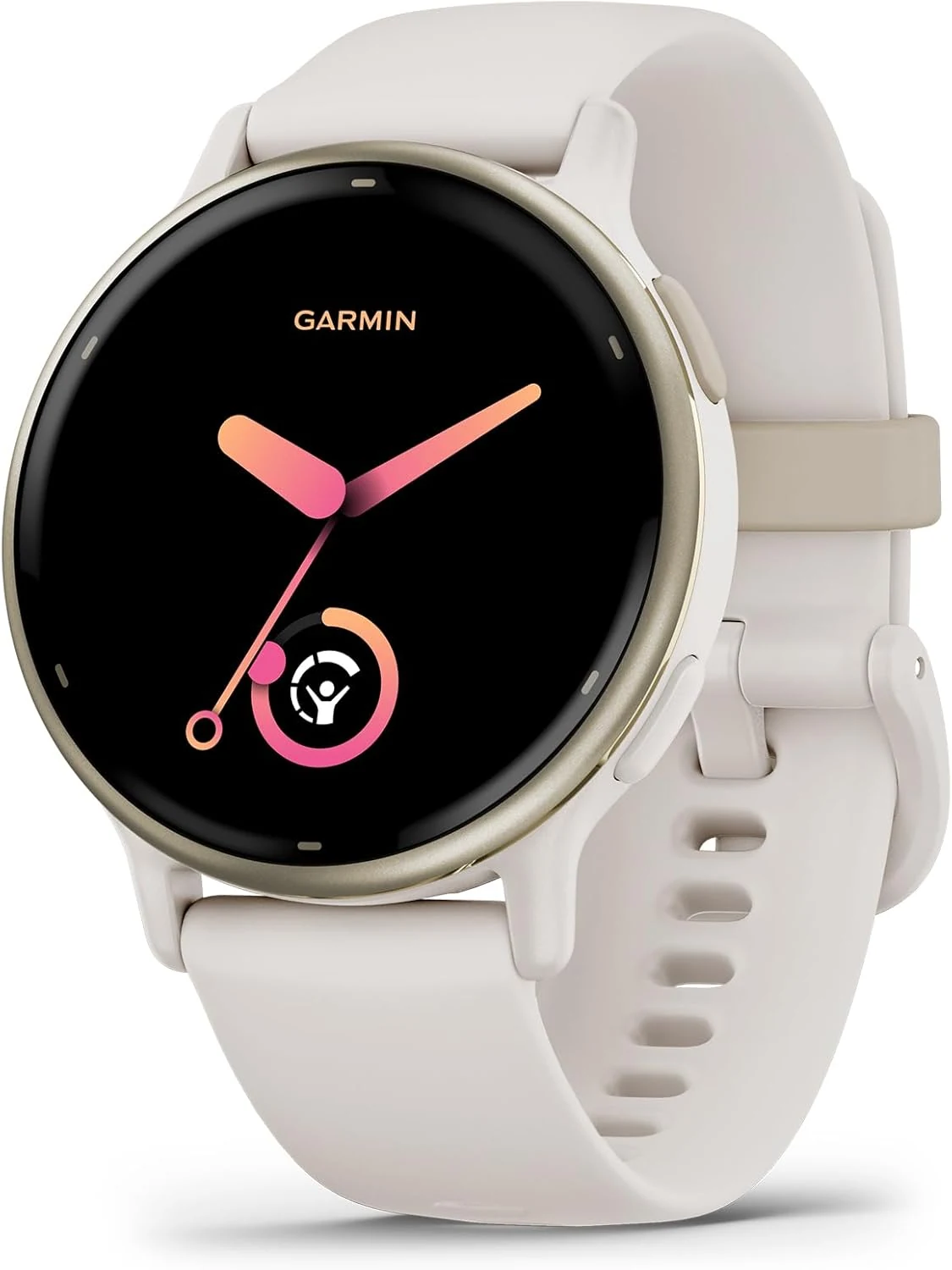
Garmin vívoactive 5 Ivory
A light Garmin fitness smartwatch with an AMOLED display, built-in GPS and long advertised battery life. Best for health tracking and fewer charges, not a phone-like smartwatch.
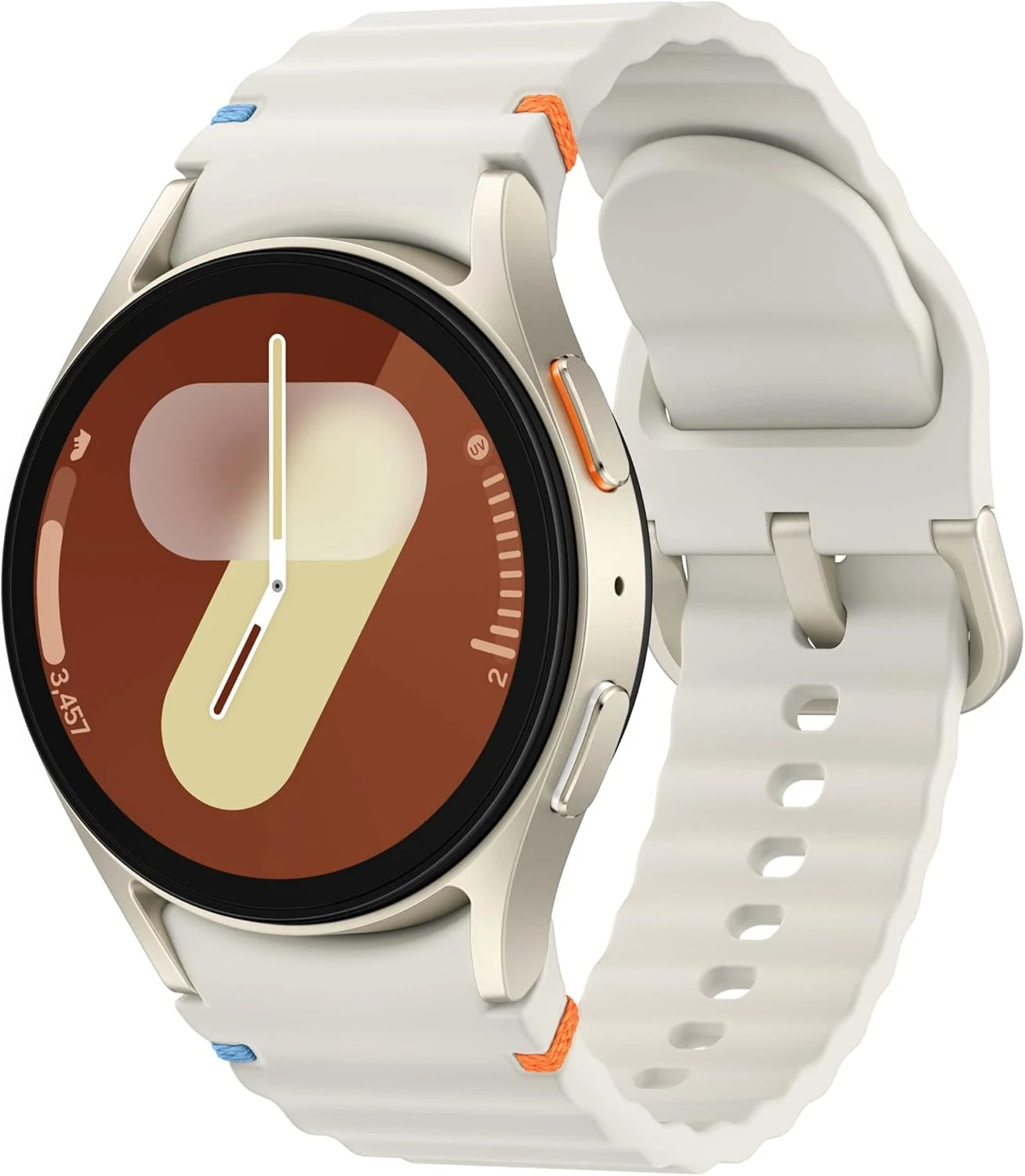
Samsung Galaxy Watch7 40mm Bluetooth (Cream)
A slim Galaxy-focused smartwatch with bright display and strong wellness tools, but battery life is modest and several features need a compatible Samsung phone.