Aviation Flight Training Glasses Adjustable View Limiting Goggles Device with Glasses Box and Tag (Black)
Quick take
These aviation flight training view-limiting goggles are built for instrument training, helping limit what you can see so you focus on the cockpit instruments during simulated conditions. Reviewers describe a comfortable, glasses-under-capable fit and practical included accessories like a case, cleaning cloth, and lanyard. The main caveat is also the point: the device is meant to reduce your field of view, so it may feel restrictive if you are looking for a full, unrestricted training visor.
Pros and cons
Pros
- Adjustable temples designed to fit different face shapes and lengths
- Polycarbonate, break-resistant lenses aimed at staying clear during training
- Glasses-friendly use reported, including prescription glasses and sunglasses underneath
- Includes a storage bag and cleaning cloth, plus lanyard accessories
Cons
- Vision is intentionally limited for instrument training, which can feel restrictive
- Review evidence focuses on comfort and fit, with limited detail on long-term durability or performance over extensive training cycles
What buyers think
Buyer-review evidence is mostly consistent on comfort, fit, and practical everyday use. Multiple reviewers note that the goggles stay comfortable and workable for instrument training scenarios, including iMC simulation and check-ride practice. Several comments specifically highlight glasses-under capability, including prescription glasses and sunglasses underneath. Buyers also mention the included accessories as a real value add, such as the carrying case/bag and a cleaning cloth. Overall, the sentiment suggests the product does what it is designed to do, but the review themes lean more toward “works well and fits” than toward deep performance testing or measured optical characteristics.
What these goggles are for
These view-limiting training glasses are intended to support instrument flying practice by restricting your field of vision so you focus on the cockpit instruments. They are designed to be used during training in the presence of a safety pilot and are commonly associated with instrument-scan habit building, including iMC-style or IFR simulation sessions.
Fit and comfort, including glasses underneath
The adjustable temples are a key feature for fit flexibility. Reviewers repeatedly describe a comfortable fit for long training sessions and report that you can wear glasses underneath, which can matter if you need prescription correction or prefer to train with sunglasses.
They are designed to be compatible with headphone use as well, using a lanyard option to help keep the goggles positioned during breaks or preflight setup.
Build and lens materials
The lenses are made from polycarbonate and are described as break-resistant, which is particularly relevant for training gear that gets put on and taken off frequently. The lenses are clear, and the construction is geared toward maintaining usable clarity during instrument practice rather than acting as a specialized, high-end optical system.
Included accessories and day-to-day usability
For storage and maintenance, the package includes a cleaning cloth and a storage bag, along with lanyard-related accessories intended for convenience while wearing or moving between training scenarios. There is also a tag with a light gun signal, aimed at practical use within aviation contexts.
Pros and cons from a buyer perspective
When they’re a good match
- You want a budget-friendly way to add view-limiting practice to iMC or IFR-style simulations
- You need adjustable fit and you plan to wear prescription glasses or sunglasses underneath
- You value training gear that comes with practical storage and cleaning accessories
When you might want to look elsewhere
- You prefer unobstructed peripheral vision, since the main function here is to limit what you can see
- You need more detailed evidence around long-term durability or measured optical performance, since the available feedback emphasizes comfort and “it works,” not technical validation
Price and availability
Pricing can vary, so if you are comparing options for instrument training accessories, check the latest listing details and current cost before deciding. Buy on Amazon
FAQ
Are these aviation view-limiting goggles comfortable for long sessions?
Reviewers describe them as comfortable and suitable for instrument training use, including extended practice sessions. Fit adjustments and glasses-under compatibility are also cited as helpful for wearing them without constant readjustment.
Can I wear prescription glasses or sunglasses underneath?
Yes, buyers report that you can wear prescription glasses or sunglasses underneath the goggles.
What are the main features that support instrument training?
The core feature is view limitation, designed to help you focus on cockpit instruments during simulated instrument conditions. Adjustable temples and a glasses-friendly fit are key supporting features.
What’s included in the package?
The set includes the goggles, a cleaning cloth, a storage bag, a glasses lanyard, plus a tag with a light gun signal and an additional PVC lanyard for convenience.
Are the lenses durable?
The lenses are made from polycarbonate and are described as break-resistant. That focus on impact-resistant materials is intended for frequent training use.
Specifications
| Product Title | Aviation Flight Training Glasses Adjustable View Limiting Goggles Device with Glasses Box and Tag(Black) |
|---|---|
| Category | Electronics > Car & Vehicle Electronics > Aviation Electronics > Aircraft Accessories |
| Brand | Saysurey |
| Manufacturer | Saysurey |
| Color | Clear |
| Material | Polycarbonate |
| Item Weight | 0.31 Pounds |
| Frame Type | Full Rim |
| Special Features | Adjustable |
| Sport Type | Aviation |
| Lens Coating | Uncoated |
| Eyewear Type | safety goggles |
| Fit to Size Sentiment | Positive |
| Sleeve Length Description | Sleeveless |
| Fit Type | Adjustable |
| Lens Color | Clear |
| Style | Modern |
| Item Shape | Rectangular |
| Pattern | Solid |
| Frame Material | Plastic |
| Lens Material | Polycarbonate |
| Apparel Fabric Weight Class | Lightweight |
| Item Package Quantity | 1 |
| Number of Items | 2 |
| Brand Name | Saysurey |
| Style Number | FAS-Saysurey-57 |
| Part Number | FAS-Saysurey-57 |
Available variants
Color
- Clear
- Blue
- Gray
Recommended next
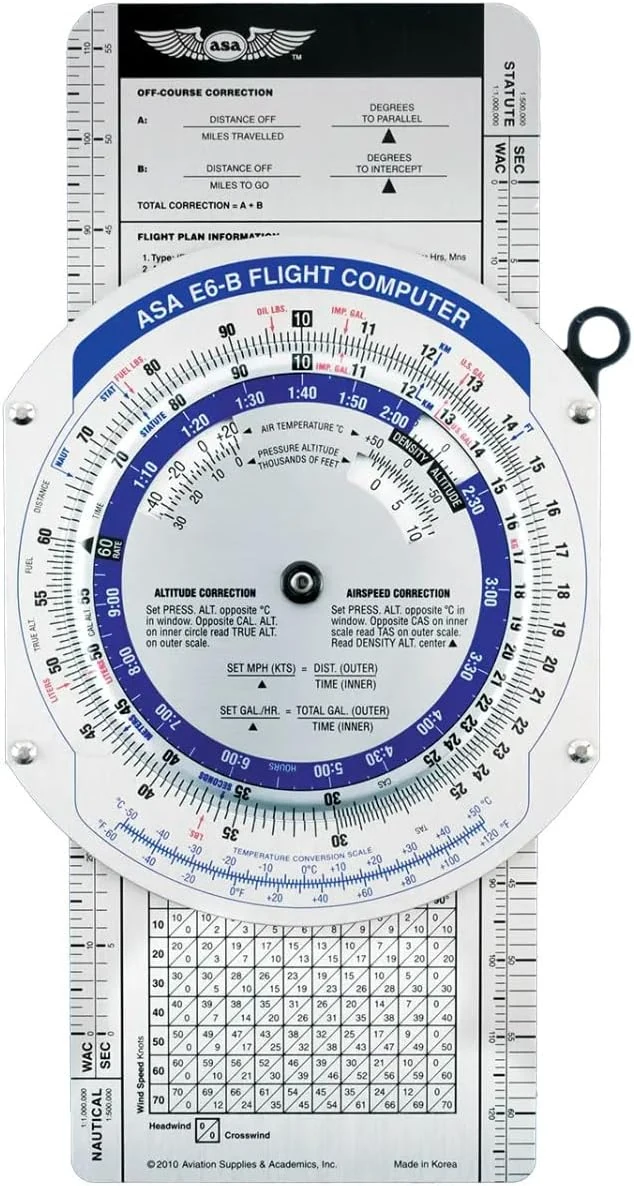
ASA Color E6B Flight Computer
The ASA Color E6B is a durable, metal slide-rule-style flight computer built for practical wind triangle work, unit conversions, and common flight planning calculations. Color-coded scales aim to make setup faster and easier to read, but it is still a mechanical E6B, so it takes comfort with slide-rule-style operation rather than “push-button” use. Best for student pilots and instructors who want a clear, sturdy tool for learning and routine planning.
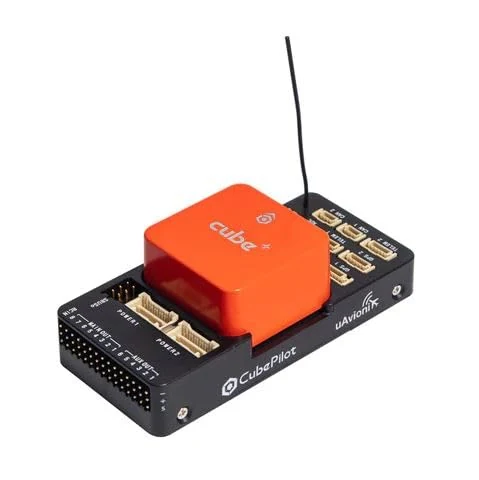
The Cube Orange+ Standard Set
The Cube Orange+ Standard Set is a CNC-aluminum, non-waterproof aircraft autopilot platform built around an H7-class processor and a uAvionix 1090 MHz ADS-B receiver. It’s designed for serious builders who want solid performance, flexible autopilot software support, and features like exclusion-zone-based automatic obstacle avoidance, with the main caveat that you’ll need external waterproofing and compatible power/servo rail setup.
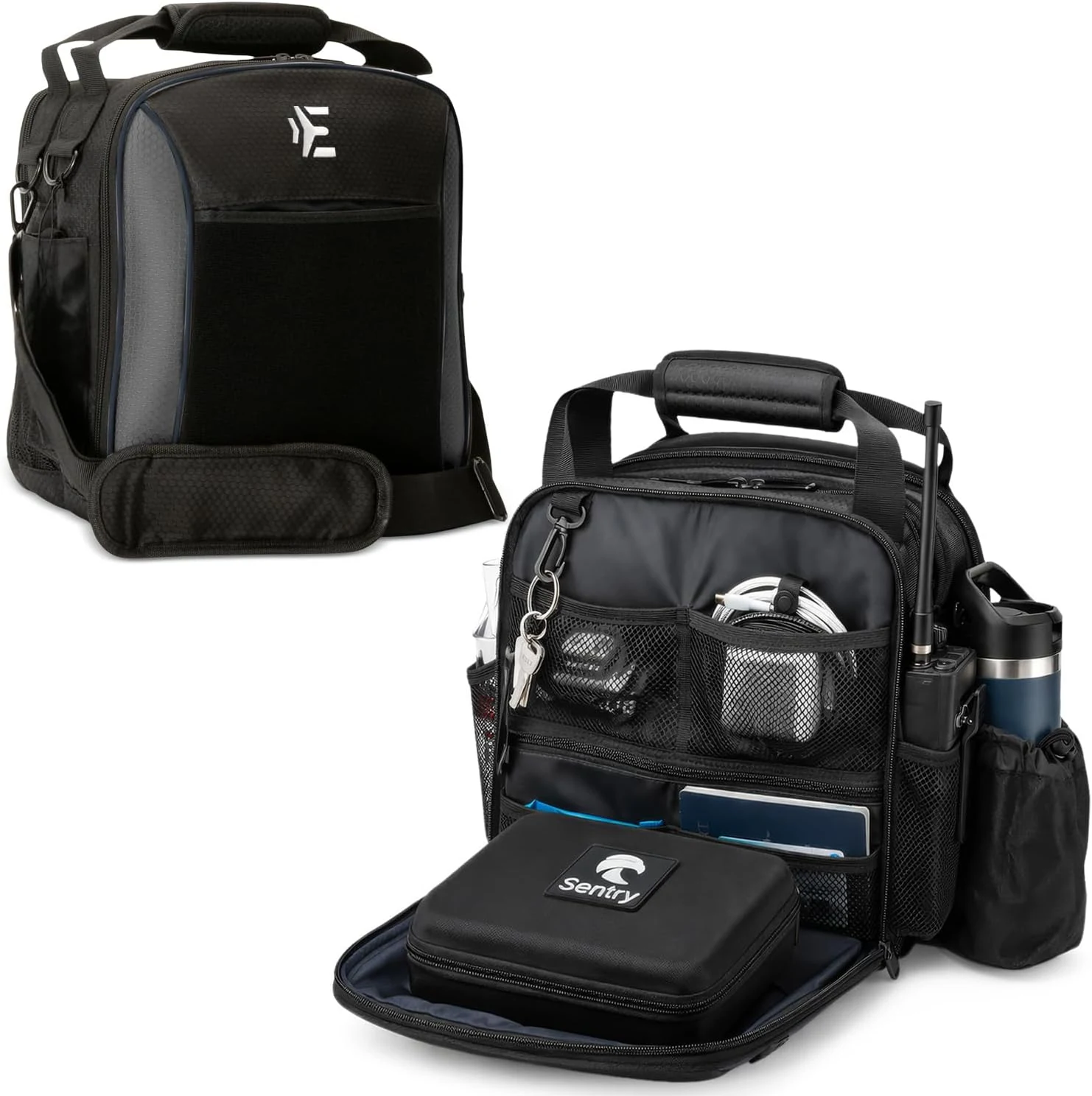
EntireFlight Flight Bag For Pilots
The EntireFlight Flight Bag for pilots is designed to keep essentials organized in one place, with dedicated areas for charts, a tablet, and headset storage. Buyers like its overall build quality and “all-in-one” usefulness for training, with a key caveat: fit and usable space depend on what gear you carry (especially larger items).
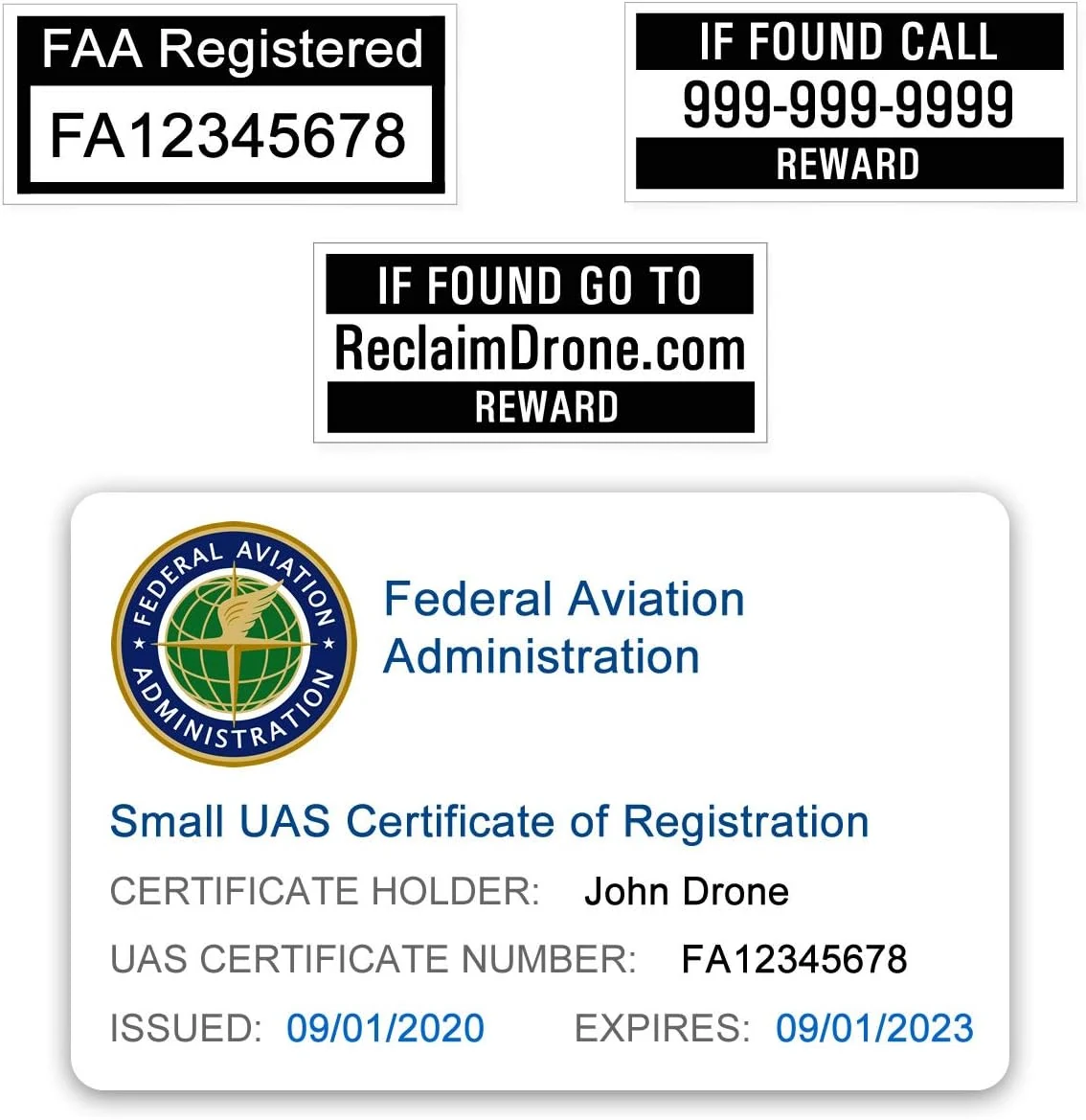
FAA Drone Labels (2 Sets of 3) + FAA UAS Registration ID Card for Hobbyist Pilots (Plus Optional Battery Labels)
If you fly as a hobbyist and want a durable, laminated set of FAA UAS registration labels plus a wallet-size registration ID card, this kit offers pre-customized prints and optional battery numbering stickers. Buyers praise the look, readability, and adhesion quality, with the main caution being that long-term longevity of the labels still depends on your mounting habits and environment.