AirNav Radar XRange2 - Enhanced ADS-B Receiver
Quick take
The AirNav Radar XRange2 is a compact, standalone 1090 MHz ADS-B out receiver designed for real-time reception, with an integrated amplifier and additional filtering. It is best for buyers who want a simpler setup (no extra hardware or software) and value MLAT-enabled positioning, but the price and mixed long-term reliability sentiment mean it is worth buying only if you are comfortable with the commitment.
Pros and cons
Pros
- Standalone design, no additional hardware or software required to run
- Includes 1090 MHz antenna with SMA connector, power adapter, and 30 ft coax cable
- Optimized 1090 MHz reception with integrated amplifier and added filters
- Supports real-time MLAT positions
Cons
- Some buyers call the price too high for the bundle
- There are reports of failures after a few months, with limited support experience noted
- Setup instructions may be frustrating for some users, pushing people toward community support
What buyers think
Overall feedback is mixed, with buyer-review evidence pointing to a clear split between “easy and effective” use and “not worth it” or “reliability/support” concerns. On the positive side, multiple buyers describe the receiver as straightforward to set up and operating well for ADS-B reception, especially when paired with an active antenna. Others are satisfied with the antenna build quality and feel the unit is generally well tuned once running.
On the negative side, some buyers criticize value, suggesting the internal build does not justify the cost. There are also reports of the device failing after a few months, and at least one review expresses disappointment with support and outcomes (for that individual case, review evidence is limited but it is still a meaningful risk signal). Finally, while some users find it plug-and-play, others report that the manual is not very helpful and they end up relying on forums or support for smooth setup and account linking.
What this receiver is (and who it’s for)
The AirNav Radar XRange2 is a 1090 MHz ADS-B Out receiver aimed at capturing aircraft broadcasts and delivering positions, including real-time MLAT positions. It is designed to be used as a self-contained unit with Ethernet connectivity and a touch-based control approach, which helps reduce the “extra parts” problem that can slow down many DIY receiver setups.
This makes it a practical fit for:
- Marine or vehicle owners who want a dedicated receiver rather than a more complex computer-based setup
- Buyers prioritizing easier installation (the kit includes antenna, adapter, and a lengthy coax run)
- People who want MLAT-enabled real-time positioning in addition to basic ADS-B reception
You may want to look harder at alternatives if:
- Budget sensitivity matters and you feel strongly that an included antenna and adapter should reduce the overall cost
- Long-term reliability is your top concern (there is at least some negative evidence about early failure and support outcomes)
- You expect a detailed, beginner-proof manual (some buyers report the documentation is a weak point)
Key specs and features to compare
1090 MHz reception with filtering and an amplifier
The XRange2 is optimized for 1090 MHz ADS-B reception and includes an integrated amplifier plus added filters. In practical buyer terms, this is about improving the chance you get solid results, even when signal conditions are not ideal, as long as you pair it with appropriate antenna placement.
Included hardware for a quicker start
The box includes a 1090 MHz antenna with an SMA connector, a power supply adapter, and a 30 ft coaxial cable. If you were already planning an install, this reduces the number of items you have to source separately (especially useful for boats where coax runs are often longer than expected).
Real-time MLAT positioning
Real-time MLAT positions are a standout feature for buyers who want more than basic ADS-B Out information. If your use case depends on live position updates, MLAT support is one of the reasons to consider this receiver over simpler “just capture ADS-B” setups.
Connectivity and control
The receiver uses Ethernet connectivity and is controlled via touch. That matters when you are planning where to place it onboard and how you will interact with it day to day.
Setup and day-to-day usability
One theme in positive feedback is that setup can feel close to plug-and-play. That said, review evidence also suggests the instructions may not work well for everyone, and some buyers end up using community resources or support channels, particularly when account linking or configuration steps are involved.
If you want the smoother experience that some buyers mention, plan on having a clear antenna mounting plan (especially if you are stretching the included coax length) and set aside a bit of time to get through any configuration steps.
Pros and cons summary
- Buy it if: you want a dedicated standalone 1090 MHz ADS-B receiver, you care about MLAT real-time positioning, and you prefer a kit that includes the antenna plus a long coax run.
- Skip or compare first if: you are highly price sensitive, need strong confidence in long-term reliability, or you want documentation that is consistently beginner-friendly.
Price and availability
Pricing can be a sticking point for some buyers. If you are deciding purely on cost, weigh what’s included (antenna, power adapter, coax) against the risk tolerance you have for a premium receiver. Availability may fluctuate, so it is a good idea to check current status before committing.
FAQ
Is the AirNav Radar XRange2 truly standalone, or do I need extra software?
It is designed as a standalone unit with no additional hardware or software required to run.
Does it support MLAT?
Yes, it enables real-time MLAT positions.
What’s included in the box?
It ships with a 1090 MHz antenna (SMA connector), a power supply adapter, and a 30 ft coaxial cable.
What frequency does it receive?
It is optimized for 1090 MHz ADS-B reception.
What kind of connection does it use?
It uses Ethernet connectivity.
Is it a good choice for beginners?
Some buyers report easy setup and day-to-day use, but other feedback suggests the instructions may be frustrating and account linking or configuration steps may be easier with community support or help resources.
Specifications
| Product Title | AirNav Radar XRange2 - Enhanced ADS-B Receiver |
|---|---|
| Category | Electronics > Car & Vehicle Electronics > Marine Electronics > Radar Systems |
| Brand | RadarBox |
| Manufacturer | AirNav Systems |
| Model Number | 895758001153 |
| Color | Black |
| Item Weight | 1.5 Kilograms |
| Connectivity Technology | Ethernet |
| Controller Type | Touch screen |
| Other Special Features of the Product | Compact Design |
| Compatible Devices | Smartphone, Speaker |
| Connector Type | SMA |
| Audio Output Mode | Stereo |
| Surround Sound Channel Configuration | 2 |
| Video Encoding | RM |
| Number of Channels | 4 |
| Supported Internet Services | Map |
| Control Method | Touch |
| Audio Output Type | Speakers |
| Smart Home Compatibility | Not Smart Home Compatible |
| Format | 4K |
| UPC | 895758001153 |
| Mfr Part Number | XRANGE2-ADSB |
| Unit Count | 1.0 Count |
| EU Spare Part Availability Duration | 2 Years |
| Special Feature | Compact Design |
| Video encoding | RM |
Recommended next
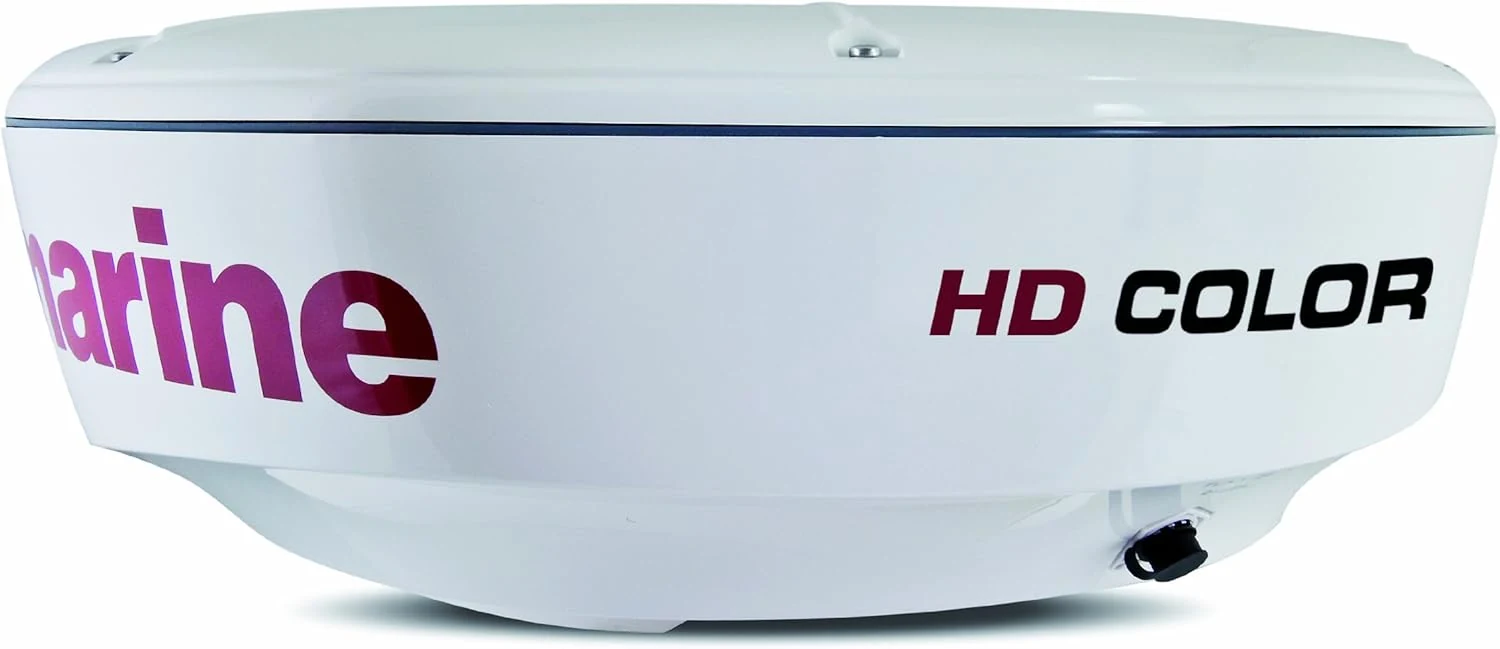
Raymarine RD418HD 4kW Digital Radome with 10M Raynet Cable, 18-Inch, White (T70168)
The Raymarine RD418HD 4kW HD digital radome is designed to deliver detailed radar returns with an ultra-compact scanner and a 256-color target display. It is a strong fit for boat owners using Raymarine a-series, c-series, or e-series multifunction displays, but it can be a mismatch if you are trying to pair it with older, non-compatible networking or radar/bridge setups.
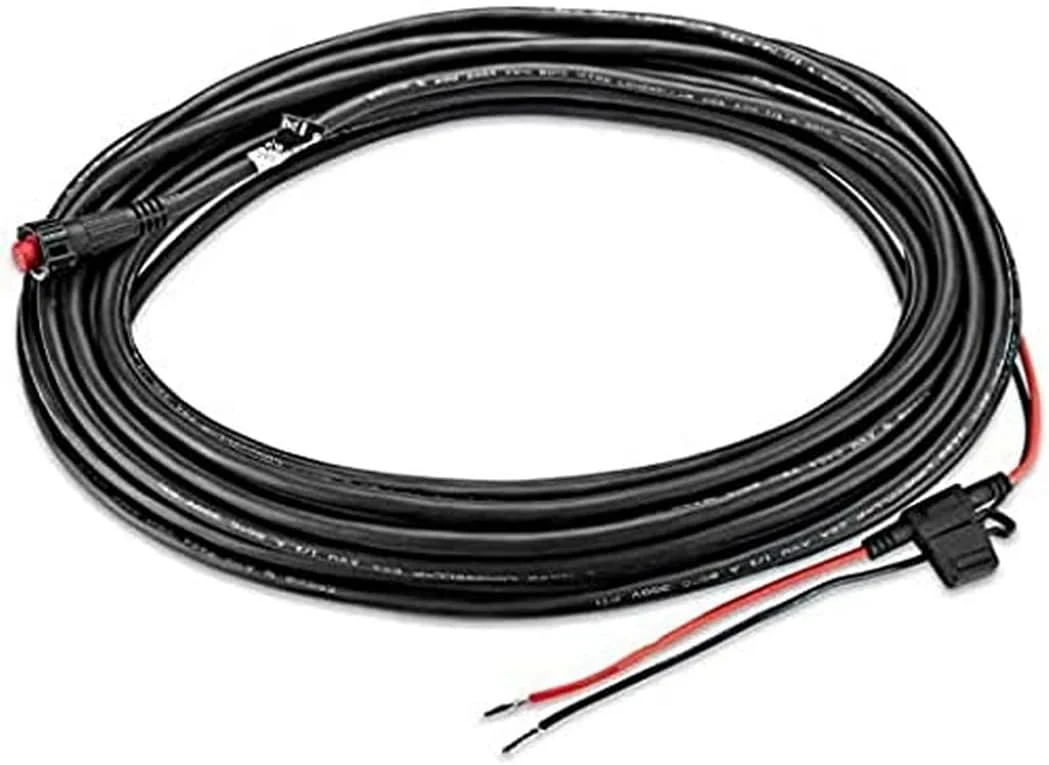
Garmin Radar Power Cable
The Garmin Radar Power Cable is a long, threaded power lead designed to deliver consistent DC power to compatible Garmin radar units, including several GMR xHD and radome models. It’s built for secure connections and extended marine use, but it is only the right fit if your radar model matches the supported list and your install calls for a 48-foot cable run.
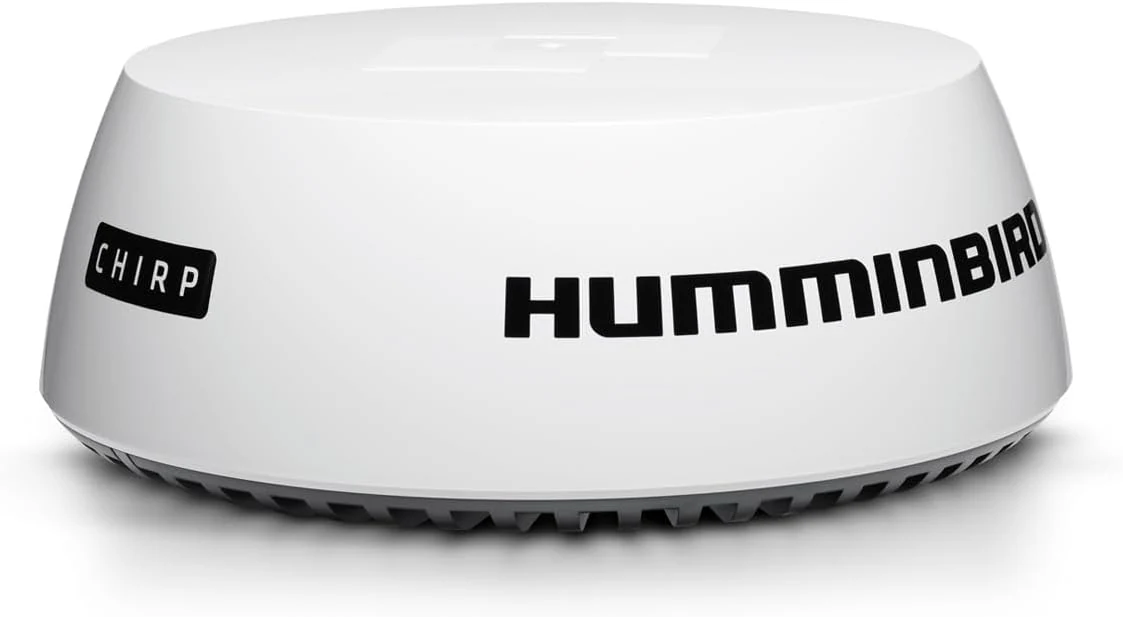
Humminbird Chirp Radar Dome
The Humminbird CHIRP Radar Dome is a compact solid-state marine radar system built around a 21-inch enclosed dome and CHIRP pulse compression for improved target separation. It is designed to work with compatible Humminbird networking head units, making it a strong upgrade path if you already own the right displays and networking gear, though installation and power integration matter.
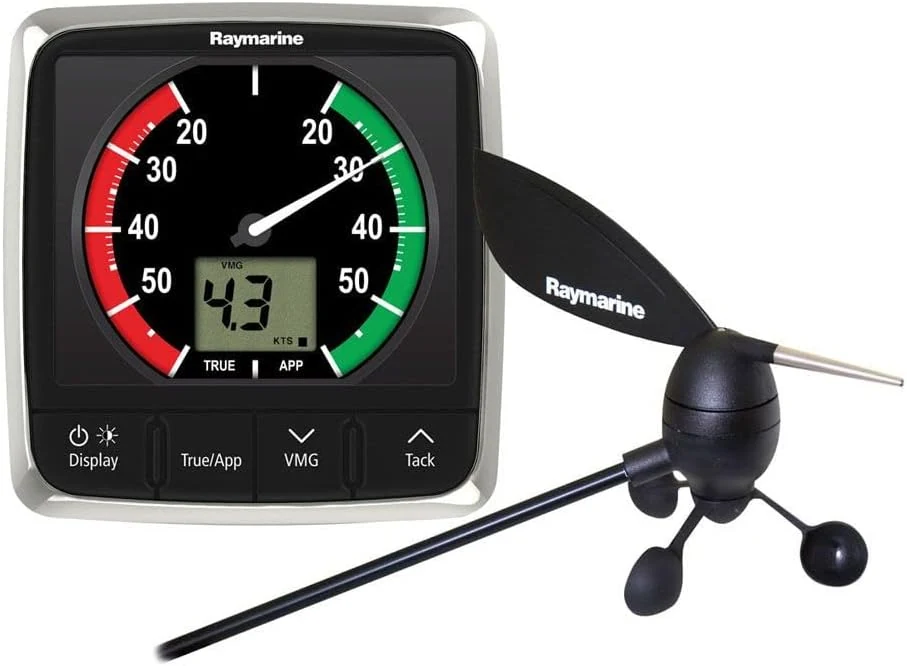
Raymarine i60 Wind System with Masthead
The Raymarine i60 Wind System with Masthead is a dedicated sailboat wind instrument designed to show wind speed and direction (including Beaufort, max wind, VMG, and tack) and can integrate with other Raymarine instruments for apparent and true wind. Strong buyer feedback highlights easy integration and readable display, with the main caveat being that wind transducer performance can be sensitive to water exposure at the masthead.